
Kids’ foam chairs are simplest to buy from mainstream retail sites if you just need one or two, and more cost-effective to source from marketplaces or wholesale-style platforms if you’re buying for a daycare or ecommerce store. Big-box retailers and Canadian furniture sites lean toward ready-made kids’ chairs and loungers with polyurethane foam. Marketplaces like Amazon host many toddler foam chair listings with a wide range of styles and reviews. Cross-border marketplaces and wholesale platforms show up once you care more about unit cost and bulk quantities than brand names.
The trick is matching your use case—home, institution, or resale—to the right platform type, and knowing what you gain and lose with each route.
How Foam Chairs for Kids Show Up Across Online Platforms
“Foam chair” is a broad term. For kids, it usually means soft seating that’s mostly foam instead of a rigid frame, covered in fabric or plush.
Some common formats you’ll see in Canadian catalogs:
- Bean bag loungers and soft seats. Companies like Foam Hamilton sell bean bag loungers in Canada as soft seating filled with foam pieces or beads, positioned as casual seating for teens and adults but often used in family spaces where kids lounge or read. You can see that style in their bean bag lounger product examples here: Foam Hamilton bean bag loungers.
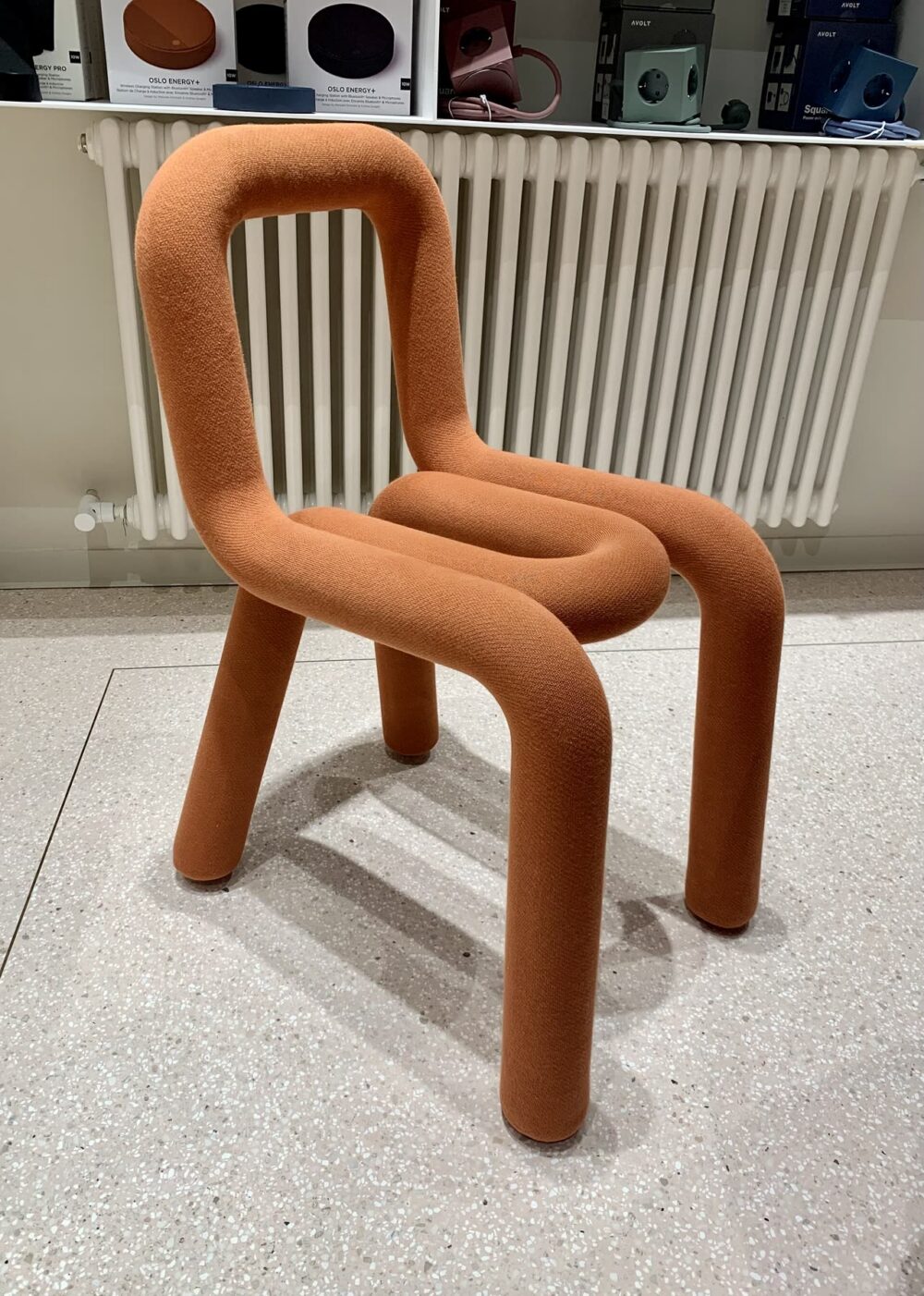
- All-foam children’s chairs. Canadian furniture retailers list frameless, all-foam kids’ chairs wrapped in shaggy plush fabric and marketed as playful, comfy seats for playrooms. Furniture Depot’s yellow all-foam children’s chair is a good example of this silhouette and positioning: Furniture Depot all-foam children’s chair.
- Plush character chairs. Big-box stores like Canadian Tire offer kids’ plush animal character chairs with polyurethane foam cores under soft polyester, described as cozy additions to a child’s room. See their listing style here: Canadian Tire kids’ plush animal character chairs.
- Foam loungers and small sofas. Sealy-branded foam loungers and similar products show up in Canadian Tire’s catalog as compact, high-density foam-based chairs for lounging, some of which work for older kids or shared family spaces, such as the Primo Tore Sealy foam chair lounger: Primo Tore foam chair lounger.
- Foam furniture sets. Specialty foam furniture retailers focus on soft, low-profile kids’ sofas and chairs designed specifically for playrooms. Soothing Company’s foam furniture collection is a clear example; their product copy highlights toddler foam chairs that are “soft, low” and aimed at kids’ spaces: Soothing Company foam furniture.
Separately, memory foam chair pads and cushions are sold as comfort add-ons rather than standalone seats. Foamite’s catalog of memory foam chair pads frames them as ergonomic cushions for existing chairs, not full chairs for kids: Foamite memory foam chair pads.
You’ll encounter these formats in different places:
- Big-box and furniture retailers (Canadian Tire, Best Buy, Simons, etc.) carry foam-filled armchairs, outdoor compression foam seating, and occasional kids’ models.
- Marketplaces carry a wide spread of toddler-specific foam chairs and character seats.
- Specialty foam furniture sites lean into all-foam kids’ sofas and modular seats for playrooms.
That mix is why platform choice matters: the type of site you shop changes which foam chair formats you’ll actually see.
Retailers vs Marketplaces vs Wholesale: How They Actually Work for Foam Chairs
A kids’ foam chair looks similar across sites, but the way it’s sold—and the risks—change by platform model.
How big-box and furniture retailers handle foam chairs
Mainstream retailers in Canada (including electronics chains with home categories) usually sell foam seating as part of a curated furniture range:
- Single brand or small brand set. For instance, Best Buy Canada lists outdoor compression foam sofa chairs from Deko Living in its home section: Best Buy foam sofa chairs.
- Consistent product data. You’ll typically see known dimensions, materials (polyurethane foam, polyester fabric), and intended use (indoor vs outdoor, adult vs child).
- Order pattern. These sites are built for 1-4 units, not 40. They may offer occasional volume discounts but aren’t optimized for wholesale.
Foam chairs on these platforms are positioned as finished furniture, often with a Canadian warehouse footprint. For a parent who wants a plush character chair or a single all-foam kids’ seat, this model keeps decisions simple.
Marketplaces and their toddler foam chair ecosystem
Retail marketplaces, where the site hosts many third-party sellers, behave differently.
On Amazon, searching “Toddler Foam Chairs” shows a long catalog of toddler-sized foam seats—bean bag alternatives, mini armchairs, character themes—sold by numerous brands and sellers, each with its own reviews and photos: Amazon Toddler Foam Chairs.
Key mechanics for buyers:
- Variety. Dozens or hundreds of toddler foam chair listings, including niche designs you won’t see at a big-box chain.
- Review-driven decisions. Customer ratings and review counts heavily influence what people buy. You can sort by rating, dig into photo reviews, and look for mentions of actual kid use (reading nook, playroom, TV time).
- Seller variation. Some listings are by well-known brands, others by small or overseas sellers. Quality, fabric feel, and foam density can vary a lot.
For a small ecommerce business, marketplaces can double as sourcing channels if you’re buying retail stock to resell. For most Canadian families, they’re the easiest way to compare lots of toddler-specific foam chairs in one place while still getting consumer-style reviews.
Wholesale and cross-border routes for foam seating and accessories
Wholesale-style platforms and cross-border marketplaces skew toward unit cost and bulk availability. Instead of finished kids’ chairs, you’re more likely to find:
- Memory foam seat cushions
- Lumbar supports and orthopedic pads
- Generic office or lounge cushions that could be paired with locally bought frames
DHgate, for example, lists various memory foam chair cushions and office seat pads from cross-border sellers. A snapshot taken on 2026-10-15 shows listings like:
| Product (DHgate listing) | Type | Price range (USD) | Notes |
|---|---|---|---|
| Seat Cushion Office Chair Cushions Pillow Memory Foam Pad | Cushion/decorative pillow | 33.00-33.85 | Multi-unit-friendly pricing; 5 reviews listed at snapshot time. |
| Chair Cushions Memory Foam Chair Pads Soft Seat Cushion Pads | Cushion/decorative pillow | 34.26-35.14 | Soft memory foam pads with straps, suitable for existing chairs. |
| Seat Cushion Office Chair Cushions Memory Foam Massage Cushion Pad | Cushion/decorative pillow | 17.52-36.04 | Massage-style memory foam seat cushion options. |
| Office Chair Cushion Memory Foam Padding Cushions | Cushion/decorative pillow | 36.37-40.47 | Circular memory foam pads for various chairs. |
| Memory Foam Seat Cushion Office Chair Cushion | Cushion/decorative pillow | 44.74-120.89 | Higher-priced orthopedic-style cushion options. |
Prices and availability on DHgate and similar platforms change over time, and each listing is run by an individual seller. For Canadian buyers, this route is more relevant if you:
- Need many seat cushions (for classrooms, libraries, or play areas) and want a lower per-unit cost.
- Are comfortable dealing with cross-border shipping, potential duties, and longer lead times.
- Plan to integrate cushions with locally purchased child-appropriate frames rather than buying one-piece kids’ foam chairs.
For a detailed look at how DHgate operates as a marketplace, you can read What DHgate is and how the marketplace works. If you’re comparing it with other international platforms, this comparison of DHgate vs AliExpress, Alibaba and Temu can help you frame the trade-offs.
Matching Your Foam Chair Use Case to the Right Platform Route
The best place to buy or source kids’ foam chairs depends less on the chair style and more on how you’ll use it.
Scenario 1: Single chair for a child’s room or play corner
If you’re a parent in Canada looking for one or two chairs:
- Big-box and furniture retailers are the most straightforward. Products like Canadian Tire’s plush animal character chairs or all-foam kids’ chairs from sites such as Furniture Depot come with clear specs and familiar return flows.
- Marketplaces are useful if your child wants a very specific look (certain character, color, or a bean bag alternative). Amazon’s toddler foam chair listings give you more design variety plus a large review base, but you’ll need to compare sellers carefully.
- Specialty foam furniture sites like Soothing Company are worth a look if you want the entire playroom to be soft, low, and foam-based, and you’re okay paying a bit more for that focus.
If you swap in a memory foam pad instead of a full chair (for a desk or study area), accessory sellers like Foamite’s memory foam chair pads are often enough, as long as the underlying chair is kid-appropriate.
Scenario 2: Daycare, preschool, or library play space
Here your needs change:
- You care about multiple identical chairs or cushions, not one unique character seat.
- Foam furniture needs to be low-profile and soft, so kids can move and fall around it with less risk.
A practical route is:
- Use specialty foam furniture retailers for core seating—low foam sofas and chairs that clearly target kids’ playrooms, as Soothing Company’s range does.
- Layer in foam cushions from wholesale or cross-border platforms if you need extra soft seating on benches or reading nooks, accepting that lead times and import charges can vary.
- Keep big-box retailers in the mix for occasional replacements or supplementary pieces (for example, plush character chairs that live in a quiet corner).
Scenario 3: Small ecommerce business reselling foam seating
If you run a small online shop targeting Canadian families:
- For branded kids’ foam chairs (character seats, licensed styles), buying from domestic distributors or big-box clearance can be safer from a compliance standpoint.
- For generic foam furniture (modular kids’ sofas, all-foam chairs), specialty foam furniture wholesalers or supplier programs can be useful if they exist for your region.
- For accessories (seat cushions, pads, some generic foam pieces), cross-border marketplaces such as DHgate may help lower landed cost, but you’ll need to test samples and confirm materials before building a line around them.
In this scenario, platform decisions intertwine with your business model. Retail marketplaces are better for early-stage, low-volume experiments; wholesale and cross-border are more relevant once you’re confident in a design and can handle longer procurement cycles.
For a broader view of how online marketplaces differ and where they fit in a sourcing strategy, see Compare online marketplaces and shopping platforms.
Whichever route you choose, think first about how many foam chairs or cushions you need, how often they’ll be used by kids, and whether you’re more constrained by budget or by specific design. That will point you toward the right platform type long before you start scrolling individual listings.