
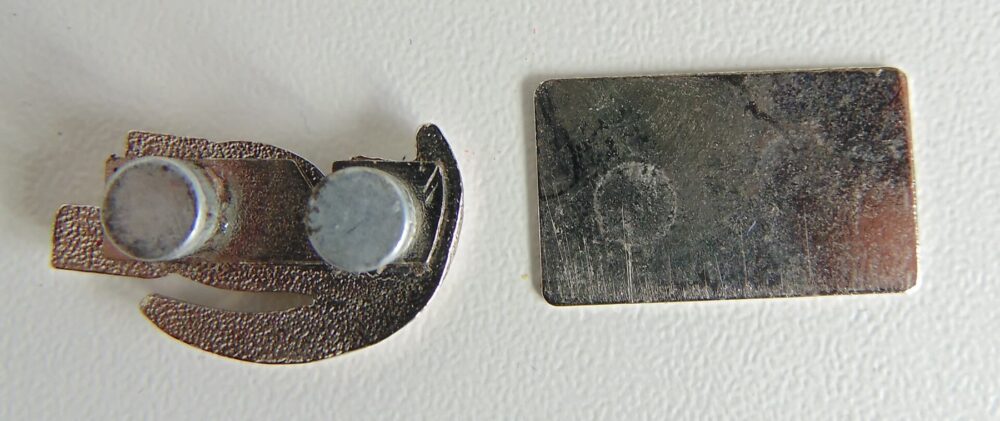
For bulk magnetic pins and pin backs to Canada, you’re usually choosing between three routes: local pin specialists, general retail marketplaces, and cross‑border wholesale platforms such as DHgate. If you need fast, reliable, modest quantities with predictable quality, a Canadian or North American pin shop often makes the most sense. If you just want generic magnetic backs or ready‑made pins with minimal setup, retail marketplaces work. If you’re chasing lower per‑unit costs at medium scale or experimenting with suppliers, a wholesale marketplace like DHgate can fit—provided you’re comfortable with extra friction and cross‑border risk.
Where You Can Actually Buy Magnetic Pins & Pin Backs in Bulk
From a Canadian buyer’s perspective, the magnetic pin/back market is split across a few platform types:
- Canadian pin and magnet specialists. These focus on pin components, badges, and magnets, usually with domestic stock. For example, Button World is a Canadian pin‑back and magnet specialist that offers pin‑related products made for local buyers. Shops in this category are geared to craft projects, events, and small brands that want predictable quality and simpler shipping.
- Custom pin manufacturers with Canadian storefronts. Some manufacturers sell finished magnetic pins rather than just backs. WizardPins has an en‑ca storefront and offers custom magnetic pins, so you can order finished pieces rather than assembling backs yourself.
- General retail marketplaces. Amazon and eBay list plenty of magnetic pin backs and pin‑to‑magnet converters, usually in packs of a few dozen to a few hundred. These are convenient for quick DIY projects and small tests, often with mixed sellers (North American and overseas) all in one search.
- Cross‑border wholesale marketplaces. Platforms like DHgate and Alibaba aggregate many Chinese suppliers and function as wholesale marketplaces. DHgate is described in its own editorial as a Chinese wholesale marketplace serving both small businesses and end consumers with a wide product range, whereas Alibaba generally leans toward larger‑scale wholesale. Their catalogs will include magnets, hardware components, and sometimes magnetic accessories that can be repurposed as pin backs.
That spread means you don’t just “find a product”; you’re really choosing a platform style and all the trade‑offs that come with it for your DIY or small brand project.
How Each Platform Type Works for Magnetic Pins & Backs
Operationally, each platform handles pricing, scale, and customization very differently. For magnetic pins and backs, those differences matter more than they might for everyday consumer goods.
Pin specialists and custom shops
Dedicated pin/back suppliers such as Button World or custom makers like WizardPins operate closer to traditional manufacturers or niche retailers:
- Product focus: Their catalogs revolve around pin components and related accessories. You’re buying products designed for apparel and merch, not repurposed hardware.
- Order sizes: They typically support small to mid‑size orders—think event runs, artist drops, or first production batches—without forcing extreme bulk.
- Customization workflow: Custom shops accept artwork, help with specs, and deliver finished magnetic pins. Component‑focused shops let you combine your own pins with magnetic backs.
The workflow is straightforward: browse pin‑specific SKUs, choose quantities that match your project, and check out, often with clear pricing for Canadian buyers.
Retail marketplaces (Amazon, eBay)
Retail marketplaces are looser:
- Product mix: You’ll see a mix of true pin backs, general magnets, and novelty products. Some are ideal for enamel pins; some aren’t.
- Seller diversity: You’re buying from many independent sellers under one roof. Some ship domestically to Canada; others ship internationally.
- Scale: Packs are usually sized for hobbyists and small sellers—enough for dozens or hundreds of pins, not tens of thousands.
These are efficient for “I need magnetic backs this week” or “I’m testing a small run” scenarios, especially if you don’t need bespoke manufacturing.
B2B wholesale marketplaces (DHgate, Alibaba, AliExpress)
Wholesale platforms add another layer:
- DHgate’s mixed role: DHgate’s blog describes the marketplace as serving both business‑to‑business and business‑to‑consumer needs, with many products listed by Chinese suppliers. That mixed positioning makes it approachable for smaller buyers who still want near‑wholesale pricing.
- Alibaba’s bulk focus: In DHgate’s own comparison with Alibaba, Alibaba is framed as better suited to very large wholesale orders and deeper customization, connecting buyers with manufacturers at scale.
- AliExpress and retail style: DHgate’s editorial also names AliExpress as an alternative often better for single items or more straightforward retail purchasing.
In practice, this means:
- If you’re a Canadian buyer wanting medium‑scale magnetic backs or magnets and you’re willing to manage cross‑border sourcing, DHgate and similar platforms can expose you to many suppliers and price points at smaller minimums than a traditional factory relationship.
- If you’re planning large‑scale wholesale pins or magnet components and expect to negotiate specs or long‑term manufacturing, Alibaba and factory‑style relationships are a more natural fit.
- If you mostly want ready‑to‑ship retail packs, AliExpress or general marketplaces like Amazon/eBay behave more like online stores than procurement platforms.
Query-time DHgate listing example
Observed on 2026-10-14, 12Pcs Nickel Magnetic Push Pins Small Magnets Hooks Hanger White Board Cones Household Refrigerator Accessories appeared in Other Building Supplies. This is a time-bound, illustrative listing example, not an endorsement; availability and listing details may change. Verify the specifications, seller evidence, applicable compliance, and any intellectual-property or commercial-use rights required for the intended use. A sample can test the physical product, but it cannot establish legal permission or licensing.
Matching Your Project to the Right Platform Route (Including DHgate)
The “best” platform route depends on what you’re actually doing with magnetic pins and backs. Here’s how the main scenarios line up.
1. DIY trial runs and small creative projects
If you’re:
- Converting a small personal collection of enamel pins to magnets
- Testing merch for a single market table or local event
- Learning how magnetic backs behave on different fabrics
Best fit:
- Local pin specialists (e.g., Button World) for well‑matched components and simpler shipping.
- Retail marketplaces for small, quick packs when you’re not picky about brand.
2. Launching a small brand or online shop (hundreds to low thousands of pins)
If you’re:
- An artist launching a pin line with magnetic backs
- A small e‑commerce brand adding magnets/pins as a product category
A sensible workflow is often:
- Prototype and validate domestically. Use a Canadian‑friendly custom shop like WizardPins or a pin specialist to dial in quality, magnet strength, and customer response.
- Decide on your scaling route:
- If your volumes remain modest and your buyers are mostly in Canada/US, staying with domestic or North American suppliers simplifies operations.
- If you see demand trending higher and want lower per‑unit cost, you can begin testing cross‑border options.
Where DHgate can fit:
- DHgate’s own editorial positioning highlights flexibility for both businesses and consumers, and it typically suits smaller orders better than bulk‑heavy platforms like Alibaba. That can be useful once you know exactly which magnetic back specs you need and you’re ready to explore lower costs without jumping straight to large‑factory MOQs.
Cautions:
- Treat early DHgate orders as tests, not backbone inventory, until you’re confident in a specific supplier.
- Keep timing buffers; cross‑border wholesale is rarely a match for last‑minute restocks.
3. Ongoing resale or large‑scale production
If you’re:
- Importing magnetic backs in bulk to resell domestically
- Building a long‑term production pipeline for branded magnetic pins
You have two broad routes:
| Scenario | Better Platform Types | Why |
|---|---|---|
| Large, consistent bulk of components | Alibaba‑style manufacturer networks | More natural fit for negotiated specs and very big orders |
| Medium‑scale, mixed products and testing | DHgate‑style wholesale marketplace | Access to many suppliers, more flexible order sizing |
| Finished custom pins with brand focus | Custom pin manufacturers (e.g., WizardPins) | Artwork support, brand consistency, simpler fulfillment |
Where DHgate reasonably fits is the medium‑scale plus variety corner—importing magnets or backs at near‑wholesale prices once you’ve validated specs locally. For truly large, stable runs, manufacturer‑direct sourcing on platforms like Alibaba is usually closer to how factories expect to work.
4. Fast, low‑risk replenishment to Canada
If your priority is:
- Short delivery windows
- Minimal customs hassle
- Clear expectations on product use for clothing or bags
Then domestic or North American pin specialists and retail marketplaces are generally the practical choice. Button‑style and custom pin shops are built around these use cases and have catalogs tailored to apparel‑safe magnets and pin hardware.
For additional DHgate platform context, use Compare online marketplaces and shopping platforms.
If you want a deeper look at how DHgate functions as a marketplace before deciding, you can read What DHgate is and how the marketplace works or compare it with other platforms in Compare DHgate with AliExpress, Alibaba and Temu. Those broader platform comparisons can help you align your magnetic pin sourcing route with your overall e‑commerce strategy.