
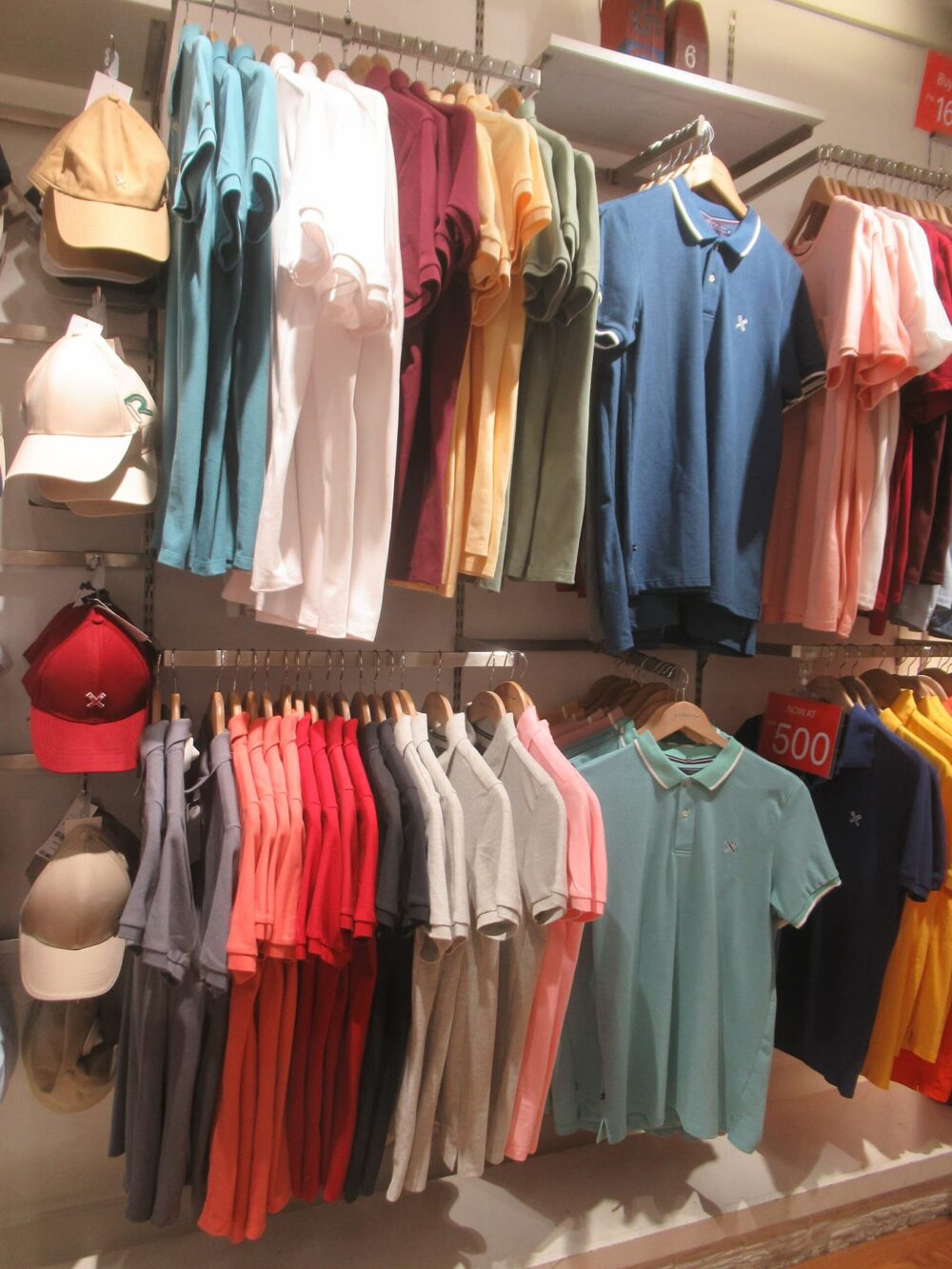
Your best route for sourcing wholesale blank t‑shirts and basic apparel depends on how big your orders are, how customized the garments need to be, and how much supplier management you can realistically handle. For small to mid‑size runs (roughly dozens to a few hundred pieces) where you want ready‑made blanks or light customization and don’t want to manage factories directly, online B2B marketplaces like DHgate are practical. For large orders, deeper brand‑level customization, or long‑term programs, direct factory relationships or trade shows generally give more control and better unit economics.
This guide looks at the main sourcing channels for wholesale tees and apparel and shows where DHgate fits, using real listing snapshots and high‑level comparisons rather than platform hype.
How Wholesale Tee & Apparel Sourcing Shifts as Your Order Grows
For tees and basic apparel, most buyers end up choosing among four broad channels:
- Online B2B marketplaces (DHgate, Alibaba, Made‑in‑China, etc.)
- Domestic distributors and wholesalers
- Direct overseas factories
- Physical trade shows and wholesale markets
The trade‑offs change quickly as your order size grows.
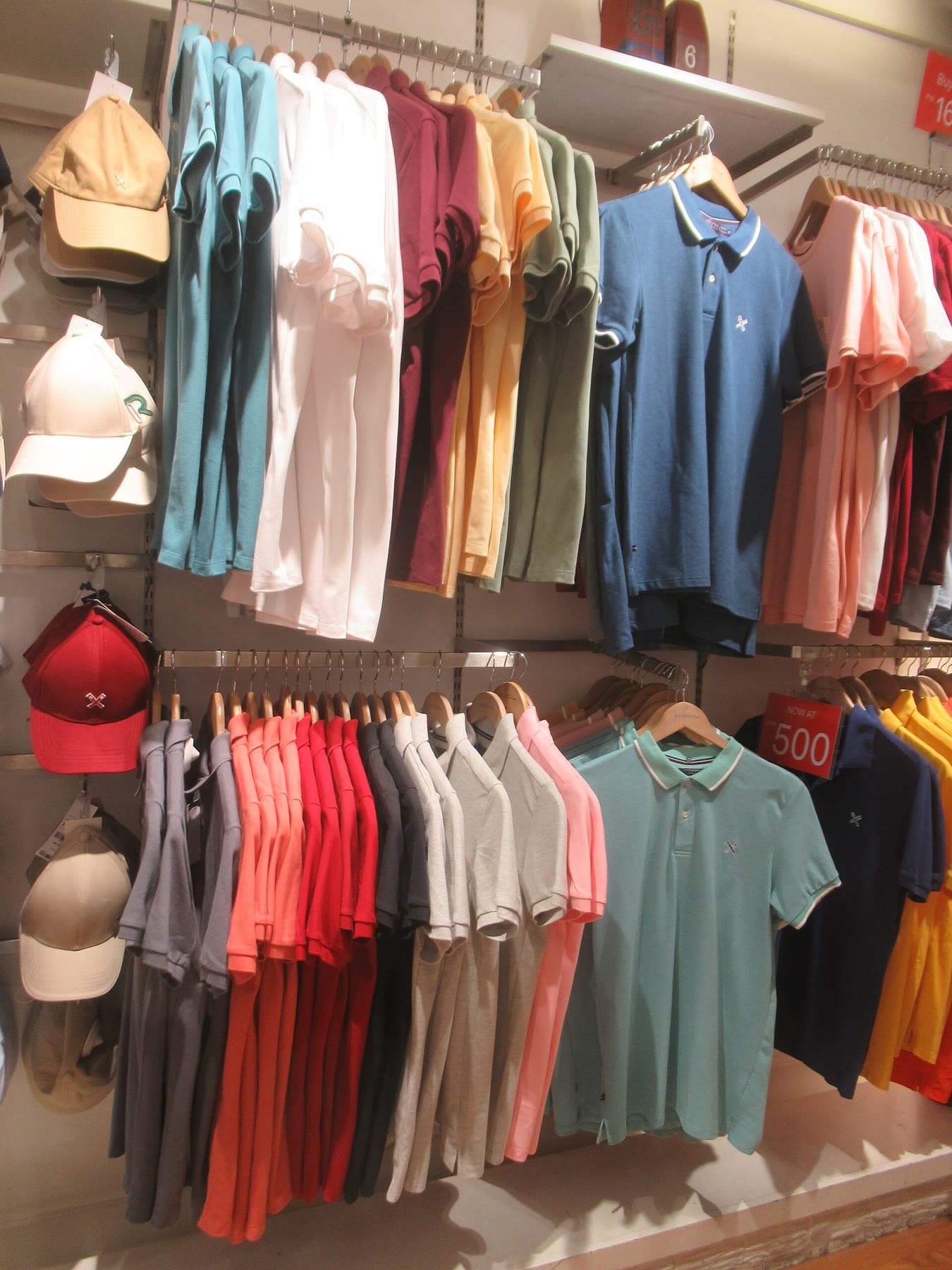
Small orders: testing a new t‑shirt idea (20-200 pcs)
If you’re a US print shop trying a new design or an AE‑based exporter probing demand, you usually care about:
- Low or flexible MOQs
- Fast availability of blanks
- Simple communication and payment
Domestic distributors and blank brands (for example, those listed on US‑focused sites like BlankwearCo’s brand page) are strong here: consistent quality, standard sizing, but higher landed cost.
The DHgate editorial blog describes DHgate as a B2B marketplace that connects mainly China‑based suppliers with global buyers, emphasizing that minimum order requirements reported there tend to be lower than on some rivals like Global Sources or Alibaba. That aligns with the platform’s wide range of small‑batch tee listings with tiered pricing and no obvious platform‑level MOQ.
Medium orders: a growing online brand (200-2,000 pcs)
Once you’re ordering a few hundred to a couple thousand tees at a time, unit cost, branding options, and supply‑chain reliability matter more:
- You want price breaks at higher quantities.
- You may need basic customization (neck tags, embroidery, simple prints).
- You’re still testing styles but care about repeatability.
Marketplaces like DHgate, Alibaba, and Made‑in‑China sit in the middle: they give access to many suppliers with tiered pricing, and you can negotiate customization case by case, but you still need to vet each seller and manage details yourself.
Large orders and brand programs (2,000+ pcs, recurring)
For a streetwear label scaling in the US or an AE exporter serving multiple clients, the priorities shift:
- Consistent fabric specs and fit across seasons
- Deeper customization (unique patterns, washes, trims, packaging)
- Long‑term pricing and production planning
Here, direct factory relationships or trade shows are usually more efficient than marketplaces. You put more effort into supplier selection up front, then reap predictability and per‑unit savings over time. Platforms that the DHgate blog frames as better for large or heavily customized orders, like Made‑in‑China and on‑the‑ground markets linked to Yiwugo, fall more into this bucket.
Channels Compared: Marketplaces, Factories, Distributors, Trade Shows
| Channel type | Typical order fit | Customization depth | Buyer workload & risk (relative) |
|---|---|---|---|
| Cross-border multi-seller & similar B2B marketplaces | Small to mid wholesale (tens to low thousands of pcs) | Light–medium: prints, embroidery, basic label changes, depending on seller | Moderate: many choices but need to vet sellers, manage QC and logistics per listing |
| Domestic distributors | Small–medium, frequent reorders | Very light: blanks plus occasional relabeling | Low–moderate: easier communication, stronger consumer expectations, but fewer styles |
| Direct overseas factories | Medium–large; ongoing programs | High: custom fabrics, patterns, full brand packages | High upfront: factory search, sampling, audits, but more control once set up |
| Trade shows / wholesale markets | Medium–large; multi‑style buys | Medium–high depending on factory contacts made | High in person: travel, negotiation, but strong firsthand product insight |
From AE into the US market, you might mix these. For example, you could prototype designs on DHgate or domestic blanks, then move your winning styles to a direct factory relationship once volumes justify the extra work.
For more channel‑level nuance on apparel sourcing beyond tees, HoopTalent’s wholesale clothing guide offers a directory‑focused perspective that broadly supports this workload vs control trade‑off.
DHgate vs Alibaba, Made‑in‑China, and Trade Routes
The DHgate blog on Chinese wholesale clothing websites sketches a rough positioning:
- DHgate is described as a niche wholesale platform set up to let global buyers purchase Chinese goods in small amounts at wholesale prices, with minimum order requirements reported as lower than major rivals like Alibaba and Global Sources.
- Made‑in‑China is framed as better suited to large orders and more customized products, often for traders who want direct‑order clothing and heavy industrial categories.
- Yiwugo is described as tied to the Yiwu commodity market, focused on ultra‑cheap small commodities where clothing often has MOQs above 10 pieces and prices are extremely low.
On top of that blog framing, broader industry sources like B2B Headlines’ apparel marketplace overview emphasize that marketplaces differ in how they balance MOQs, specialization, and user experience. That reinforces the idea that DHgate’s sweet spot is smaller wholesale orders across a huge catalog, while other platforms tilt toward either bigger industrial‑style deals or rock‑bottom commodity pricing.
Direct factories and trade shows aren’t platforms, but they compete with marketplaces. Factory sourcing and trade shows usually trade convenience for control: fewer middlemen, more room to engineer your own tee spec, and more responsibility for vetting labor standards, capacity, and compliance.
DHgate Listing Snapshot: Real Tee Pricing and Customization (2026-10-14)
To keep this grounded, here are a few tee and polo listings observed on DHgate on 2026-10-14. Prices and availability are snapshots only and can change at any time.
- Men’s business polo, low unit price
Listing: “Specialized in manufacturing high-quality, latest short-sleeve men’s polo shirts for business” Category: Men’s T‑Shirts Snapshot price range: USD 1.70-1.84 per piece.
- Basic solid tee with optional custom embroidery/printing
Listing: “Hot-selling men’s clothing, pure cotton t-shirts, custom multi-color embroidery and printing, wholesale t-shirts” Category: Men’s T‑Shirts Snapshot price range: USD 3.86-4.35 per piece. Title explicitly mentions custom embroidery and printing.
- Plain solid basic tee blank
Listing: “Men’s short-sleeve T-shirt, basic style, solid color top, half-sleeve base shirt, round neck” Category: Men’s T‑Shirts Snapshot price range: USD 3.86-4.35 per piece.
These examples support the DHgate blog’s general observation that tee and polo pricing on the platform uses tiered ranges where per‑unit cost drops as quantities rise. They also illustrate how customization options are often signaled right in the listing title (e.g., “custom multi‑color embroidery and printing”), rather than via a separate configuration workflow.
For buyers, that means you’ll often need to message the seller and clarify:
- What types of printing or embroidery they actually offer (screen, DTG, vinyl, etc.)
- Minimum quantity for customization versus plain blanks
- Whether the quoted price includes customization or just the blank garment
Those details vary by listing and seller; they’re not guaranteed by DHgate as a whole.
When DHgate Is a Good Fit for Wholesale Tees — and When It Isn’t
Good‑fit scenarios
Based on the platform positioning and listing snapshots, DHgate tends to work well when:
- You need small–mid wholesale runs. You might order 50-500 polos or tees across sizes and colors. Lower reported MOQs and tiered pricing help you avoid over‑buying.
- You want basic blanks or light customization. Many listings, like the custom embroidery tee above, offer simple brand touches without requiring factory‑level design work.
- You value choice. DHgate’s blog highlights a very large clothing inventory; in practice, you’ll see thousands of tee and polo SKUs across fabrics and styles.
Poor‑fit scenarios
DHgate is less likely to be your best route when:
- You’re building a fully custom, brand‑engineered tee. If you need proprietary fabric blends, unique patterns, complex washes, or detailed compliance documentation, direct factories or platforms more oriented to custom manufacturing (such as vendors you might find through Made‑in‑China) are usually stronger.
- Volumes are very high and recurring. Once you’re in the thousands of pieces per drop on a predictable schedule, the per‑unit savings and production control of direct factory contracts or trade‑show‑driven relationships tend to outweigh marketplace convenience.
- You must minimize cross‑border complexity. For some small US brands, paying more for domestic blanks and short lead times can be smarter than learning international logistics for relatively modest savings.
If your t‑shirt business is shifting from one‑off online drops to a structured apparel program, it can be useful to treat DHgate as a prototyping and small‑batch sourcing tool, then gradually transition successful styles to a more intensive factory or trade‑show route.
Query-time DHgate listing example
Observed on 2026-10-14, High-quality custom t-shirt wholesale appeared in Men’s T-Shirts. This is a time-bound, illustrative listing example, not an endorsement; availability and listing details may change. Verify the specifications, seller evidence, applicable compliance, and any intellectual-property or commercial-use rights required for the intended use. A sample can test the physical product, but it cannot establish legal permission or licensing.
Matching Your T‑Shirt Idea to a Sourcing Route
To bring this back to decisions:
- Use domestic distributors when speed, consistent quality, and simple operations matter more than margin.
- Use DHgate or similar marketplaces when you want lots of tee options, modest quantities, and basic customization without committing to a single factory yet.
- Use direct factories or Made‑in‑China‑style sourcing when you’re ready for custom specs, higher volumes, and a long‑term brand program.
- Use trade shows when firsthand fabric inspection, face‑to‑face negotiation, and building a small stable of core suppliers is worth the travel.
Before choosing a DHgate supplier, use Find wholesale suppliers on DHgate, Find DHgate suppliers, and Choose a DHgate wholesale supplier.
The right path can change as your t‑shirt business grows, so think of these channels as stages rather than mutually exclusive choices.