
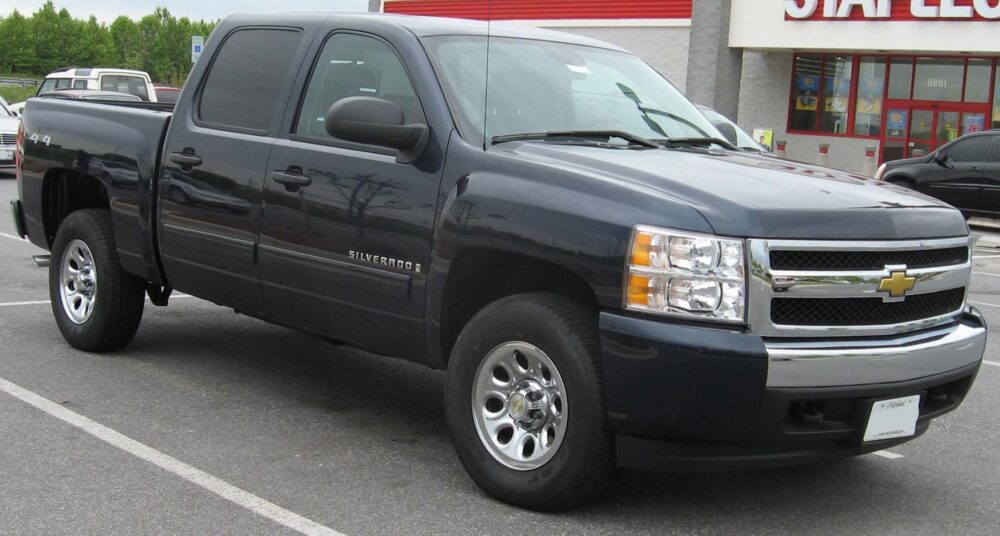
Genuine Chevrolet Silverado bumper assemblies rarely come from generic global marketplaces, even when listings say “OEM.” For most US repair shops, resellers, and fleet operators, dealer-linked GM parts sites and bumper-focused distributors are the practical routes for verified OEM components. Platforms like DHgate can contribute on price-sensitive accessories around the bumper — sensors, lights, trim — but they’re not a low-effort path to documented GM bumper assemblies.
If you handle collision work or sell replacements where liability and fitment really matter, expect to source bumper beams, covers, and absorber/impact components through OEM-focused channels and treat cross‑border marketplaces as a secondary add‑on for non-critical parts.
How OEM Silverado Bumpers Move Through the Supply Chain
On a Silverado, “OEM” means the bumper was manufactured for General Motors and matches the exact part number and specifications used at the factory. That bumper usually enters the market through GM’s own parts network:
- GM dealer parts departments and dealer-linked sites – Online retailers such as ChevyPartsDeal, GMPartsGiant, and GMPartsDirect focus on factory part numbers. They list components like lower covers, brackets, and bumper assemblies tied to VIN or trim. These are common channels when you need a documented GM part.
- OEM-style and aftermarket replacements – Brands carried by specialist sites fill the gap between full OEM and lower-cost alternatives. The bumper replacement guide from Painted OEM Parts explains practical distinctions: true OEM, OEM-style (built to resemble factory), and aftermarket with different materials or designs.
- Bumper-focused distributors – Companies like Oil City Bumper Co and BumperOnly concentrate on fitment for Silverado and Sierra. Some carry OEM or OE-style parts; others focus on heavy-duty or off-road options. Their fitment guides show how generation changes (e.g., 2007 Classic vs 2007.5 new body, HD vs 1500) materially affect bumper compatibility.
Open, cross‑border marketplaces — whether DHgate, Alibaba, or similar — generally sit outside GM’s official pipeline. Sellers may advertise “OEM” or use GM part numbers, but you don’t get the same built-in connection to GM’s distribution that you do from dealer-linked or established US bumper distributors. That’s why verifying claims is much more work.
Choosing Suppliers by Order Size and Authenticity Requirements
The best sourcing route changes a lot depending on how many bumpers you buy and how much risk you can absorb. Here’s a compact view of the main channels:
| Scenario / Need | Dealer-linked OEM sites (e.g., ChevyPartsDeal) | Bumper specialists (e.g., Oil City, BumperOnly) | General marketplaces (incl. DHgate) |
|---|---|---|---|
| Single repair, insurance claim | Strong fit: VIN-based part matching, OEM focus | Good for alternatives; may carry OEM-style | Weak: OEM claims hard to verify |
| Small retail inventory (5-20 bumpers) | Reliable but higher prices, less negotiation | Good mix of OEM-style & aftermarket options | Better for accessories than housings |
| Fleet / repeat collision work | Strong when OEM mandated by policy | Useful for standardized aftermarket upgrades | Use mainly for sensors, lights, trim |
| Custom/HD or off-road bumpers | Limited; mostly stock-style parts | Often core focus; steel, HD, ranch-style | Some niche options; fitment more variable |
| Buyer workload to verify authenticity | Low–medium: match VIN/part number | Medium: confirm brand, spec, fitment | High: chase evidence for each listing |
Low volume, high authenticity (body shops, insurance work)
If you’re repairing a single 2026 Silverado front end for an insurance job, OEM documentation matters more than shaving 10% off the cost. In that case:
- Use dealer-linked GM parts sites to match part numbers precisely.
- Lean on VIN lookup and trim filters rather than generic “Silverado bumper” searches.
- Treat bumper specialists as a source of options if the customer wants HD or off-road upgrades, not a direct OEM replacement.
The verification work here is mostly part-number matching and confirming generation/body style, which sites like BumperOnly’s fitment guide illustrate clearly.
Small ecommerce inventory or local retail
If you run a small online store or local outfit selling Silverado bumpers and related parts:
- Dealer-linked OEM channels keep your catalog safe but squeeze margins.
- Bumper specialists let you stock OEM-style and aftermarket options at different price points and materials.
- General marketplaces can supply lower-cost complementary parts — think parking sensors, license light housings, bumper lights — but using them for full bumper assemblies means you shoulder most of the authenticity verification.
Your workload shifts from simple VIN lookups to building your own evidence stack: manufacturer names, detailed specs, and consistent labeling for each source.
Fleet and high-volume collision work
For fleets, repeat collision jobs, or regional refurbishers, the mix often looks like this:
- OEM parts via dealer channels where policies demand factory components.
- Aftermarket bumpers from HD-focused brands (often sold by specialist distributors) when durability or price trump strict OEM.
- Marketplace-sourced sensors, trim, and lighting where the risk of non-OEM is lower and price competition is useful.
The bigger your volume, the more value there is in standardizing part numbers and brands so you’re not re-verifying fitment on every order.
Where Cross-Border Platforms Like DHgate Fit in Your Sourcing Mix
DHgate’s own editorial describes it as a large wholesale marketplace with significant auto parts selection and competitive pricing for bulk buyers, but the current Silverado-related listings tell you a lot about what it’s actually useful for.
DHgate listing snapshot (2026-10-14)
On 2026-10-14, a search focused on Silverado bumper-related items surfaced accessories and minor components rather than full bumper housings:
- Rear bumper license light housings – Example: a 2-piece “Auto Rear Bumper License Light Cover Housing For Chevrolet Avalanche Silverado” (listing) in an auto accessories category, with a price range around USD 20.87-21.41 and no stated MOQ.
- Parking aid sensors – A “Parking Sensor Bumper Aid Backup PDC 23130107 for GM Silverado” (listing) priced roughly USD 19.45-19.95, in a parking sensor category.
- Bumper-related sensors packs – A set labeled “SORGHUM 23428268 4PCS 1PC For Chevrolet Silverado… Bumper Parking Aid Sensor” (listing) with a wider price band (USD 27.47-73.15) depending on quantity.
- Lighting near the bumper – A “Front Bumper White DRL w/ Sequential Amber Turn Signal Light For Chevrolet… Silverado” (listing) in a lighting category, with prices in the roughly USD 189-194 range.
Across these listings, there were no complete GM Silverado bumper assemblies with clear OEM provenance in the snapshot, and MOQ fields were often blank. Prices and availability can change, but this snapshot supports a cautious conclusion: DHgate currently looks more like a source for small bumper-related components than for full, verifiable OEM bumper housings.
Practical ways to use DHgate in a Silverado bumper program
Given that pattern, DHgate makes the most sense when you:
- Need to cut costs on peripheral parts like sensor kits, license light housings, or LED DRLs that sit in or near the bumper.
- Keep core safety and structure — the bumper beam, cover, absorbers — in your dealer/OEM or specialist bumper supplier channels.
For buyers building a broader DHgate sourcing strategy beyond bumpers, internal guides such as finding wholesale suppliers on DHgate, finding DHgate suppliers, and choosing a DHgate wholesale supplier can help systematize seller vetting. But for Silverado bumper assemblies specifically, treat DHgate as an accessory channel, not your primary OEM source.
A Simple Sourcing Workflow for Silverado Bumper Stock
If you’re setting up or refining your sourcing, a lean workflow helps avoid misorders and authenticity disputes:
- Lock fitment first. Identify model year, generation (e.g., Classic vs new body), 1500 vs HD, and any option packages that affect bumper design. BumperOnly’s fitment guide for 2003-2026 trucks shows how quickly compatibility changes by year and body style.
- Decide your authenticity tier. For collision/insurance work, plan to buy core bumper structures via OEM-focused sites or dealer networks. For retail or fleets, decide where aftermarket or OEM-style parts are acceptable.
- Map suppliers to each part category.
- Bumper beams and covers: dealer-linked OEM sites or bumper specialists.
- Sensors, harnesses, lighting: mix of OEM/aftermarket via US distributors plus selective cross-border marketplace sourcing for cost-sensitive items.
- Standardize part numbers and brands. Build your own catalog of GM part numbers and accepted aftermarket SKUs so each new order is a lookup exercise, not a fresh investigation.