
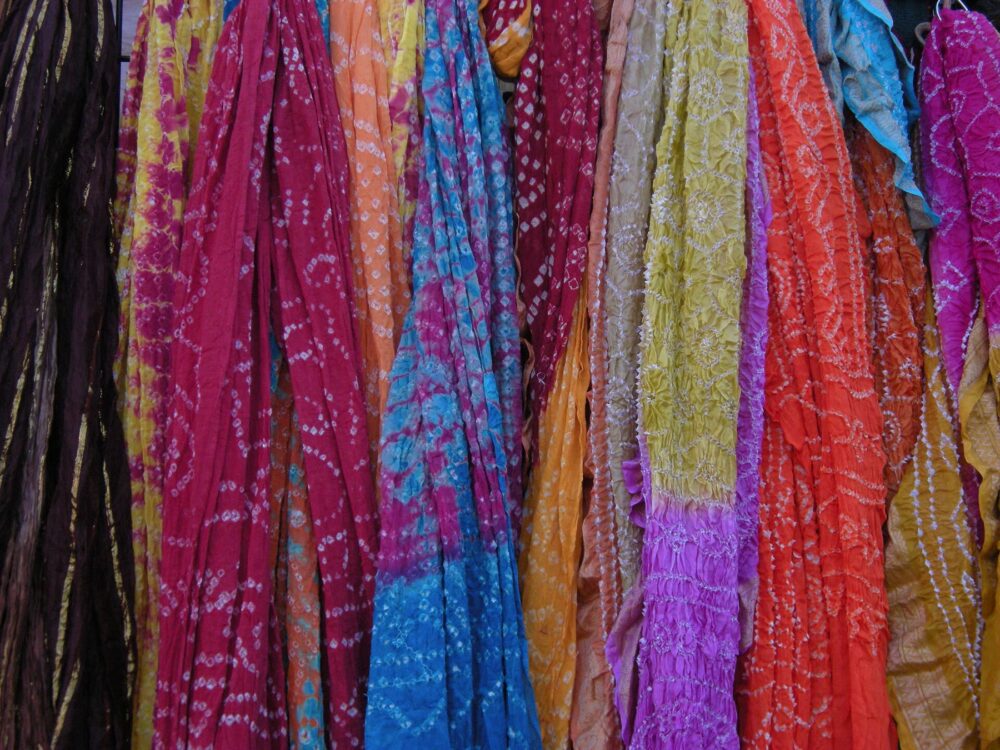
Wholesale scarves and pashminas means buying bundles of scarves, shawls, and wraps in bulk from manufacturers or importers, then reselling them at retail or on your own wholesale terms. For a US small business, the real work is choosing fabrics and tiers (budget acrylic vs. wool and cashmere), lining up one or two dependable suppliers, and setting order quantities and pricing so your landed cost leaves enough margin after shipping and fees.
You don’t need to start by importing a container from overseas. A practical path is: validate your niche and target price band, test assortments using low-risk suppliers, then expand into cross-border sourcing once you know which styles and fabrics actually sell.
How Wholesale Scarves and Pashminas Work for Small US Sellers
Scarves and pashminas sit in a fairly simple textile supply chain, but several layers can touch your order:
- Yarn and fabric mills spin cashmere, wool, cotton, modal, viscose, acrylic, silk blends, and sometimes specialty fibers like bamboo.
- Weaving/knitting and finishing units turn those into woven shawls, knitted scarves, printed satin squares, brushed blanket wraps, etc.
- Regional wholesalers and export houses in hubs like India (especially for pashmina-style and Kashmiri-inspired shawls, as shown by specialist sites such as Kashmirstorz) and China consolidate styles, add labels or packaging, and sell both domestically and abroad.
- US importers and distributors buy from these producers in bulk, handle freight and customs, then resell cartons to boutiques and ecommerce sellers.
As a US buyer, you can plug into this chain at different points:
- Buy from US-based scarf wholesalers who already imported and cleared the goods.
- Buy direct from manufacturers or export houses overseas once your volume and capital justify the complexity.
- Use online marketplaces to access overseas suppliers at small to mid-size order volumes.
For product planning, think in three bands:
- Value scarves: acrylic, polyester, light viscose. Good for impulse buys, gifts, and mass styles.
- Mid-range shawls/pashmina-style wraps: wool blends, modal/viscose blends with better handfeel and drape.
- Premium: higher cashmere content, fine wool, or silk blends, often from more specialized regions.
Your target retail price (for example, $18–$25 for a mid-range winter scarf, or $40+ for premium wool/cashmere) should dictate where in that supply chain you try to buy and which fabrics you prioritize.
Choosing and Working With Scarf and Pashmina Suppliers
Profit in this category depends heavily on supplier choice: fabric, weave, finishing, and consistency matter more than saving a few cents per unit.
What to look for in a supplier
When you review potential partners (whether domestic or overseas), make your checks specific to scarves and pashminas:
- Fabric transparency: Clear fiber content (“100% wool” vs. “cashmere blend” vs. “acrylic”) and GSM/weight for each style.
- Range and focus: Do they specialize in shawls and pashminas, or sell scarves as an add-on? Specialist players, like those highlighted in shawl guides such as Savita Shawls, often show deeper fabric and pattern expertise.
- Construction details: Hem type, fringe quality, pattern alignment, and whether prints bleed through.
- Repeatability: Can they reproduce the same style in future seasons, or are lots one-off?
For US-based wholesalers (for example, businesses described on sites like NY Wholesale Scarves), you can often see fabric ranges (pashmina shawls, ponchos, kimonos, etc.) and use that to match your niche: winter wraps vs. year-round lightweight scarves vs. boho shawls.
Fabric and quality checks: a practical mini-checklist
Before committing to bulk, order samples and check them like your best customer would:
- Handfeel: Is the surface smooth or scratchy at the neck? Cheap acrylic can look good in photos but feel harsh.
- Drape: Does the scarf hang and wrap easily, or is it stiff? Pashmina-style shawls should drape softly.
- Pilling test: Rub the fabric against itself; does it start to fuzz quickly?
- Colorfastness: Lightly dampen a white cloth and rub on a dark area to see if dye transfers.
- Labeling potential: Is there space for your own brand tag or care label without damaging the piece?
For premium pashmina-style products, ask specifically about fiber origin and blend. A “cashmere” listing may actually be a wool or acrylic blend; those can still be profitable, but you should retail and price them as blends, not true luxury cashmere.
Building communication habits that protect you
Scarves and pashminas are seasonal, so miscommunication on colorways or ship dates can ruin a selling window. Set up a simple but disciplined way of working:
- Use a shared spreadsheet with SKU codes, fabric composition, and agreed unit prices.
- Confirm color names using photos and, ideally, a numeric system (e.g., “Color 03 – wine red”).
- Lock in pack ratios per style (e.g., 12 units: 3 black, 3 camel, 2 grey, 2 navy, 2 burgundy) so you don’t get boxes full of just one color.
- Keep records of all approvals (sample sign-off, artwork, packaging) before bulk production.
General wholesale fashion advice, including DHgate editorial pieces on sleepwear sourcing, stresses one core point that applies strongly here: don’t pick your supplier purely on lowest unit price. For scarves and pashminas, a partner who consistently delivers clean weaves and accurate fiber content is worth paying a bit more for.
Order Setup, Costs, and Sourcing Channels (Including Marketplaces)
How MOQs, pricing, and customization usually work
Minimum order quantities (MOQs) for scarves and pashminas vary widely:
- Domestic wholesalers may let you buy by the case or even per piece, as long as you hit a low total (for example, a mixed case of 24-48 units).
- Overseas manufacturers often set MOQs per color or design. For basic solids, that can be more flexible; for custom prints or woven patterns, expect higher MOQs.
- Marketplaces and small export houses may accept very small orders per style (often dozens of units), which makes them useful for testing new assortments.
Customization options include color selection from an existing palette, choice of fringe vs. clean hems, your own hangtags or polybags, and full private-label work (your brand woven into the scarf or shawl). Private-label usually requires a higher MOQ and a longer lead time.
A simple landed-cost sanity check
You don’t need exact numbers to build a basic margin check. For each style, tally:
- Product cost per unit at wholesale.
- Freight and handling per unit (divide total shipping and handling fees by units in the shipment).
- Any duties, brokerage, and other import-related fees, allocated per unit.
- Overhead per unit: packaging, storage, website fees, marketing share.
If a mid-range “cashmere blend” winter scarf costs you about $17 landed from a cross-border supplier, you may target a retail of around $40–$50 to leave room for promotions and overhead. For budget acrylic scarves landing at $5–$8, a $18–$25 retail can work in many US markets. Adjust these editorial heuristics to your audience and channel, but always do the math before scaling orders.
Comparing sourcing channels for scarves and pashminas
Here’s a compact view of the main routes US small sellers use:
| Sourcing route | Typical use case | Pros (editorial judgment) | Trade-offs (editorial judgment) |
|---|---|---|---|
| US importers/wholesalers | Boutiques testing styles with modest capital | Simple purchasing, fast restock, clear returns policies per seller | Higher unit cost, fewer deep custom options |
| Direct overseas manufacturers/exporters | Growing brands seeking control and better margins | Lower unit cost at scale, deeper fabric and design control | Higher MOQs, complex logistics, longer lead times |
| Global wholesale marketplaces | Small to mid-size orders and trend testing | Wide assortment, relatively low per-style MOQs, easy discovery | Need careful seller vetting; prices, quality, and terms vary by seller |
You don’t have to choose only one. Many US scarf businesses start with domestic wholesalers for core stock, then layer in marketplace orders or direct factory relationships for trend-led or premium styles once they prove demand.
One marketplace snapshot (including DHgate)
Marketplaces can give you a sense of realistic wholesale price bands. On 2026-10-14, DHgate listings for scarves and pashmina-style shawls showed, for example:
- A “Scarves Winter Cashmere Women Scarf” style listed at about $16.05–$17.88 per unit, tagged as scarves and described as a solid winter pashmina-style wrap (product page).
- A “Winter Scarf Women Cashmere Warm Pashmina” solid long stole at roughly $15.66–$18.22 (product page).
- A “Women Winter Scarf Paisley Print Cashmere Pashmina” patterned wrap around $26.72–$29.62 (product page).
- Higher-priced wool and cashmere shawls, such as a “100% wool womens solid shawl” style, in the $53.52–$56.06 range (product page).
Prices and availability change frequently, and each listing is controlled by an individual seller, but this snapshot shows how blended “cashmere” scarves often cluster in the mid-teens to around $30, while higher wool content pieces sit much higher.
If you use DHgate or similar marketplaces for sourcing, treat them as discovery and test channels rather than automatic best options. Cross-check sellers carefully: look for clear fabric descriptions, consistent photography, any available ratings/reviews, and sample before committing to larger orders. For structured help evaluating sellers there, you can use DHgateWiki’s guides on finding wholesale suppliers on DHgate, finding DHgate suppliers, and choosing a DHgate wholesale supplier.
The most resilient scarf and pashmina businesses mix channels: domestic wholesalers for predictable bread-and-butter styles, marketplace or cross-border sourcing for variety and margins once the math works, and, over time, direct factory relationships for the designs you rely on season after season.