
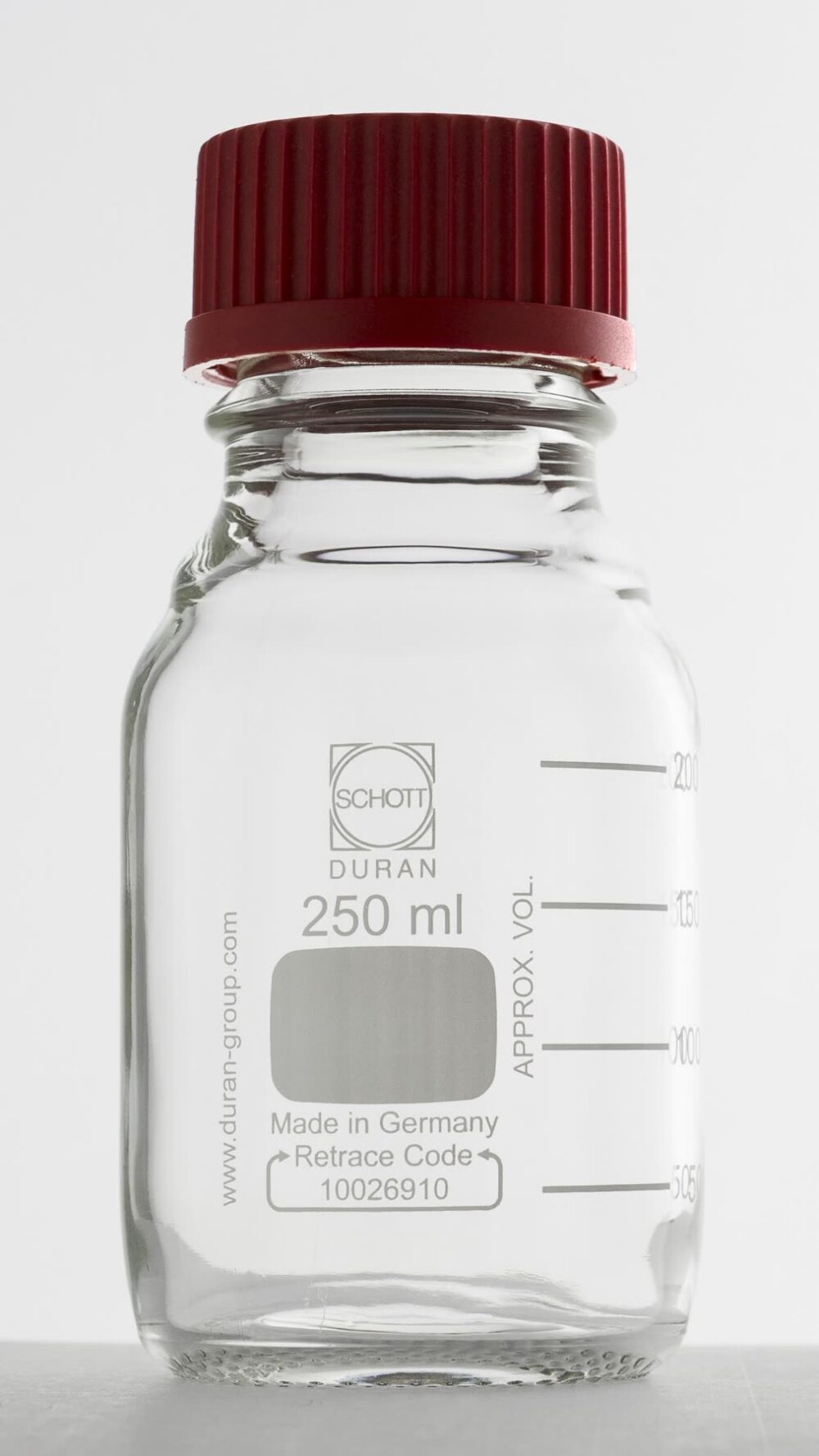
This guide focuses on that practical side: how the food‑use bottle supply chain works, how to search and evaluate DHgate suppliers, and when your project is better served by other sourcing routes.
Understanding Wholesale Bottle Sourcing for Food Use
Food-use bottles sit in a specialised slice of the packaging supply chain. Most brands don’t make bottles themselves; they buy from packaging manufacturers or OEM factories that run moulds for many clients and tweak designs, colours, closures, and labels as needed.
For cross‑border sourcing, those manufacturers are heavily concentrated in China and other Asian hubs. A typical path looks like:
- Generic stock bottles: standard PET, HDPE, glass, or PE shapes that factories run continuously. You choose capacities, neck finishes, and closures, then add labels or sleeves.
- Semi‑custom bottles: existing shapes with custom colours, logos embossed in the mould, or bespoke caps/pumps.
- Full OEM bottles: entirely new bottle designs, with tooling costs, engineering drawings, and longer lead times.
DHgate sits at the connection point between these manufacturers and smaller buyers. Its own editorial guidance describes it as a way to source products directly from factories and component suppliers, and recommends buyers define material specs, search via keywords, review supplier ratings, and order samples before bulk orders.
For food‑use packaging, that “define and verify” step is non‑negotiable. You’ll need to specify:
- Resin type (e.g., PET, HDPE) or glass type
- Intended contents (oil, sauce, juice, water, dry goods)
- Region of sale (Australia, possibly exports to US/EU)
- Required standards (e.g., food‑contact compliance under Australian/New Zealand food law, or equivalents recognized by your regulator)
DHgate can help you reach OEM bottle makers and custom packaging suppliers, but regulatory compliance and sustainability claims still sit outside the platform. Those must be proven directly by the supplier with test reports and certificates.
Finding and Evaluating Bottle Suppliers on DHgate
To use DHgate effectively for bottle sourcing, you’ll need a disciplined search and vetting process. The goal isn’t just to “find bottles,” but to shortlist suppliers that could meet food‑use and sustainability requirements once you’ve verified them.
1. Start with specific keyword and category searches
On the DHgate homepage, use the search bar with very targeted phrases instead of generic “bottle”:
- “packaging bottles PET” or “HDPE packaging bottles” if you’re looking for plastic containers suitable for industrial filling lines.
- “food storage bottles” or “seasoning bottles” if you want consumer‑facing kitchen packaging.
- “custom packaging bottle PE” for bespoke shapes and OEM work.
Examples of relevant categories and listings (retrieved 2026-10-14, prices and availability can change):
- A listing titled “Packaging Bottles. Packaging. High-Performance Empty Packaging Bottle for Household Maintenance Solutions” in the Packaging Bottles category, priced around USD $5.03–$5.44 per unit from seller `changyubaolelai` (view listing). This shows manufacturer‑style language and wholesale positioning, but is pitched at maintenance solutions, not food.
- “Tailored Solutions: Bespoke Plastic Bottle Design & Manufacturing” in Packaging Bottles, at roughly USD $0.38–$0.39 per bottle from industry seller `oceanpacksolutions` (view listing). This clearly advertises OEM design and manufacturing with very low per‑unit pricing.
- “Sealed storage bottles for liquids and solids, wholesale direct from manufacturer, irregular-shaped PE plastic bottles, leak-proof” in Custom Packaging, priced around USD $0.59–$0.64 per unit from manufacturer `tzjfsljx` (view listing). The listing stresses sealed storage and wholesale direct supply.
You’ll notice that none of these listings explicitly claim compliance with Australian food‑contact regulations. Treat them as candidate suppliers for discussion, not ready‑to‑order food packaging.
2. Use filters and supplier pages to narrow to industrial/OEM sellers
Once you have search results in categories like Packaging Bottles or Custom Packaging, use DHgate’s filters to focus on:
- Sellers flagged as industry suppliers (some listing snapshots show flags like “industry seller”). These are more likely to be factories.
- Bulk pricing and wholesale language in titles and bullet points.
For each promising listing, click through to the supplier’s page. DHgate’s own sourcing blogs advise checking ratings, reviews, and transaction history. In bottle sourcing specifically, you’re looking for:
- Evidence of repeat wholesale orders (if visible).
- A range of similar bottle or packaging SKUs, not just a single novelty item.
Internal DHgateWiki guides such as Find wholesale suppliers on DHgate, Find DHgate suppliers, and Choose a DHgate wholesale supplier walk through supplier‑page signals in more depth; apply that same logic specifically to packaging and bottle factories.
3. Read listing details as evidence, not guarantees
With packaging and bottle listings, the wording can be quite promotional. Use it as raw material for questions:
- If a listing says “food storage,” ask which standards and tests that claim is based on.
- If it says “leak‑proof,” ask to see pressure or drop‑test reports.
- If it offers “bespoke plastic bottle design,” request a capabilities sheet covering resin options, barrier properties, and prior food/beverage projects.
From DHgate’s editorial advice on components, the platform encourages buyers to define material specs and then verify via samples. For food‑use bottles, you should extend that to certificates and lab reports:
- Request migration test results or equivalent food‑contact safety documentation.
- Ask whether the factory has supplied to markets with similar standards (EU, US, AU/NZ) and request evidence, not just verbal assurances.
4. Order samples and test under your own conditions
Before you place any bulk order, align with DHgate’s own guidance and request samples from short‑listed suppliers. For bottle sourcing, design the sample phase to answer very concrete questions:
- Do the bottles run cleanly on your filling and capping equipment?
- Are wall thickness and closure tolerances consistent across a small batch?
- Does the resin or printing give off odours when filled with your actual product?
For a sustainability angle, you can also probe:
- Resin identification and recyclability in Australian collection systems.
- Availability of post‑consumer recycled (PCR) content, and supporting documentation.
Samples won’t prove full regulatory compliance, but they can prevent you from committing to a factory whose quality or materials are clearly unsuitable.
5. Use DHgate messaging to pin down sustainability claims
DHgate’s sustainable sourcing blog encourages buyers to clarify what “sustainable” means for their business (materials, labour, energy) and then engage suppliers directly to seek transparency. Applied to bottles, that means:
- Defining whether you care more about resin choice (e.g., glass vs plastic), recycled content, or factory energy/waste practices.
- Asking suppliers specific questions via DHgate chat about PCR percentages, certifications (if any), and what they can document.
You should assume that sustainability claims on listings are marketing until proven otherwise. Only treat them as credible if they’re backed by third‑party reports or well‑documented internal standards.
DHgate bottle listing snapshot (2026-10-14)
To give a sense of what DHgate currently surfaces around bottles and related packaging, here’s a small snapshot. This is not a recommendation list, just evidence of the types of offers and price levels you may see.
| Listing title | Category | Price range (USD) | Seller (flag) |
|---|---|---|---|
| Packaging Bottles. High-Performance Empty Packaging Bottle for Household Maintenance Solutions | Packaging Bottles | $5.03–$5.44 | `changyubaolelai` (industry seller) |
| Tailored Solutions: Bespoke Plastic Bottle Design & Manufacturing | Packaging Bottles | $0.38–$0.39 | `oceanpacksolutions` (industry seller) |
| Sealed storage bottles for liquids and solids, irregular-shaped PE plastic bottles | Custom Packaging | $0.59–$0.64 | `tzjfsljx` (industry seller) |
| Household Kitchen Seasoning Bottles Quantitative Cans (various specs) | Herb & Spice Tools | $25.08–$25.73 | `mengdastore` |
| Plastic Transparent Round Portable Bottles for sports/water | Other Drinkware | $12.46–$13.25 | `dh1102729193` |
All data above was observed on 2026-10-14 from DHgate product pages. Listings, categories, prices, and seller flags can change at any time.
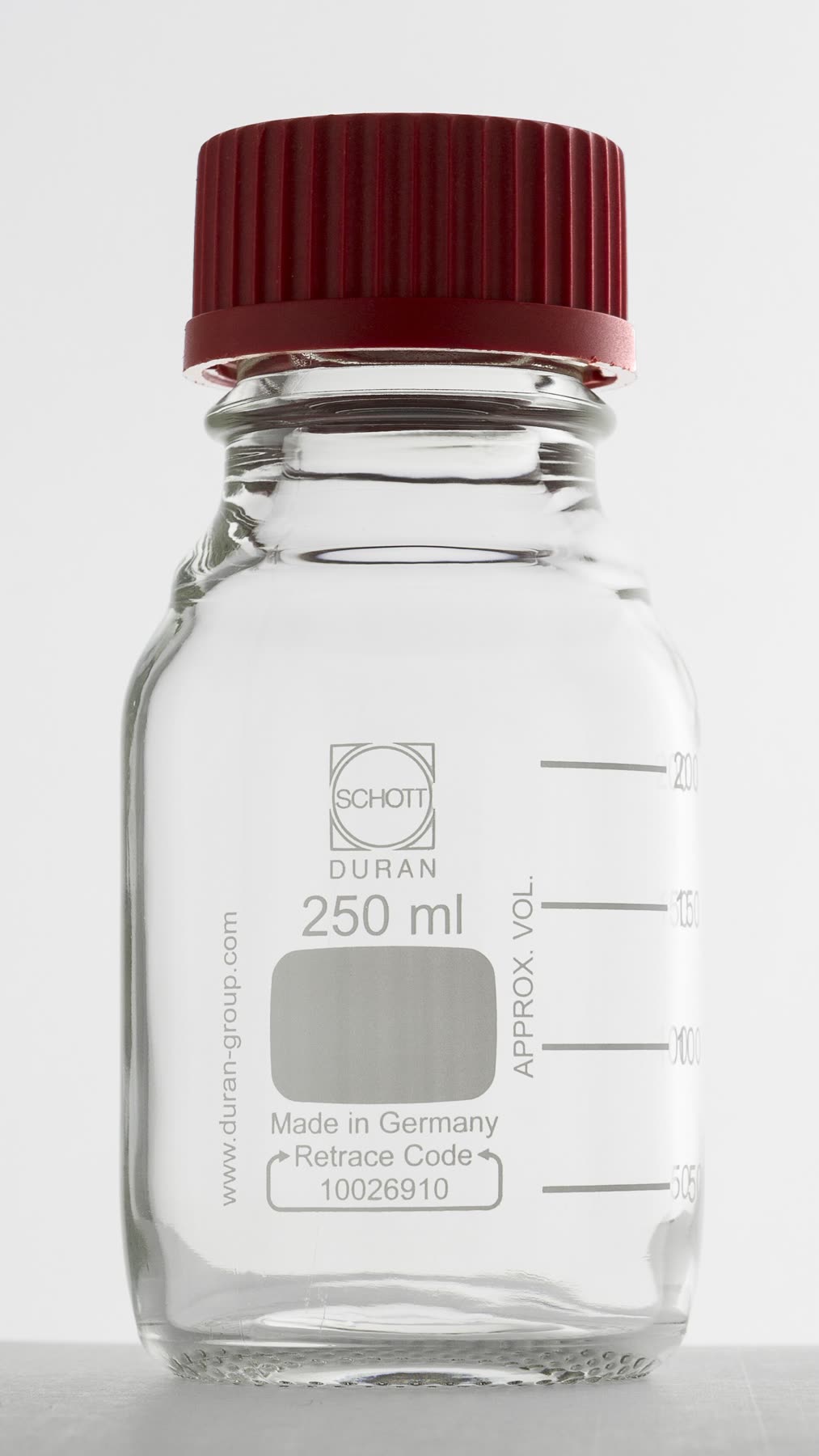
Query-time DHgate listing example
Observed on 2026-10-14, Hydrogen Water Bottle,Portable Hydrogen Water Bottle Generator for Home Office Travel Daily Drinking appeared in Water Filters. This is a time-bound, illustrative listing example, not an endorsement; availability and listing details may change. Verify the specifications, seller evidence, applicable compliance, and any intellectual-property or commercial-use rights required for the intended use. A sample can test the physical product, but it cannot establish legal permission or licensing.
When DHgate Is (and Isn’t) the Right Bottle Source
For an Australian food or beverage brand, DHgate is one sourcing option among several. It’s strongest in certain scenarios and weaker in others.
Where DHgate tends to fit
DHgate’s product mix and editorial guidance make it relatively attractive when:
- You want low‑cost, generic bottles for non‑regulated or lightly regulated uses. For example, household maintenance liquids, non‑food industrial products, or internal use containers. The packaging bottle listings mentioned earlier are oriented toward this type of use.
- You’re exploring OEM plastic bottle design cheaply. Listings like the bespoke plastic bottle design & manufacturing example show very low unit prices and factory‑direct phrasing. For brands testing a new beverage or condiment concept, DHgate can be a way to prototype bottle ideas with smaller trial runs, provided you do the legwork on safety.
Where specialised or local routes are safer
DHgate is less suited when your project has stricter compliance or branding needs, such as:
- Regulated food and beverage packaging for sale in Australia (and possibly export). Here you may prefer packaging suppliers who explicitly advertise compliance with relevant Australian standards, offer traceable resin sourcing, and provide certifications as part of their standard sales process.
- High‑stakes, high‑volume launches. If you’re filling hundreds of thousands of units, the cost of a mis‑spec’d bottle or failed compliance test can dwarf any savings from low DHgate unit prices. In those cases, local packaging distributors, regional OEM factories contacted directly, or platforms with stronger documented food‑packaging focus may be better fits.
- Complex sustainability commitments. If your brand promises specific PCR content or particular environmental certifications, you’ll often find clearer, pre‑verified options through specialised sustainable packaging suppliers or domestic distributors.
A practical path for many small Australian ecommerce businesses is hybrid:
- Use DHgate to prototype concepts, try small runs of generic or semi‑custom bottles from OEM factories, and learn what shapes and materials work.
DHgate can be part of a responsible bottle sourcing strategy, but only if you treat listings as the starting point of your due diligence—not the finish line.