
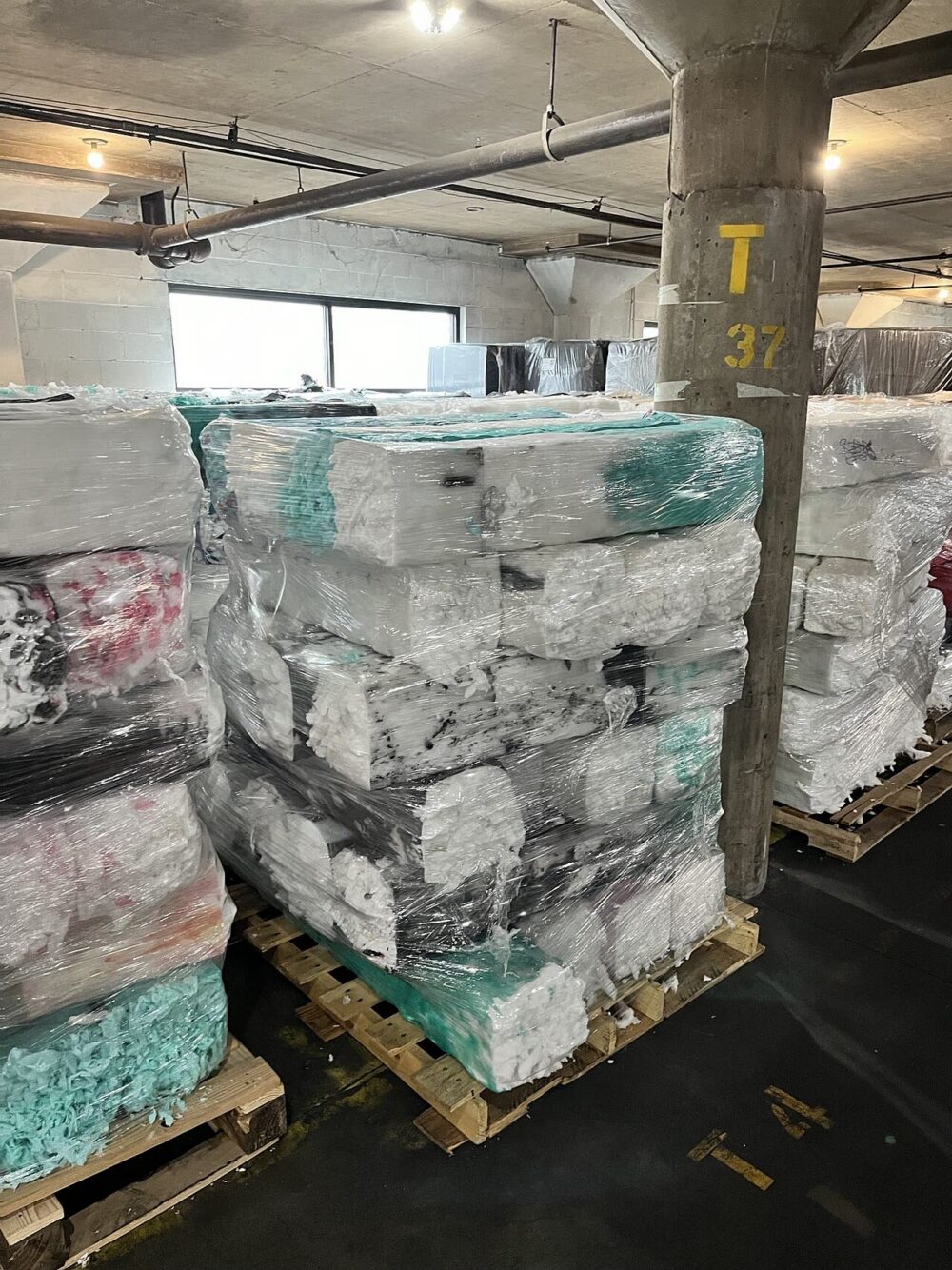
Expanded polyethylene foam (EPE) is best sourced through specialized foam converters and packaging manufacturers that already work with PE beads and can deliver the format you need—sheets, blocks, or molded parts. For most Canadian and US buyers, that means partnering with a regional packaging/foam fabricator for smaller, customized runs, or going to established Asian converters for larger, price-sensitive orders, and always locking in density, thickness, and sample approvals before any bulk commitment.
EPE’s appeal is straightforward: it’s a lightweight, closed-cell polyethylene foam made by expanding PE beads or resin, with good shock absorption, toughness, and chemical resistance for reusable packaging and product inserts.Source The real sourcing decision is less about the raw material and more about which layer of the supply chain you buy from and what services they offer.
How EPE Foam Is Made and Sold: What Buyers Are Really Choosing
Industrial EPE starts as polyethylene beads or resin. Those beads are expanded and molded into foam blocks, planks, or custom shapes, or processed into continuous sheet products. You rarely need to deal with the raw-bead producers directly—your practical choices are converters and fabricators.
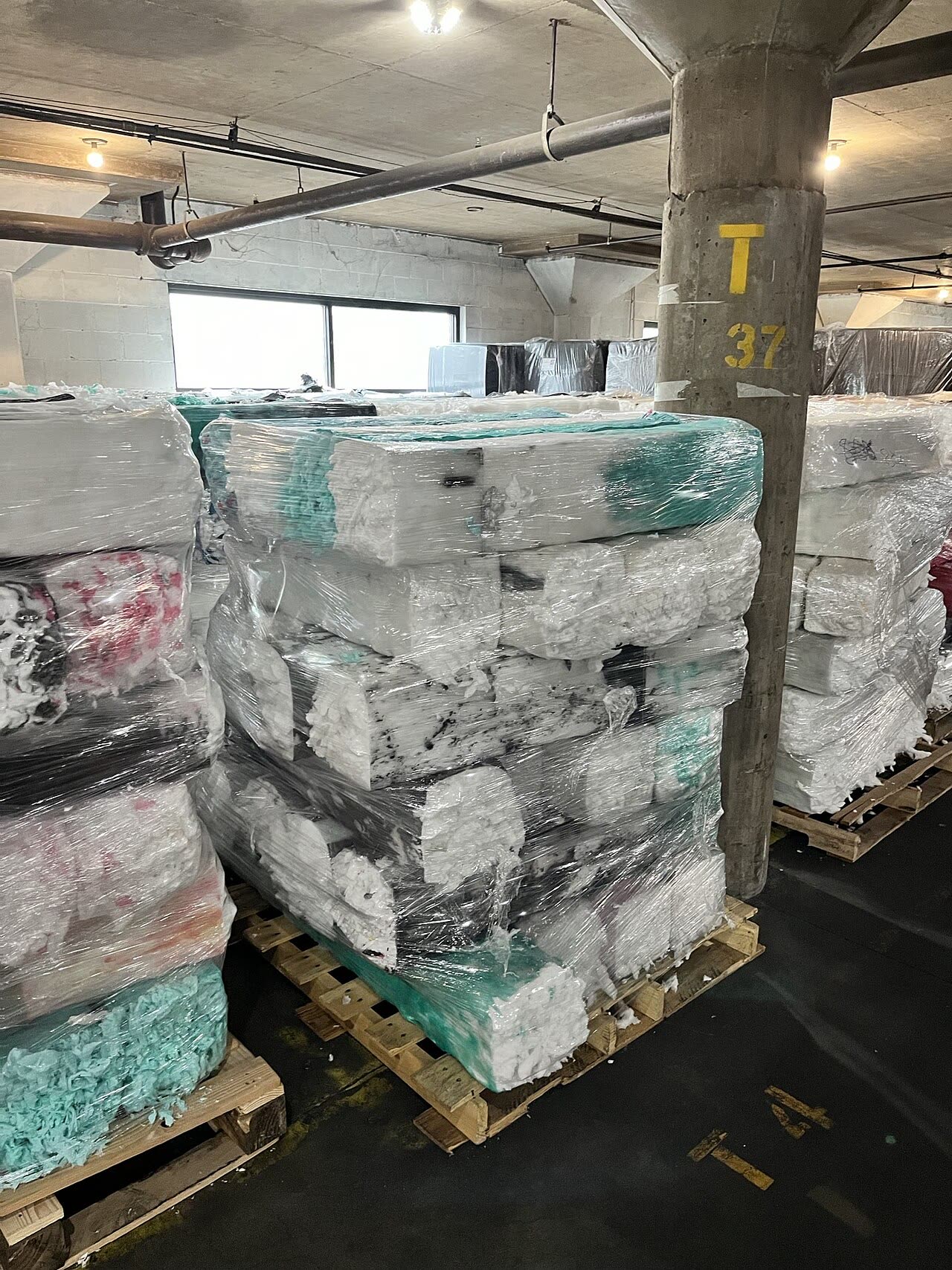
Packaging-oriented suppliers such as Amcon Foam describe beaded expanded polyethylene foam being supplied as molded blocks, planks, and custom packaging components. That’s the layer that turns expanded beads into usable bulk formats. They may offer:
- Planks/blocks that can be cut, routed, or die-cut into inserts.
- Molded components tailored around a specific product or tray.
- Bead-based systems for specialized applications.
Other firms, like Foam Industries, position EPE alongside EPS, EPP, and XPS—each a distinct expanded foam used for packaging and insulation. That’s useful context: EPE is the softer, tougher, more reusable cousin of EPS. If your products need cushioning and repeated use more than rigid insulation, EPE is a strong candidate.
Sheet-focused suppliers show how EPE is sold in simple slab form. For example, Lojakra Foam lists an EPE sheet at 1000 x 550 x 30 mm—illustrating typical plate-style supply that can be cut to fit boxes or cases.
In practice:
- Small ecommerce brands almost never buy beads. They buy sheets, blocks, or finished inserts from fabricators.
- Mid-size brands may buy planks from a converter and have a local shop fabricate inserts.
- Large OEMs sometimes work directly with converters on molded parts, but they’re usually beyond the scale of an Etsy or Shopify seller.
So your sourcing target is: converters and fabricators that already handle EPE, not raw chemical manufacturers.
Evaluating EPE Foam Suppliers: Density, Format, and Service Capabilities
You can’t evaluate EPE on “foam” alone. You need a clear spec: density, thickness, format, and whether the supplier can actually shape it into usable packaging.
Suppliers like Allied Foam Products describe expanded polyethylene as a semi-rigid, shock-absorbing material intended for protective packaging. That points to three buyer-side questions:
- Density and feel – EPE can be softer and more flexible or firmer and more supportive. The right density depends on what you’re shipping.
- Format – Sheets, blocks, molded shapes, or pre-made bags.
- Service – Cutting, die-cutting, lamination, assembly, and design support.
What to ask a potential EPE supplier
Use named suppliers as a model for what to request, even if you don’t buy from them:
- From a packaging converter (e.g., Amcon, Allied)
- Which densities of EPE do you stock for packaging?
- Can you supply planks/blocks and custom inserts, or only raw planks?
- Do you design inserts if I send CAD files or physical samples?
- From a sheet supplier (like the Lojakra sheet example)
- What standard sheet sizes and thicknesses are available?
- How much off-cut waste will my layout produce, and can they optimize nesting?
- From multi-material firms (like Foam Industries)
- Can they compare EPE versus EPS or EPP for your specific product?
- Do they mix materials (e.g., EPE for cushioning, EPS for structural support)?
Small brand example vs mid-size brand
Consider two real-world scenarios:
- Small Etsy ceramics store shipping individual mugs and bowls.
- Needs flexible, scratch-safe protection in mailers.
- Good fit: pre-cut EPE sheets or small blocks, possibly pre-made EPE bags, from a regional packaging supplier. MOQs are usually low and design work minimal.
- Mid-size electronics brand selling devices that must survive courier abuse.
- Needs repeatable cushioning, tight fit, and presentable unboxing.
- Better fit: an EPE-focused converter that can produce custom die-cut inserts. You request sample sets at different densities and finalize one after drop-testing.
In both cases, you should insist on physical samples before committing. That’s not generic advice; EPE’s tactile feel and recovery after compression are hard to judge from photos alone.
Choosing a Sourcing Channel for EPE: Domestic Fabricators, Direct Asia Suppliers, and Marketplaces
Channel choice drives your economics more than the material choice. North American buyers typically face three practical routes.
Quick comparison of supplier/channel types
| Supplier/channel type | Best for order size | Typical formats offered | Key pros | Main trade-offs |
|---|---|---|---|---|
| Local foam fabricator (NA) | Small to medium, frequent | Custom inserts, cut sheets, blocks | Easy communication; quick sampling; lower risk on QC | Higher unit cost; limited density range |
| Direct Asian EPE converter | Medium to large, planned runs | Planks, molded parts, large sheet lots | Lower per-unit cost; broad density options | Longer lead times; higher MOQs; freight complexity |
| Marketplace seller (EPE bags) | Small/medium, ad-hoc | Ready-made EPE “pearl cotton” bags | Fast access; simple product formats | Limited customization; variable seller quality |
This table is editorial judgment based on how these supplier types operate; specific MOQs and prices must be confirmed with each supplier.
Domestic vs direct-from-Asia for EPE
For custom packaging where fit and presentation matter, a domestic foam or packaging fabricator is usually the easiest starting point. They already understand North American courier realities, can do short runs, and often work across multiple materials (EPE, EPS, corrugated). Expect to pay more per unit but save time and risk.
If your volumes grow and your inserts are stable, direct Asian EPE converters become attractive. Many of the world’s EPE planks and molded parts are produced in Asia, where converters handle large bead-expansion and molding operations. You’d typically:
- Share drawings or ship sample products.
- Get prototype inserts or sheet spec samples.
- Tune density and geometry.
- Commit to pallet-scale orders and arrange freight to Canada or the US.
This route rewards stable designs and predictable demand.
Where marketplaces like DHgate realistically fit
Marketplaces can be useful for standardized EPE packaging bags, often described as “pearl cotton” bags for ceramics and similar goods. On 2026-10-13, DHgate listings included items such as:
- Wholesale EPE for Export Ceramic Tableware Bowl and Plate Set Packaging Foam In Stock Pearl Cotton Bags
- EPE Shockproof Packaging Foam Wholesale 0.5MM Double-Sided Coated Export Ready Stock Pearl Cotton Bag
- EPE Bags New Material Coated Thickened Pearl Cotton Bag Slices Wholesale
Prices and availability in those listings vary by specification, and they can change over time. These products illustrate a narrow but useful use case: if you ship a lot of similarly sized plates, bowls, or flat items and standard EPE bags will work, marketplace sellers can supply ready-made bags without custom tooling.
If you explore this route:
- Treat each listing and seller separately. Check product titles/specs carefully for size, thickness, and coating.
- Ask for a small trial batch before relying on any bag for your main packaging line.
- Use marketplace sourcing mainly for generic EPE bags and slices, not bespoke molded inserts.
For deeper guidance on marketplace supplier checks, you can look at resources such as find wholesale suppliers on DHgate, but remember that for EPE, the bulk of your value comes from the converter’s material spec and fabrication capability, not the logo on the platform.