
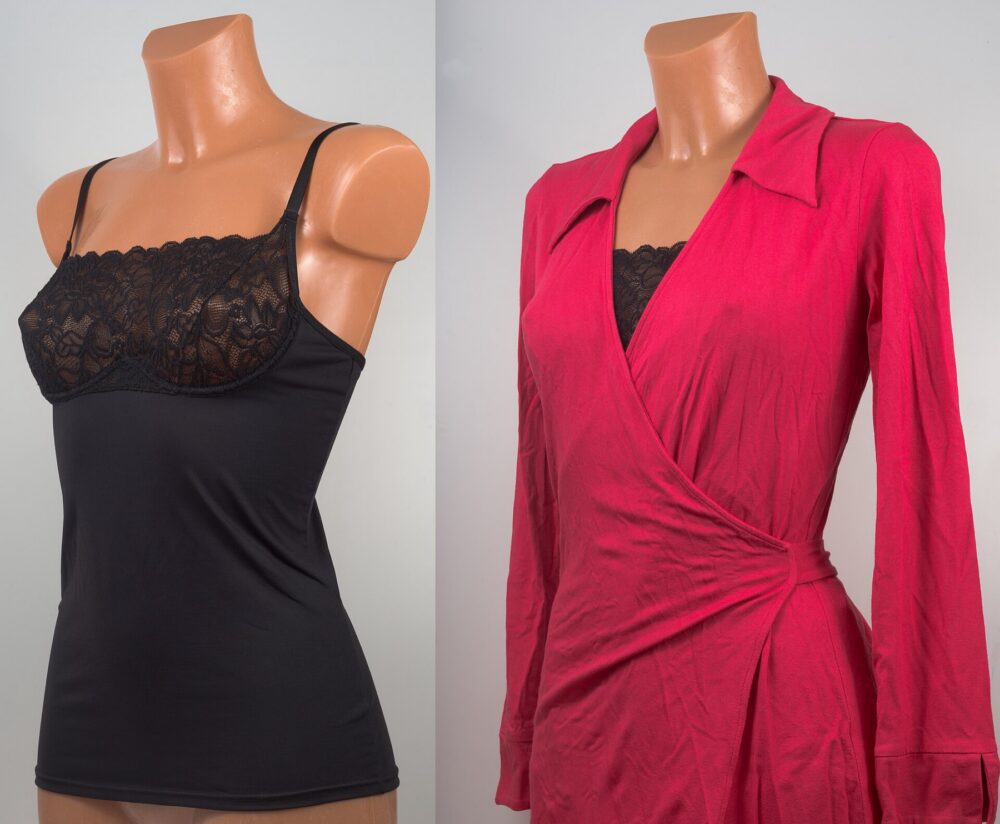
Blank dresses and wholesale t‑shirt dresses are best sourced by defining fabric, fit and customization needs first, then testing a few suppliers with paid samples. For a small US boutique, that usually means shortlisting one or two domestic blank apparel wholesalers and one overseas marketplace supplier, running 50-75 piece test orders, and only then committing to a larger seasonal buy.
That process gives you real data on quality, shrinkage, fit and printability before you tie up thousands of dollars in inventory.
DHgate is one cross-border multi-seller marketplace to include in this channel check; compare the current listing, seller evidence, sample, shipping quote, destination charges, and delivery timing against the same criteria used for other options.
How blank dresses and t‑shirt dresses sit in the apparel supply chain
“Blank dress clothing” in a wholesale context doesn’t refer to Dress Blank, the fashion label you may see in search results; it means undecorated, unbranded garments designed to be customized. A blank t‑shirt dress is essentially a long tee or jersey dress with no logos, prints or retail tags, ready for your own screen print, embroidery, DTG or relabeling.
These blanks are typically produced in bulk in a few major steps:
- Fabric mills spin and knit cotton, polyester and blends.
- Cut‑and‑sew factories turn fabric into standard bodies: crew‑neck tees, t‑shirt dresses, tank dresses.
- Blank-focused wholesalers and marketplaces buy these bodies and resell them in case packs or open stock to print shops, boutiques and small brands.
For t‑shirt dresses specifically, you’re usually choosing some version of:
- Fabric: common choices are cotton jersey, polyester, or blends like cotton/poly/viscose. Guidance on t‑shirt blanks in general emphasizes thinking about fabric type, weight and budget together when you plan a line of customizable garments, including dresses (Beginner’s guide to t‑shirt blanks).
- Weight: lighter for summer cover‑ups, heavier for everyday dresses.
- Fit: straight, relaxed, oversized, or body‑skimming.
- Details: sleeve length, pockets, side slits, hem shape.
If your business model relies on printing or embroidery, blanks are the supply category you’re dealing with, not finished branded fashion. That’s why they’re sold through specialist blank apparel wholesalers and broad marketplaces instead of mainstream fashion showrooms.
Shortlisting suppliers for blank dresses and t‑shirt dresses
Your biggest constraint as a US boutique is balancing quality with realistic order sizes. You’re rarely buying 5,000 units of one body color; more likely 50-300 pieces across sizes.
Think in three supplier types:
- US blank apparel wholesalers
These specialize in tees, fleece and sometimes t‑shirt dresses. They’re subject to US regulations, and you can usually expect more consistent quality and clearer fiber content, but the style range for dresses may be limited and prices higher per piece.
- European or UK organic/ethically focused blanks
These are a fit if your brand story leans heavily on organic cotton, traceability and certifications. You’ll see a narrower style range but strong fabric stories. Shipping to the US adds cost and time, so they make the most sense for higher‑margin, values‑driven lines.
- Overseas factories and marketplaces (primarily Asia)
Factories and marketplace sellers in China and other Asian countries tend to offer far more variety in t‑shirt dress silhouettes and fabric blends at lower headline prices, but quality and fit can be uneven. You trade up on choice and unit cost, and trade down on predictability unless you do good sampling.
Topic-specific checks for blank dresses
When you evaluate any supplier, make the checks specific to blanks and dresses:
- Fabric and construction samples: Order 1-3 colorways of the exact body you plan to use. Wash and dry them as your customers would; note shrinkage at the hem and sleeve, twisting, puckered seams, and whether the fabric pills.
- Size run reality check: For t‑shirt dresses, try at least three sizes on real people. Oversized fits from overseas vendors can be significantly different from US size charts.
- Customization tests: If you’ll print, do a small test run with your usual ink or DTG setup. Some blends and heavier weights don’t hold prints or colors the way you expect.
- Supplier track record: Instead of generic “check reviews,” look at how long they’ve sold blank apparel, what portion of their catalog is undecorated basics, and whether they seem to serve other customization businesses (screen printers, small brands).
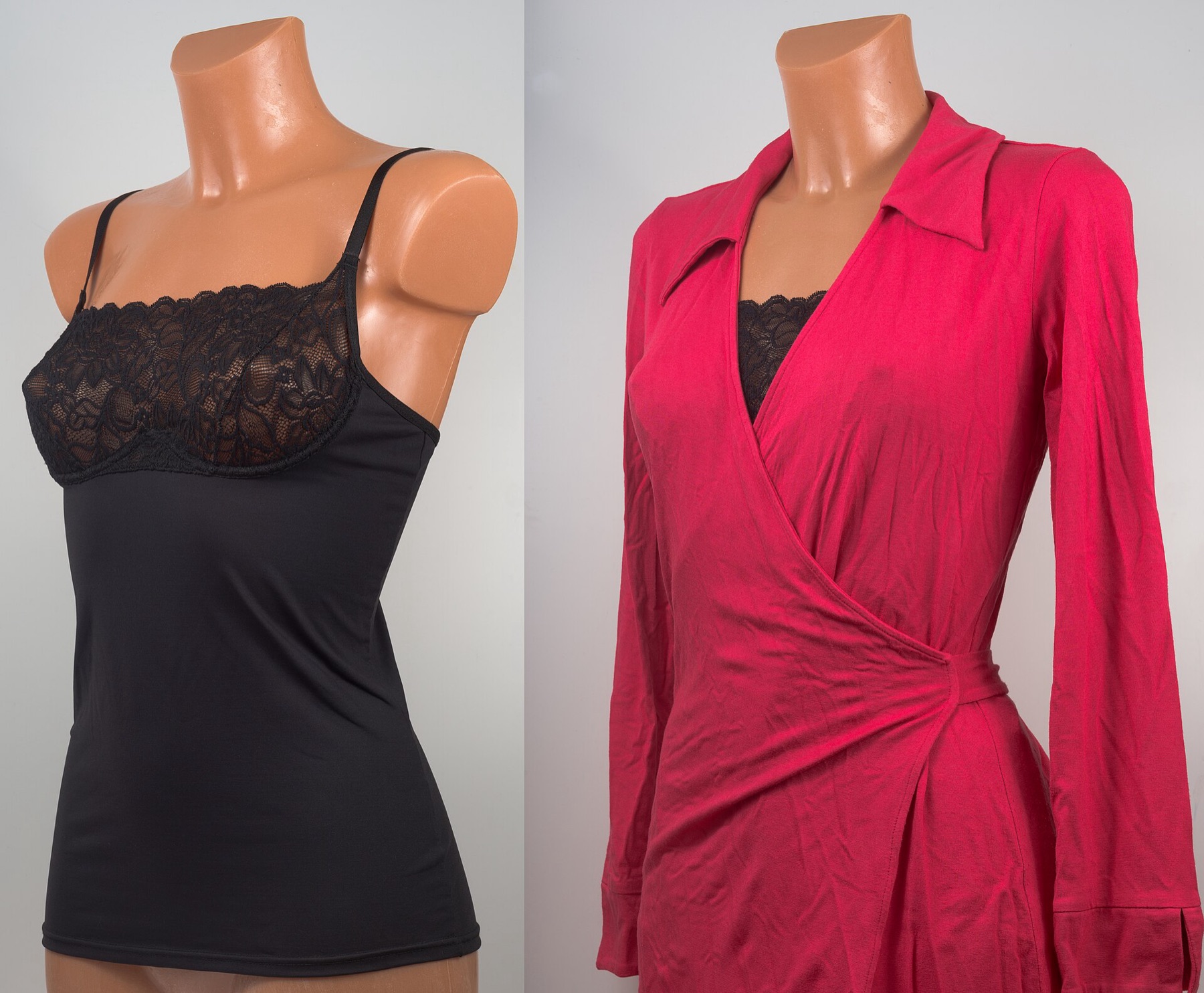
If you’re used to sourcing blank hats or totes, the approach is similar. Hat blanks, for example, can be bought from wholesale suppliers, craft stores, or online marketplaces like Amazon and eBay (hat blanks overview); blank dresses follow the same pattern, just with more sizing and fabric variables to test.
Red flags specific to t‑shirt dresses
Watch for a few traps that show up more in dress bodies than in basic tees:
- Size charts that list only bust and length, with no hip measurement (straight cuts often pull at the hip).
- Very low GSM jersey described as “dress” fabric; it may feel more like a nightshirt.
- Product photos that hide the hem shape or side seams, which can indicate uneven drape.
If you spot these, treat the supplier as high‑risk until samples prove otherwise.
Pricing, MOQs, customization and picking a wholesale route
For t‑shirt dresses and blank dresses, your real decision isn’t a single “best supplier” but which channel fits your order size and brand positioning.
Typical cost and MOQ patterns
Any MOQ ranges you see in guides or from peers are illustrative only; each supplier will set its own minimums, and you should confirm them directly in quotes. With that caveat, boutiques commonly encounter patterns like these:
| Channel | Test-order and assortment trade-off |
|---|---|
| US blank apparel wholesalers | Test orders are often low to moderate and may be workable at one or two cartons. Style choice is limited but stable, while unit cost is typically above overseas options. |
| EU/UK organic blank suppliers | Minimums are often moderate and can depend on preorder or supplier programs. The range is focused, with a sustainability story and higher unit costs that require premium retail positioning. |
| Asia-based factories or marketplaces | Minimums are often moderate to high, especially for custom work. Catalogues can be broad and fast-changing, with lower headline prices but supplier-dependent quality. |
*Cost levels here are editorial judgment based on typical wholesale sourcing; they are not guarantees from any specific supplier.
Customization options track those same channels:
- Many US wholesalers stay focused on blanks; you add printing locally.
- Some EU organic blanks offer private labeling or relabeling programs.
- Factories and marketplace sellers may add basic print or label services, but you need to vet the print quality carefully with tests.
For a 50‑piece boutique test order, you’re usually better off using a domestic blank wholesaler or a nearby print shop that stocks popular blanks. You get faster feedback and lower risk if the style flops.
For a 300‑piece seasonal buy, it can start to make sense to compare that domestic option against one overseas route, especially if you want a more unusual t‑shirt dress silhouette or fabric blend. In that case, budget for:
- 2-3 rounds of samples from the overseas option.
- A full pre‑production size run before you commit.
- Longer lead time and more communication.
How online channels and marketplaces fit
Wholesale boutique clothing can be sourced via many websites, from specialist blank apparel sites to broad e‑commerce marketplaces. Variety and supplier track record are key selection factors, especially when you’re building a dress and t‑shirt dress assortment (boutique wholesale clothing context).
Online channels for blank dresses mirror those for other blank merchandise:
- Specialist blank apparel websites focusing on tees and casual dresses.
- Multi‑brand wholesale boutique platforms, where you buy from curated brands.
- General marketplaces that list apparel from many independent sellers.
If you later decide you specifically want help with marketplace sourcing mechanics, you can pair this broad sourcing overview with more focused guidance on evaluating individual online suppliers, but the core decision remains: define your fabric, fit and customization requirements first, then test one domestic and one overseas route with real samples before making a bulk commitment.