
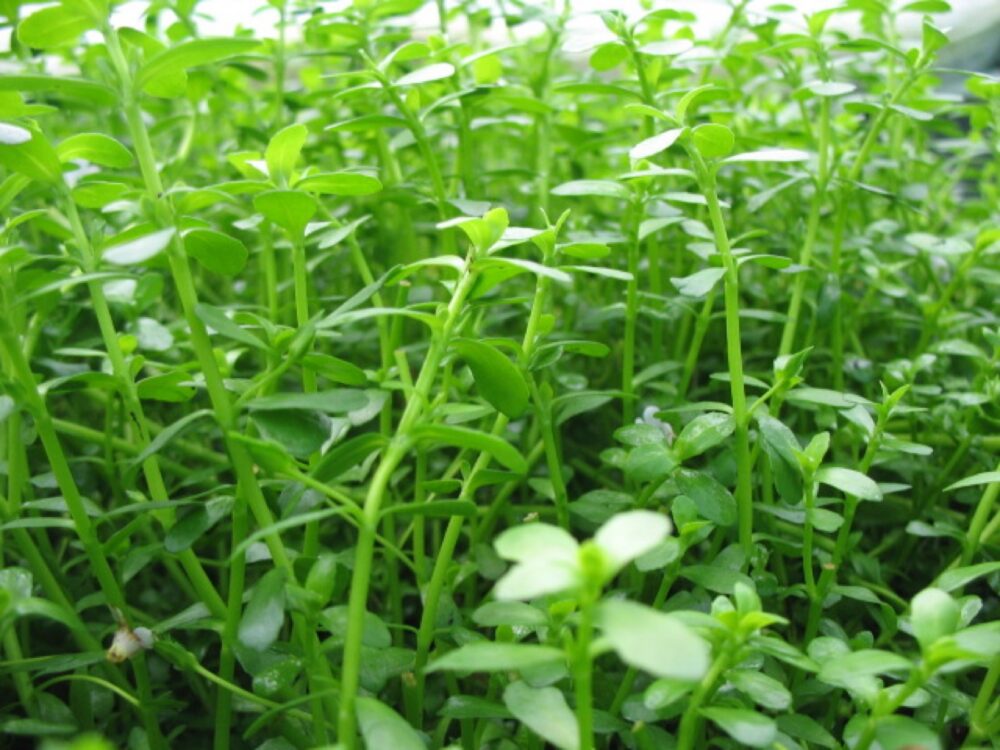
Wholesale pond and aquarium plants are live aquatic plants sold in bulk to trade buyers—retail shops, pond installers, and aquascaping businesses—usually by specialist nurseries and pond supply distributors rather than general marketplaces. If you’re in the US, your best starting point is a proven aquatic plant grower or distributor that already ships regularly to commercial customers, then layering on the right logistics and channel mix for your volume and species needs. Marketplace channels can be useful for accessories, but live plants are fragile and sometimes regulated, so you need tighter controls.
This guide focuses on how the live‑plant supply chain works, how to vet suppliers, and how to plan orders so survival rates and landed cost don’t wreck your margins.
How the Wholesale Pond and Aquarium Plant Supply Chain Works
Wholesale aquatic plant sourcing is more specialized than general garden stock. Most live pond and aquarium plants move through three main supplier types:
- Aquatic plant nurseries and farms
These operations grow submerged, floating, marginal, and bog plants at scale, sometimes across hundreds of tanks or ponds. In the US, you’ll see their output through brands like Splash Plants, which positions itself around connecting people, plants, and ponds, and aquatic-focused farms that serve both ponds and aquariums.
- Pond supply and water‑garden distributors
Distributors such as Universal Pond Supply focus on wholesale pricing for everything related to ponds and water gardens: liners, pumps, hardware, and often plants. Their sites are geared to trade buyers, with assortments tailored to contractors and retailers rather than hobbyists.
- Specialist aquarium plant vendors with bulk options
Aquarium‑focused sites like WetPlants and bulk collections on WetPlants and Glass Grown are set up for larger aquascapes or multi‑tank projects. These bulk collections typically frame their offers around discounted per‑plant pricing for larger quantities, which fits small ecommerce brands and busy local fish stores.
Within that ecosystem, you’re typically buying:
- Pond plants: water lilies, lotus, marginals (irises, rushes), floaters (hyacinth, duckweed), submerged oxygenators.
- Aquarium plants: stem plants, rosettes, mosses, carpets, rhizome plants like Anubias, and tissue culture cups.
Wholesale in this category usually means either trade‑only price lists or consumer‑visible bulk collections where discounting starts once you cross a certain bundle size.
Choosing and Vetting Live Aquatic Plant Suppliers
The biggest risk with wholesale pond and aquarium plants isn’t price; it’s plant health plus how well stock survives shipping and acclimation. Specialist vendors know this and often stress plant vitality directly in their positioning—Glass Aqua’s aquatic plant selection, for example, leans into supporting healthy aquatic ecosystems rather than just selling “green stuff.”
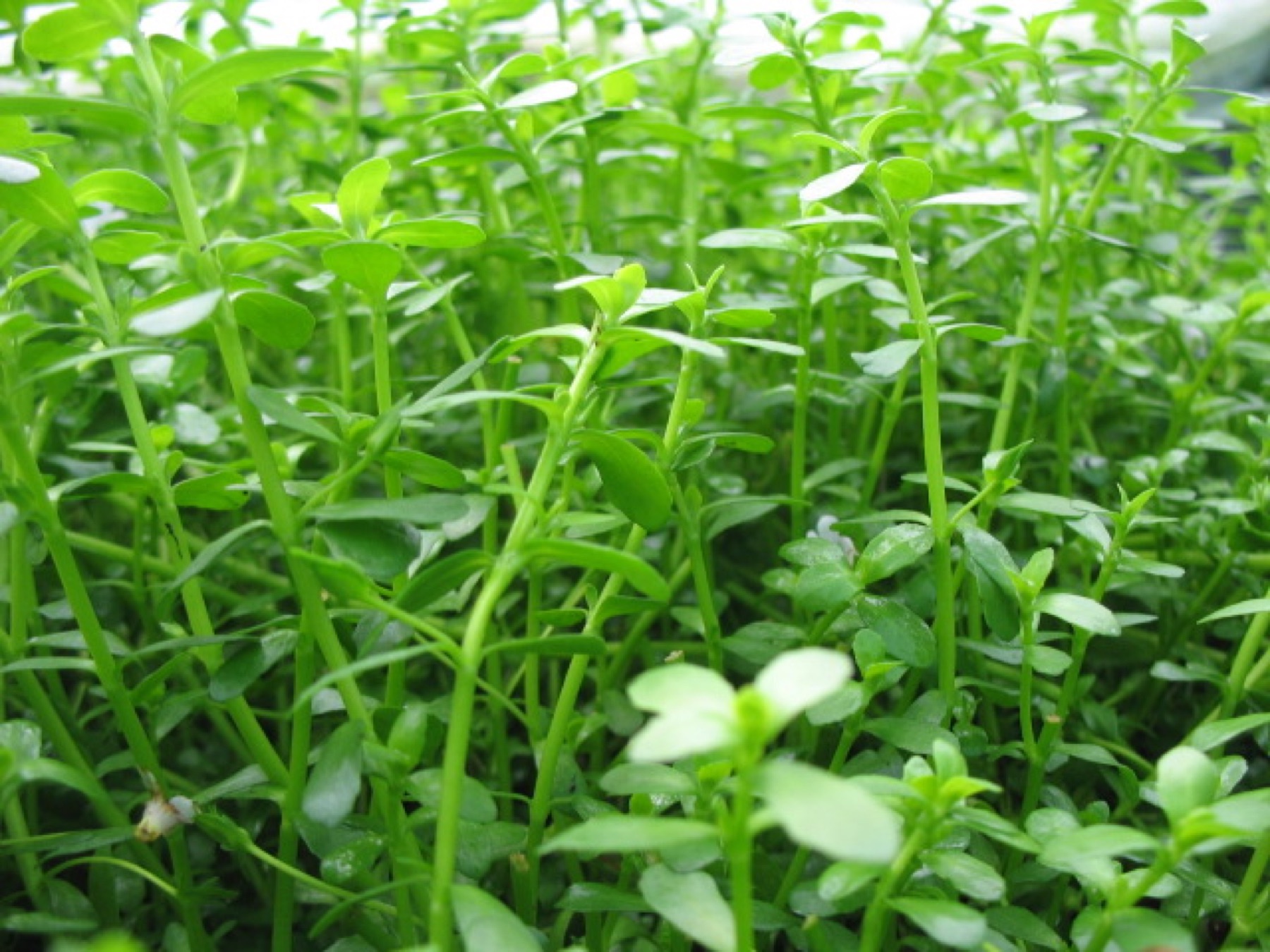
For a US buyer, useful vetting steps are more specific than generic “check reviews”:
1. Match supplier type to your core business
- A pond installer or garden center typically needs hardy lilies, marginals, and floaters across seasons. They’re often better served by pond nurseries and distributors like Universal Pond Supply, whose assortment focuses heavily on water‑garden infrastructure and compatible plant lines.
- An aquarium shop or aquascaping brand needs consistent species lists, good labeling (scientific names, growth rates), and high survival rates in transit. Bulk collections at WetPlants or Glass Grown are built for larger aquascapes or multiple tanks, which aligns with that need.
2. Look for health‑first framing and handling detail Suppliers serious about live plants talk about:
- How plants are grown (submerged vs emersed, farm vs greenhouse).
- Packing methods (bundled, insulated, or heat‑protected boxes).
- Seasonal shipping limits (pausing routes in extreme heat or cold).
Aquarium‑centric sites like Glass Aqua and Glass Grown devote real space to aquascaping and plant care, which is a practical signal that they understand the survival risks and ecosystem impact.
3. Ask about wholesale patterns, not just “Do you do bulk?” Concrete questions that get better answers:
- What’s your typical order size for small retailers or pond contractors?
- Which species ship reliably in my climate and season?
- How do you handle DOA (dead‑on‑arrival) claims or obvious transit damage?
You’re aiming to see that the supplier already has systems for trade buyers—even if they don’t publish an MOQ or margin grid on their site.
4. Spot red flags in live‑plant offers Warnings in this category look like:
- Very broad species lists with no photos of real stock or growing conditions.
- No mention of temperature controls, packing, or transit time limits.
- Aggressive discounting with zero detail on survival or acclimation.
Because you can lose a large percentage of an order to stress and melt, vague or generic handling claims are more worrying here than in hard‑goods categories.
Typical Wholesale Order Patterns and Buyer Types
Wholesale pond and aquarium plant orders tend to cluster into a few patterns. Think in terms of how you buy, not just how much you buy.
| Buyer type | Recommended supplier and logistics pattern |
|---|---|
| Local aquarium shop | Use aquarium plant farms or curated bulk collections for mixed trays of fast-moving species. Short transit and frequent smaller replenishment orders usually matter more than maximum volume. |
| Pond installer or contractor | Source seasonal batches of lilies, marginals, and oxygenators from pond nurseries or specialist distributors. Demand often peaks in spring and summer, and site delivery may be important. |
| Garden center with a pond section | Work with pond distributors or hybrid nurseries for pallet-style mixes of floaters and showpiece lilies. Retail-ready labels and point-of-sale materials can be as important as unit cost. |
| National ecommerce brand | Use high-volume farms or bulk-pricing vendors for planned batches of popular aquarium species. Coordinate packing, transit windows, and receiving capacity before optimizing per-unit cost. |
Bulk plant collections at WetPlants and Glass Grown are especially suited to the first and fourth rows in that table: they target larger scapes or multi‑tank setups with lower per‑plant pricing when you buy a bundle rather than singles.
Logistics, Pricing, and Which Channels Make Sense (Including Marketplaces)
Live aquatic plants are perishable and, in some cases, subject to import or phytosanitary rules. That reshapes your real cost picture more than headline price.
Transit time and packing are cost drivers, not footnotes Every extra day in transit increases the odds of melt, rot, or pest issues. You want suppliers who:
- Ship on predictable schedules (early‑week dispatch to avoid weekend holds).
- Use packing that protects against heat and cold.
- Are frank about which species don’t ship well long distances.
For cross‑border sourcing, you also have to factor in the time and uncertainty of clearing live plants. This isn’t legal advice, but it’s one reason many US buyers stay with domestic nurseries or distributors for most live stock and reserve imports for very specific, high‑value species once they understand regulatory constraints.
How pricing usually works for wholesale aquatic plants Rather than a single “wholesale” number, you’ll often see:
- Bulk bundles or trays with an implied per‑plant discount (as on the bulk collections at WetPlants and Glass Grown).
- Tiered price lists for retailers and contractors where per‑unit cost drops once you hit a minimum tray or case count.
- Seasonal adjustments when certain plants are harder to ship or demand spikes.
Your margin planning should treat expected mortality as part of landed cost. A slightly higher per‑plant price from a nursery with good survival rates can be cheaper than a low price from a supplier with sloppy handling.
Where marketplaces like DHgate actually fit General marketplaces can surface useful pond and aquarium accessories, but they’re not currently strong channels for live pond or aquarium plants themselves.
On 2026-10-13, DHgate listings relevant to ponds and aquariums were heavily skewed toward hardware and accessories, such as:
- Solar Water Fountain Pool Pond Waterfall Fountain Garden Supplies Decoration Outdoor Mini Solar Powered Fountain Bird Baths — a mini solar fountain under the Garden Decorations category.
- Solar Waterfall Fountain Pump, Solar-Powered Circular Base Pond and Bird Bath Pump — a solar pump in Other Garden Supplies.
- Aquarium Plant Stand Plastic Aquatic Pot Planting Baskets Supplies Hanging Holder for Plants Fish Tank — plastic planting baskets listed in the Coral category.
- Aquarium Plant Pots Aquatic Plant Cup 2 Pcs Fish Tank Plant Pot With Holes Transparent Aquarium Pothos Holder For Aquatic Plant — transparent plant cups categorized as Other Decorations.
For buyers who do use marketplaces for accessories, DHgateWiki has guides on how to find wholesale suppliers on DHgate, find DHgate suppliers, and choose a DHgate wholesale supplier. Treat those as separate decisions from your live‑plant sourcing strategy.
The practical takeaway: treat live pond and aquarium plants as a health‑critical, fragile inventory category. For most US businesses, dedicated aquatic nurseries and pond distributors will be your primary source, while marketplaces play a supporting role for hardware around the water, not the plants themselves.