
If you’re restoring a Ford Fairmont, you’ll get the most trustworthy result by mixing marque‑specific parts suppliers and verified documentation with carefully vetted marketplace listings, instead of chasing the lowest price on a single platform. For a Canadian or cross‑border buyer, that usually means using specialist restoration sites for critical components, mainstream marketplaces like eBay for hard‑to‑find trim and accessories, and verified factory‑style manuals to check part numbers and procedures before you commit.
The challenge: “Ford Fairmont classics” covers more than one car line, and many online listings don’t distinguish clearly. Below is how to untangle the model variants and build a sourcing strategy you can trust.
What Ford Fairmont “Classics” Are and Why Sourcing Them Is Tricky
The Ford Fairmont most North American buyers mean is the compact car sold from 1978-1983, introduced as a successor to the Maverick and offered as sedans, coupes, and wagons. You’ll see this car in parts catalogs and marketplace filters as “1978 Ford Fairmont” or similar, with categories like engine, body, and brake components.
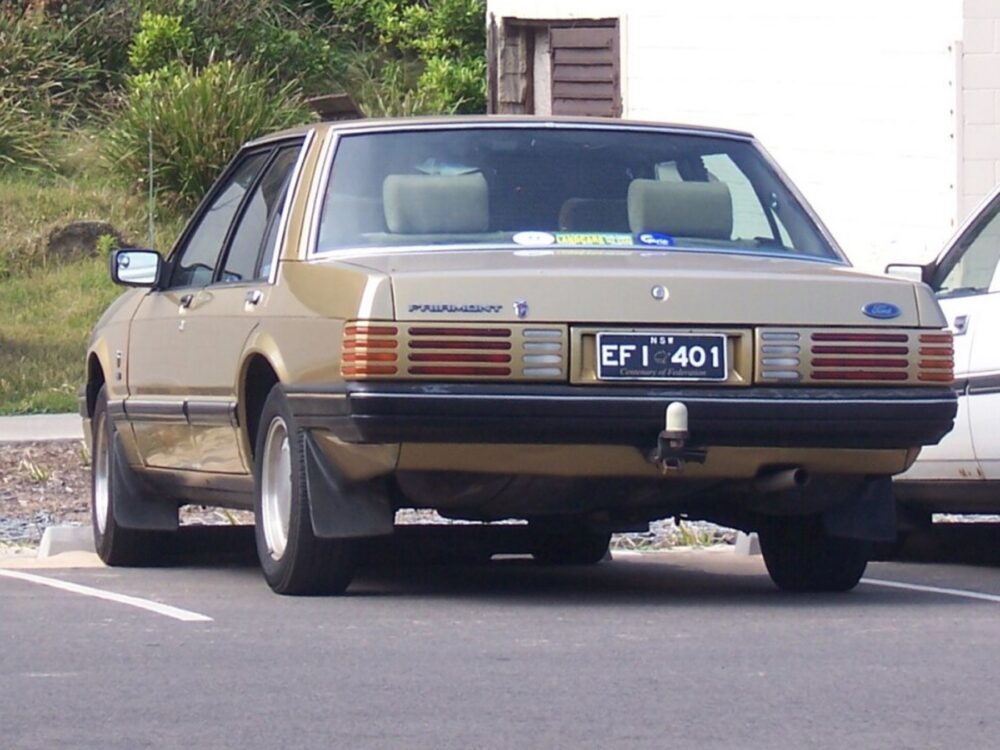
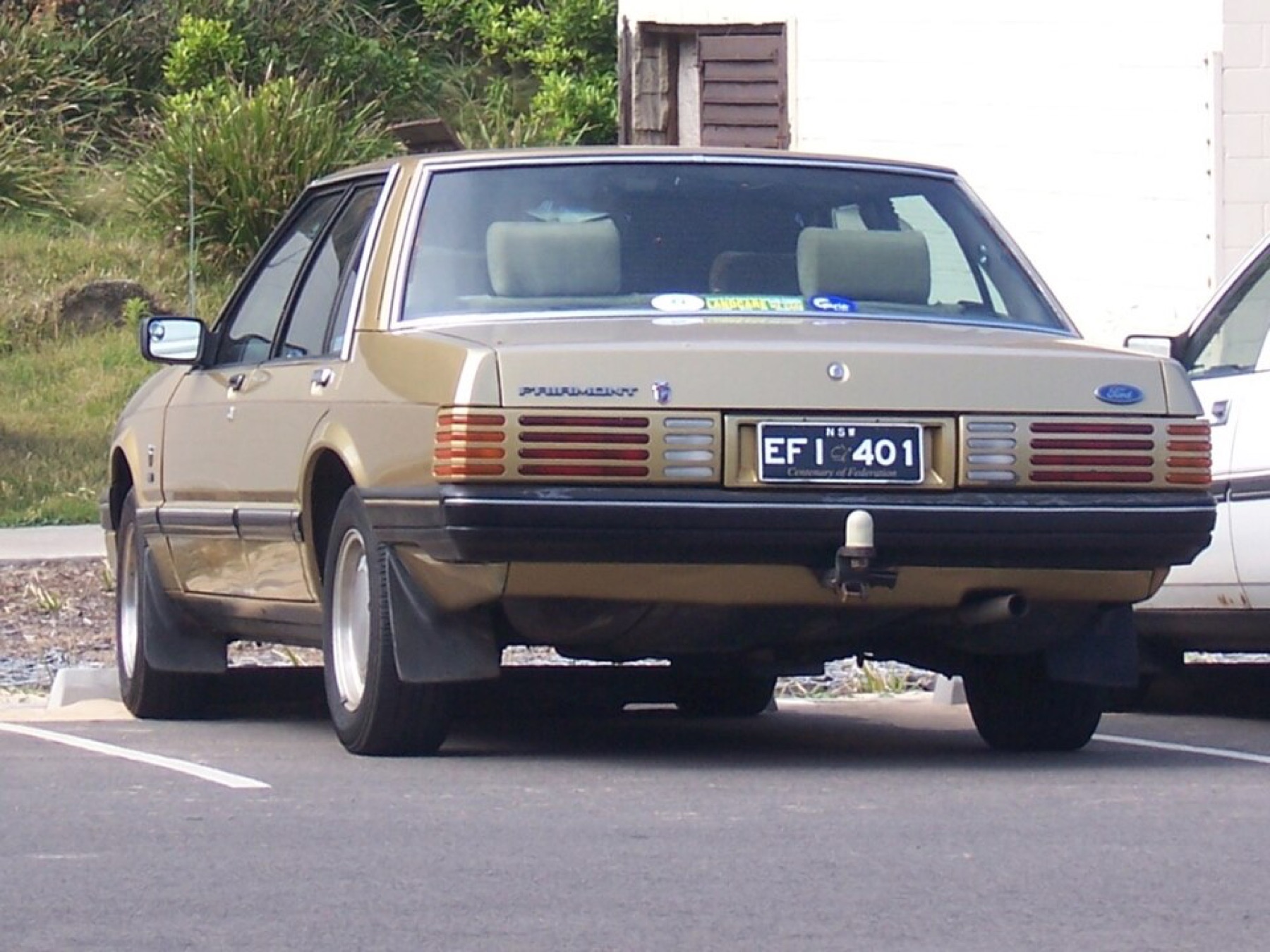
There is also an Australian Ford Fairmont, a higher‑spec variant of the Falcon sold in that market.Ford Fairmont (Australia) is a very different car from the North American Fairmont. Yet global search results and even some marketplace listings mix them together, or use “Fairmont” without specifying region.
For trust, that matters:
- Misfit parts risk. A suspension or brake part for an Australian Fairmont will not be designed for a 1978-1983 North American Fairmont, yet a vague listing may appear in a generic “Fairmont” search.
- Ambiguous documentation. A “Ford Fairmont manual” in PDF form might cover the Australian Falcon‑based variant, not your North American compact.
- Cross‑border confusion. Canadian buyers often see US and international listings together. Without region, year, and body‑style checks, you can pay duty and shipping on parts that never fit.
Treat “Ford Fairmont classics” as two families: North American Fairmont (compact) and Australian Fairmont (Falcon variant). Every sourcing decision should force the seller or listing to declare which side of that split you’re dealing with.
Trusted Channels for Fairmont Parts and Documentation (Platform‑Neutral)
Instead of searching blindly, build your sourcing around channels with different strengths and trust checks.
1. Specialist restoration suppliers
For core mechanical and structural parts, start with sites that explicitly target Fairmont restoration, rather than generic “Ford” catalogs.
eClassics advertises 1980 Ford Fairmont restoration parts in specific systems: air and fuel delivery, A/C, belts and cooling, body, brake components, controls, doors, and more. That kind of system‑by‑system catalog lets you cross‑check part categories against your car’s needs and factory documentation.
Trust actions here:
- Use your year, engine, and body style when browsing, not just “Fairmont”.
- Compare the site’s categorization (e.g., “Body → Exterior Trim”) against illustrations or part numbers in a factory parts catalog.
- For safety‑critical parts (brakes, steering, suspension), favor suppliers that show clear part numbers and detailed descriptions, then look for those numbers in documentation.
2. Canadian‑focused parts catalogs
For Canadian buyers, a localized catalog can reduce cross‑border friction. PartsAvatar lists 1978 Ford Fairmont parts and promotes them as components and accessories that “fit” properly for Canadian buyers.
You still need to do your own fitment work:
- Treat the year and model filter as a starting point, not a guarantee.
- Check individual listings for part numbers, dimensions, or compatibility notes.
- If you see a part described broadly as “Ford” but not “Fairmont,” assume you’ll need extra verification from documentation.
3. Broad marketplaces for OEM‑labeled and used parts
Marketplace search is often where you find odd trim pieces, clusters, and NOS (new old stock) items. On eBay, you’ll see Ford Fairmont parts and accessories, including items labeled in titles as OEM or “original restoration” parts.Car Parts for Ford Fairmont and similar category pages demonstrate the mix: used clusters, interior pieces, badges, and more.
Trust work here is heavier but manageable:
- Read the full description and photos for casting numbers, logos, and date codes.
- Be skeptical of “OEM” in the title without matching detail in the description or photos.
- Prefer listings that specify exact years and body styles (e.g., “1978-1980 Fairmont Futura”) rather than generic “Fairmont”.
4. Manuals, parts catalogs, and documentation
For any classic restoration, documentation is as important as hardware. One online source hosts a Ford Fairmont repair/service manual PDF and explicitly warns buyers to be wary of unofficial copies, noting that physical copies are common while digital versions may be obtainable from some vendors.Ford Fairmont Repair Service Manual
You typically want three types of documents:
- Factory service manual – diagnostic and repair procedures.
- Factory parts catalog – exploded diagrams and part numbers.
- Owner’s manual – basic maintenance and specs.
Trust actions for manuals:
- Confirm the market and year printed on the cover (North America vs Australia, 1978 vs 1985, etc.).
- Check that diagrams and procedures actually match your car before relying on torque specs or part numbers.
- Treat any paid “digital download” with no clear source as high‑risk; seek out known publishers, official reprints, or well‑reviewed vendors.
5. Where a marketplace like DHgate fits (and doesn’t)
DHgate’s own blog describes the platform as a low‑cost wholesale option for auto parts and accessories, including components aimed at classic vehicle owners.8 Top Wholesale Vendors For Auto Parts
That can be appealing if you’re a small ecommerce seller or looking for generic consumables (fuses, fasteners, tools) to support a Fairmont project. However, DHgate is not positioned as a dedicated Ford Fairmont restoration catalog, and the available listing snapshot doesn’t show Fairmont‑specific parts.
If you ever explore DHgate for supporting items around a Fairmont build:
- Focus on generic items (shop tools, universal hardware) rather than critical, model‑specific Fairmont parts.
- Apply strict seller and listing checks and treat each product as unverified until you do your own homework.
- Use buyer‑focused guidance like Assess DHgate listing and seller risk or Find trusted sellers on DHgate before you consider it part of your restoration supply chain.
For sourcing actual Fairmont components, specialist North American catalogs and well‑vetted marketplace listings remain more relevant.
6. Enthusiast communities and local part outs
Facebook groups and forums dedicated to Fairmont and related Ford platforms can surface part‑out opportunities, shells being scrapped, and local spares. For example, Fairmont/Falcon groups have posts where members ask for specific Fairmont parts and get recommendations of niche suppliers and breakers. You’ll see replies pointing to independent spares businesses and local yards rather than big box catalogs.
These channels are informal but powerful:
- Use them to validate part numbers and interchange (e.g., shared components with Fox‑platform cars).
- Ask for real‑world experience with particular suppliers.
- When buying peer‑to‑peer, treat payment and shipping like a private sale: use traceable payment methods and confirm photos and IDs before sending money.
How Different Platforms Handle Trust for Classic Ford Parts
Different channels give you different tools to manage risk. Knowing how they usually work helps you choose where to buy which type of Fairmont part.
Platform trust patterns you’ll actually use
Here’s a simplified comparison based on how major channels present Ford Fairmont parts today:
| Channel type | Compatibility method and verification step |
|---|---|
| Specialist restoration sites (e.g., eClassics) | Use model/year and system-based catalogs, then cross-check categories and part numbers against manuals and confirm the catalog specifically covers Fairmont. |
| Canadian catalog sites (e.g., PartsAvatar) | Start with the year/model selector, then verify part numbers and descriptions so the item is not merely labeled for a generic Ford application. |
| Marketplaces (e.g., eBay Fairmont pages) | Treat vehicle-fitment tools as filters, not guarantees; inspect detailed photos, casting marks, descriptions, and the current return terms. |
| Enthusiast groups / private sellers | Use community knowledge to validate interchange, then independently confirm seller identity, payment traceability, and the exact item shown. |
On eBay’s Ford Fairmont parts pages, a vehicle fitment tool lets you add your car to confirm compatibility, and some items may qualify for free returns.Other Parts & Accessories for 1978 Ford Fairmont That’s useful, but it’s not a substitute for examining photos and descriptions yourself.
Building a practical sourcing mix
For an individual restorer:
- Use specialist catalogs and documented parts numbers for brakes, steering, and structural components.
- Leverage eBay and similar marketplaces for trim, badges, clusters, and used interior parts once you’ve verified fitment yourself.
- Keep manuals and parts catalogs open whenever you shop to confirm what you’re seeing.
For a small ecommerce reseller considering Fairmont‑related inventory:
- Anchor your stock list on documented, cross‑checked part numbers and interchange data, starting from specialist suppliers.
- Use broad marketplaces and community tips to identify demand spikes (e.g., particular badges or clusters) before you buy.
- If you test low‑cost wholesale platforms for generic auto items, separate those SKUs clearly from your Fairmont‑specific catalog and avoid presenting them as model‑exact restoration parts.
If you treat every channel as a different trust tool—not a single source of truth—you’re far less likely to end up with expensive, non‑fitting parts or misleading documentation in your Ford Fairmont classic project.