
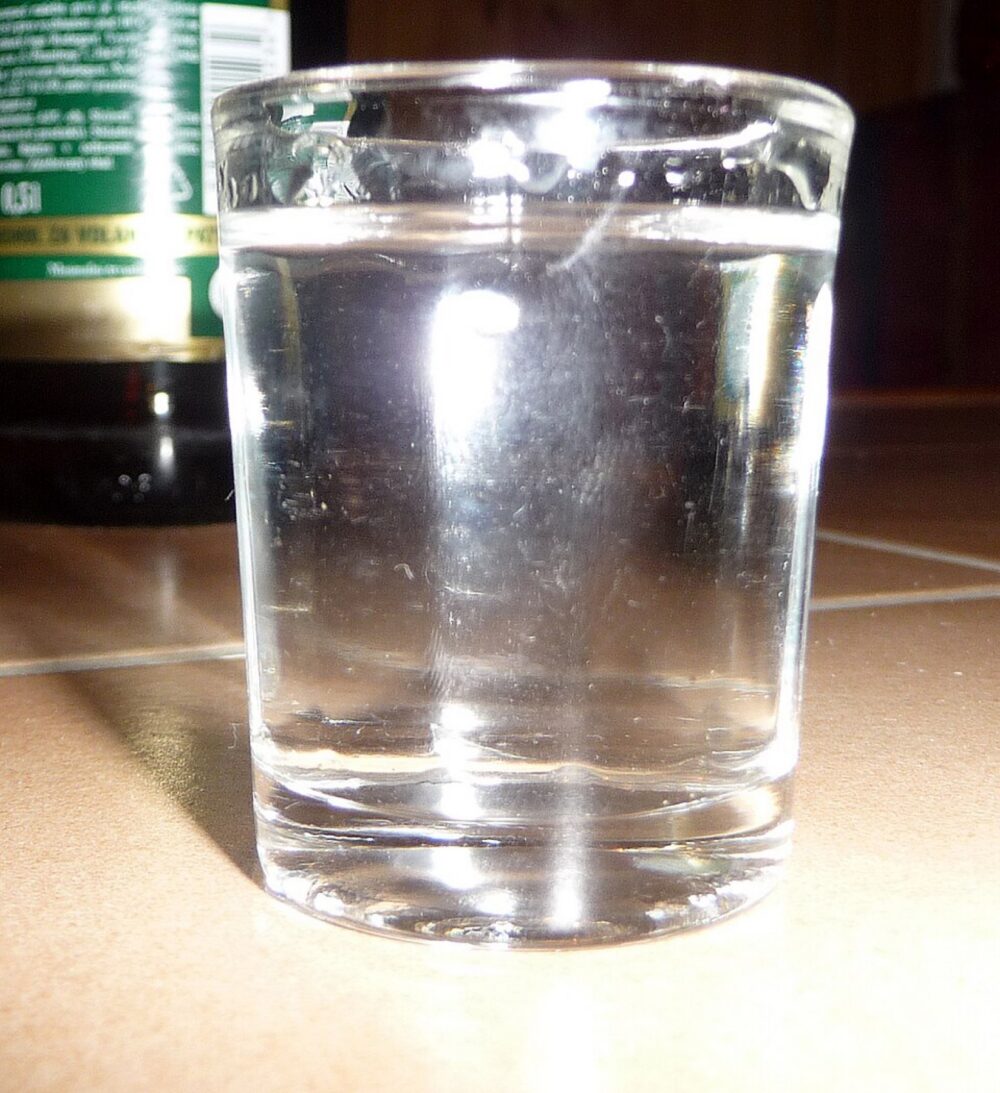
For most Canadian buyers, the most practical way to bulk-buy durable 2-ounce shot glasses is to use local restaurant-supply distributors and retail marketplaces for small and medium orders, and look at US hospitality suppliers or global marketplaces for larger, price-sensitive runs. Two-ounce shot glasses hold about 59 ml, a slightly larger pour than the standard 1.5-ounce size, which makes them popular for parties and tastings.
If you’re hosting a one-off party, multi-packs from Canadian retail sites like Amazon.ca’s shot glasses category or Walmart Canada’s shot glass listings are usually the simplest route. If you’re a bar, caterer, or ecommerce seller that needs consistent inventory, you’re better off with hospitality brands and distributors.
How 2-ounce shot glasses are produced and sold in bulk
Most 2-ounce shot glasses are either soda-lime glass or plastic. Glass is the default for bars and restaurants; plastic mini cups dominate large events, outdoor parties, and disposable service.
On the manufacturing side, big hospitality brands run large, standardized lines. Libbey, Anchor Hocking, and Pasabahce are common names in this category. For example, ChefSupplies in Canada sells a Pasabahce Elysia 2 oz shot glass in a pack of 12, illustrating how these products are often boxed for foodservice buyers rather than individual consumers (Pasabahce Elysia listing).
Those factory case packs move through regional distributors and restaurant-supply houses. A Canadian distributor such as ParagonDirect stocks Anchor Hocking 2-ounce fluted whiskey shot glasses for local businesses, typically in full case quantities. In the US, sites like WebstaurantStore’s Anchor Hocking 2 oz pack show the same glass in case packs aimed at bars, restaurants, and caterers.
Disposable 2-ounce plastic shot cups are produced in much larger volumes and sold in 50-100+ count sleeves aimed at parties and tastings. Those tend to flow directly into big-box retail and marketplaces rather than through the same barware distributor channels.
Choosing reliable suppliers for a party or ecommerce inventory
Your supplier choice should reflect how often you’ll need these glasses and how rough the handling will be.
Scenario: one big party or event
If you’re planning a wedding or house party and just want a few hundred durable shots:
- Retail marketplaces – Browse bulk listings on Amazon.ca or Walmart Canada. Look specifically for 2 oz capacity in the specs, and check photos to confirm thick bases and walls for glass sets, or BPA-free and “sturdy” language for plastic.
- Event rental companies – If you don’t want to store or wash, Canadian rental firms like Element Event Canada list square 2 oz shooter glasses in rental packs (e.g., rented in lots of 24). This saves you from breakage and post-event cleanup but doesn’t make sense for resale.
Signals that a listing will survive a rough party:
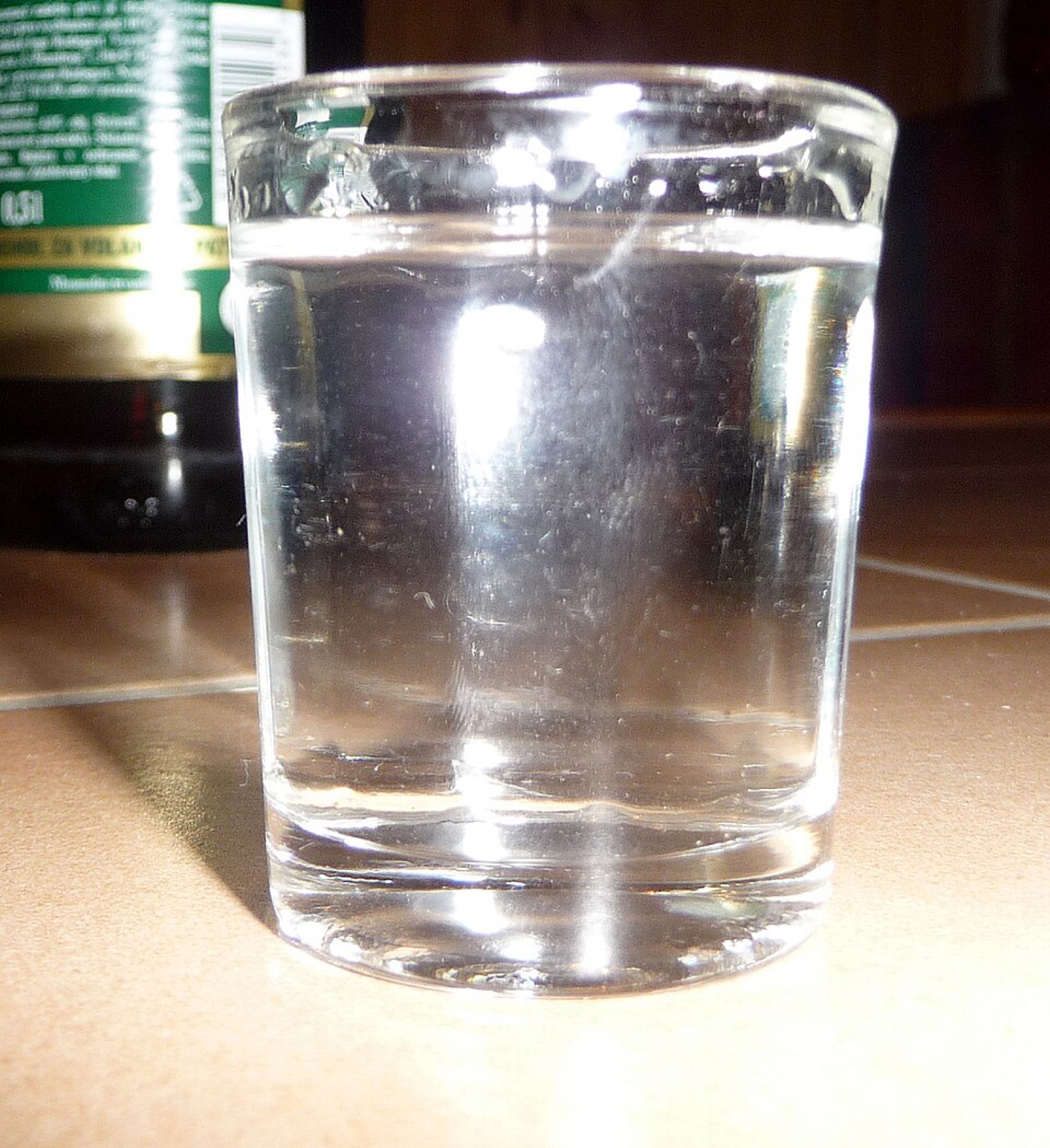
- Product photos showing a heavy base and straight walls (common in Libbey/Anchor-style designs).
- Clear material details such as “tempered glass” or “thick plastic” rather than just “glass shot glass.”
- Pack sizes aligned with events: 6-24 for reusable glass, 50-100+ for disposable plastic.
Scenario: stocking a bar or running a small ecommerce store
For ongoing use or resale, you want consistency and a replenishable SKU.
- Canadian distributors and restaurant-supply – Look for brands like Anchor Hocking or Pasabahce from distributors such as ParagonDirect or ChefSupplies. Their case packs (12-48 pieces) are designed for foodservice, which usually means standardized quality and re-orderable stock.
- US restaurant suppliers shipping to Canada – WebstaurantStore and similar sites carry branded 2 oz shot glasses in case quantities. Even with cross-border shipping, the per-glass cost can work for bars or ecommerce, provided you factor freight and duties.
When vetting these suppliers, focus on:
- Brand continuity – Staying with a known hospitality brand (Libbey, Anchor Hocking, Pasabahce) reduces variation between batches.
- Case pack information – Listings that specify exact pack counts (12, 24, 48) and case codes suggest a professional supply chain rather than a generic import.
- Breakage handling – Scan reviews and product Q&A for mentions of how well-packed the cases are. With glassware, a supplier that routinely ships intact cartons is worth paying for.
MOQ, pricing, and smart channel choices for Canadian bulk buyers
Two-ounce shot glasses are low-ticket items, but they’re heavy and fragile in bulk. That’s why your best buying channel changes with quantity.
Here’s a practical way to think about it:
| Use case | Quantity and best-fit route |
|---|---|
| House party or small event | Typical quantity: 24-120 glass shots or 100-300 plastic cups. Route: Canadian retail marketplaces or event rental. Why it works: Fast access without a business account; rental also avoids washing and storage. |
| New bar or cafe | Typical quantity: 48-200 or more glass shots. Route: Canadian hospitality distributors. Why it works: Case packs from established glassware brands and more consistent replenishment. |
| Canada-based small ecommerce store | Typical quantity: 50-300 glass shots per design. Route: Canadian distributors or US restaurant suppliers. Why it works: Professional-grade glassware, repeatable SKUs, and manageable MOQs for a micro brand. |
| Large promotion or low-cost resale | Typical quantity: 500 or more plastic 2-ounce shot cups. Route: Global marketplaces or direct import. Why it works: Unit cost matters more than brand, while plastic reduces freight and breakage risk. |
How quantity affects your landed cost
Glass shot glasses are dense; a case of 48 can be surprisingly heavy. As you move from buying two 24-packs on Amazon.ca to pallet-level import, freight and breakage start to dominate your cost per glass.
- Under ~200 units in glass – Local retail or Canadian restaurant-supply usually wins. The freight is baked into consumer shipping or short-haul distribution.
- A few hundred units in glass – A Canadian distributor case-pack (12-48 pieces) from a brand like Anchor Hocking or Pasabahce often balances durability and price without complex logistics.
- Thousands of units, especially plastic – Direct import or global marketplaces can make sense because per-unit production costs are very low and plastic tolerates long-haul shipping better than glass.
Where cross-border marketplaces, including DHgate, can fit
For very large, price-driven orders of reusable or disposable drinkware, some buyers look beyond North American distributors toward global marketplaces. DHgate, for example, is one of several platforms where sellers offer bulk drinkware and party cups.
If you explore that route for 2-ounce shot glasses or plastic mini cups:
- Treat every seller as its own small business. Check product photos, material descriptions, and feedback for that specific listing—there’s no single quality standard across the marketplace.
- Start with a small trial order or sample run before committing to a container’s worth of glass or plastic.
If you need help generally evaluating sellers on DHgate (for any product), resources such as finding wholesale suppliers on DHgate and choosing a DHgate wholesale supplier can help you build a checklist.
For most Canadian party planners and small ecommerce brands, though, you’re unlikely to order enough 2-ounce shot glasses to justify complex cross-border sourcing. Stick with Canadian retail marketplaces for one-off parties, and move to local distributors or major restaurant-supply sites once you’re buying by the case and care about long-term inventory consistency.