
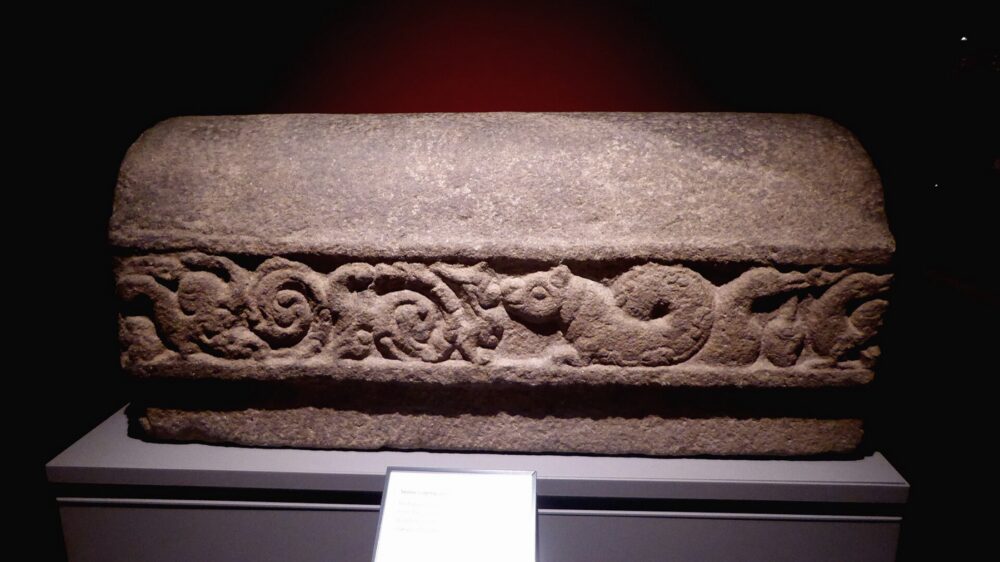
Authentic Indian stone coping stones for Canadian projects are easiest to trust when you buy through a known importer or specialist retailer that can document origin, material, and finish. In practice, that looks like Indian sandstone or limestone coping in standard sizes, with clear descriptions (Raj, Kandla grey, mint, Kota limestone), a stated finish (riven, sawn, bullnose), and a supplier who will put those details in writing. UK specialist sites show these stones retailing in a mid-range band per piece; Canadian importers then layer freight and duties on top. Once you know those benchmarks, you can compare local offers, UK online orders, and marketplace listings and walk away from anything that looks too vague or too cheap.
What buyers mean by “authentic Indian stone coping” and why trust feels tricky
When suppliers talk about Indian stone coping, they’re usually referring to sandstone or limestone quarried in India and cut to sit on top of garden walls, pool edges, and raised beds. Genuine examples include mint-colored sandstone copings and multi-toned Raj sandstone in both riven (textured) and sawn (smooth) finishes.
Cheshire Paving Stones, a UK specialist, sells Mint Indian Stone Coping Stones for garden walls with a light, creamy color palette and hand-cut edges, priced per piece at UK retail as of their latest listing.Mint Indian Stone Coping Stones are a good visual benchmark for what real mint sandstone coping looks like. Bridge Street Stone’s Raj riven sandstone coping stones show the typical mix of browns, greens, and greys with a natural riven top and dressed edges, again sold as wall coping in set sizes.Raj riven sandstone coping stones illustrate the color variation and rustic texture you should expect from genuine Raj sandstone.
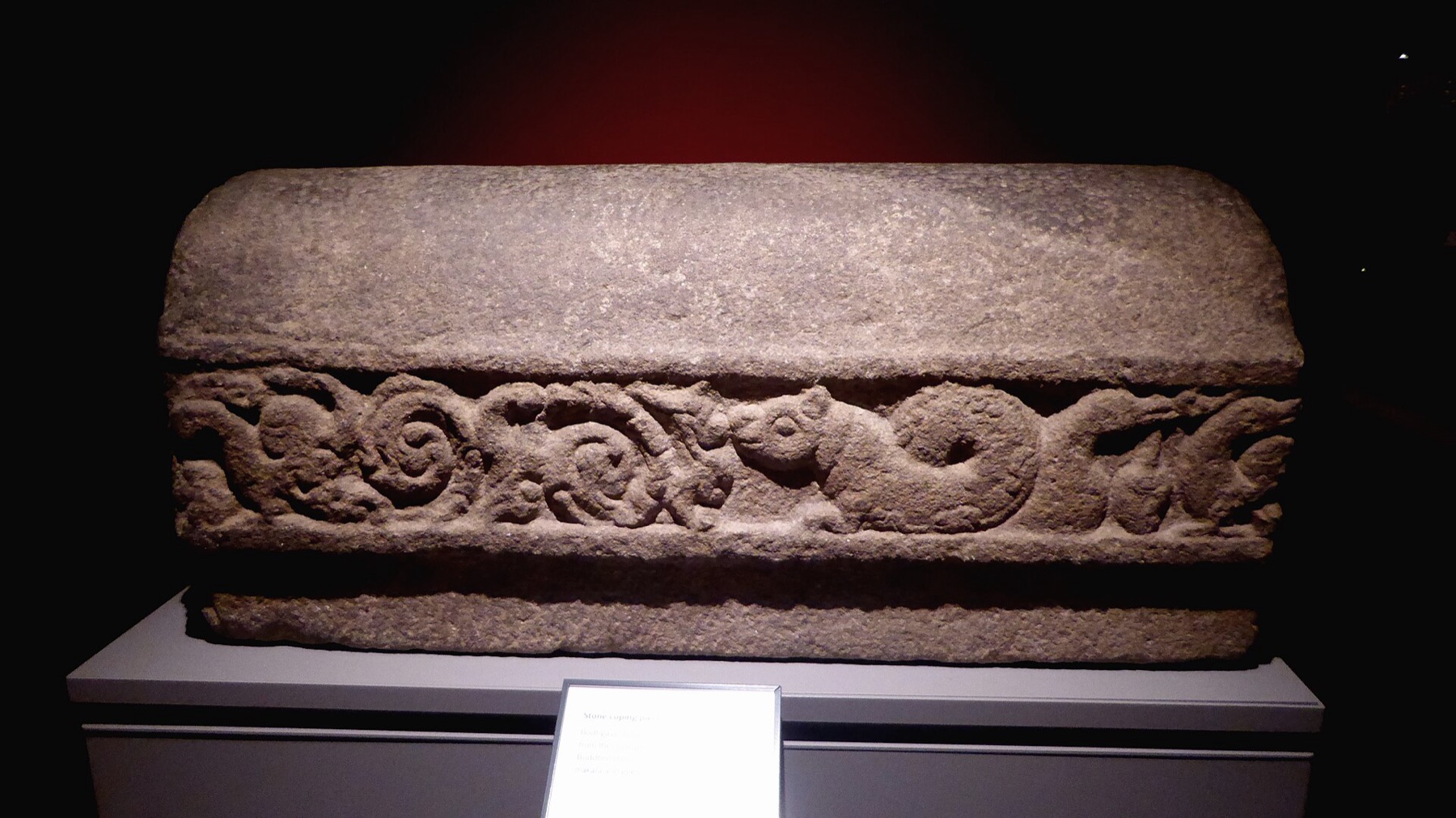
Trust becomes tricky for Canadian buyers because:
- “Indian” is sometimes used as a style label, not a proven origin.
- Listings may skip critical data like thickness, edge profile (bullnose vs straight), and surface finish.
- Stones that look similar online can perform very differently in a freeze–thaw climate.
You can’t fully solve the climate question without local engineering advice, but you can insist on documented origin (quarry or at least country), named material (e.g., “Kandla grey sandstone,” “Kota limestone”), and precise dimensions before you consider the stone authentic enough to import.
Safer ways to source Indian coping stones for Canada: local importers vs direct cross-border buys
For Canadian homeowners, contractors, or small resellers, there are three main ways to get Indian coping stones: Canadian stone importers, overseas online specialists, and general marketplaces.
1. Canadian importers and distributors
Canadian firms that specialize in Indian stone give you a relatively low-friction way to buy coping. Kota Black in Ontario markets Indian limestone products including wall coping and coping stones, delivering across Canadian and many U.S. locations.Kota Black Indian Stones lists a broad range of coping profiles (thin coping, swimming pool coping, sawn, rockface, bullnose, rebated sections), which is a strong sign they are dealing with proper construction-grade stock, not decorative pebbles.
Similarly, Silver Grey in Ontario presents Indian stone wall coping and coping stones as part of a wider natural stone range.Silver Grey Indian Stones also references square-cut flagstone, paving slabs, and steps alongside coping, which is typical of importers who are bringing in full container loads of Indian material.
With local importers, your trust checks are concrete:
- Confirm that the coping you’re buying is part of their Indian stone product line, not a substituted local material.
- Ask for a written quote listing material (e.g., “Indian sandstone” vs “limestone”), finish (riven/sawn, bullnose/straight), and exact dimensions.
- Request photos of actual stock in their yard, not just catalog images from overseas quarries.
You still need to think about freight to your job site and potential breakage, but you aren’t personally managing ocean shipping or customs, which removes a major risk layer.
2. Direct overseas e‑commerce (UK specialists)
Many Indian sandstone copings reaching Canada are actually bought from UK e‑commerce brands that specialise in Indian paving. From Canada, you’d be ordering internationally, paying in GBP, and arranging shipping, which raises cost and complexity—but gives you access to very detailed listings.
For example, Bridge Street Stone’s Raj sawn sandstone coping stones show precise dimensions, sawn smooth tops, and a clean edge profile, with per‑piece UK retail pricing that sits in a mid-range band for natural coping.Raj sawn sandstone coping stones can serve as a rough benchmark: they’re not bargain-basement, but not ultra-premium either.
When you compare UK prices to Canadian offers, keep in mind:
- Currency conversion.
- Pallet freight from the UK to Canada (often more than the stone itself).
- Duties and taxes on arrival.
If you see a cross-border seller offering “Indian sandstone coping” at a fraction of typical UK per-piece prices once you include shipping, that’s a signal to dig deeper. It may be undersized, a different stone entirely, or simply poorly described.
3. General marketplaces and mixed stone offers
General online marketplaces, including DHgate, list many stone-related goods—from decorative crystals and massage stones to building components described as “building materials”. They’re not focused on construction-grade Indian coping stones, so any relevant listing you do find should be treated as an outlier and checked extremely carefully.
Your minimum due diligence on any marketplace listing should include:
- Looking for full construction-level specs: length, width, thickness, edge profile, finish, and material type.
- Comparing the per‑piece price against UK specialist benchmarks for mint or Raj coping; big gaps deserve skepticism.
- Checking how the seller handles breakage and mis-specification in writing, not just in vague listing text.
If those details are missing or inconsistent, the safest decision is often to walk away and use a proven importer or specialist. For broader marketplace risk tactics, you can borrow the principles in Assess DHgate listing and seller risk even when you’re shopping off‑platform.
How different channels handle risk: price ranges, protections, and when to walk away
Indian stone coping is bulky, brittle, and expensive to ship. You’re managing three types of risk: overpaying, getting misdescribed stone, and losing pieces in transit. Channel choice changes how much of that risk you personally carry.
Here’s a compact way to think about it, using observed UK retail prices as a benchmark and editorial judgment on risk exposure:
| Sourcing channel | Price, risk, and trust notes |
|---|---|
| Canadian importer, such as a Kota Black or Silver Grey specialist | Price cue: The total job quote may exceed UK per-piece pricing but should become plausible after local freight is included. Risk: The importer handles ocean freight; you handle local delivery. Trust signal: A detailed written specification and current photos of yard stock. |
| UK online specialist, such as Cheshire or Bridge Street | Price cue: Per-piece pricing should be comparable with current mint or Raj listings, plus substantial pallet freight to Canada. Risk: You or your shipper manage international transit. Trust signal: A complete product page stating dimensions, finish, and origin. |
| General marketplace listing | Price cue: Treat a delivered price that still sharply undercuts UK retail as suspicious. Risk: The buyer carries most shipping and breakage exposure, while seller terms vary. Trust signal: Construction-grade specifications and clear, consistent photos. |
Cheshire’s mint coping page lists individual sandstone copings at a mid-range per‑piece UK price as of its latest update. Bridge Street’s Raj sawn coping sits in a comparable band. Offers that line up roughly with these once you add realistic freight and duties feel more plausible than those that claim “Indian coping” at a fraction of those levels.
Red flags that should push you toward a different supplier:
- No mention of India or a specific Indian stone type; just “natural stone coping”.
- Single stock photo reused across multiple color names.
- Dimensions missing or described only as “standard”.
- Seller unwilling to provide a written order confirmation listing material, origin, finish, and sizes.
For many Canadian buyers, the pragmatic trust verdict is:
- Use local importers when you want to minimize cross-border logistics and can visit or at least see yard stock.
- Use UK specialists when you’re comfortable managing international freight and need a very specific profile or color.
- Treat marketplace listings as high-scrutiny options, only proceeding if they match the level of detail and price realism you see from specialist coping suppliers.
If an offer can’t clear those basic checks, the safest decision is not to buy, even if the upfront price looks tempting.