
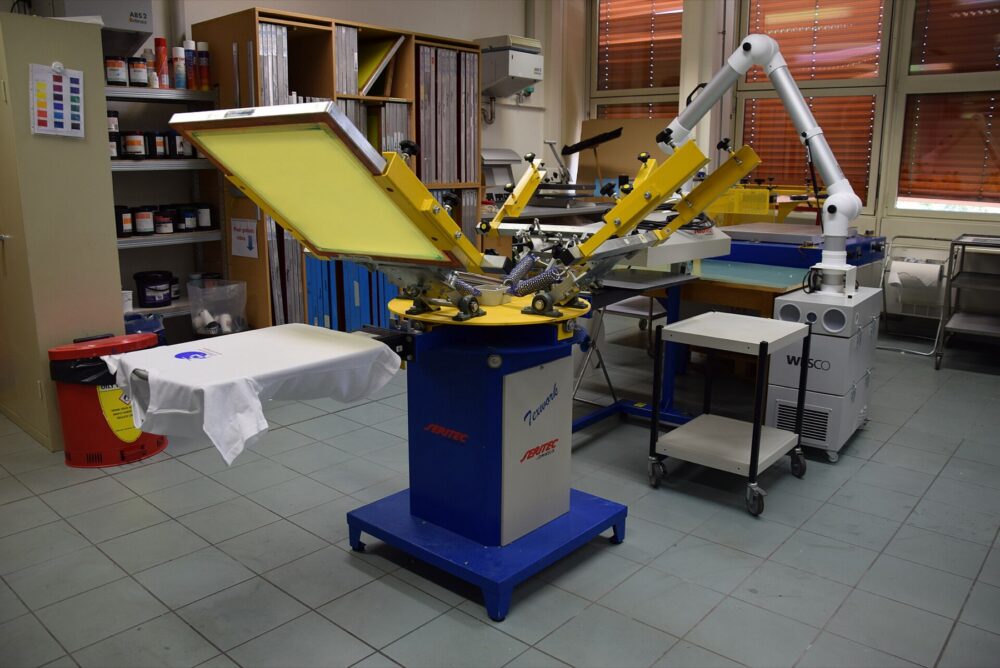
Body Covers is a long-running screen-printing and embroidery shop in Laconia, New Hampshire that designs and decorates clothing for corporate and athletic clients. For a small US brand or ecommerce seller, a shop like this is one practical way to get custom T-shirts, uniforms, or team gear made. But as your volumes grow or your margins tighten, you’ll start comparing local printers like Body Covers to larger contract manufacturers and cross-border suppliers, each with very different costs, lead times, and risks.
This article uses Body Covers as a concrete example of a local screen printer, then zooms out so you can decide whether to stay local, go to a domestic contract printer, or explore overseas production for your custom apparel.
How Body Covers and Similar Shops Fit into Custom Apparel
Body Covers describes itself as a creative custom screen-printing and embroidery company based in Laconia, NH, established in 1989, offering custom clothing design for corporate and athletic clients.Creative Custom Screen Printing and Embroidery and its Our History page confirm that they’ve been serving regional businesses and teams for decades.
Their service mix is typical of many local US print shops:
- Screen printing for logos, graphics, and text on T‑shirts, hoodies, jerseys, and other garments.Screen Printing
- Embroidery and monogramming for polos, caps, jackets, and uniforms where a stitched logo or name looks more premium.Embroidery
Most shops in this category focus on decorating blank garments from third‑party wholesalers rather than knitting fabric or cutting and sewing garments themselves. Your supply chain typically looks like this:
- You choose blank garments (e.g., cotton tees, performance polos) from brands the shop carries.
- You provide artwork and placement specs.
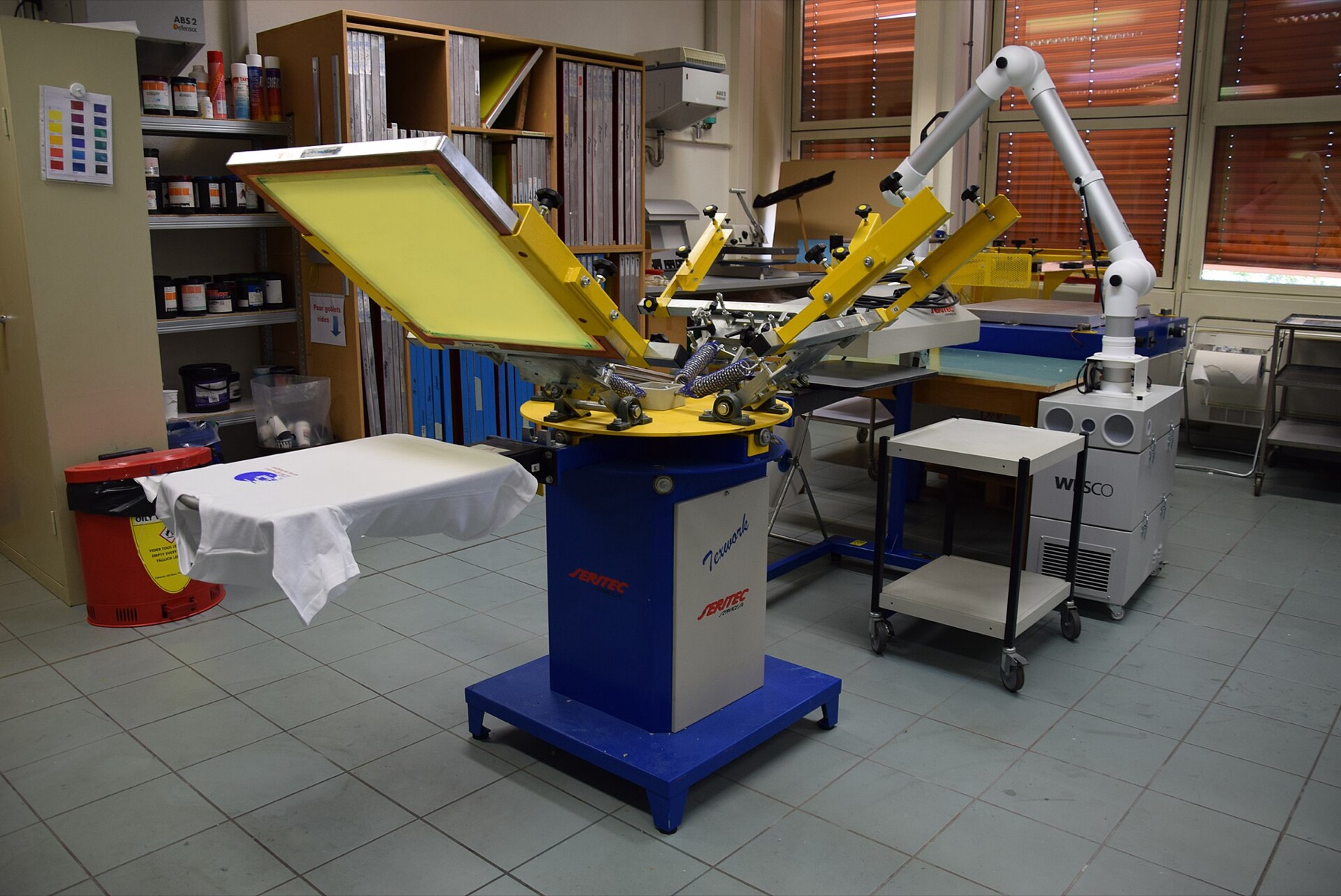
- The shop handles film, screens, ink mixes, embroidery digitizing, and actual printing/embroidery.
- You receive finished, decorated apparel.
Screen-printing shops like Body Covers are ideal when:
- You need regional service (local drop-offs, in‑person design discussions).
- Your volumes are small to mid‑size (company event shirts, league jerseys, small retail drops).
- You value flexibility over rock-bottom unit cost.
As you move beyond that—launching a national apparel line or stocking a busy online store—you start looking at two other paths:
- Domestic contract printers/manufacturers that specialize in ongoing wholesale programs.
- Cross-border production where both blanks and printing happen overseas to lower unit cost, with longer lead times and higher logistics complexity.
Vetting Screen-Printing Suppliers for Wholesale Orders
Whether you’re talking to Body Covers or a larger contract printer, the way you evaluate them changes once you’re ordering hundreds or thousands of units instead of a one‑off team order.
Practical checks specific to screen printing
Here are concrete things to ask and look for that matter for bulk custom apparel:
- Print capabilities and techniques. Ask what garment types and ink systems they work with (plastisol, water-based, discharge). A shop that mostly does basic cotton tees may not be the best fit for technical athletic fabrics.
- Embroidery quality. Request close-up photos of past embroidery jobs or physical samples, especially if you need small text or detailed logos that can be hard to sew cleanly.
- Color accuracy. For brand-heavy work, confirm how they handle Pantone matching and whether they can send a test print for approval before running your full job.
- Art and setup workflow. Clarify who handles separation and digitizing, how many rounds of proofing you get, and how they charge for screen setups or embroidery files.
Supplier vetting checklist (applied, not generic)
For wholesale orders, layer on these checks:
- Consistency across runs. Ask for references from corporate or athletic clients—Body Covers, for example, highlights these customer types—which can tell you if repeat orders look the same year after year.
- Capacity and scheduling. Get a clear picture of how many prints they typically run in a week and how they schedule peak seasons (for athletic gear, that might be pre‑season rushes).
- Defect and reprint policy. Not just “we fix issues”—push for specifics: what happens if 3% of shirts have misprints, or a color is off compared to your approved sample?
- Packaging and labeling options. For ecommerce, you may need size stickers, individual bagging, or custom neck labels. Ask if they offer any of that or if you’ll need a secondary vendor.
A useful way to approach conversations is to show them one concrete scenario: “We plan to order 500 branded hoodies every quarter for online sales. Can you handle that volume, maintain consistent print quality across reorders, and keep artwork files organized so each batch looks the same?” The answers will quickly show whether you’re dealing with a small local shop optimized for one‑off runs or a printer with wholesale systems in place.
Order Size, Pricing, and Picking Your Channel
Your best sourcing route depends heavily on your order size and your tolerance for complexity. To make the tradeoffs concrete, it helps to compare three practical channels: local shops (like Body Covers), domestic contract manufacturers, and cross-border marketplaces.
1. Local screen-printing shops (Body Covers model)
- Best for: 24-500 units per design, regional teams and businesses, small ecommerce tests.
- Pros: Easy communication, shorter domestic transit, quick artwork tweaks, lower upfront complexity.
- Cons: Higher unit costs than overseas, limited fabric/garment variety, capacity constraints during busy seasons.
Body Covers’ mix of screen printing, embroidery, and monogramming for local corporate and athletic clients is typical of this tier.Screen Printing You’re paying partly for proximity and service.
2. Domestic contract printers and cover manufacturers
If you’re moving into thousands of units or branching into protective covers (for equipment, furniture, etc.) in addition to apparel, you may work with factories that focus on private label and contract production. Sites like Find My Manufacturer’s custom covers page list manufacturers that produce a wide range of custom covers; many similar factories also run large-scale textile printing and sewing.
- Best for: Ongoing programs with predictable volumes, more complex SKUs (mixed apparel and fabric covers).
- Pros: US‑based communication and law, potentially broader capabilities (cut-and-sew, pattern making, custom fabrics).
- Cons: Higher MOQs than local shops, more formal onboarding, sometimes higher pricing than overseas.
This route makes sense when you’ve validated demand and are ready to commit to a structured production relationship.
3. Cross-border marketplaces and printed-goods suppliers (including DHgate)
For pure printed materials (catalogs, lookbooks, hang tags) and some apparel, you can source via cross-border marketplaces. As one example, DHgate lists multiple packaging & printing services where overseas factories produce catalogs, brochures, photo albums, and similar materials.
Here’s a snapshot of DHgate printing-related listings observed on 2026-10-12 (prices and availability can change):
| Listing | Observed category, price, and supplier context |
|---|---|
| Printed catalog, brochure, photo album, magazine | Packaging & Printing Service; observed at USD 0.41-0.44; seller `jxmyysys`, with an industrial-printing focus. |
| Corporate promotional brochure printing & book production | Packaging & Printing Service; observed at USD 0.41-0.44; also sold by `jxmyysys`, covering catalogs, manuals, and colour pages. |
| Customizable advertising catalogs & menu books | Packaging & Printing Service; observed at USD 2.40-2.82; seller `linghecai`, positioned for branding materials. |
For apparel, you’ll find finished printed garments and sets (tracksuits, hoodies, swimwear) from various sellers, but most listings are ready-made designs rather than true contract screen printing of your brand. Unit prices vary widely and seller quality is not guaranteed by the marketplace; you need to vet each seller individually.
A reasonable way to use a marketplace like DHgate in a custom apparel plan is:
- Keep brand-critical printing (logos on the garment) with a known local or domestic partner.
- Use cross-border printing services for supporting materials (catalogs, flyers, packaging) once you’ve confirmed a supplier’s samples meet your standards.
If you decide to explore DHgate, it can help to read platform-specific guidance first, such as how to find wholesale suppliers on DHgate or choose a DHgate wholesale supplier. Those resources focus on seller vetting, which is crucial when you’re dealing with cross-border printing.
Quick scenario mapping
Use this simple mapping to pick your starting point:
- Local shop like Body Covers: You’re in the US, ordering up to a few hundred units per design, and want fast, collaborative design and decoration on standard garments.
- Domestic contract manufacturer: You have predictable, high-volume demand and may need both garments and covers or more complex sewn products produced to spec.
Treat Body Covers and similar screen printers as part of a larger sourcing toolkit. For many small brands, starting with a local shop to refine your designs and build initial demand, then stepping up to contract or cross-border partners once the numbers justify the extra risk and complexity, is the most practical path.