
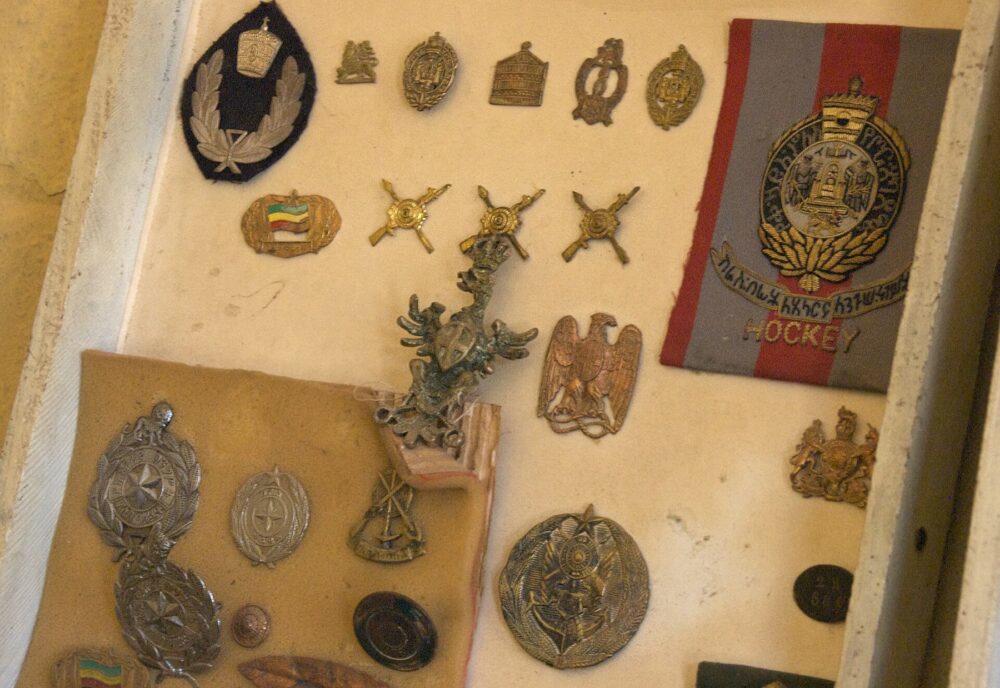
If you’re stocking vintage brooches and pins for US resale, your wholesale choices divide into two very different routes: true vintage lots (secondhand pieces from past decades) and new, factory-made vintage-style designs. True vintage usually comes through estate sales, auctions, vintage distributors and mixed lots on peer marketplaces; vintage-style is produced in bulk by jewelry factories and sold on domestic and cross-border platforms. Your best source depends on how much authenticity you need, what volumes you’re buying, and how much sorting and repair work you’re willing to do.
For a small Etsy shop or boutique, curated mixed lots from vintage specialists can deliver unique margins and storytelling but require more hands-on curation. For an Amazon or marketplace seller who needs hundreds of consistent SKUs, factory-made retro pins from wholesale platforms are often more realistic—even if they’re “vintage-inspired” rather than actually old.
How Vintage Brooches and Pins Reach the Bulk Market
Brooches and pins started as practical fasteners for garments and evolved into decorative accessories and collectibles over centuries, appearing in everything from costume jewelry to branded lapel pins (Encyclopedia.com overview). In the wholesale world today, that history splits your sourcing into two main supply chains:
- True vintage pins – Secondhand pieces made decades ago. They enter bulk channels when estates are liquidated, collectors sell off inventory, or thrift and charity shops bale unsorted donations. Some distributors specialize in vintage clothing and accessories bales that may include brooches and pins, sourced from those estates, auctions and donations.
- Vintage-style factory pins – Newly manufactured brooches designed to look retro (Victorian, mid-century, punk, etc.). These are made in jewelry factories, often overseas, then distributed via domestic wholesalers, brand-owned sites, or marketplaces.
Why this distinction matters:
- Authenticity and age influence your resale positioning (“1960s costume brooch” vs “retro floral pin”) and pricing power.
- Supply consistency: True vintage is inherently limited and mixed; factory-made designs can be reordered in precise quantities.
- Condition work: Secondhand lots involve cleaning, repair and grading; new pins arrive ready to list.
Here’s a compact comparison to anchor your sourcing decisions:
| Aspect | True vintage lots | Vintage-style factory pins |
|---|---|---|
| Origin | Estates, auctions, thrift bales, vintage dealers | Jewelry factories, brand suppliers |
| Typical channel | Vintage distributors, eBay/Etsy mixed lots | Amazon, Walmart, Ankorstore, cross-border sites |
| Consistency per design | Low (each piece different) | High (repeatable SKUs) |
| Prep work | High: sorting, cleaning, repair | Low: QC and tagging |
| Storytelling value | High (provenance, era) | Medium (style-based, not historical) |
For small resellers, true vintage can be a differentiator if you lean into curation and story. For bulk online sellers, vintage-style is often what makes the math work.
Selecting Bulk Suppliers for Vintage and Vintage-Style Pins
Once you know which side of the market you want, the next step is choosing suppliers and specific listings. Because brooches and pins are small, mixed lots are common; you’re often buying 20-200 pieces at a time without inspecting each one.
True vintage: evaluating mixed lots
Platforms like Etsy host independent sellers offering bulk vintage pin lots, often described as assortments from the 1960s–1990s across aesthetics and materials (Etsy bulk vintage pins search). eBay lists various vintage brooch lots where you can purchase mixed secondhand pieces in bulk (eBay vintage brooch lot category). When reviewing these kinds of lots:
- Photo density and zoom: You want overhead shots that show every piece in the lot, ideally multiple angles. Look for close-ups that reveal plating wear, missing stones and clasp types (C-clasp, safety pin backs, etc.).
- Condition grading language: Phrases like “as-is,” “craft lot,” or “for repair” signal lower-grade inventory. “Wear consistent with age” suggests more authentic but used pieces; factor in your time for cleaning and repairs.
- Era and style mix: Sellers may mention decades (“mostly 1980s”) or themes (floral, figural, holiday). Match that to your audience—an Etsy jewelry shop might want romantic mid-century rhinestone brooches, while a Depop seller could focus on 80s novelty pins.
For recurring inventory, some vintage distributors sell broader bales or boxes where brooches are mixed in with belts, scarves and clothing. These can be economical, but you’ll get a smaller share of pins and more sorting work.
Factory-made retro pins: reading wholesale-style listings
For new vintage-style brooches, you’ll see bulk bundles on mainstream marketplaces and wholesale platforms:
- Amazon lists clearance bundles and lots of vintage-style brooches and lapel pins targeted at low-cost resellers (Amazon vintage-style brooch lots).
- Walmart’s online catalog includes bulk brooches with floral, rhinestone, enamel and “vintage” looks (Walmart bulk brooches category).
- Ankorstore positions itself as a wholesale marketplace for retailers, with a dedicated brooches and pins category for business buyers (Ankorstore brooches & pins).
For these listings, focus on:
- Unit count and pack composition: Is it a single design in 100 units, or an assortment of 20 different designs at 5 units each? That affects how many product listings you can create.
- Metal and finish descriptions: Zinc alloy vs brass; gold-tone vs silver-tone; enamel vs plain metal. These details matter for customer expectations.
- Photo consistency: Factory pins should show uniform plating and stone placement across units. Uneven coloring could signal quality issues.
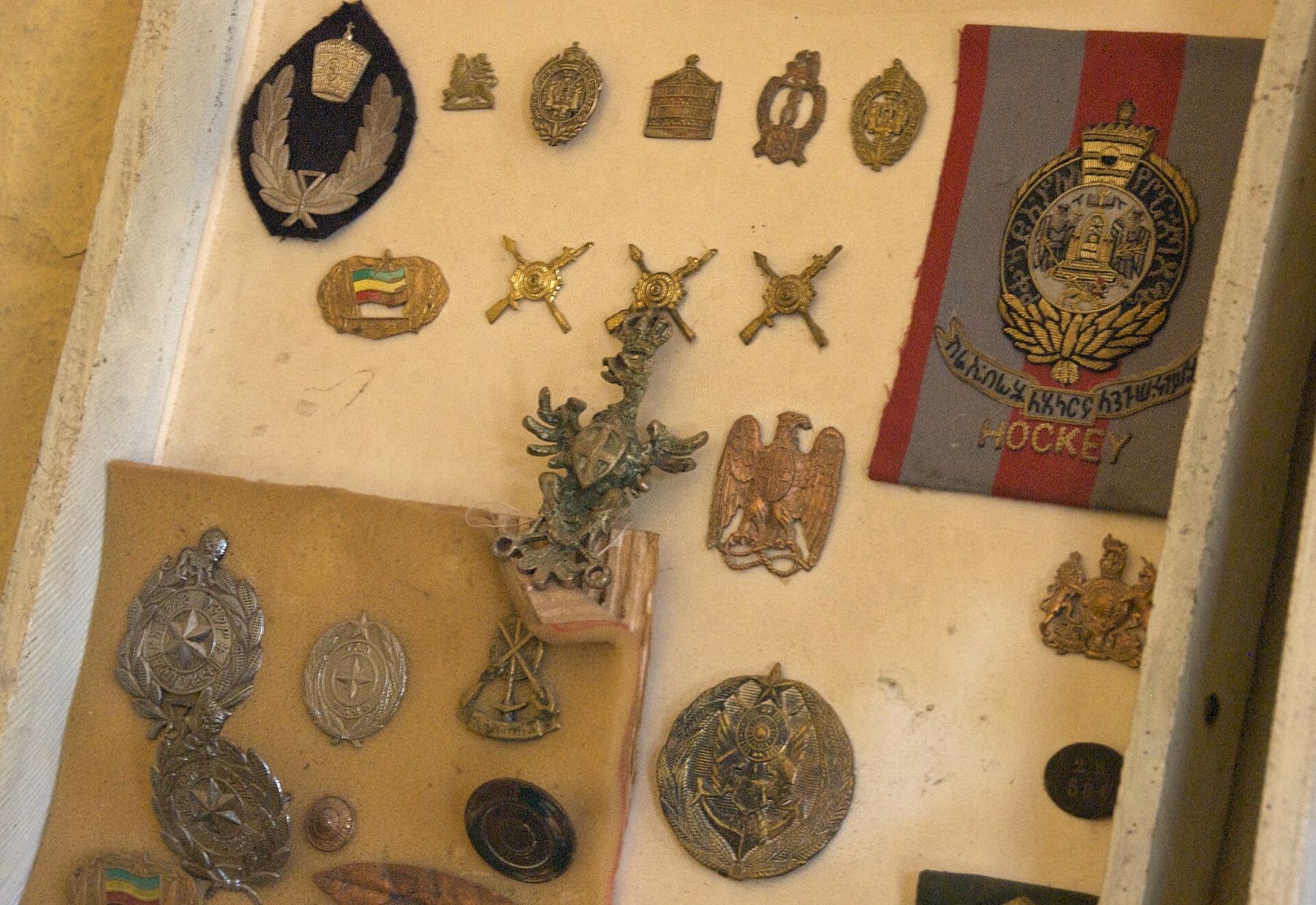
A practical workflow is to start with a small mixed lot (true vintage or factory assortment), sort pieces into A/B/C grades for resale, and then decide which supplier or style to scale.
Order Size, Pricing, and Choosing the Right Channel
Most sourcing decisions come down to volume, margin and control. For vintage brooches and pins, the choice between curated vintage sources, domestic wholesale platforms and cross-border marketplaces shapes all three.
Small, curated resale: vintage distributors and peer marketplaces
If you’re a small Etsy shop or Instagram seller aiming to move 20-100 pieces per month with strong storytelling, you’re usually best served by:
- Curated vintage wholesalers that sell boxes or trays of brooches they’ve pre-sorted from estates and auctions.
- Higher-quality mixed lots on Etsy/eBay where the seller shows clear photos and leans into era, brand marks, and styles.
You’ll pay more per unit than a factory lot, but you gain:
- Distinct pieces that support higher price points.
- The ability to highlight marks, materials and age (e.g., “signed costume brooch”), which can justify boutique pricing.
The tradeoff is time: cleaning, testing clasps, photographing unique items and handling higher per-item listing overhead.
Scaling volume: domestic wholesale and factory-made retro pins
If your goal is Amazon, Walmart Marketplace, or your own store with hundreds of units per SKU, vintage-style factory pins make more sense. Domestic wholesale platforms and big marketplaces offer:
- Repeatable SKUs: You can reorder the same floral brooch or lapel pin whenever you need restock.
- Predictable carton quantities: Packs of 10, 50, or 100 units make it easier to forecast.
Your margin comes from buying at a low unit cost and pricing for impulse purchases, wedding accessories, or costume use. Authenticity is less of a concern—you’re selling on style.
Where cross-border marketplaces, including DHgate, can fit
Cross-border marketplaces add another layer: access to factories and trading companies that produce vintage-style brooches at scale. As of 2026-10-10, DHgate showed multiple listings for retro-inspired brooch and pin designs sold like wholesale lots. For example:
- “Vintage Brooch Pin Gold/Silver Retro Shape” – categorized under Brooches, with a price range of about $22.50–$23.56 per lot (DHgate listing).
- “Fashion Vintage Brooches For Women Pin Animal Alloy Metal Chain” – a chain and animal-themed brooch listing around $10.64–$11.14 per lot (DHgate listing).
- “Vintage Antique Bronze Flower Pin Brooches High Quality Rhinestone Pins” – bronze-style floral brooches with rhinestones in the $13.84–$14.50 range (DHgate listing).
- “High Quality Vintage Viking Pins Medieval Nordic Brooch” – Nordic-inspired cloak pins listed around $19.98–$21.71 (DHgate listing).
This route can make sense if:
- You want distinctive retro themes that aren’t widely stocked by domestic wholesalers.
Since marketplaces like DHgate host many independent suppliers, you should treat each seller like a separate wholesaler. For DHgate-specific vetting and negotiation tactics, resources such as Find wholesale suppliers on DHgate, Find DHgate suppliers, and Choose a DHgate wholesale supplier can help you structure that process.
Matching channel to your business model
In practice, US resellers often mix channels:
- Small vintage-focused shops: Use estate-sourced or Etsy/eBay mixed lots for true vintage, occasionally topping up with higher-end pieces from jewelry dealers.
- Marketplace and DTC brands: Anchor catalogs on factory-made vintage-style pins from Amazon, Walmart, Ankorstore or cross-border suppliers, adding a few unique vintage pieces as upsell or “one-of-a-kind” features.
The key is to be honest with your audience about what “vintage” means in your store—true secondhand, vintage-inspired, or a blend—and pick wholesale routes that match that promise without stretching your margins or your capacity for hands-on curation.