
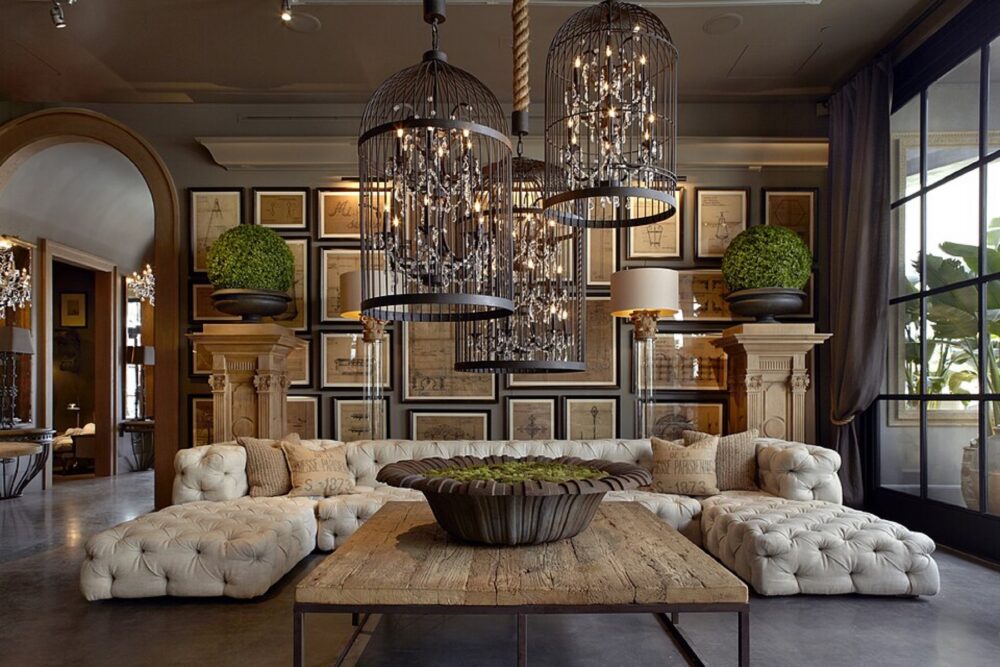
For an Australian home renovation that nods to Restoration Hardware’s neutral, timeless look without importing entire rooms from the U.S., the most practical route is a mix: source key furniture and most fittings from local heritage-style suppliers, then selectively add cross-border hardware and tools where the savings justify extra complexity. For one-off homeowner projects, that usually means buying RH-style anchor pieces locally and using imports only for small hardware lots. For small ecommerce sellers or repeat renovators, larger, planned batches of hardware and decor can make direct importing from overseas manufacturers or marketplaces worth the freight, customs and lead-time risk.
What “Restoration Hardware Style” Means for Australian Sourcing
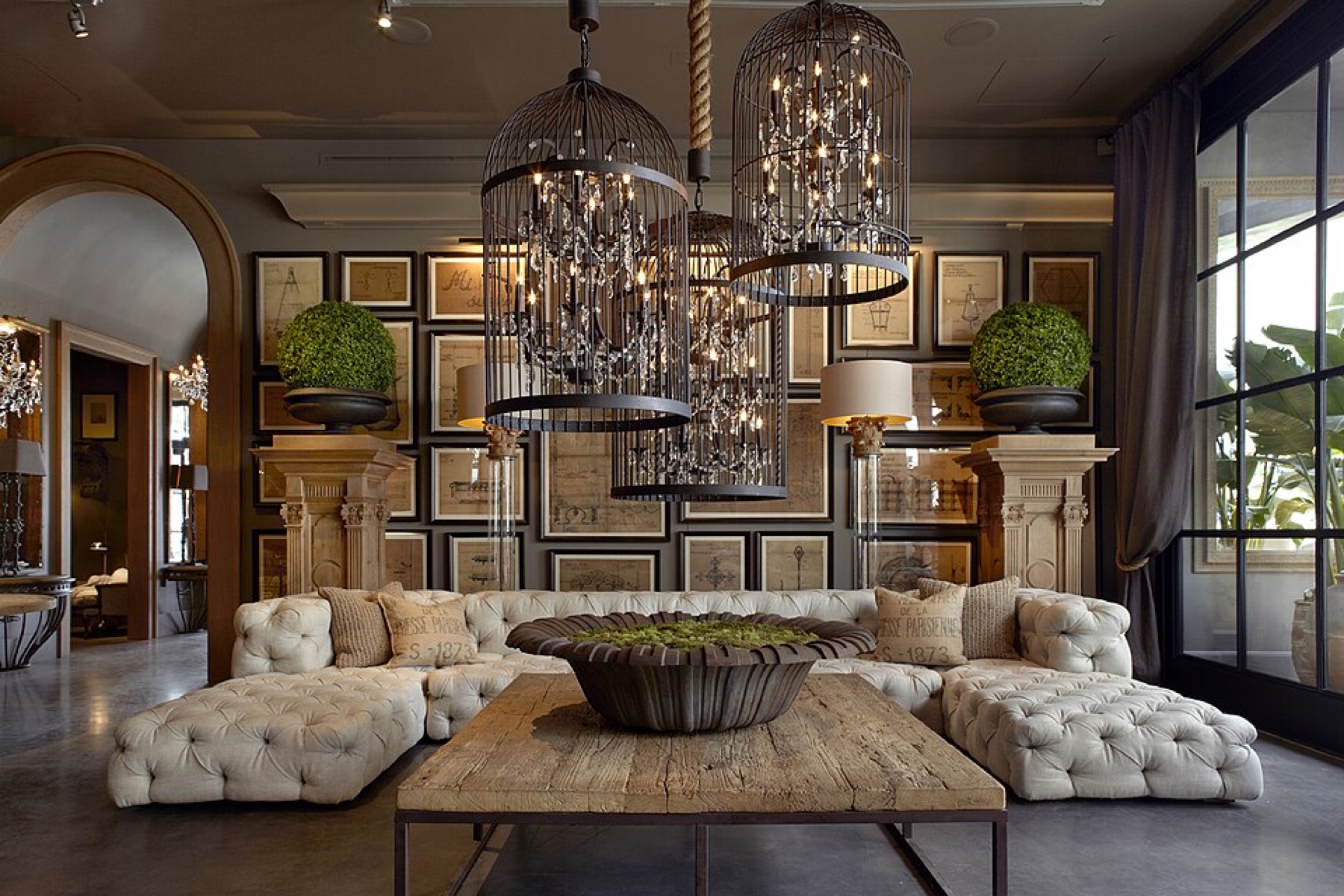
Restoration Hardware (now RH) is a luxury home furnishings brand that sells high-end furniture, lighting, textiles and decor built around calm neutrals, classic silhouettes and substantial materials like solid wood and metal. That aesthetic is as much about restraint as it is about price: oversized slipcovered sofas, linen upholstery, aged-brass hardware, stone-top tables and heritage-inspired lighting that feel timeless rather than trend-driven.
For an Australian project, think in two product buckets:
- Furnishings and decor – sofas, dining tables, sideboards, beds, mirrors, lighting, textiles.
- Restoration hardware and fittings – door knobs, hinges, window stays, cabinet pulls, sash lifts, bathroom and kitchen fixtures.
Luxury U.S. brands like RH sit at the top of a global supply chain that often runs through Asian and European factories, but you don’t need to buy directly from RH to get the look. Australia has its own restoration and heritage hardware ecosystem, and plenty of local furniture makers and importers offering Hamptons, heritage or “classic modern” ranges. Your sourcing job is to match that supply landscape to the realities of an Australian renovation: projects are expensive and time-sensitive, so delays or misfires in sourcing quickly blow out budgets and timelines.
In practice, most renovators treat RH as a style benchmark and then shop local or regional alternatives: heritage hardware specialists for the “bones” of the house, and mid-to-high furniture brands or custom makers for the big pieces.
Choosing Suppliers for RH-Inspired Furniture and Heritage Hardware in Australia
For the fittings that give a house its period charm, Australian specialists often beat importing in both practicality and consistency.
Heritage hardware and fittings
Two useful examples:
- Restoration Online – An Australian ecommerce store focused on traditional and heritage-style hardware and home fittings. Its catalog spans kitchen, bathroom and general home fittings in heritage and Hamptons styles as well as more modern lines, so you can match period-style knobs, latches and taps across rooms without mixing random imports. Restoration Online is designed around restoration needs rather than generic DIY.
- TradCo – A supplier of restoration hardware and heritage fittings across Australia that caters specifically to period-style and renovation projects. TradCo’s product range covers items like traditional door furniture, window hardware and decorative metalware, helping you keep the “restored” feel consistent across the build. You can explore their offering via TradCo.
Both operate as wholesale-friendly sources for small businesses (builders, designers, niche online stores) as well as individual renovators. When you evaluate suppliers in this niche, focus less on generic reviews and more on practical signals:
- Style depth and cross-room coverage – Can you get matching hardware families for doors, windows, cabinets and bathrooms in the same finish and style? That matters more for RH-style consistency than chasing the absolute cheapest knob.
- Material transparency – Look for clear descriptions of solid brass vs plated hardware, timber species, and finish types (lacquered, unlacquered, antiqued). RH-influenced looks rely on tactile quality; cutting corners here is where projects start to feel “dupe” rather than “considered”.
- Availability for reorders – For small ecommerce sellers, check whether lines are ongoing or seasonal. If you plan to stock a “heritage hardware” range, you need suppliers whose SKUs won’t vanish mid-year.
Furniture and lighting: local, semi-custom and imports
On the furniture side, you’ll be balancing budget, lead times and risk:
- Local mid/high brands and independents – These give you RH-adjacent aesthetics with predictable delivery and Australian consumer protections.
- Semi-custom makers – Smaller furniture workshops can replicate key RH cues (linen slipcovers, oak tables, metal-framed shelving) with tweaks to suit local rooms.
- Direct imports – For resellers or larger projects, importing RH-style pieces from overseas manufacturers can push per-unit prices down, but only if you have the volume to justify freight and longer timelines.
A useful vetting approach for furniture suppliers is to look at whole-room imagery rather than isolated product shots: RH-style sourcing is about coherence. If a brand’s collection images show the same calm neutral palette and weighty materials across sofas, tables and lighting, you’ll have an easier time building the look consistently.
Order Size, MOQs and Channel Choices for RH-Inspired Renovations
Because full home renovations in Australia are large, disruptive investments, your sourcing decisions need to match project scale and timing. Big builds often run on tight sequences – plumbers, sparkies, cabinetmakers – so a late shipment of hardware or lighting can stall entire trades.
Here’s a practical channel comparison tailored to RH-style pieces and fittings:
| Project / Buyer Type | Best Primary Channel | Where Imports Make Sense | Key Risks to Watch |
|---|---|---|---|
| Single-home owner, one-off renovation | Local heritage hardware + local furniture | Small lots of unique hardware or decor only | Style mismatch, long shipping delays |
| Renovation-focused builder / designer | Mix of local wholesalers + planned imports | Bulk hardware families, repeat-use fittings | Lead-time overruns, customs, storage space |
| Small ecommerce seller (hardware/decor) | Heritage wholesalers + selected manufacturers | Regular hardware SKUs, small furniture batches | MOQ pressure, inventory tied up in one look |
| Online-only decor reseller | Global marketplaces + local filler stock | Trend-led decor, non-structural accessories | Quality variance, inconsistent style, returns |
How MOQs and lead times should drive your choices
- Low-volume, high-stakes items (front door sets, stair balustrades, kitchen taps) are better sourced locally, where you can see finishes and get replacements quickly.
- High-volume, repeatable items (cabinet pulls, internal door knobs, sash hardware) are candidates for wholesale imports if you have multiple projects or an ecommerce channel. A single container or pallet can cover several builds.
- Decor and soft goods (cushions, throws, art) can swing either way. For RH-inspired rooms, many Australian buyers choose neutral, good-quality stock locally and experiment with imported accent pieces where delays are less critical.
Where global marketplaces — including DHgate — realistically fit
If you decide that the potential savings justify this route:
- Treat marketplaces as supplementary, not core, for critical structural or safety-related fittings.
- Drill into individual listings: inspect photos, material descriptions and any available buyer feedback rather than assuming platform-wide standards.
- Start with test orders on non-critical items before committing bulk spend.
Quick scenario callouts
- Homeowner with a single Federation renovation: Use Restoration Online or TradCo for all visible hardware, then layer in a few statement furniture pieces from local brands that echo RH’s neutral palette. Skip complex imports unless there’s a very specific item you can’t source locally.
- Small online store selling “heritage hardware”: Anchor your range with dependable Australian suppliers for core SKUs, then experiment with one or two imported lines of niche hardware (say, unusual hinges or window stays) once you’ve tested samples and lead times.
Across both scenarios, the goal isn’t to replicate RH piece-for-piece. It’s to capture the same sense of timeless weight and coherence by choosing channels that respect your budget, your schedule and the realities of building or selling in Australia.