
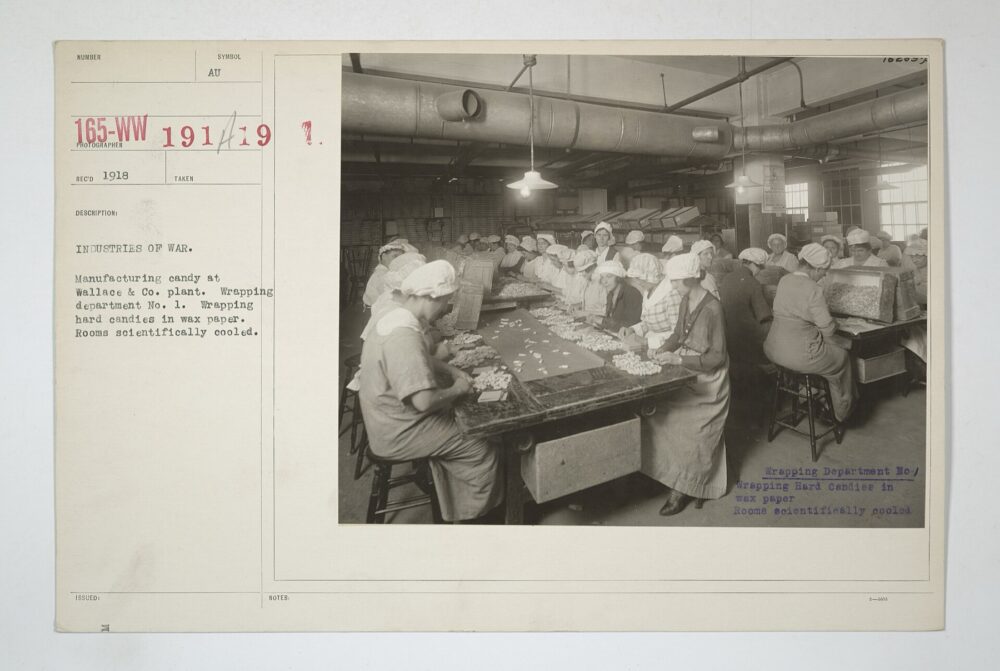
If you’re buying candy wrapping for a Canadian event or ecommerce brand, you get the best value by matching the wrapper to your actual use (foil squares, twist wraps, bags, boxes), then comparing the per‑unit cost across local retailers, wholesalers, and cross‑border marketplaces with shipping and import fees factored in. For many small buyers, larger retail/marketplace packs of basic foil or plastic bags are cheapest. Once you need branded or shaped packaging (wedding favors, holiday boxes), wholesale and cross‑border sites can beat domestic custom print runs—but only if you’re comfortable with higher minimum order quantities (MOQs) and longer timelines.
What Candy Wrapping Includes and How Its Costs Break Down
Candy wrapping isn’t just foil squares. For budgeting, think in terms of formats:
- Primary wraps: aluminum foil squares for chocolates, waxed paper or cellophane for hard candies, plastic films for bars.
- Secondary packaging: small bags, envelopes, pillow boxes, tins and baskets used for gifting or retail display.
Retail examples show how basic foil pricing works. On Amazon.ca, a listing for 250 foil candy wrappers for chocolates and lollipops illustrates that packs are sold by sheet count and that larger packs push unit cost down compared to very small craft packs.Linen and Bags foil wrappers On Walmart.ca, a 100‑count pack of aluminum foil candy wrappers offers a budget option aimed at home candy making and small buyers.Durable foil wrappers example
For a Canadian buyer, total cost isn’t just the sticker price:
- Unit price: cost per wrapper, bag, or box—this is what you want to normalize across channels.
- Shipping: domestic parcel rates vs. international shipping; light but bulky packaging can still be expensive to ship.
- Import fees: for cross‑border orders, duties and taxes can apply. You can get a deeper sense of these via resources like Understand customs, tariffs and import fees.
- Customization: printing logos, patterns, or brand colors adds setup and design costs, which spread out better over larger runs.
Packaging references point out that wrapping serves both a protective function (keeping candy clean, preserving texture) and a decorative function (making it attractive for sale or gifting).general wrapping overview You’re paying for both, whether that’s a simple foil square or an elaborate suitcase‑shaped box for party favors.
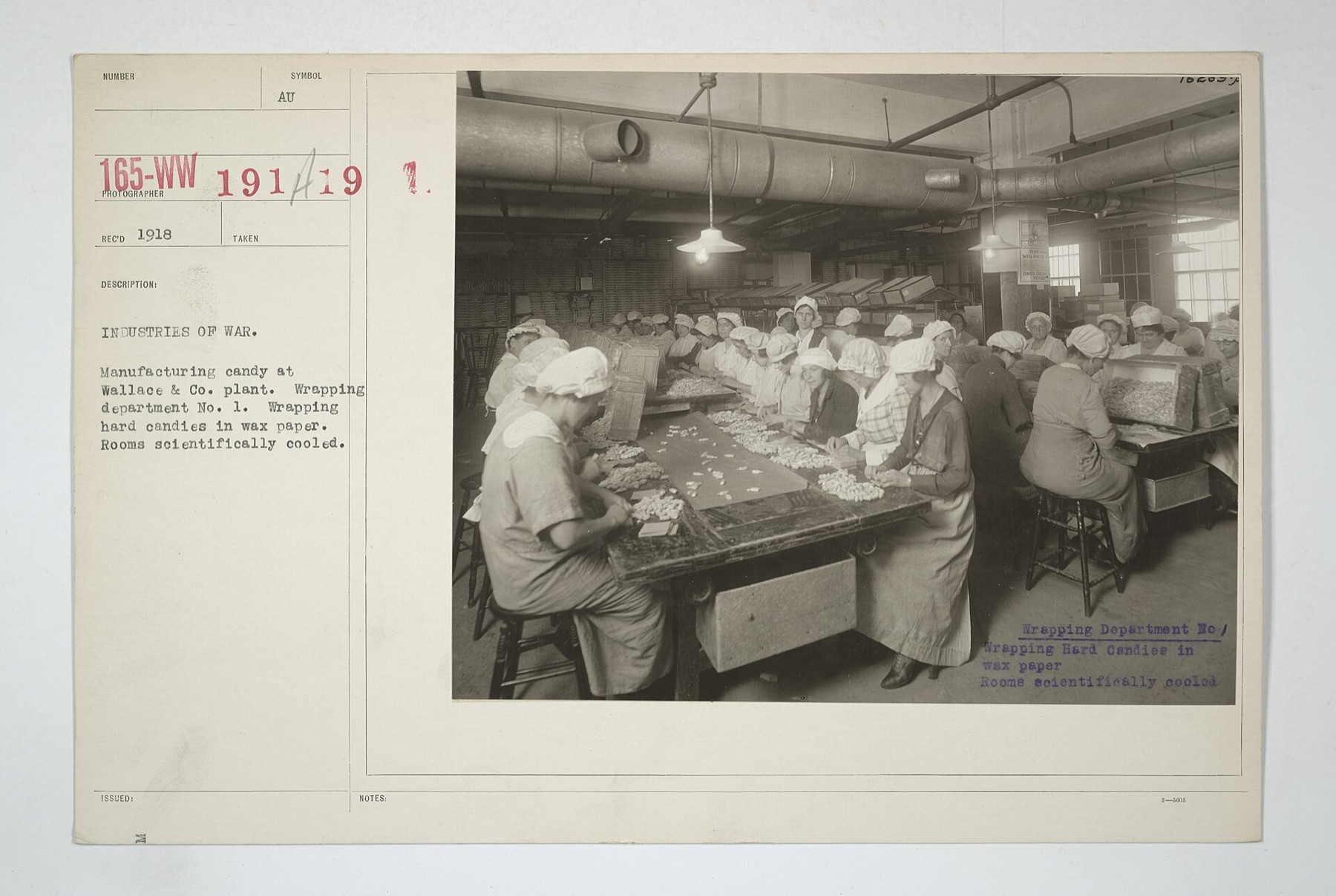
Why Bulk Candy Wrapping Prices Vary So Much
Two wraps can look similar and still cost very different amounts. Key drivers:
1. Material and performance
Industry sources highlight common candy wrapping materials.wrapper materials overview
- Aluminum foil: common for chocolate; folds tightly, offers good light and moisture barrier. Usually inexpensive in plain colors.
- Waxed paper: used for taffy and hard candy twists. Cheaper, but less of a long‑term barrier.
- Cellophane: clear, glossy, good for visibility; comes in rolls and pre‑cut pieces.
- Plastic films (OPP, PET): often used for candy bars and printed wrappers. Good for heavy branding, but requires more specialized printing setups.
Higher‑barrier films and specialty finishes (metallic colors, holographic film) tend to cost more per unit than simple foil or waxed paper.
2. MOQ and print customization
Wholesale and custom print suppliers often require a minimum run to make setup costs worthwhile. Large MOQs drop the per‑unit price but tie up more cash and storage space.
- Generic foil squares from retail or marketplace listings can be bought in counts like 100-250, with no branding.
- A custom printed candy bar sleeve or pillow box might only make sense at hundreds or thousands of pieces, even if the per‑unit price looks low.
If you’re a small Canadian brand, a pragmatic approach is mixing generic inner wraps (cheap foil or paper) with limited branded outer packaging (stickers or sleeves) to keep your MOQ manageable.
3. Shipping method and origin
Light packaging can still be costly to move:
- Within Canada, cartons of wrappers can ship by ground reasonably; you mostly pay for distance and box dimensions.
- Cross‑border, you’re adding international freight or parcel cost plus taxes/duties. Ocean freight favors very large volumes; air/express favors time‑sensitive small runs but raises the per‑unit landing cost.
Because of this, ultra‑cheap unit prices on overseas listings only make sense once you estimate the landed cost per wrapper including shipping and import.
Comparing Channels and Cutting Your Candy Wrapping Spend
You don’t need every possible supplier. For most Canadian buyers, these are the practical channels:
| Channel type | Best for | Typical pros | Typical tradeoffs |
|---|---|---|---|
| Local retail (Canadian grocery/craft, Walmart.ca) | Small batches, testing ideas | Fast delivery, easy returns, no import admin | Highest per‑unit price, limited materials and colors |
| Marketplaces (Amazon.ca, other large sites) | Medium batches of standard wraps | Wide selection, clear pack counts and reviews | Shipping fees vary; customization options limited |
| Wholesale platforms (e.g., Alibaba wrapper suppliers) | Large runs of foil/film, branded wraps | Access to dedicated candy wrapper manufacturers and MOQs | Cross‑border freight, longer lead times, import paperwork |
| Custom printers/packaging shops (domestic) | Branded paper wraps and boxes | Easier communication, local regulations familiarity | Higher setup costs; smaller catalogs |
On Alibaba, dedicated candy‑wrapper suppliers list aluminum foil and other materials with wholesale MOQs for global buyers.Alibaba candy wrapper suppliers This suits Canadian brands ready to commit to bigger runs and handle import logistics.
Marketplaces also host bulk candy packaging, including cross‑border sites like DHgate. A quick listing snapshot (retrieved 2026-10-10; prices and availability can change) shows the kind of candy packaging you might source there:
- A custom paper folding pillow candy box under Custom Packaging, with a price around USD 0.31-0.33 per box.small gift pillow box
- A handbag‑style candy box listed as customizable packaging, at roughly USD 0.71 per unit.handbag candy box
- A 24‑piece set of Christmas candy boxes in a Gift Wrap category, priced in the mid‑teens USD for the set.24pcs Christmas candy box set
- A 100‑piece pack of transparent plastic candy gift bags, with a quoted range of about USD 0.06-0.12 per bag depending on options.100pcs transparent plastic candy bags
Practical ways to shrink your wrapper budget
For Canadian buyers, a few tactics consistently reduce spend without going generic on presentation:
- Translate everything to per‑unit cost. Take the pack price, add shipping and estimated import, then divide by wrapper count. This alone often shows that a 250‑count foil pack from a marketplace beats multiple 100‑count retail packs.
- Separate food‑contact and decorative layers. Use simple, inexpensive inner wraps (foil or waxed paper) from domestic or marketplace sources, and source decorative boxes/bags separately from wholesale or cross‑border channels.
- Align order size with event calendar. If you run seasonal events (Halloween, Christmas, weddings), batch your wrapper orders so you hit a price break or MOQ once, instead of buying many small lots at retail.
- Test before scaling. Even with attractive wholesale pricing, start with the smallest viable batch to verify print quality, fit around your candy, and the actual landed cost. Once you trust a format, you can scale with more confidence.
If you expect to lean heavily on cross‑border sourcing for candy packaging, it’s worth getting comfortable with duties and taxes, and how they affect your landed price. The internal guide on customs, tariffs and import fees can help you decide whether an overseas wrapper order truly saves money compared with Canadian wholesalers.