
Amazon is usually the easiest place for US buyers to get “ice cream spoons”—from stainless dessert spoons for sundaes to bulk plastic tasters for shop samples. For most households and small dessert businesses, the quality is good enough, variety is huge, and reviews make it reasonably predictable. Where Amazon starts to look expensive is ultra-high-volume disposable spoons or specialty designs you want to source as inventory rather than just supplies; in those cases, big-box retail, local wholesalers, or cross-border marketplaces can sometimes beat Amazon on price if you’re willing to trade off speed or predictability.
What matters when you buy ice cream spoons (not just any spoon)
Ice cream puts different demands on a spoon than soup or cereal. You’re cutting through a dense, cold dessert and often caring about how the spoon feels in the mouth, not just what it looks like.
Materials set the baseline:
- Stainless steel dessert spoons are the default for home use. Editorial guidance on restaurant flatware notes stainless as durable, affordable, and easy to clean, with a mostly neutral taste. It can interact slightly with very acidic foods, but that isn’t a big issue for typical ice cream.
- Silver spoons show up more in fine-dining desserts. They look elegant and can subtly change perceived flavor, but they’re higher-maintenance (tarnish, polishing) and overkill for a scoop shop or party.
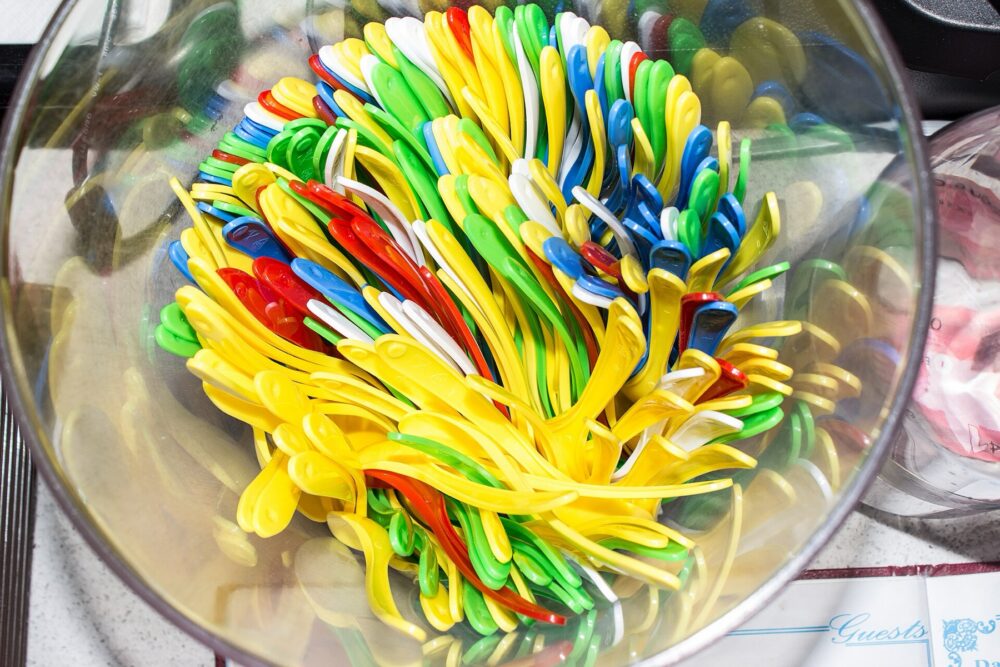
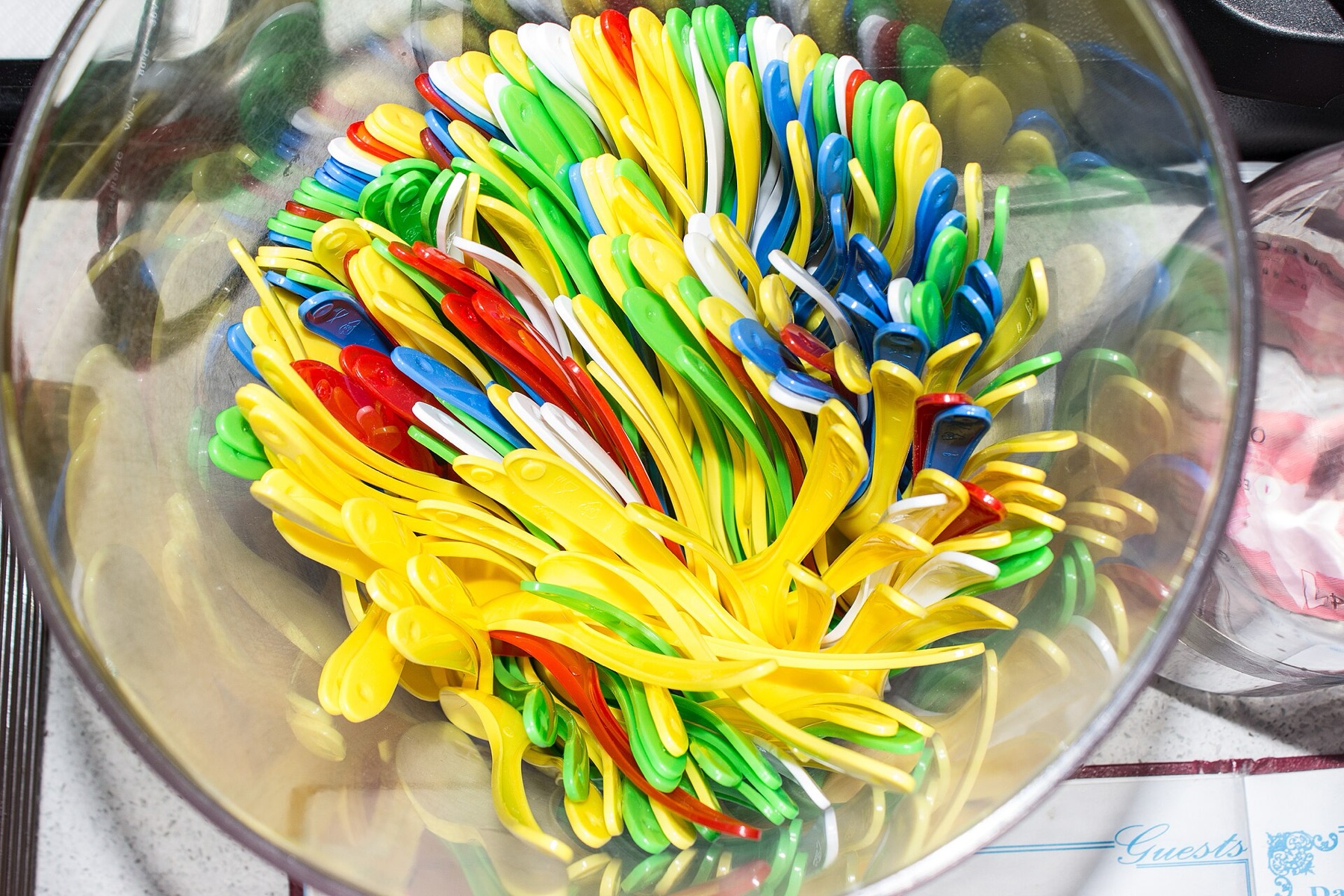
- Plastic spoons and tasters are cheap, light, and disposable. They’re widely used for takeout and sampling. The trade-offs: they snap more easily, don’t feel as premium, and raise waste concerns, especially for single-use.
- Wood spoons and sticks add an eco-friendly, rustic feel and don’t conduct heat. They can be great for popsicles or informal serving but need hand washing and can feel rougher in the mouth than polished metal or plastic.
Ergonomics matter too. Ice cream tools are often discussed alongside scoops made from stainless steel, aluminum, plastic, or with non-stick coatings, because the handle and bowl shape affect how easily you portion frozen desserts. For spoons, you want:
- A bowl shape that can cut into firm ice cream without feeling sharp.
- A handle length that matches the container: shorter for bowls, longer for tall sundae glasses or milkshake mugs.
- Enough rigidity that the spoon doesn’t flex when you dig in.
Price breaks down differently for home vs business use:
- Home buyers care more about a one-time set cost and how the spoons look on the table.
- Scoop shops and caterers think in cost-per-serving—especially for disposable tasters—and in replacement rates for reusable spoons used all day.
Once you know your material, feel, and use-case priorities, you can judge Amazon’s selection more clearly instead of just browsing whatever comes up for “ice cream spoons.”
How Amazon’s ice cream spoons measure up on quality, price, and variety
If you search within Amazon’s Dessert Spoons category, you’ll see:
- Classic stainless dessert spoons marketed for ice cream, pudding, and cakes.
- Small, decorative spoons for sundaes or gelato.
- Bulk plastic sample or tasting spoons with “ice cream” in the listing title.
Each listing sits under that category with visible filters for material and price, plus customer reviews you can sort or scan.
Quality:
For stainless dessert spoons, Amazon offers many multipacks from generic and brand-name sellers. They usually advertise rust resistance and dishwasher-safe use. Because they’re positioned as dessert spoons, bowl size and handle length are typically tuned for ice cream servings, not just coffee.
Bulk plastic tasting spoons—like the miniature dessert tasters listed on Amazon’s Canadian site and marketed for ice cream sampling—tend to emphasize smooth edges and food-grade plastic. Reviews often call out whether they break easily or feel too flimsy for dense ice cream, giving you a reality check beyond the photos.
Price and variety by use-case:
You can think of Amazon’s ice cream spoon selection in loose tiers:
- Home dessert sets: stainless steel or decorative spoons sold in small sets. You’re paying for finish and design more than volume, and Amazon’s options cover minimal, modern, and novelty shapes.
- Party and family packs: larger bundles of reusable or disposable spoons. Here, per-spoon cost drops, and Amazon’s price filters make it easy to stay under a total budget for a birthday or holiday event.
- Commercial tasters: listings that explicitly target “ice cream shops” or “sampling.” These often come in high counts and plain colors; they focus on per-piece cost and consistency rather than aesthetics.
For US buyers, Amazon’s main edge is variety plus reviews. If you need plastic tasters and care that people don’t complain about sharp edges or breakage, it’s straightforward to cross-check several options without leaving the site.
Amazon vs other channels: when to stay, when to source elsewhere
Amazon isn’t the only way to get ice cream spoons, especially if you’re buying for a business.
US big-box retailers like Walmart list novelty and color-changing plastic spoons that respond to cold temperatures and are suitable for desserts. These can be more visible in-store if you want to see and feel them before buying, and they’re appealing for kids’ parties or themed events where the spoon itself is part of the experience.
Local restaurant-supply stores and wholesalers often carry:
- Heavy-duty stainless dessert spoons designed for commercial dishwashers.
- Bulk boxes of plain white plastic tasters or wooden sticks at predictable per-case pricing.
They’re worth considering if you want immediate pickup or if you prefer a face-to-face relationship for reordering.
Cross-border marketplaces add a different angle. DHgate, for example, lists bulk lots specifically described as disposable or reusable ice cream spoons and scoops aimed at parties or commercial serving, including shovel-shaped plastic dessert spoons and stainless ice cream tools.Disposable ice cream spoon listing These can appeal if you’re an ecommerce seller or scoop shop looking to experiment with designs or secure lower per-piece costs at volume.
Because cross-border orders are usually shipping internationally and fulfilled by individual sellers, you should treat each listing as its own mini-supplier search rather than assuming uniform standards. That means looking closely at:
- Seller ratings and how long they’ve been active.
- The stated material and product photos to confirm you’re getting the right spoon type for ice cream.
- Minimum order quantities and price ranges to see if the economics beat your domestic options after shipping.
Here’s a quick, time-bounded way to think about channel fit for typical scenarios. Pros and cons can shift as listings and local availability change, so it’s worth rechecking options periodically:
| Scenario | Amazon | Big-box retail (e.g., Walmart) | Cross-border marketplaces (e.g., DHgate) |
|---|---|---|---|
| Home bowls & sundaes | Many stainless dessert sets with varied designs and reviews | Some sets in-store, plus novelty dessert spoons | Mostly bulk or specialty designs; usually more than home buyers need |
| Kids’ parties & themed events | Novelty and colorful dessert spoons plus disposable packs | Color-changing plastic spoons and party-focused packs | Bulk plastic or acrylic spoons and party supplies, ordered in advance |
| Scoop shop daily service | Dessert spoons and tasting spoons suitable for small–mid volume needs | Basic stainless and disposable options for local restocking | Bulk lots of disposable and reusable ice cream spoons and scoops for higher volumes |
| Ecommerce reselling (spoon inventory) | Usable for sourcing but oriented to end users | Limited range for branding or repeat resale | Wide range of bulk spoon and scoop listings for potential inventory sourcing |
If you’re a household buyer, Amazon will probably cover everything you need with less effort than chasing multiple stores. If you run a scoop shop or online store and start caring more about per-spoon margins and unique styles, it’s worth testing prices across Amazon, a local wholesaler, and at least one cross-border marketplace—just be prepared to invest more time in vetting sellers and dealing with longer timelines outside Amazon.
Marketplace offerings, designs, and prices change over time, so any channel decision is best treated as a snapshot: take your use case, compare current listings across a couple of platforms, and then revisit the comparison when you reorder.