
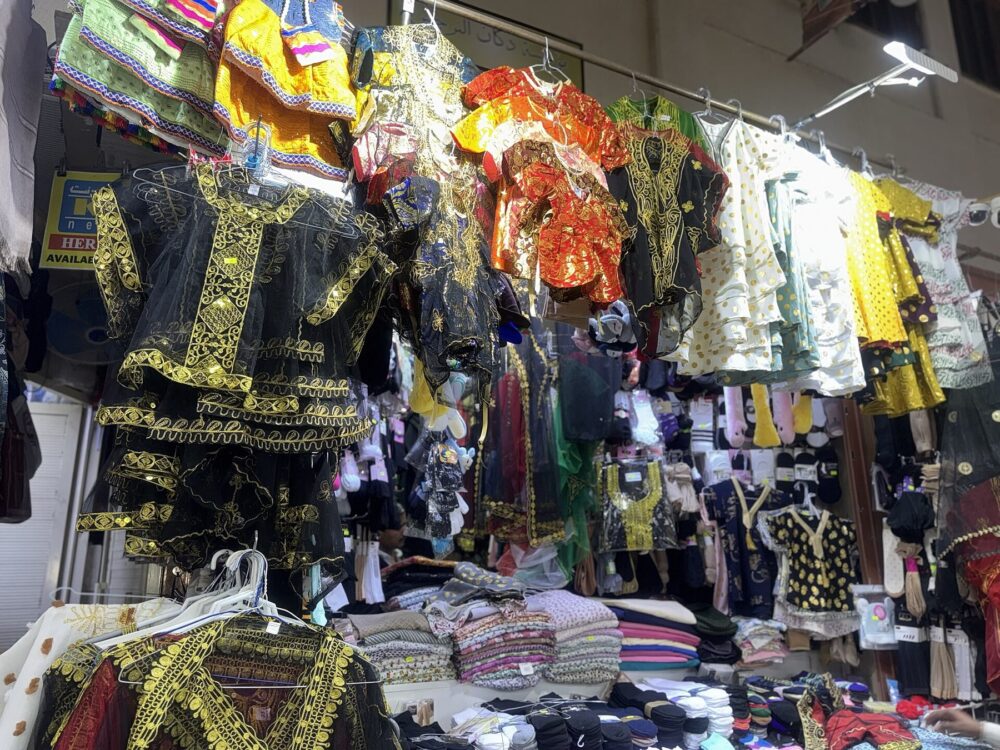
You can source Chinese children’s clothing wholesale on DHgate by treating it like a catalog of many small and mid‑size suppliers, then narrowing that catalog aggressively. Use focused searches (like “kids fleece tracksuit” or “children cotton T‑shirt”), filter into the right categories, and read each listing like a spec sheet. For anything you plan to resell in the US, build a routine of samples and small test orders, and compare your total landed cost and reliability against other sourcing routes before scaling up.
DHgate’s own editorial material describes the site as an online marketplace connecting buyers to many Chinese clothing manufacturers, including children’s apparel, with variety and relatively low wholesale pricing for fashion products.Where you should buy from DHgate In the same blog ecosystem, DHgate is presented as one of the established options for Chinese fashion wholesale clothing sites.Wholesale clothing sites from China That makes it a realistic route if you’re starting an Etsy shop or small online boutique and don’t want to jump straight into huge factory MOQs. But you still have to sort stronger suppliers from weaker ones, and there are order sizes where another channel may fit better.
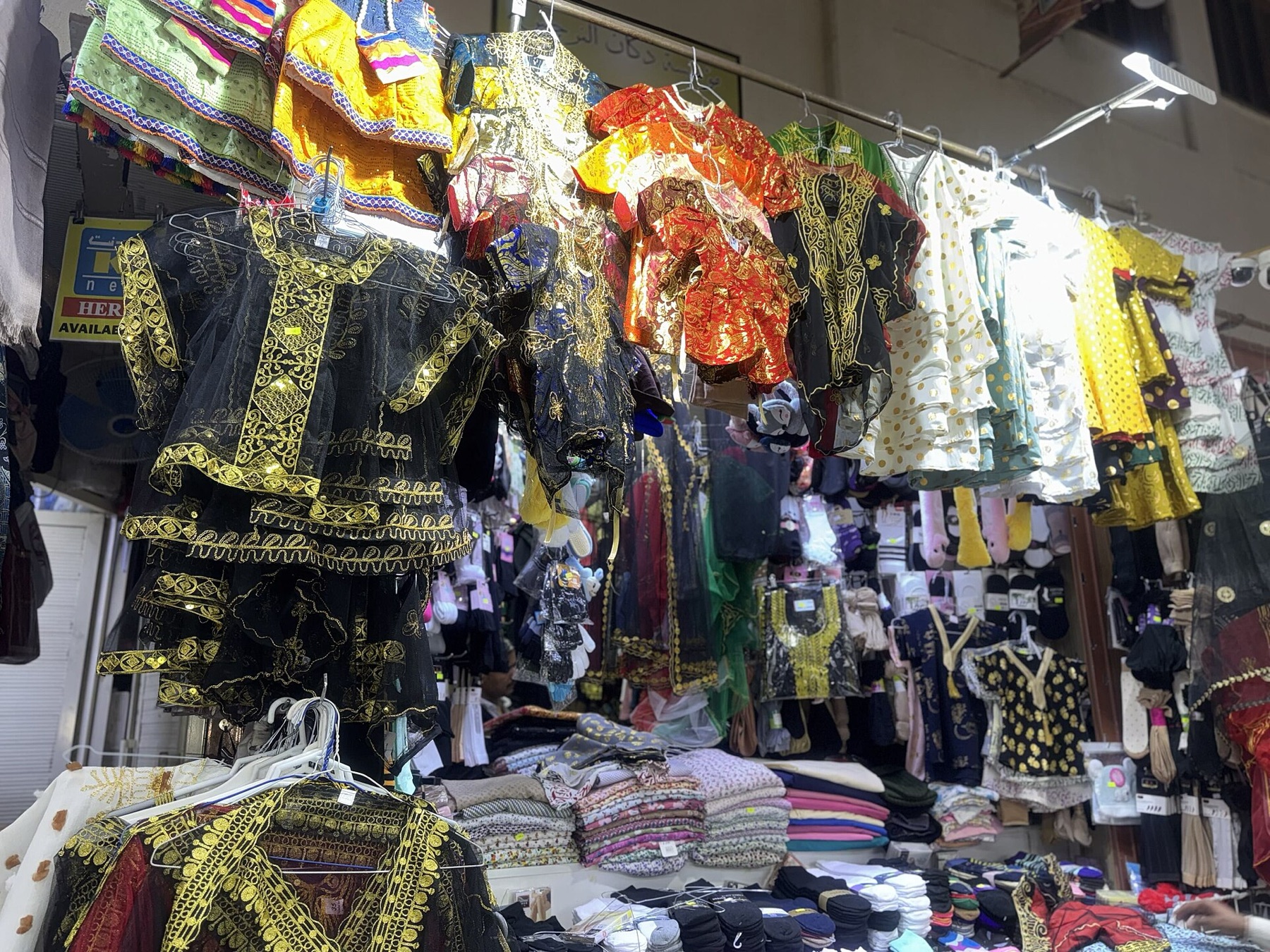
How Chinese Kids’ Clothing Wholesale Works—and Where DHgate Fits
Chinese children’s clothing wholesale is built around factories, local clothing markets, and online B2B marketplaces. Buyers either walk physical markets and place orders with factory outlets, work through sourcing agents, or use platforms like DHgate to reach suppliers remotely. A guide to China’s clothing wholesale markets highlights how buyers visit market clusters, compare stalls, and negotiate directly with sellers.Buying in China clothing wholesale market
Within that wider landscape, DHgate’s blog positions the site as a major fashion wholesale clothing marketplace, with a large number of sellers and product listings serving men’s, women’s, and children’s clothing.Wholesale clothing sites from China For kids’ apparel specifically, product snapshots from 2026-10-09 show a broad assortment:
- A wholesale kids’ camo‑pocket hoodie in the Kid’s Hoodies & Sweatshirts category, priced around $17.88–$18.73 per piece.Wholesale kids’ hoodie example
- A striped children’s undershirt in T‑shirts, approximately $10.26–$13.79 per piece.Children’s striped undershirt example
- A 100% cotton kids’ T‑shirt, also in T‑shirts, around $12.76–$26.73 per piece.Kids cotton T‑shirt example
- Cheongsam and qipao dresses for girls in Basic & Casual Dresses, roughly $21.14–$22.14 or $30.42–$31.86 per piece depending on the variant.Children’s cheongsam dress example · Qipao party dress example
Prices, categories, and availability can change quickly, but these time‑bound observations illustrate DHgate’s typical role: not ultra‑high‑volume factory pricing, but accessible per‑piece rates that make sense for small to medium wholesale orders. If you’re testing 50-200 units across several sizes and designs, DHgate can often be easier than negotiating directly with factories or traveling to physical markets.
Finding and Vetting Children’s Clothing Suppliers on DHgate
The hard part is not finding kids’ clothes on DHgate—it’s narrowing down to suppliers that won’t wreck your sizing or quality reputation. Here’s a practical workflow tailored to children’s apparel.
1. Use concrete search terms and categories
On DHgate’s homepage, start with the search bar. Instead of generic “kids clothing,” use specific phrases that match your store plan:
- “kids cotton T‑shirt 100%” if you want breathable basics
- “children fleece tracksuit” if you’re targeting fall/winter sets
- “baby hoodie wholesale” if you run a toddler‑focused boutique
- “children qipao dress” for traditional or occasionwear
Then refine results by category, such as Kid’s Hoodies & Sweatshirts, Clothing Sets, T‑shirts, Basic & Casual Dresses, or Kids Shirts. For example, the striped undershirt example appears in T‑shirts, while cartoon pajama sets may sit in Others Apparel. Keeping similar categories together makes it easier to compare prices, materials, and styles.
If you need broader tactics for narrowing searches beyond kids’ apparel, you can layer this with the platform‑wide advice in Find DHgate suppliers.
2. Read the listing like a spec sheet
DHgate’s kids’ clothing blog guidance emphasizes checking seller ratings, reviews, sizing charts, and contacting the seller before buying.How to save money clothes shopping for kids Apply that mindset to each product page:
- Photos and fabric description: Look for clear images of seams, hems, and labels, not just lifestyle shots. A fleece tracksuit listing such as the sportsuit example describes warmth and style, but you still need the exact fabric composition.Spring/autumn kids tracksuit example Ask for fiber breakdown (e.g., cotton vs. polyester) and fabric weight.
- Size chart and age range: Kids’ sizing varies by country and brand. Compare the chart to US standards. If a plaid shirt is labeled for “2-10 years old,” you still need chest, sleeve, and length measurements, ideally in both cm and inches.Plaid kids’ shirt example
- Category vs. description: If a product is categorized as Others Apparel but described as sleepwear, like a cartoon pajama set,Cartoon pajama set example treat that as a cue to ask extra questions about fabric, intended use, and any safety or compliance aspects relevant to nightwear in your target market.
3. Check seller signals, not just price
Snapshot data from 2026-10-09 shows how different kids’ clothing listings cluster by price, category, and seller type:
| Product example | Category | Price range (USD) | Supplier ID | Industry seller flag |
|---|---|---|---|---|
| Camo hoodie | Kid’s Hoodies & Sweatshirts | 17.88-18.73 | dh4402004 | No |
| Cartoon pajama set | Others Apparel | 14.10-17.42 | dh5268016 | Yes |
| Cotton clothing set | Clothing Sets | 15.30-20.11 | dh1100285003 | No |
| Cheongsam dress | Basic & Casual Dresses | 21.14-22.14 | ddmynov | No |
| Qipao party dress | Basic & Casual Dresses | 30.42-31.86 | ddmymaster | Yes |
Observed 2026-10-09; prices, categories, and flags may change.
Use patterns like these to guide your vetting:
- Favor sellers with a focused kids’ assortment (tees, sets, sleepwear, dresses) rather than shops mixing children’s clothing with unrelated items like gadgets or pet clothes.
- Give extra weight to industry‑tagged sellers that carry multiple children’s SKUs in consistent categories, especially if they have genuine reviews across several products.
- Compare similar products across different sellers (e.g., several cotton T‑shirts) to see which suppliers offer clearer specs and more coherent pricing.
For broader supplier‑choice criteria beyond kids’ clothing, you can cross‑reference Choose a DHgate wholesale supplier.
4. Message suppliers before you commit
The DHgate blog guidance on children’s clothes explicitly recommends contacting sellers with questions before purchasing.How to save money clothes shopping for kids For US‑bound kids’ apparel, build a short, repeatable question set:
- Fabric details: Ask for exact composition (e.g., 95% cotton, 5% spandex) and fabric weight (gsm). Clarify whether prints use any special inks or finishes.
- Labels and care instructions: Confirm what care tags are included and whether they can be customized on future orders.
- Sizing standard: Ask which market’s sizing their chart follows and whether they have previous buyers from your country.
- Production and variation: Clarify lead time for typical quantities and whether they can adjust colors, prints, or trims in later orders.
If a seller gives vague answers or avoids specifics about fabric and sizing, treat that as a red flag—particularly for products intended for babies or toddlers.
5. Build a sample and test‑order routine
DHgate’s blog on wholesale baby clothes mentions both bulk purchasing and dropshipping as possible business models around kids’ apparel.Wholesale baby clothes sourcing Regardless of your model, testing is critical.
A workable routine for a small US business might look like this:
- Identify 2-3 candidate suppliers for each key category (e.g., basics, sleepwear, special‑occasion dresses) based on listing clarity and seller focus.
- Order a sample set from each supplier—multiple sizes and colors rather than a single piece. Inspect stitching, fabric feel, shrinkage after washing, and how the sizing compares to standard US kids’ brands.
- If samples are acceptable, place a small test order (for example, a few dozen units across sizes) to check batch consistency, packing, and any issues that only show up at scale.
This adds up‑front cost but reduces the risk of receiving a large batch that doesn’t match your expectations for fit or quality.
Query‑time DHgate listing example
Observed on 2026-10-09, Kids China Dress Of The Tang Dynasty Chinese Traditional Garments Jacket Costume Pants For Children Boy Girl Clothing appeared in the Ethnic Clothing category with a price range of about $36.29–$42.06.Tang dynasty kids’ outfit example This is a time‑bound, illustrative listing, not an endorsement; availability and details may change. Verify the specifications, seller evidence, any relevant compliance, and intellectual‑property or commercial‑use rights for your intended use. A physical sample can test the product itself, but it cannot prove legal permissions or licensing.
Order Size, MOQ, and When DHgate Is (and Isn’t) the Right Route
Across the 2026-10-09 product snapshots, DHgate kids’ clothing listings showed per‑piece prices roughly in the $10–$32 band for many T‑shirts, hoodies, sets, and dresses. Exact MOQs were not consistently visible, but the observed prices and categories suggest how DHgate tends to fit into a kids’ clothing sourcing plan.
Interpreting DHgate’s sweet spot
- For very small runs—say you want dozens of units across several designs and sizes—DHgate’s ready‑made listings and seller flexibility can reduce the friction of hitting large factory MOQs.
- For early‑stage testing, you can use DHgate suppliers as pilot partners: validate styles and demand, then decide whether to deepen those relationships or switch to more formal factory sourcing later.
By contrast, for very large quantities of standardized basics, larger B2B platforms or direct factory deals are often oriented toward buyers who can commit to thousands of units. External kids’ boutique guides from other ecosystems, such as SmartBuy’s Alibaba‑branded content, emphasize low MOQs and brand‑oriented strategies but operate in a different marketplace context.Kids boutique clothing wholesale guide
When DHgate is a good fit—and when it isn’t
A practical way to think about DHgate for Chinese kids’ clothing wholesale:
- Good fit: You’re a US Etsy or Shopify kids’ shop testing 3-6 styles, aiming for roughly 100-300 total units spread across sizes, and you care about variety and speed of testing more than chasing the absolute lowest unit cost.
- Borderline fit: You already have a detailed spec (fabric, stitching standard, compliance requirements) and want thousands of identical units over repeated seasons. In that scenario, you might use DHgate to scout sample designs or suppliers, then negotiate directly or explore higher‑volume B2B routes once you’re confident.
If you decide that DHgate belongs in your sourcing mix, pair the kids’ clothing workflow here with broader system‑level guidance in Find wholesale suppliers on DHgate so your children’s apparel research fits into a repeatable sourcing process for future categories as well.