
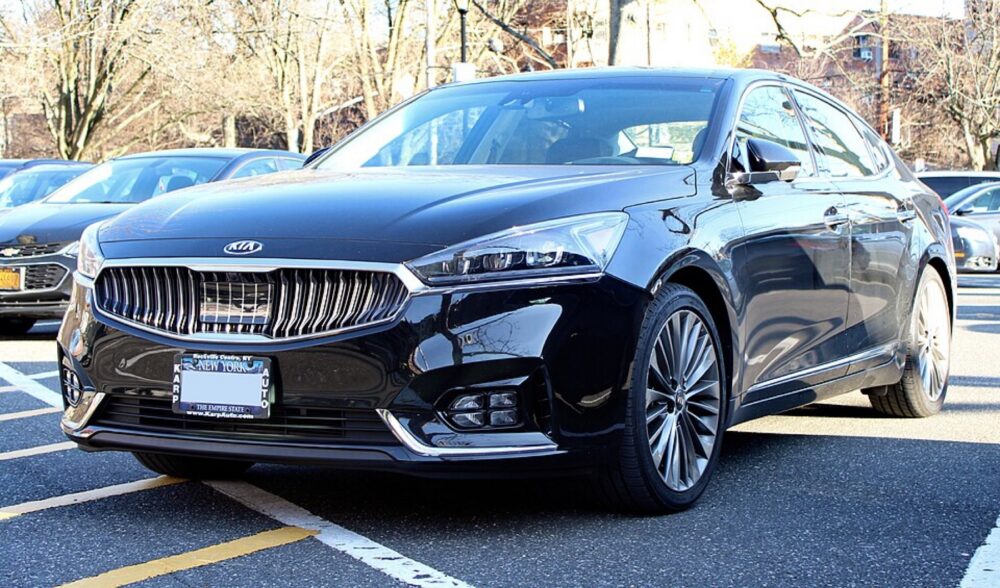
If you need Kia Cadenza front bumper parts in the US, you’ll usually be choosing between OEM components ordered through Kia-focused parts catalogs and dealer-backed retailers, and aftermarket or used parts from general auto parts sites and salvage yards. OEM bumper covers, energy absorbers, and impact bars are available for popular years like 2014-2016 and 2020, and are your safest bet for fit and crash performance. Aftermarket covers and brackets can work well for cosmetic repairs, while used absorbers and impact bars from salvage yards are a budget move that carries more risk.
The key is to know exactly which bumper components you’re replacing and match them to your Cadenza’s model year using an OEM diagram before you shop around.
What Counts as Front Bumper Parts on a Kia Cadenza?
When a shop or seller talks about “front bumper parts” for a Kia Cadenza, they’re usually referring to a collection of pieces that make up the front bumper assembly—not just the painted cover.
Looking at a typical OEM schematic for a 2020 Cadenza’s front bumper, you’ll see several major elements grouped together in one exploded diagram:
- Bumper cover: The large outer plastic piece you see and paint. This is what gets scraped or cracked in minor collisions.
- Energy absorber: A foam or composite block mounted behind the cover that helps dissipate impact energy. Kia lists a dedicated front bumper absorber (for example, part number 86520-3R600) for the Cadenza; your exact number will vary by year and trim.
- Impact bar / reinforcement: A metal beam behind the absorber that ties into the frame rails and does much of the structural work in a crash.
- Ducts: Plastic ducts or guides that route air around the bumper and toward the brakes or radiator; some are specific to trim or wheel packages.
- Moldings and garnish: Chrome or black trim strips, lower grilles, and decorative pieces mounted to the cover.
- Brackets and side supports: Small metal or plastic brackets that attach the bumper cover to the fenders, headlights, and frame. For instance, Kia sells a bumper cover side bracket for the 2014-2016 Cadenza as a separate OEM part.
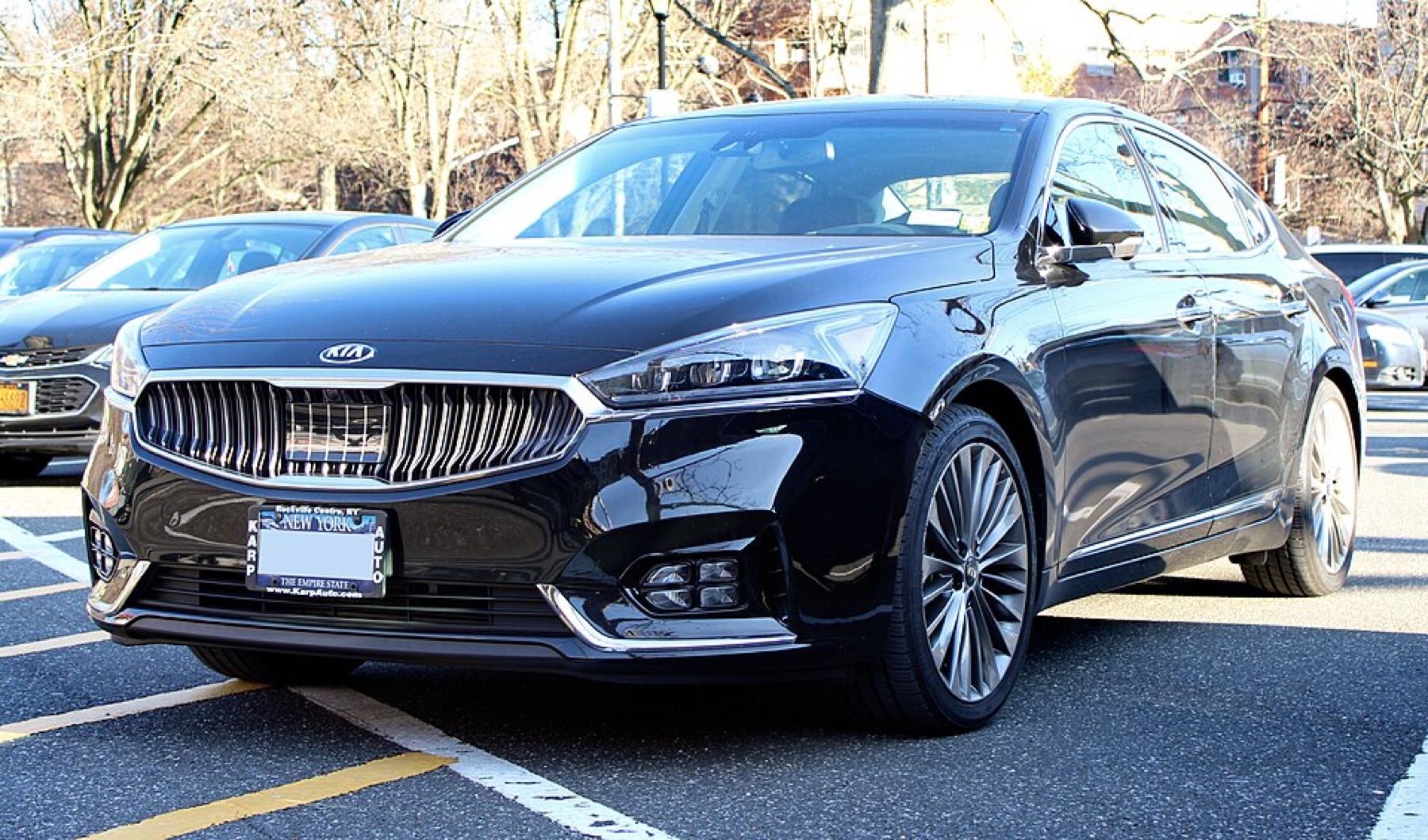
Not every year shares the same design. The 2014-2016 Cadenza uses one family of bumper covers, moldings, and brackets; 2020 has a different fascia and trim layout, and many parts won’t interchange. That’s why pulling your exact model year and trim into an online Kia catalog and reading the front bumper diagram is the fastest way to learn the part names you actually need.
For that, sites like KiaPartsNow offer model-year-specific diagrams for the front bumper assembly, with numbered callouts that map directly to Kia part numbers for covers, absorbers, brackets, and more. You can explore a full front bumper trim list for 2020 Cadenza models here: 2020 Cadenza front bumper parts list and diagram.
OEM, Aftermarket, and Used Bumper Components: Key Differences
Once you know which components are damaged, the next question is: OEM, aftermarket, or used? The trade-offs differ depending on whether you’re replacing a bumper cover, absorber, or impact bar.
How OEM fits into Cadenza bumper repairs
OEM (genuine Kia) parts are built to Kia’s exact specifications and are the default choice for anything safety-related or where fit is critical:
- Bumper covers: OEM-branded front bumper covers for 2014-2016 Cadenza models are sold through dealer-backed catalogs and even large retailers. For example, Walmart lists a “KAI OEM Quality Front Bumper Cover” for 2014-2016 Cadenza, showing that genuine-style covers for these years are still in circulation (OEM-style cover example).
- Energy absorbers: Kia’s absorbers (such as part 86520-3R600 on KiaPartsNow) are engineered to work with the crash structure of the car. Because these interact directly with impact loads, OEM is the conservative choice.
- Impact bars: Specialized parts sellers like QuirkParts list OEM front impact bars for the Cadenza—one example is an OEM bar labeled 86530-3R610 (impact bar example listing). For frame-mounted crash components, OEM gives you known geometry and material.
OEM parts tend to cost more but support insurance repairs, resale, and are most likely to fit without modification.
Where aftermarket makes sense—and where it doesn’t
Aftermarket parts (non-Kia brands) show up most for bumper covers, grilles, and trim:
- They’re widely used for cosmetic repairs where a perfect OEM match isn’t required.
- Many are advertised as “OE-style” or “direct fit,” but tolerances and plastic quality can vary.
- For absorbers and impact bars, true high-quality aftermarket options are less common and harder to evaluate from a listing alone.
Given that the absorber and impact bar work together to manage crash energy, it’s prudent not to assume a non-OEM design will behave the same way unless you’re working with a well-documented brand and a reputable body shop.
Used and salvage parts: budget-friendly, higher-variance
Used OEM components pulled from salvage vehicles are a major option for Cadenza owners, especially where OEM new parts are expensive or backordered.
Salvage yards and recycled parts sellers often list:
- Front bumper covers (sometimes already painted in common colors)
- Bumper reinforcements/impact bars
- Grille components and lower trim pieces
Sites like CARiD act as aggregators for replacement bumpers, brackets, and related components for the Cadenza (Cadenza bumpers category page). Independent salvage yards have their own listings as well.
Used is typically most attractive for cosmetic items and impact bars that show no signs of prior crash damage. For absorbers and bars, inspect carefully via photos or in person; parts that have seen a collision can be subtly deformed even if they “look” fine.
Quick scenario: scraped cover, intact structure
Imagine a 2014-2016 Cadenza with a parking scrape that gouged and cracked the bumper cover, but the absorber and impact bar are visually straight and pass a body shop’s inspection.
In that situation, many owners will choose:
- OEM or high-quality aftermarket cover (for proper fit and paint match)
- Reuse OEM absorber and impact bar if a professional confirms there’s no structural damage
This mix controls cost while keeping the crash structure as Kia designed it.
Where US Buyers Can Source Kia Cadenza Front Bumper Parts
You have four main channel types in the US: dealer-backed OEM catalogs, independent OEM-focused sites, general auto parts marketplaces, and salvage yards. Each suits a different kind of repair or resale strategy.
1. Dealer-backed and official-style Kia parts catalogs
Online catalogs that tie into Kia dealer networks are your best starting point when you want verified part numbers and diagrams.
- Sites modeled on the dealer catalog, such as KiaPartsNow, let you select model year, trim, and assembly (“Front bumper”) to see a diagram and corresponding parts list for your Cadenza (example 2020 bumper trim list).
- These channels typically carry genuine Kia covers, absorbers, impact bars, ducts, moldings, and brackets.
They’re especially useful when:
- You’re dealing with insurance repairs or plan to sell the car soon.
- You need to cross-check whether a part number changed between years.
2. OEM-focused, non-dealer retailers
Independent sites that specialize in OEM parts but aren’t full dealer portals often feature specific structural components:
- QuirkParts, for instance, lists a Kia Cadenza front impact bar under part 86530-3R610 (impact bar listing).
- Some Kia-branded parts sites show individual items like bumper cover side brackets, ducts, and moldings with photos and fitment notes—examples include OEM bumper cover side brackets and moldings on kia.parts.
These are practical when you already know the exact part number from a diagram and are comparison-shopping among OEM sources.
3. General marketplaces and auto parts aggregators
General parts marketplaces and aggregators commonly list:
- Replacement bumper covers (OEM-style and aftermarket)
- Brackets, lower grilles, and trim pieces
- Sometimes reinforcements and absorbers
For example:
- Walmart’s listing for a 2014-2016 Cadenza front bumper cover shows that mainstream retailers carry Cadenza-specific fascia parts (OEM-style cover example).
- CARiD’s Kia Cadenza bumpers section includes front and rear bumper assemblies, covers, and bracket options grouped under one category page (Cadenza bumpers category).
These channels are often friendlier for small resellers who need to see multiple brands and price points side by side, but they rarely give the rich OEM schematic context on their own.
4. Salvage yards and used parts sellers
Regional and national salvage yards, plus online recyclers, fill the gap for budget repairs and hard-to-find trim:
- Many list “BUMPER REINF FRONT” or similar descriptions for Cadenza models, indicating front bumper reinforcements/impact bars taken off wrecked cars.
- Lower center grilles, chrome moldings, and backing structures appear in listings as “front bumper grille molding” or “grille front bumper center lower”—some labeled as genuine OEM on resale platforms.
Because used inventory changes constantly, it’s best to treat these channels as opportunistic: confirm part numbers against an OEM catalog, request detailed photos, and verify the donor vehicle wasn’t hit in the exact area you’re sourcing parts from.
OEM vs aftermarket vs used: bumper-specific sourcing summary
Here’s a bumper-focused snapshot of how the three main part types line up with common channels:
| Component | OEM best-fit channels | Aftermarket/aggregated channels | Used/salvage channels |
|---|---|---|---|
| Bumper cover | Dealer-backed Kia catalogs; OEM-focused retailers | Walmart, CARiD, other general auto parts sites | Salvage yards with color-matched covers |
| Energy absorber | OEM Kia parts catalogs (e.g., absorber 86520-3R600) | Limited; quality harder to verify from listings | Salvage yards (only if clearly undamaged) |
| Impact bar/reinforcement | Specialized OEM sellers (e.g., QuirkParts 86530-3R610) | Some aggregators; often described as “reinforcement” | Salvage yards; inspect for prior crash damage |
For a safety-critical front bumper rebuild—especially after more than a cosmetic tap—it’s sensible to anchor the absorber and impact bar choices in OEM catalogs first, then layer in aftermarket or used options for low-risk trim and covers once you’re confident about fit.