
New Zealand’s marketplace scene is still built around Trade Me, but it’s no longer the only game in town. Trade Me gives you structured auctions and classified listings with a long-established local audience, while Facebook Marketplace now handles a huge share of casual local deals. A handful of smaller platforms try to chip away at the edges. For a buyer or small ecommerce seller, the realistic approach is not picking one “winner” but combining Trade Me for structured local trading, Facebook Marketplace for quick neighborhood deals, and global sourcing sites for inventory you can’t get locally.
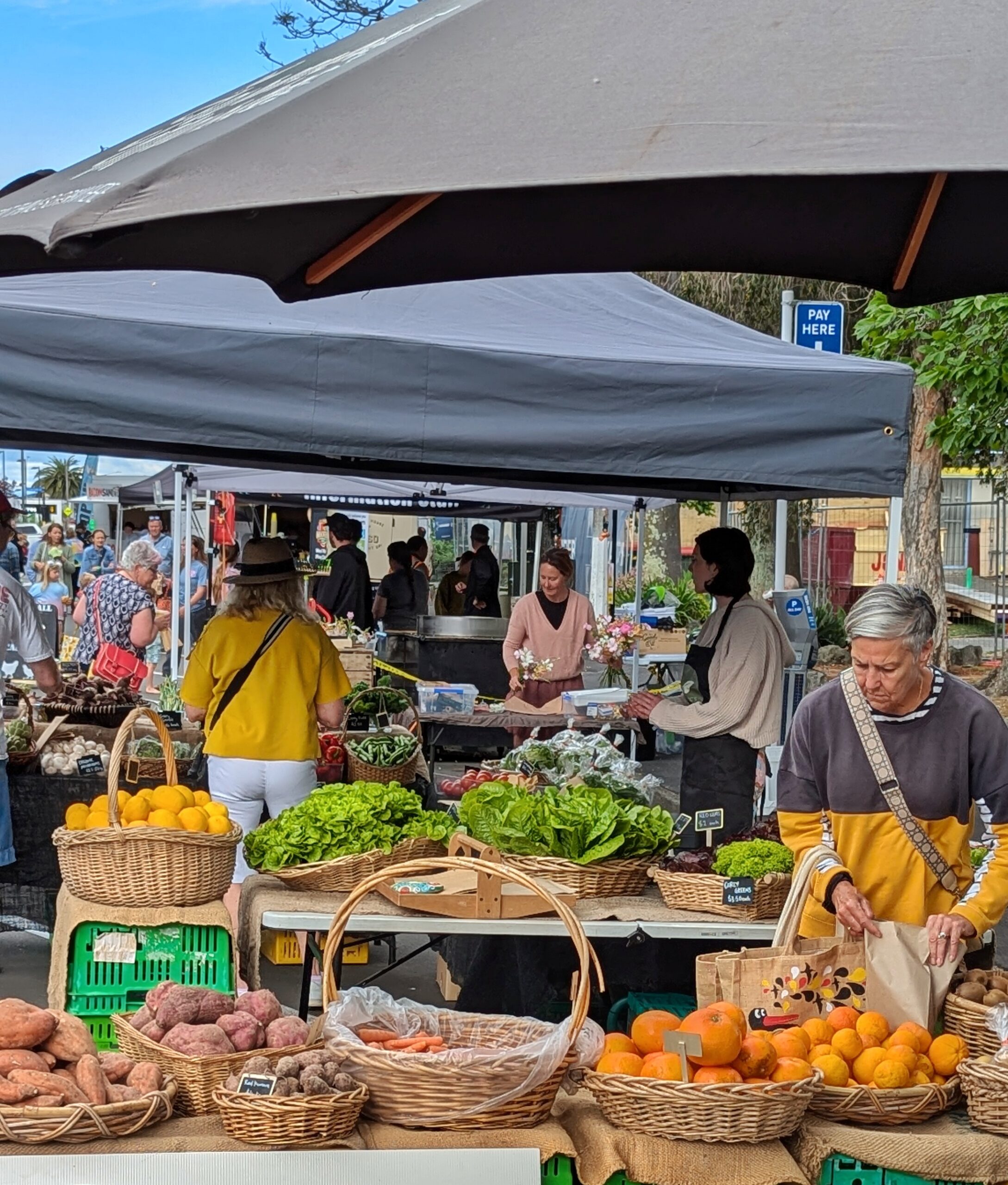
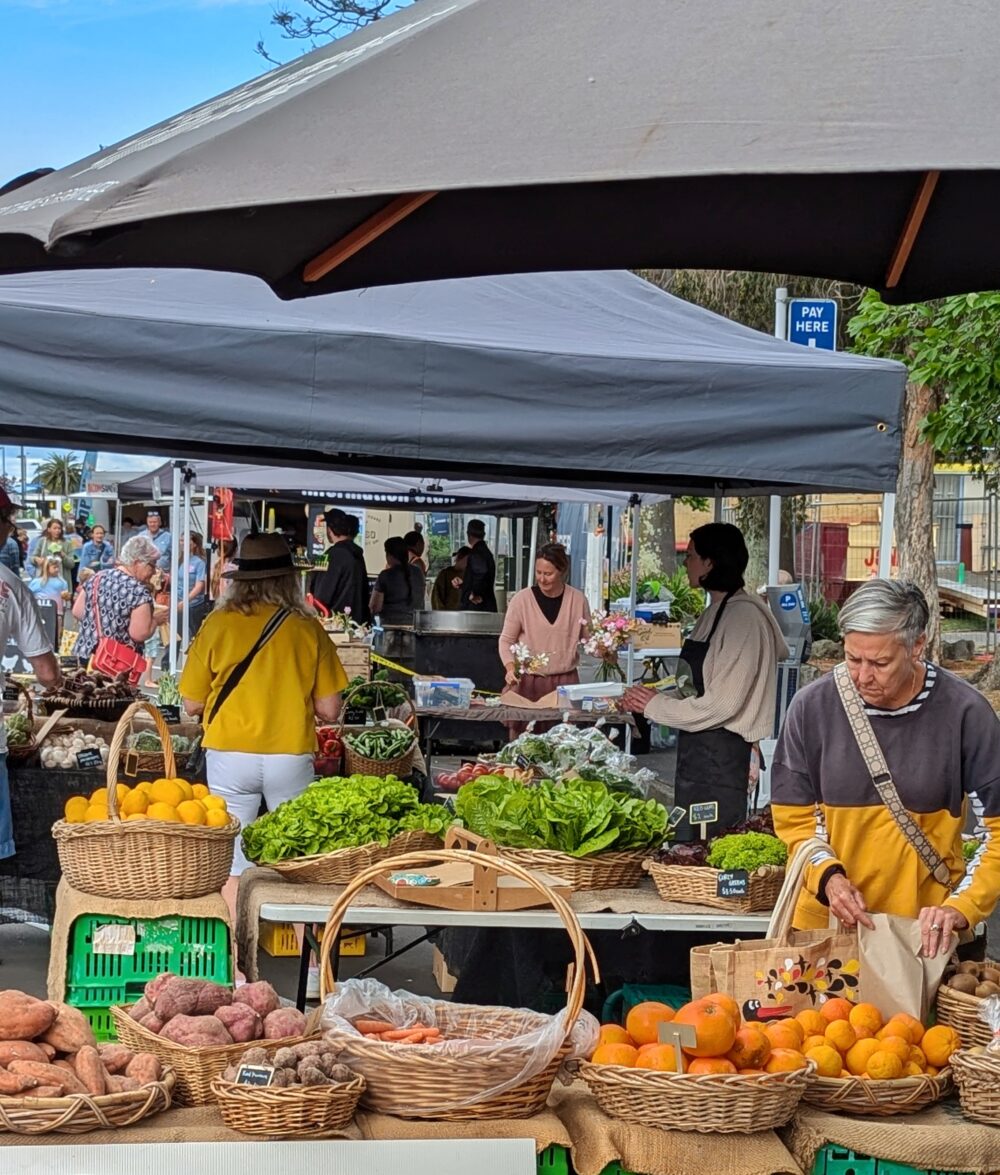
A real market scene in Napier, New Zealand, used to ground the article’s distinction between local marketplaces and global online platforms; Daderot, CC0, via Wikimedia Commons. It does not depict Trade Me, Facebook Marketplace, or DHgate.
Trade Me’s own marketing positions it as “NZ’s most trusted online marketplace” for new and used items, with buyer protection messaging baked into its marketplace landing page. By contrast, Facebook Marketplace is a feature inside a global social network: it’s loose, fast, and heavily peer-to-peer. Third-party voices like Frugalkiwi argue that Trade Me is objectively safer because of identity checks and feedback history, but you also see community frustration on Reddit about Trade Me feeling “outdated” and fee-heavy. That tension explains why many New Zealanders now use both platforms depending on the deal.
What “New Zealand marketplace” really means today
In practice, “New Zealand marketplace” means a small set of platforms with different jobs:
- Trade Me – A New Zealand-founded online marketplace that has long dominated local ecommerce, offering broad categories and both auction and fixed-price/classified formats. Its role is the structured, searchable, Kiwi-focused marketplace that most people already have accounts on, which creates strong network effects, as PR.co.nz’s analysis points out.
- Facebook Marketplace – A global feature inside Facebook where Kiwis buy and sell locally. It’s tuned for casual, photo-first listings, direct messaging, and quick pickup or drop-off deals. You’re tapping Facebook’s social graph more than a traditional marketplace.
- Smaller NZ platforms – Sites like local classifieds and specialized marketplaces that try to solve specific gaps, such as niche categories or lower fees. PR.co.nz notes that any new entrant has to overcome Trade Me’s entrenched user base and network effects, which is why these platforms tend to be smaller and more focused.
The key is matching each platform to the problem you’re solving:
- Selling a car or a high-value item where you want an established marketplace structure and feedback history? Trade Me usually leads.
- Offloading a sofa, kids’ gear, or picking up cheap second-hand appliances in your suburb? Facebook Marketplace often wins on speed and convenience.
- Testing a micro-niche product or lower-fee environment? A smaller marketplace or your own store might be part of the mix.
Quick decision snapshot for common NZ scenarios
| Scenario | Trade Me fit | Facebook Marketplace fit | Smaller NZ marketplaces fit |
|---|---|---|---|
| High-value item (car, electronics) | Strong: structure, feedback history, established audience | Moderate: fast local reach but less formal safety signals | Limited: may help in specific niches only |
| Bulky local goods (furniture, kids’ gear) | Moderate: works, but buyers may prefer faster local pickup | Strong: tuned for casual, neighborhood deals | Limited: only if a local classified site is popular in your area |
| Niche or experimental products | Moderate: broad audience but fees and structure to consider | Moderate: good for testing informal demand | Strong: often built to serve niches or offer lower-fee experiments |
How Trade Me, Facebook Marketplace and alternatives compare
Here’s a high-level comparison drawn from platform messaging and third‑party commentary. This isn’t a full fee chart; it’s focused on practical differences in how you’ll actually use each marketplace.
| Platform | Main use in NZ | Structure & formats | Perceived safety context | Typical frustrations mentioned |
|---|---|---|---|---|
| Trade Me | Structured local trading across categories | Auctions plus fixed-price/classifieds | Frugalkiwi argues safer due to identity checks and feedback history | Reddit users complain about “outdated” feel and fee hikes, especially in Motors |
| Facebook Marketplace | Casual local buying/selling, neighborhood deals | Simple listings inside Facebook, direct messaging | Less formal checks; relies on social profiles and common sense | Spammy listings, inconsistent seller behavior, more scope for scams if you’re not cautious |
| Smaller NZ marketplaces | Niche categories, lower-fee experiments | Varies: often classified-style listings | Safety depends on each site’s policies and user base | Harder to reach critical mass; buyers may not know they exist |
Trade Me’s marketplace page pushes the “buyer protection” angle as part of its brand, presenting itself as NZ’s most trusted place for new and used items with covered transactions. Because that claim is platform marketing rather than independent research, you should treat it as a signal of intent, not a guarantee.
The safety perception gap between Trade Me and Facebook Marketplace is worth unpacking. Frugalkiwi’s comparison explicitly argues that Trade Me is objectively safer because you can see verified identity checks and a long feedback history on many traders. Facebook Marketplace, by design, feels more informal: you’re mostly judging someone by their Facebook profile, the way they message you, and their past activity.
On the other side of the ledger, the Reddit thread “Trade Me is Outdated” shows local traders complaining about Trade Me Motors fee hikes and an interface that feels stuck in the past. That sentiment matters if you’re a small business paying listing fees across dozens of items; some dealers actively shift inventory to Facebook Marketplace or their own websites to manage cost and control.
Because New Zealand is a relatively small market with concentrated export sectors, as visualized in the 2019 export treemap above, local marketplaces lean heavily on network effects. PR.co.nz’s piece on competing with Trade Me argues that a challenger would need to overcome Trade Me’s existing critical mass of users, as well as bring clear technical and fee advantages. That’s why Facebook Marketplace works less as a direct competitor and more as a parallel channel: it piggybacks on Facebook’s global user base rather than trying to replicate Trade Me’s local ecosystem.
Picking the right mix of local marketplaces and global sourcing
For buyers and small ecommerce businesses in New Zealand, the best decision is scenario-based:
- Everyday local buyer – Use Trade Me when you care about structured listings, searchable categories, and feedback history for mid- to high-value goods. Use Facebook Marketplace for quick, low-stakes local pickups when speed and proximity matter more than structure.
- Side‑hustle reseller – Source second-hand or clearance items locally on both Trade Me and Facebook Marketplace, but sell higher-value or specialty stock on Trade Me where buyers expect more detail and are used to paying via formal listings. Keep Facebook for volume of casual, impulse buys in your area.
- Small ecommerce brand – Treat NZ marketplaces as discovery and liquidation channels rather than your whole business. Your main store might sit on Shopify or similar, with Trade Me for reaching its established audience and Facebook Marketplace for hyper-local offers or limited runs.
Global sourcing sites come in when you want new inventory rather than local second-hand stock. Platforms that position themselves as bridges between global buyers and sellers—DHgate’s blog uses that language about DHgate’s role in cross-border ecommerce—can widen the range of products you bring into New Zealand. That doesn’t replace local marketplaces; it complements them. You might source a batch of sports shorts or home accessories via a cross-border marketplace, then list them on Trade Me or your own site for NZ buyers.
If you’re considering that route, focus on how global sourcing fits into your broader channel mix rather than assuming it will solve everything. Compare platforms using neutral resources like What DHgate is and how the marketplace works and broader comparisons such as Compare DHgate with AliExpress, Alibaba and Temu, then pair whichever sourcing marketplace you choose with the NZ platforms that already have the trust and reach you need.
In short, Trade Me remains the backbone of New Zealand’s marketplace scene, Facebook Marketplace fills casual local gaps, and smaller sites nibble at niches. Your job isn’t to crown a single winner—it’s to use each one where it’s strongest, then plug in global sourcing only where it actually adds value to that mix.