
For Canadian buyers, the cheapest way to get usable penny sleeves is usually to buy archival-safe polypropylene sleeves in 500-1,000+ quantities from Canadian online specialty retailers, then top up with 100-packs from local shops as needed. Cross-border orders from US or global marketplaces only start to make sense when your volume is high enough that per-sleeve savings outweigh FX, shipping, GST/HST and possible brokerage fees.
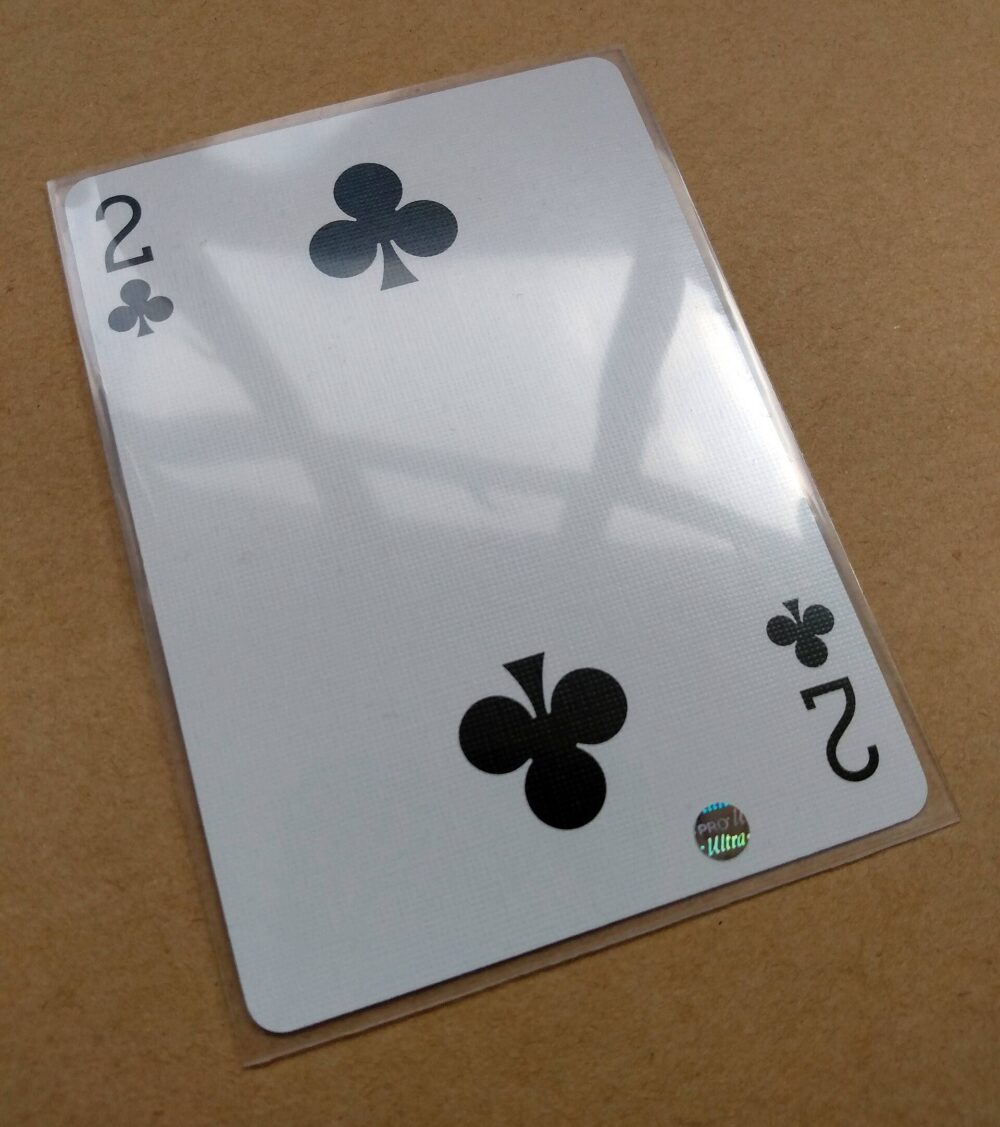
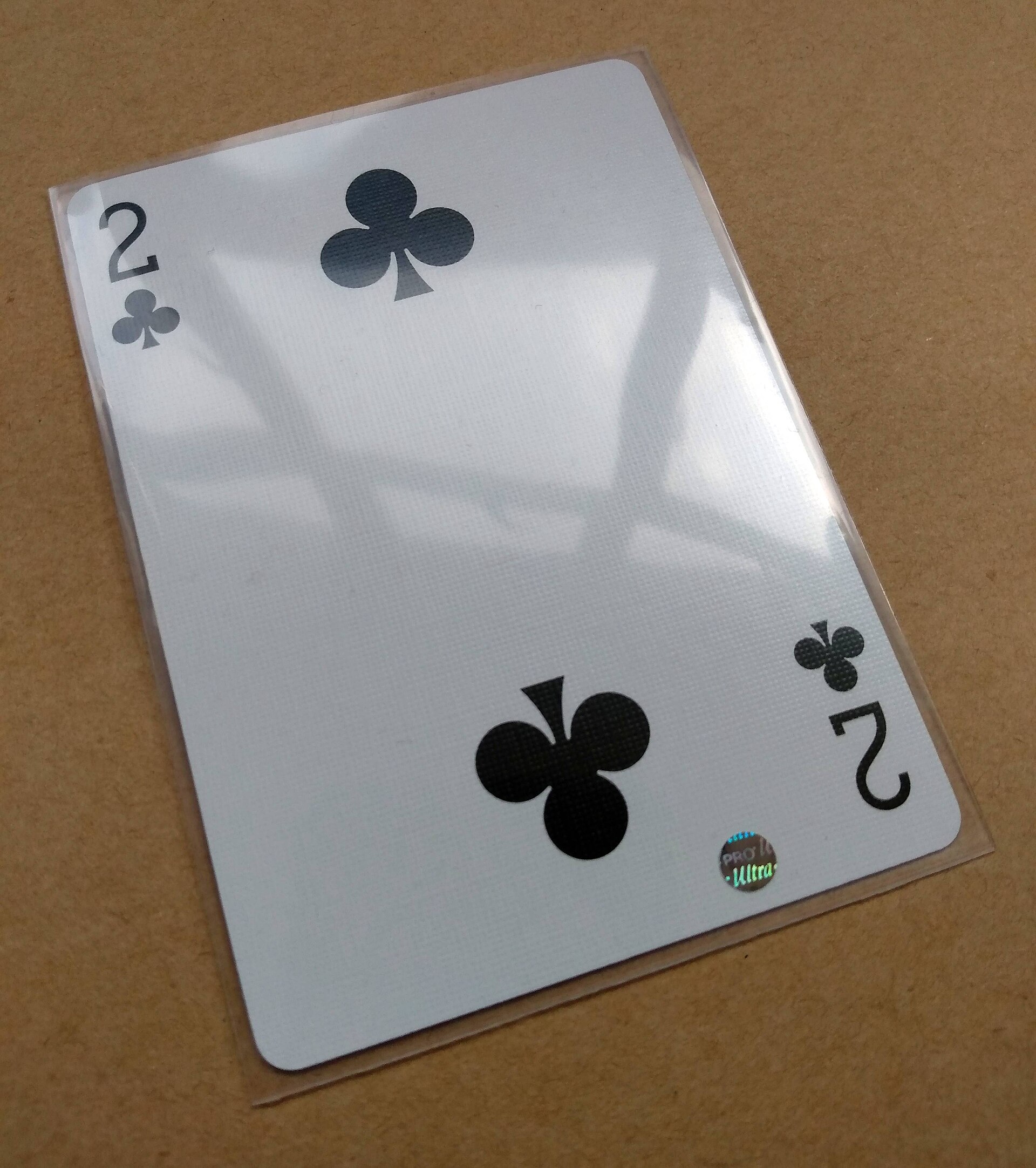
Penny sleeves are thin, clear plastic card protectors — typically soft polypropylene — used to guard trading and game cards from fingerprints and light scratches. Standard sleeves fit 2.5″ x 3.5″ cards and are often advertised as acid-free and PVC-free for long-term storage, but you should always confirm specs on the product page.
What Penny Sleeves Cost Canadian Buyers Once Everything Is Counted
You’ll see different sticker prices for penny sleeves in Canada, but the useful number is your landed cost per sleeve.
Common pack sizes:
- 100-count packs: sold at hobby shops and online for a few dollars per pack.
- 500-count bricks: Canadian retailers like Cardboard Memories list Ultra Pro soft sleeves in 500-packs.
- Cases: some stores and distributors sell cases made up of many 100-packs (for example, dozens of packs of 100 sleeves). These push the per-sleeve price down into “pennies per sleeve” territory for serious bulk buyers.
You’ll often find brands like Ultra Pro, BCW, and generics across Canadian sites such as Cardshellz.ca, Walmart.ca’s penny sleeve category, and King Card. Multi-pack listings and case options usually have a noticeably lower per-sleeve cost than single 100-packs.
To see what you’re really paying:
Per-sleeve landed cost = (product total in CAD + shipping + taxes/fees) ÷ total sleeves in the order
Directional examples of how this plays out:
- Buying two 100-packs from a local shop might land at a few cents per sleeve, but you pay a premium for convenience.
- Ordering one 500-pack from a Canadian online retailer with modest shipping often drops you into the low single cents per sleeve.
- A full case from a distributor can be cheaper per sleeve again, but only if you’re actually going to use thousands of sleeves and aren’t tying up cash or storage space.
For imports, you need to layer in FX (USD to CAD), GST/HST on the shipment value, and potential brokerage fees from couriers. Those extra costs matter a lot on small orders, and less on large ones.
Why Prices Vary and How Much Quality You Actually Need
Penny sleeves are a simple product, but several factors drive price.
Material and archival claims
Most decent sleeves are clear polypropylene, which is a common choice for card protection. Better products are advertised as acid-free, PVC-free, and “archival-safe” — language you’ll see both in Canadian listings and in editorial reviews of brands like Ultra Pro and BCW. These claims matter if you’re storing cards for years or selling to picky buyers, but you should always verify the actual material and any archival claims in the listing.
Thickness and clarity
Standard penny sleeves are relatively thin and flexible; some lines are thicker or ultra-clear. Thicker sleeves feel sturdier and are less prone to splitting, but cost more and can be tighter in binders. For long-term storage or higher-end sports cards, paying a bit more here can make sense; for budget bulk of commons, standard soft sleeves are usually fine.
Brand reputation
Recognized names like Ultra Pro, BCW, Dragon Shield and TitanShield often carry a premium over generic or unbranded sleeves. That premium typically buys more consistent quality control and clearer specs. If you’re running an ecommerce business where returns hurt, sticking with known brands can be cheaper in the long run than chasing the absolute lowest price.
Intended use
- Bulk storage of low-value cards: basic polypropylene sleeves with decent clarity are usually enough.
- Play or shuffling decks: you might prefer thicker, game-focused sleeves (for example, Dragon Shield–type products) even if they’re pricier.
- Grading or resale: buyers and grading services expect snug, clean, archival-advertised sleeves; cutting costs too far can backfire here if sleeves cloud or split.
Minimum order quantity (MOQ)
Some wholesalers and global sellers push you towards MOQs like 500, 1,000, or larger multi-pack cartons. Per-sleeve prices look great, but only if your actual consumption justifies the volume and shipping.
Choosing the Right Sourcing Channel for Your Volume and Budget
Canadian buyers have several common channels for penny sleeve supplies. Your volume and cash flow dictate which mix makes sense.
Channel snapshot by buyer type
| Buyer type / volume per quarter | Local card shop (Canada) | Canadian online retailers | Big-box / marketplaces (Amazon.ca, Walmart.ca) | US/global marketplaces |
|---|---|---|---|---|
| Casual collector, 1-5 × 100-packs | Highest per-sleeve cost, instant purchase | Viable if shipping is low; may pay more than bulk buyers | Often competitive, wide choice; must check brand and specs | FX and import costs usually outweigh savings at this scale |
| Growing collector, 500-2,000 sleeves | Good for quick top-ups, limited bulk deals | Strong option: 500-1,000 packs, CAD pricing | Can be cost-effective; seller quality varies | May work if you bundle other items and accept higher friction |
| Small ecommerce seller, 5,000-50,000 sleeves | Too expensive for core supply | Ask for case pricing or reseller discounts | Useful for top-ups and some branded lines | Can be cost-effective for large or custom orders if you carefully vet suppliers and total landed cost |
Local card and hobby shops
You pay more per 100-pack but get immediate supply and can physically inspect clarity, fit, and packaging. This is ideal for casual collectors and emergency restocking.
Canadian online specialty retailers
Sites like Cardshellz.ca, Cardboard Memories, and King Card carry multiple brands and pack sizes. They’re well-suited for 500-2,000 sleeve orders, often with flat-rate or free shipping once you hit a spend threshold.
Big-box and general marketplaces
On platforms like Walmart.ca’s penny sleeve listings, you’ll see common brands and multi-pack options. Pricing can be aggressive, but products can range from genuine brand-name soft sleeves to generics. For business buyers, filter by brand and read product specs carefully so you don’t end up with non-archival or off-size sleeves.
US-based sellers and global marketplaces
Hobby and wholesale outlets south of the border often have sharp case pricing and huge brand selection. Global marketplaces (including DHgate) connect buyers with independent overseas sellers of card accessories and other goods. The trade-off for any cross-border source is similar: prices may be in a foreign currency, shipping to Canada is higher, and larger orders can trigger GST/HST and brokerage fees. These channels tend to make sense only once you’re buying true bulk or exploring custom sleeves, and you must vet each seller’s material claims, thickness specs, and shipping terms yourself.
If you want to compare the fully loaded cost of sourcing penny sleeves through DHgate specifically, you can follow the same landed-cost logic and then consult more focused guidance on total cost trade-offs between DHgate and other channels.
Practical Ways to Cut Per-Sleeve Costs Without Risking Your Cards
You can lower costs meaningfully without skimping on protection by planning volume and channel mix.
Estimate your real usage
For collectors, count how many new cards you acquire monthly and how many you actually sleeve. For sellers, track sleeves used per order type (raw cards, graded cards, set sales). Buying slightly ahead of demand in 500-1,000 sleeve increments typically unlocks better per-unit pricing while avoiding huge cash tie-ups.
Use promotions and shipping thresholds
Canadian retailers and marketplaces often run sales on supplies or offer free shipping over a certain basket value. If you time purchases and bundle penny sleeves with toploaders, team bags, or mailers, you spread shipping over more items and reduce per-sleeve cost.
Ask for bulk pricing
If you’re ordering regularly, email Canadian suppliers and ask about case pricing or reseller discounts. Many will quote you a better rate for recurring orders or mixed cartons of sleeves and other packaging.
Test before committing to new suppliers
Whether domestic or overseas, start with a smaller order and perform basic QA:
- Check clarity and haze.
- Confirm sleeves fit standard 2.5″ x 3.5″ cards properly without bending corners.
- Look for sharp seams or splits.
- Notice any odd smells that might hint at low-grade plastics.
If a batch fails these checks, it’s cheap to walk away; if it passes, you can safely move up to bulk buys.
Always keep archival basics
No matter how aggressively you chase lower prices, insist on PVC-free, acid-free polypropylene sleeves for any cards you care about or sell. Editorial reviews of card protectors consistently highlight these attributes for brands like Ultra Pro and BCW, and your buyers will expect the same.
By treating per-sleeve landed cost as your main metric and matching channel to volume, Canadian collectors and small sellers can keep their cards protected on a budget without drifting into questionable materials or unpredictable supply.