
HHC Dropshipping makes the most sense if you’re selling mainly to customers inside Pakistan and you want someone else to handle storage, packing, and delivery. It’s a Pakistan‑based platform that connects online sellers with local suppliers and uses multi‑city hubs and domestic couriers to fulfill orders on your behalf. For a US‑based or cross‑border seller, HHC is usually a local fulfillment tool for Pakistani buyers—not a global sourcing channel for your US store.
If your main audience is in Pakistan and you like models such as cash‑on‑delivery (COD), HHC can be a practical part of the stack. If your customers are primarily in the US or Europe, however, you’ll usually be better off sourcing via global marketplaces or factories and treating HHC as optional.
What HHC Dropshipping Is and How Its Pakistan Ecosystem Works
HHC Dropshipping positions itself as a leading Pakistan‑based dropshipping service that connects online sellers with local suppliers and handles end‑to‑end fulfillment across multiple hubs in major cities like Karachi and Lahore.
From HHC’s own site and app description, the basic flow looks like this:
- Suppliers list products on the platform.
- Dropshippers select items and market them through their own channels (Daraz stores, Shopify/WordPress sites, social media, etc.).
- When a customer orders, HHC’s system routes the order to a nearby hub.
- Warehouse staff pick, pack, and dispatch via domestic couriers.
Tutorial videos about HHC’s “ecosystem” show app‑based management, tracking IDs, and performance reports. They also highlight COD as a key feature: the courier collects cash from the customer, the platform settles with the supplier, and the dropshipper receives their share after successful delivery. Those mechanics can change, so you should confirm current payout rules directly through HHC’s site at hhcdropshipping.com or its tutorials.
This ecosystem is optimized for Pakistan’s realities: COD is popular, domestic shipping can be faster and cheaper than importing, and many small sellers rely on social commerce rather than fully automated international stores.
For a US‑based business, the practical way to use HHC is usually to:
- Run a Pakistan‑targeted storefront (or a local brand run with a partner on the ground).
- Let HHC handle inventory and delivery within Pakistan.
- Keep your US/EU operations separate, using other sourcing channels for those markets.
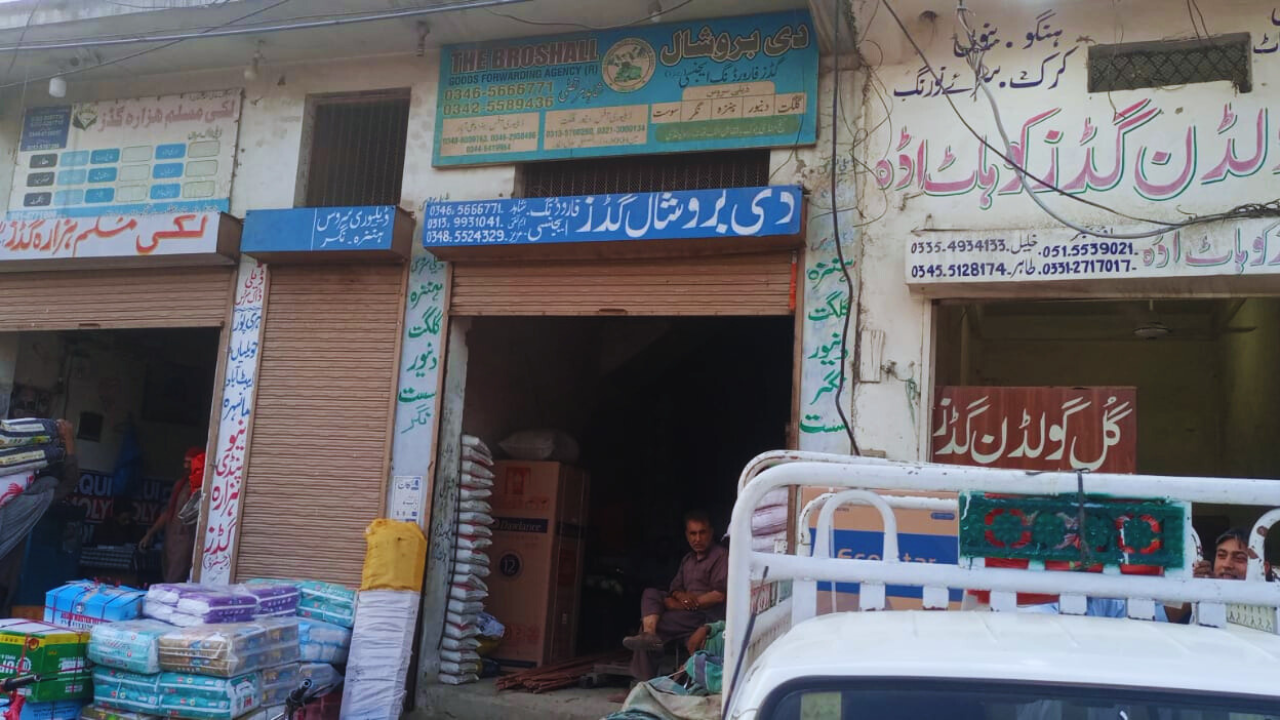
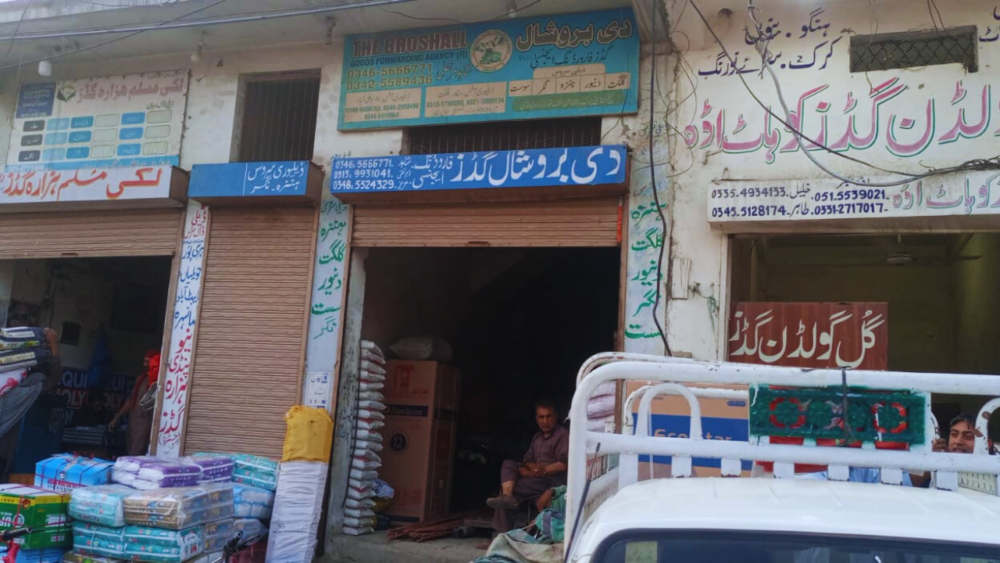
This local warehouse context—shown here in Rawalpindi, not an HHC facility—illustrates the kind of domestic forwarding and hub model HHC plugs into.
Choosing and Working with Suppliers Through HHC and Similar Platforms
HHC markets itself as part of a broader “ecosystem” with supplier onboarding, training content, and app‑based tools. That doesn’t remove the need to vet individual suppliers and products.
Trustpilot feedback on hhcdropshipping.com is mixed across a small number of reviews, which is a useful reminder: some dropshippers are happy, others are frustrated, and there isn’t enough data to treat the platform as universally reliable. You need supplier‑level due diligence.
How to evaluate suppliers inside HHC’s ecosystem
When you look at products and suppliers in HHC or similar Pakistan‑local platforms, focus on concrete signals:
- Catalog depth and clarity: Are product titles, specs, and images consistent? Sloppy listings often correlate with sloppy fulfillment.
- Dispatch behavior: Tutorials and community posts mention performance statistics and ratio reports. If HHC’s app shows these, favor suppliers with steady dispatch histories rather than sporadic bursts.
- Communication: Whether through the platform or off‑platform channels, test how fast and clearly a supplier responds to questions about stock, packaging, and returns.
- Off‑platform footprint: Look for the supplier’s presence on Facebook, Instagram, or YouTube. Real photos or videos of stockrooms and packing lines add credibility.
Always run test orders
Even though dropshipping lets you avoid inventory, you shouldn’t list products blindly. Place small test orders:
- Ship one unit to yourself or a trusted contact in Pakistan.
- Track delivery time versus what the supplier or HHC app suggests.
- Inspect product quality, labeling, and packaging.
If the item arrives damaged or late, use that experience to decide whether to:
- Drop the product.
- Keep it but lower expectations (and adjust your shipping promise).
- Switch to a different supplier for the same category.
Red flags specific to HHC‑style platforms
Common warning signs:
- Prices far below typical Pakistan retail for a category, with no explanation.
- No clear process for defects and returns when you ask directly.
- Inconsistent messaging between HHC marketing (“largest,” “most trusted”) and what you see in community groups or early orders.
Because HHC emphasizes an ecosystem and training, new dropshippers may assume it guarantees outcomes. It doesn’t. Treat HHC as infrastructure and each supplier as a separate business relationship.
Orders, COD, Payments, and Operational Fit
HHC is built around the idea that your “MOQ” is effectively one unit per end customer, with the platform handling pick and pack on demand. Some suppliers may still prefer small batches or impose minimums for certain lines, so ask before you commit to promoting a product.
Domestic lead times and tracking
HHC tutorials and app descriptions highlight multiple hubs and local couriers, which typically means deliveries within a few days across Pakistan, depending on the route and courier. You see tracking IDs through the app and can monitor delivery status.
For your store, that translates into:
- Shorter shipping promises for Pakistan customers compared with cross‑border shipping.
- Less exposure to customs delays or import paperwork if HHC is only fulfilling domestic orders.
COD flows and payouts
Pakistan’s retail market relies heavily on COD. HHC content and payment tutorials (such as this YouTube video) show a structure where dropshippers receive payouts after successful delivery, often into local commercial bank accounts using IBAN details.
That has implications:
- You or a partner need a Pakistan‑compatible bank setup to receive funds.
- Cashflow depends on settlement cycles (for example, how many days after delivery HHC pays you).
- Disputes over undelivered or rejected COD orders can affect your earnings; clarify how these are handled.
Because payout mechanics are high‑impact and policies can change, confirm:
- Current payout schedule.
- Fees or commissions at each stage.
- How canceled COD orders are reflected in your balance and performance metrics.
Logistics and performance tuning
HHC’s app reportedly surfaces transit and ratio reports. Use them to prune your catalog:
- Retain SKUs that ship and deliver consistently.
- Phase out SKUs that accumulate delays or complaints in certain regions.
If you’re a US seller partnering with a Pakistan‑based operator, put this monitoring in the partner’s responsibilities and require regular reporting so you can adjust marketing and pricing.
Where HHC Beats Global Marketplaces—and Where It Doesn’t
To place HHC in your broader sourcing strategy, compare it against other routes. The key is where your customers are and how each channel handles fulfillment and business setup.
| Channel or scenario | Main use case | Key strengths for an HHC user |
|---|---|---|
| HHC Dropshipping | Serving customers within Pakistan without holding inventory | Integrated local hubs, support for COD flows, app‑based tracking and performance reports |
| Pakistan‑based suppliers outside HHC | Domestic Pakistan sales with more direct control | Potentially better control over branding and packaging; requires you to arrange your own logistics |
| Global marketplaces (e.g., DHgate) | Cross‑border sourcing for US/EU or multi‑country audiences | Large international product catalog; you negotiate directly with independent sellers and can import or arrange order‑by‑order dropship workflows |
| Direct factories or local wholesalers | Higher‑volume, more established operations | Custom products or stable bulk supply; you take on inventory risk and independent logistics |
HHC shines when:
- Your brand or store is focused on Pakistan.
- You want local shipping speeds and COD without building your own warehouse network.
- You’re comfortable working within HHC’s banking and payout framework.
It’s a poor fit when:
- Your main customer base is outside Pakistan.
- You need products that aren’t widely stocked in Pakistan’s local ecosystem.
- You prefer direct control over inventory and packaging across multiple countries.
Global marketplaces such as DHgate play a different role. DHgate is a B2B marketplace where you can source products—such as bags, apparel, and industrial components—from independent suppliers and either import them as inventory or negotiate that suppliers ship directly to your end customers. Many listings explicitly mention dropshipping in their titles, especially in categories like fashion bags and hoodies.
Because DHgate is a marketplace connecting you with independent sellers, you still need to vet each seller, negotiate terms, and decide whether to use it for stocking your own warehouse or for order‑by‑order fulfillment. DHgate does not have native integration with HHC, so any workflow that involves both platforms would be custom and manual.
If you’re a US seller targeting US buyers, DHgate‑style sourcing often makes more sense than trying to involve HHC. You’d vet suppliers, order samples, and confirm that they’re willing to ship directly to your customers, using tools like ratings and communication—similar diligence to what you’d apply on HHC.
For many cross‑border sellers, the pragmatic setup is:
- Use HHC or comparable Pakistan‑local platforms strictly for Pakistani customers.
- Use DHgate or other global marketplaces to source goods for US/EU markets, whether via dropshipping or small wholesale imports.
- Add direct factory or local wholesale relationships once volumes justify the complexity.
That mix lets you match the logistics and banking model to each market instead of forcing one platform to cover use cases it wasn’t built for.