
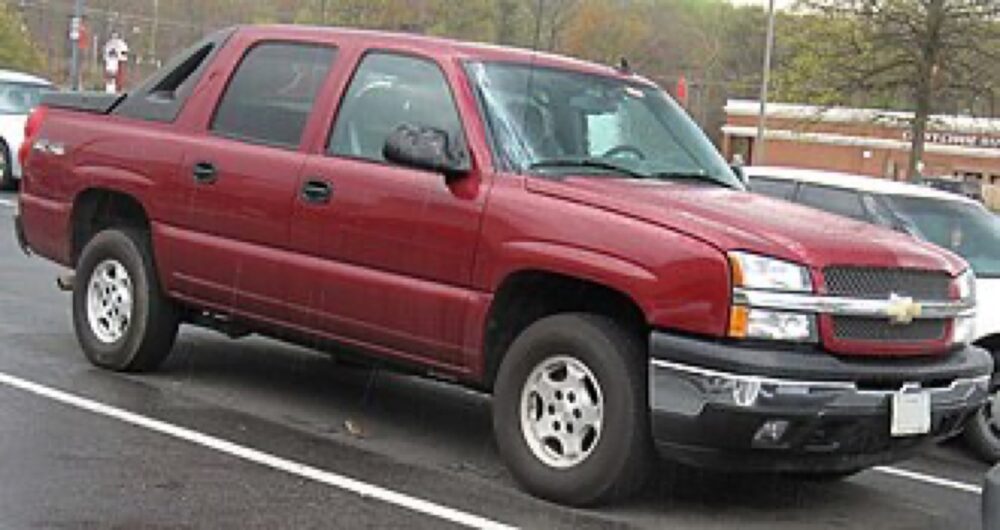
If you need a front or rear bumper for your Chevrolet Avalanche, you have three realistic paths: buy a genuine GM bumper through a parts catalog, choose a direct-fit OEM-style aftermarket cover, or step up to a heavy-duty steel off-road bumper. For a daily driver or insurance repair, genuine OEM or OEM-style parts that match your exact model year and options (body cladding, fog lights, parking sensors) are usually the cleanest choice. Heavy-duty bumpers make more sense if your Avalanche is a work truck or off-road build where protection and winch mounting matter more than stock appearance.
What Avalanche Front and Rear Bumpers Actually Include
The Chevrolet Avalanche was built roughly from the early 2000s through 2013. On these trucks, “front bumper” and “rear bumper” are more than just the visible metal or plastic you see.
OEM catalogs such as GMPartsGiant’s Avalanche bumper pages break bumpers into multiple components:
- Bumper cover or fascia – the outer plastic/metal skin you see, often textured or painted.
- Reinforcement/beam – the structural bar behind the cover.
- Brackets and supports – pieces that mount the bumper to the frame.
- Trim pieces – step pads, end caps, moldings.
- Openings and sensors – fog light openings, tow hook cutouts, parking aid sensor holes, etc.
Year and configuration matter a lot. Avalanche bumpers change with:
- Model year groupings – early 2002-2006 trucks with heavy body cladding vs later, cleaner-styled models.
- Body cladding vs non-cladding – some front covers are specifically labeled “for models with body cladding” and won’t look right or mount correctly on non-cladding trucks.
- Feature content – some front covers have fog light holes, some don’t; some rear bumpers are drilled for parking sensors.
You can see this broken out on sites like Chevypartsdeal’s 2003 Avalanche front bumper components page, where the bumper, bumper cover, and various supports are separate line items. That’s a good illustration of why ordering “a bumper” without part numbers often leads to fitment headaches.
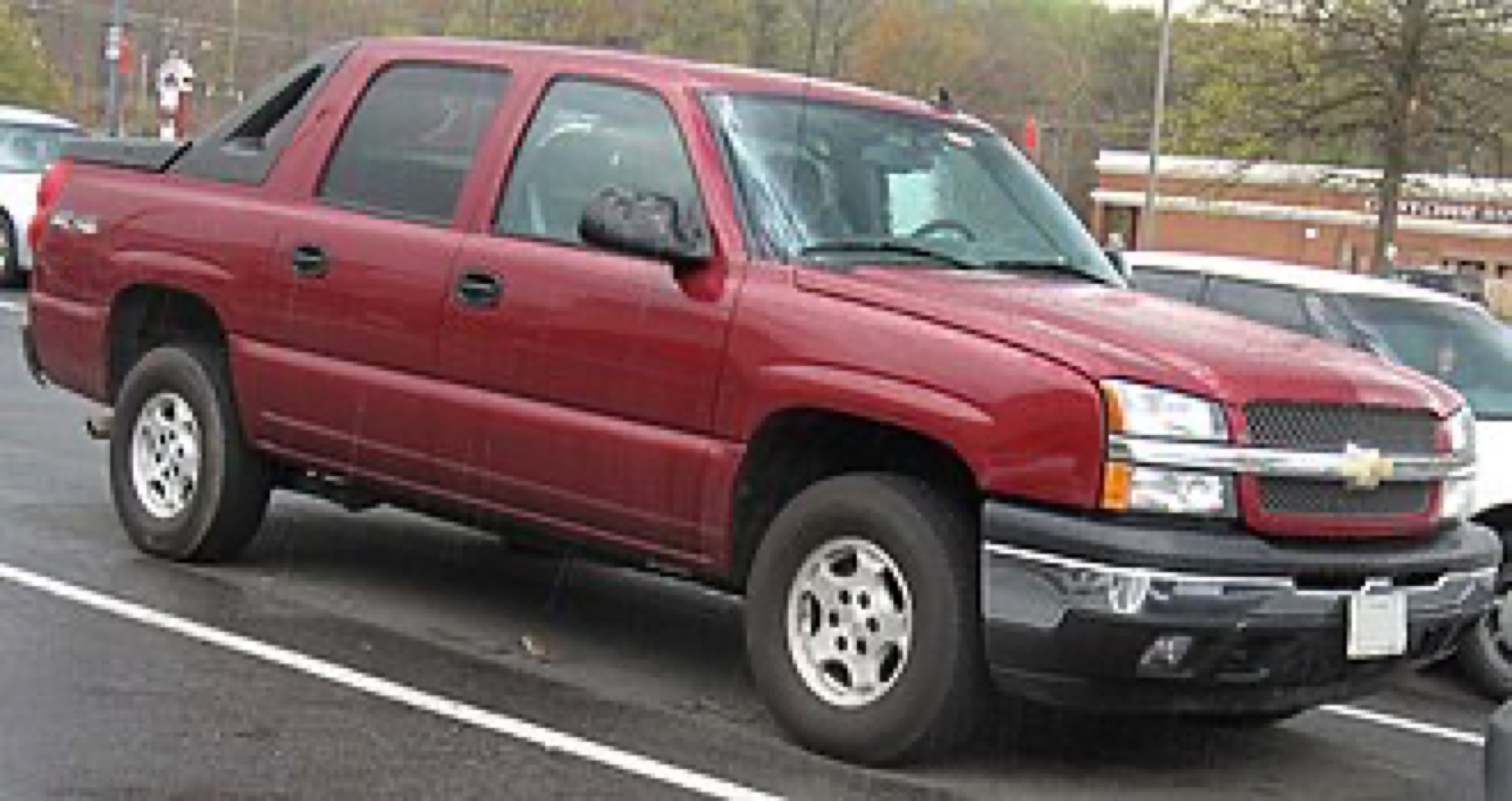
OEM, OEM-Style, and Heavy-Duty Avalanche Bumper Options
For replacement or upgrades, Avalanche owners and small resellers are usually choosing among three types of bumpers.
1. Genuine OEM GM bumpers
Genuine OEM bumpers are made to the same design sold on the truck when new. Parts sites such as GMPartsGiant’s year-specific Avalanche bumper listings organize bumpers by model year because a 2002 front bumper is not identical to a 2008 bumper. These listings often show multiple part numbers per year (different trims, cladding, or chrome vs painted).
Pros:
- Direct match to factory appearance.
- Year/trim-specific part numbers help avoid guesswork.
Trade-offs:
- Usually more expensive than aftermarket.
- Some older-year parts may be limited or on backorder.
2. OEM-style aftermarket bumper covers
OEM-style (sometimes CAPA-certified) bumper covers aim to replicate OEM fit and look but are produced by third-party manufacturers. For example, CarParts.com sells a direct-fit front bumper cover for a 2002 Avalanche 1500 that is:
- Textured, for models with body cladding.
- Designed with fog light holes.
- Specified without parking aid sensor holes.
That level of detail shows how precise you need to be when buying: the same truck can take different covers depending on those options.
Pros:
- Often significantly cheaper than genuine OEM.
- Widely available online, sometimes primed and ready for paint.
- Multiple variants for different combinations of fog lights and sensors.
Trade-offs:
- Fit and finish can vary by manufacturer; some trimming or adjustment may be needed.
- Quality and durability may not match GM’s original parts.
3. Heavy-duty/off-road steel bumpers
If your Avalanche is a work rig or off-road truck, a heavy-duty steel bumper may be the priority. Retailers such as Bumperstock’s Chevy Avalanche collection categorize full-width front and rear steel bumpers specifically for this model.
These typically offer:
- Thick steel construction with recovery points.
- Winch mounting options and high-clearance designs.
- More angular styling compared with the factory bumper.
Trade-offs:
- Heavier than stock, which can affect front-end rake.
- Styling is clearly aftermarket; resale buyers expecting a stock look may not love it.
- Installation may involve minor trimming or relocation of factory components.
Quick comparison of Avalanche bumper types
| Bumper type | Best use case | Appearance vs stock | Fitment complexity* |
|---|---|---|---|
| Genuine OEM GM | Insurance repair, clean daily driver | Matches factory exactly | Low (year/trim-specific) |
| OEM-style aftermarket | Budget-conscious repair or respray | Very similar, minor differences | Medium (must match options) |
| Heavy-duty/off-road | Work truck, trail or overland build | Clearly non-OEM, rugged look | Medium–high (may need tweaks) |
*Fitment complexity is editorial judgement based on how often you must check body cladding, fog lights, sensors, and mounting hardware.
Where to Buy Avalanche Bumpers and How to Judge Fit and Value
For a 2002-2013 Avalanche, you’re choosing between structured parts catalogs, general online retailers, bumper specialists, and salvage.
Structured GM-focused catalogs
GM-oriented parts sites such as GMPartsGiant’s general Avalanche bumper catalog and its year-specific pages (e.g. the 2002 and 2008 listings) organize parts by model year and trim. This makes them useful for:
- Looking up factory part numbers for front and rear bumpers.
- Confirming whether your trim uses cladding, fog lights, or sensors that change the part.
Use these sites to cross-check any bumper you’re about to buy elsewhere. If a listing doesn’t mention body cladding, fog lights, or sensor holes but the OEM part catalog does, that’s a red flag.
General online auto parts retailers
Large catalog sites like CarParts.com’s Avalanche bumper cover section carry direct-fit covers for multiple years. Some are primed, some textured, and many specify:
- Front vs rear.
- With/without fog light holes.
- With/without parking aid sensor holes.
Before buying here:
- Filter by your exact model year.
- Read the fitment notes carefully – “for models with body cladding” vs “without” is critical on early Avalanches.
- Check whether you’re getting just the cover or a full assembly with reinforcement and brackets.
Bumper specialists for off-road builds
If you’re sourcing for a custom build or small ecommerce business selling off-road gear, a bumper specialist like Bumperstock’s Avalanche page is a focused channel. Their model-specific categories simplify browsing and can help you avoid generic “Chevy truck” bumpers that really target Silverado dimensions.
Checks that matter here:
- Verify the listed years (some heavy-duty bumpers cover only certain generations).
- Confirm winch capacity and recovery point locations from the manufacturer documentation, not assumptions.
Salvage yards and part-out trucks
If genuine or high-quality OEM-style parts are too expensive or unavailable, salvaged bumpers from the same generation Avalanche can be a practical alternative:
- Local yards, regional dismantlers, and online salvage networks often list complete front or rear bumpers.
- You can sometimes buy a full assembly (beam, cover, brackets, trim) pulled from a donor truck.
Always compare the donor truck’s year, trim level, and cladding style to yours using a parts catalog such as Chevypartsdeal’s component breakdown or the GM-oriented sites above; that keeps you from ending up with a bumper that bolts on but looks obviously wrong.
A simple fitment checklist before committing:
- Year range: Does the bumper listing explicitly include your model year?
- Body cladding: Does it match your truck’s cladding or WBH (Without Body Hardware) configuration?
- Lights and sensors: Are fog light openings and parking aid sensor holes the same as your current bumper?
- Assembly vs cover-only: Will you need to buy separate reinforcement bars, brackets, or trim to complete the install?
If you answer “no” or “unclear” to any of those, pause and cross-check against an OEM catalog before you spend money.