
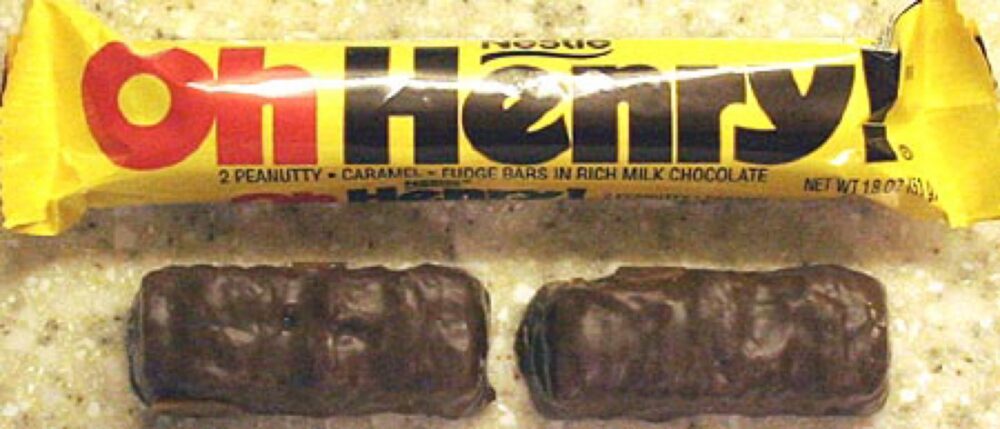
If you’re buying Oh Henry candy bars from Australia—whether for a small online shop or a big event—the best value usually comes from mixing channels. Use Australian specialty importers for small, time-sensitive quantities, and tap North American case deals or global marketplaces for true bulk. The catch is that Oh Henry is now largely a Canadian product, so shipping, duties and shelf-life can turn a cheap-looking box into an expensive, risky bet. You’ll only know if it pencils out once you’ve looked at the full landed cost per bar.
What Oh Henry Bars Are and Why Bulk Supply Is Awkward from Australia
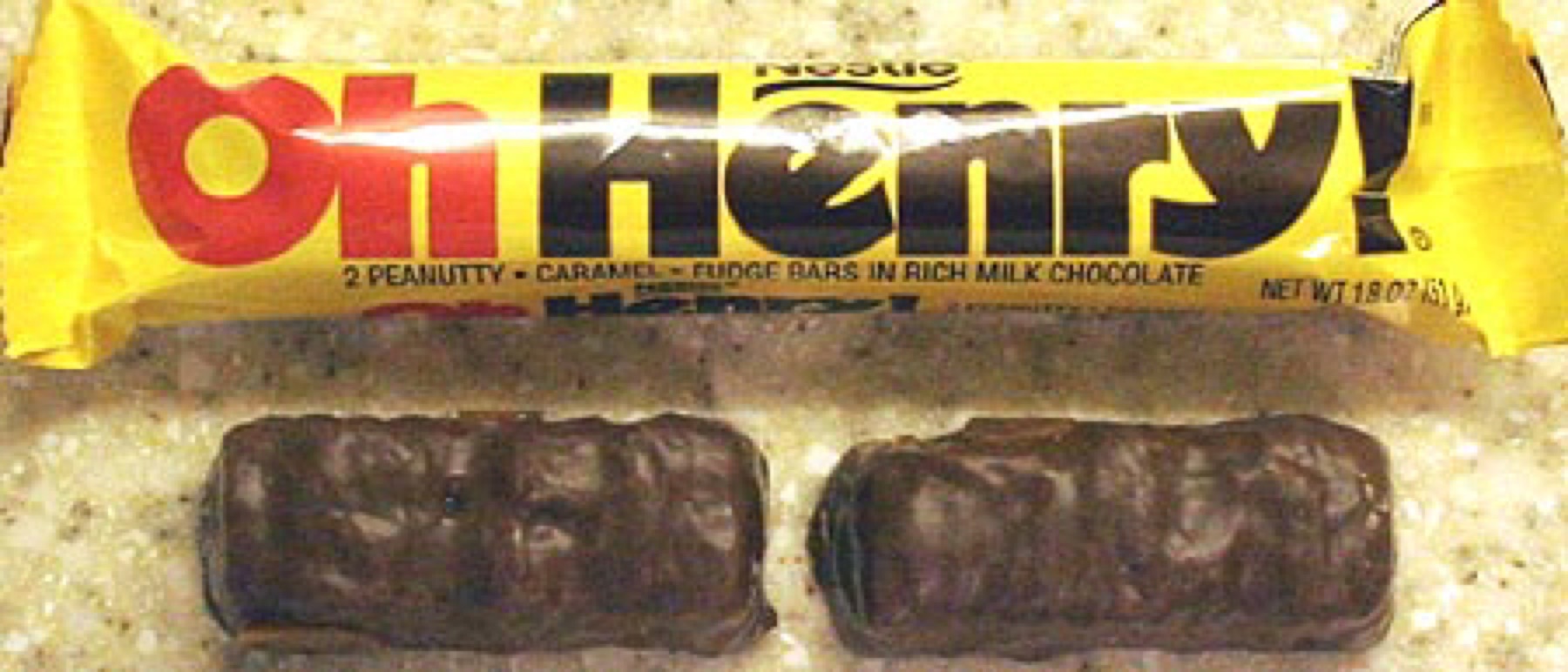
Oh Henry is a classic North American bar built around four elements: roasted peanuts, caramel, fudge, and a chocolate coating. It dates back to the early 20th century and became a familiar US and Canadian brand over decades of distribution in supermarkets and convenience stores, as described in Oh Henry’s history.
In recent years, Oh Henry has been reported as discontinued in the US market, while still sold in Canada. That shift matters if you’re sourcing from Australia. Many bulk listings now originate from Canadian retailers or specialty candy sites rather than US warehouse clubs. Canadian-focused shops like Candy Funhouse still list Oh Henry bars, and US retailers like CandyFavorites show case formats aimed at bulk buyers.
For an Australian buyer, that means:
- Fewer local options. You won’t find Oh Henry in typical supermarket confectionery aisles.
- Reliance on importers. Australian stores that carry it—such as specialty confectionery warehouses—are importing it themselves and charging a premium.
- Longer logistics chain. Bars travel from Canadian or US warehouses to you, adding transit time and storage risk on a highly perishable product.
If you only need a handful of bars for nostalgia or a themed gift, paying that premium locally can be cheaper than trying to import a case. Bulk sourcing starts making sense only once you’re spread across many units and can absorb the logistics overhead.
What Really Drives the Total Cost of Oh Henry Bars to Australia
For budget decisions, you can’t just compare sticker prices on a single bar. Your real cost in Australia is a combination of product price, shipping, customs/GST, and handling.
1. Product price and case format
North American candy retailers often sell Oh Henry in cases designed for wholesale or events. For example, CandyFavorites lists a 24-bar box, and some big-box or online listings show 24-36 bars per case. Buying a full case like that typically drops your per-bar price compared with buying singles at retail tills.
Australian import candy shops, by contrast, usually sell individual bars or small packs. A listing like the Reese’s Peanut Butter variant on Confectionery Warehouse sits as a single bar with an Australia-level price. Per unit, that is significantly higher than the implied per-bar cost in a North American case—but the local price already bakes in freight, customs admin and retail margin.
In practice:
- Case buys overseas: lower per-bar product cost, but you still have to move the box to Australia.
- Local singles: highest per-bar product cost, but no extra logistics work for you.
2. Freight and shipping method
Freight is usually your biggest swing factor:
- Courier/express parcel from Canada/US is fast and predictable, but the per-kilo rate on a heavy box of chocolate can be steep.
- Postal/slow parcel is cheaper per kilo but adds transit time and temperature risk.
- Consolidated freight (bundling Oh Henry with other stock you’re importing) spreads the per-box cost across more items.
Chocolate bars are dense and relatively heavy; a full case of 24-36 bars can weigh several kilos once you include packaging. The more cases you import in one shipment, the better your chances of amortizing fixed shipping and handling fees—but you also increase the risk of holding product past its ideal shelf-life if you don’t have firm demand.
3. Customs, GST and food import handling
On top of shipping, you may face:
- GST and duty on the declared value plus freight, depending on thresholds and classification.
- Broker or handling fees from your courier or customs broker.
- Compliance checks: packaged chocolate generally travels more smoothly than fresh food, but you still need labels that meet Australian rules (ingredients, allergens, date coding).
For a small ecommerce business, those fees can compress your margins quickly. If the landed per-bar cost is close to—or higher than—the retail price charged by local import shops, stocking Oh Henry might not make economic sense. It’s worth reading independent guidance like Understand customs, tariffs and import fees to map out the extra cost components before you commit.
4. Worked scenario: case vs local singles
You can sketch a rough comparison even without exact numbers. Assume:
- A 24-bar case from a North American shop.
- One shipment to Australia (shipping + customs + handling combined).
- Local singles purchased from an Australian import confectioner.
Here’s how those often stack up qualitatively:
| Option | Product format | Per-bar product price | Extra costs you pay directly | Typical use case in Australia |
|---|---|---|---|---|
| North American case (24 bars) | Full case from candy retailer | Low vs local singles | High shipping + customs + handling | Resale, events, candy boxes if demand is known |
| North American case (36 bars) | Larger case | Very low vs singles | Higher total, similar per-bar freight | Higher-volume resale, themed subscription boxes |
| Australian import candy shop singles | Individual bars | High (includes logistics) | Minimal (domestic shipping only) | Gifts, small themed runs, taste testing |
You’d calculate your landed per-bar cost by adding your total invoice (product + shipping + customs/fees) and dividing by the number of bars. Only if that number undercuts or at least matches the local per-bar retail price and you can sell through the bars before they age does importing a case make budget sense.
Choosing the Right Channel: Import Shops, Global Marketplaces, and Cost-Saving Tactics
Once you understand the cost structure, channel choice becomes a strategic decision rather than a guess.
Local Australian import shops
Specialty confectionery retailers in Australia—like the Confectionery Warehouse listing above—are the simplest option:
- You get ready-to-sell stock without dealing with customs.
- Shelf-life and storage have already been managed through previous import legs.
- You usually pay a premium per bar, which is fine for small runs or one-off campaigns.
This channel suits buyers who value speed and simplicity over the absolute lowest cost, or who only need tens of bars rather than hundreds.
North American retailers and bulk candy sites
If you’re aiming for real wholesale-style economics, you’re more likely to be shopping:
- Dedicated candy sites such as CandyFavorites or Canadian shops like Candy Funhouse that sell cases.
- Large online retailers and marketplaces that are commonly cited for bulk candy, like Amazon or Walmart (their listings and availability for Oh Henry change over time).
Your play here is to secure case pricing, then attach international shipping—either directly or via a freight-forwarding setup. The key risk is freshness; buy only quantities you realistically expect to sell within the printed shelf-life window.
Global marketplaces and where DHgate fits
Global marketplaces can help on two fronts:
- Candy sourcing from various sellers (for well-distributed brands).
- Accessories and packaging to present or resell candy more profitably.
DHgate’s own editorial blog cites the platform as a website to consider for bulk candy. In practice, its catalog skews heavily towards accessories and packaging rather than branded bars like Oh Henry. Current listing snapshots show items such as custom gift and candy boxes, mini candy vending machines, and decorative candy-themed neon signs and lanterns.
If you’re building an Oh Henry-themed box or subscription package, a marketplace like DHgate can be useful for cheap decorative elements and packaging, while the bars themselves are sourced from North America or local importers. Just treat any listing for branded candy cautiously: check photos, descriptions, country of origin, and seller history, and compare with official brand packaging before relying on it.
For more context on marketplace trade-offs, you can look at Compare DHgate with AliExpress, Alibaba and Temu and Find wholesale suppliers on DHgate to see where accessory sourcing fits alongside your main food supply chain.
Cost-saving tactics that don’t compromise quality
To keep your Oh Henry project on-budget and safe:
- Match shipment size to demand. Only import as many bars as you have firm orders or a realistic forecast to sell within the best-before date.
- Bundle freight. If you import other North American candy or snacks, consolidate shipments so fixed customs and broker fees are spread across more items.
- Use cases for trials. Before committing to multiple cases, import a single case, measure real landed cost per bar, monitor transit time, and gauge how customers respond to the price.
- Mind the climate. Chocolate doesn’t love heat. Avoid mid-summer imports into hot parts of Australia unless you’re willing to pay for faster or temperature-conscious shipping.
- Have backup products. Because Oh Henry’s US discontinuation narrows supply, consider stocking a similar bar as a substitute (for example, any peanut–caramel–chocolate bar with good Australian availability) so you can pivot if Canadian or US stock tightens.
If your spreadsheet shows a high landed per-bar cost and tight margins, the rational call may be to treat Oh Henry as a limited-time, premium import and build your everyday business around easier, locally available bars. The goal isn’t to force Oh Henry into your catalog—it’s to understand clearly whether the numbers work for you before you spend on international chocolate.