
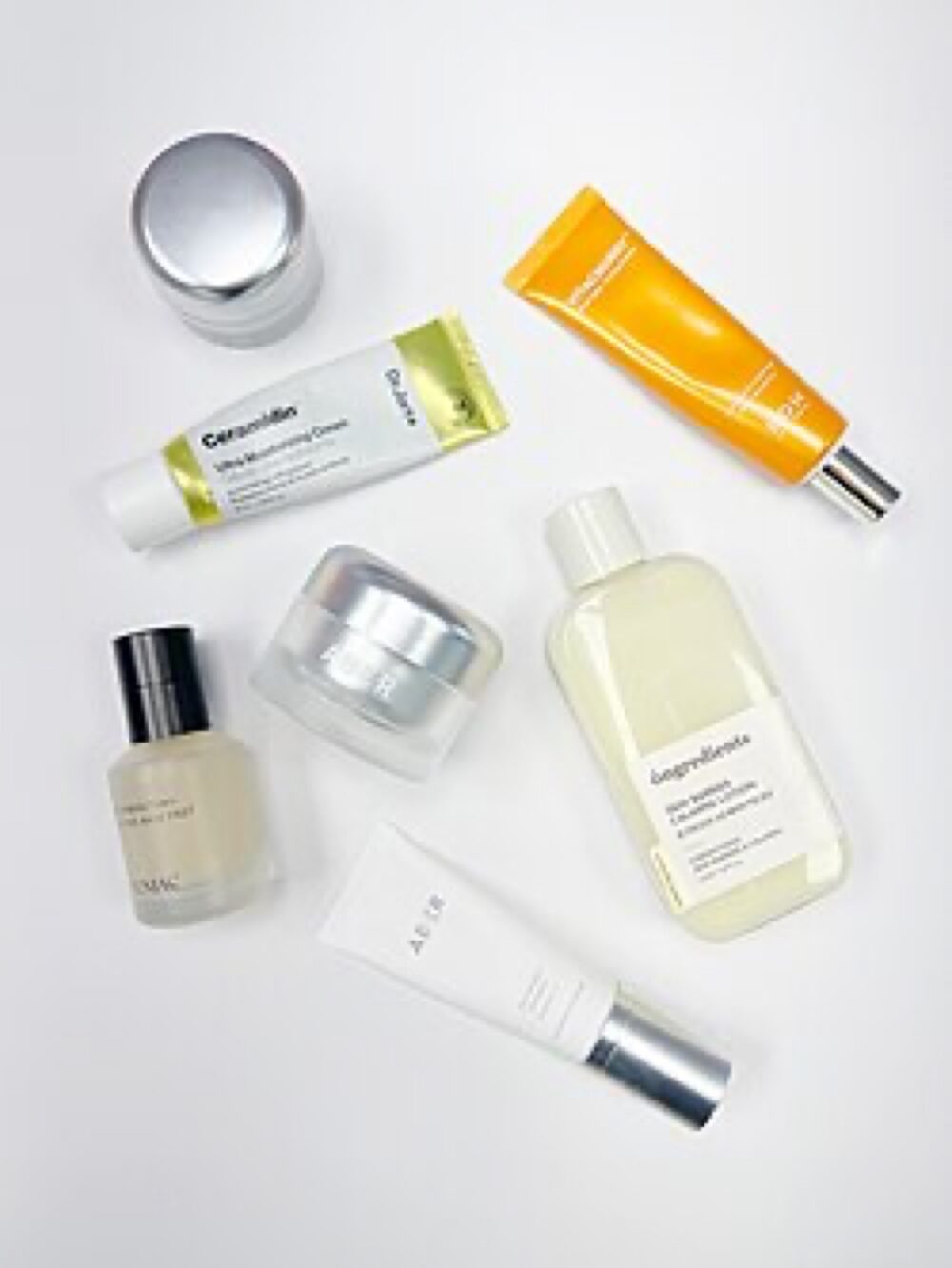
If you’re building an IM-style or K-beauty-focused assortment, your sourcing route depends on what you’re actually selling. For authentic branded lines, you generally need brand-authorized wholesale or established distributors. For custom “IM-style” products, private-label factories and OEM partners make more sense. Cross-border platforms like DHgate sit alongside these routes: they’re most practical for beauty tools, cosmetic bags, devices, and packaging, or for flexible-quantity OEM-style work—not as a primary channel for authenticated branded K-beauty.
How IM-Style Beauty Brands Are Sourced Today
“IM Beauty Brand” is a vague phrase. In practice, US buyers use it in two ways:
- Authentic branded K-beauty/IM-style products (well-known Korean or Asia-based brands, often ingredient-focused).
- Private-label IM-style brands that mimic K-beauty aesthetics and textures but carry your own logo.
Those two interpretations map to different supply lanes:
- Brand-authorized wholesale – You apply to a brand or its official B2B program. Typical for well-known K-beauty lines. Expect documentation, brand rules, and higher MOQs but clearer authenticity.
- Regional distributors and exporters – Companies that stock multiple Korean brands, sometimes holding inventory in Korea, the EU, or US. Independent guides like ScaleOrder’s K‑beauty supplier overview highlight how these differ by shipping speed and where inventory lives.
- Private-label/OEM factories – Labs or contract manufacturers (often in Korea or China) that develop formulas and packaging for your own IM-style brand. This is a fit when you care more about vibe and ingredients than carrying a specific brand name.
- Cross-border B2B marketplaces – Platforms such as DHgate host many independent sellers and factories across categories, including health and beauty. DHgate’s own blog portrays it as a wholesale marketplace with broad category coverage, from skincare items to specialized beauty tools and accessories.
The key distinction: if you need brand logos that customers recognize, you stick to brand/distributor lanes. If you need IM-style aesthetics and margin control, you lean into private label and platforms that expose OEM manufacturers.
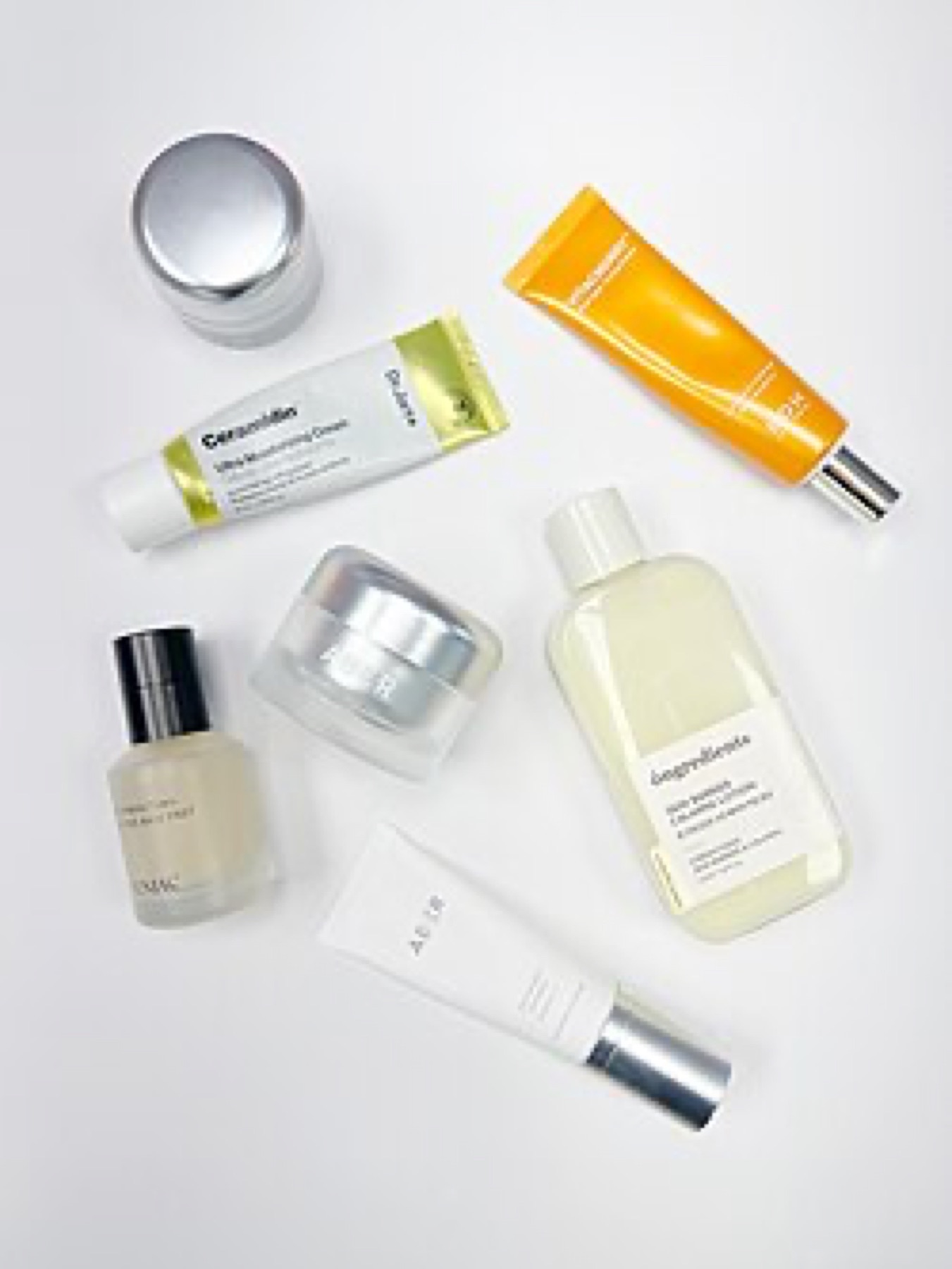
Matching Sourcing Routes to Order Size, Customization, and Workload
Your practical choice depends on three things:
- Order size – Are you testing with 50-100 units or planning 2,000+?
- Customization – Do you need your logo on the packaging, or is resale of existing brands fine?
- Workload – How much time and skill can you invest in compliance, sampling, and supplier management?
Here’s a compact editorial comparison:
| Route | Typical MOQ Expectations (heuristic) | Customization Level | Buyer Workload & Steps |
|---|---|---|---|
| Brand-authorized wholesale | Often mid–high; think steady case-level orders per SKU | None (you resell existing packaging/branding) | High onboarding: applications, brand rules, assortment planning, ongoing compliance |
| Regional distributors/exporters | Moderate; sometimes more flexible for mixed-brand orders | None | Moderate: supplier vetting, price lists, choosing SKUs, managing replenishment |
| Private-label/OEM factories | High for finished formulas, more flexible for simple accessories | High: your logo, packaging, sometimes custom formulas | Very high: product development, sampling, packaging design, regulatory checks |
| Cross-border B2B platforms (e.g., Cross-border multi-seller) | Highly variable by listing; Cross-border multi-seller marketing notes some sellers offer small-quantity buys with tiered pricing for larger orders | Ranges from none (ready-made tools) to moderate/high (custom packaging, OEM work) | Moderate–high: you do product search, seller evaluation, sample ordering, and logistics coordination directly with each seller |
Scenario: Testing a 50-100 Unit IM-Style Assortment
If you’re validating demand with a tiny run:
- Branded K-beauty: Regional distributors or small wholesale programs are usually more realistic than brand HQ. You may mix multiple brands in one carton.
- Private-label IM-style: You’re unlikely to meet full OEM MOQs for complex formulas, but you can start with low-risk items like cosmetic bags, tools, and printed inserts.
On cross-border platforms like DHgate, seller-set MOQs vary. DHgate’s marketing highlights that some listings allow very small quantities, with unit prices dropping at higher tiers. In practice, this fits well for non-regulated pieces of your assortment: makeup brush sets, travel cases, and branded packaging to wrap around formulas you sourced elsewhere.
Scenario: Scaling to 2,000+ Units
Once you see strong demand:
- Branded K-beauty: Direct brand relationships or large distributors become more viable, but they expect consistent volumes and adherence to channel rules.
- Private-label IM brand: OEM factories become attractive. You invest in custom packaging, possibly custom formulas, and negotiate per-unit costs.
- Platforms: You may still lean on marketplaces for peripheral items (beauty devices, organizers, gift boxes) or to trial new SKUs quickly before committing to factory contracts.
Using DHgate as a Beauty Sourcing Channel Alongside Other Options
DHgate’s blog emphasizes three positioning points for health and beauty sourcing: a wide range of products, access to OEM factories, and competitive pricing that aims to preserve margins. Combined with product snapshots, that suggests DHgate is better viewed as a supporting lane for IM-style beauty rather than your sole source of hero formulas.
DHgate Listing Snapshot (2026-10-06)
Around 2026-10-06, a quick look at DHgate shows various beauty-adjacent SKUs:
- Cosmetic bags & organizers – Multiple listings for large-capacity travel makeup bags and organizers, such as a quilted travel toiletries bag (DHGM quilted makeup bag) and foldaway beauty organizers (foldaway beauty organizer). These sit in categories like “Cosmetic Bags & Cases” or “Toiletry Kits” and are priced in the low tens of USD per unit in the snapshot, with seller-defined MOQs.
- Beauty tools and machines – Listings such as a microdermabrasion beauty machine for salons (microdermabrasion beauty machine) and home-use beauty equipment (home beauty instrument). These are higher-ticket items, again with MOQs and specs set by each seller.
- Makeup brush kits – Full-set and mini brush collections like a complete face-and-eye kit (HOURGLASS-style makeup brush set) and 9-piece travel sets (9pcs mini makeup brush kit). These are classic IM-style accessories to complement your brand.
- Custom packaging & printing – OEM-style listings for branded boxes and printed materials, such as custom packaging boxes for beauty products (custom branded packing solutions) and wholesale printing services for catalogs and inserts (printed catalog & brochure service). These align with DHgate’s blog claim of OEM access for health and beauty.
Where DHgate Adds Real Value for IM-Style Sourcing
For a US buyer building an IM-style or K-beauty-inspired line:
- Accessories and tools: DHgate is strong for filling out your catalog with non-formula SKUs—brush sets, cosmetic bags, travel organizers, beauty devices—without committing to huge MOQs with a single factory.
- Branded packaging and inserts: OEM-style listings for boxes and printing help you wrap your core products in IM-style branding, even if you sourced the actual skincare from a Korean distributor.
- Experimentation: Tiered pricing and variable MOQs let you test small batches of accessories or packaging concepts, then scale with the same or similar sellers if they perform.
Where DHgate is weaker or more work-intensive for an IM/K-beauty brand:
- Authenticated branded formulas: For well-known Korean skincare brands, brand-authorized programs or vetted distributors are usually safer paths. Marketplace listings may not carry the documentation you’d expect from official channels.
- Compliance-heavy development: If you’re developing new formulas destined for US retail shelves, it’s generally better to work directly with a cosmetic lab or OEM factory that offers clear regulatory support instead of piecing together components via marketplace chat.
If you do choose to explore DHgate sellers, treat it as a hands-on sourcing lane: invest time in seller communication, sample evaluation, and contract details for each listing. You can cross-reference that work with platform-focused guides such as Find DHgate suppliers and Choose a DHgate wholesale supplier to keep your workload manageable.
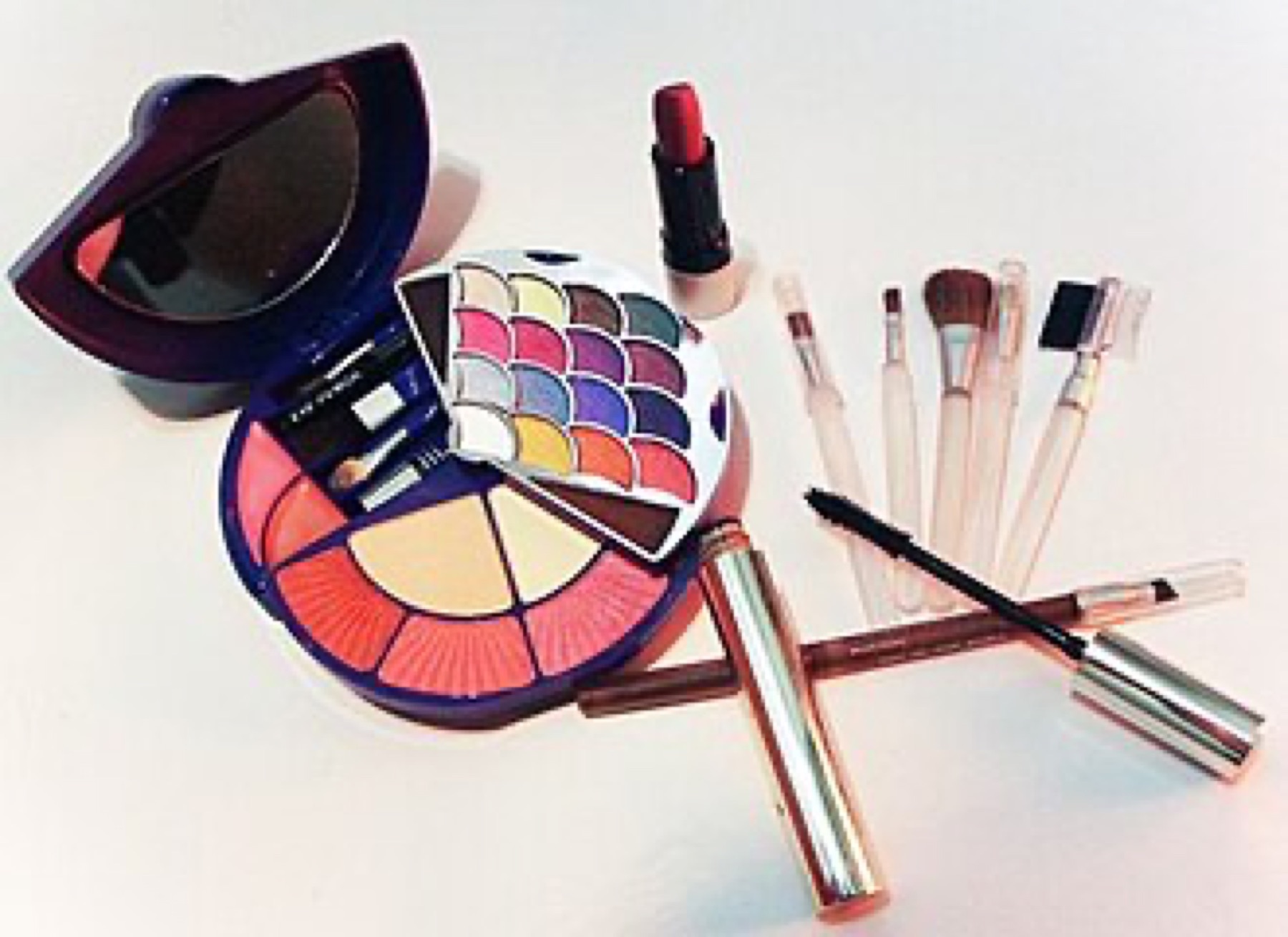
Query-time DHgate listing example
Observed on 2026-10-06, Factory wholesale beauty and hairdressing kit canvas bag multifunctional kit suitcase tattoo backpack appeared in Permanent Makeup Needles & Tips. This is a time-bound, illustrative listing example; availability and listing details may change. Compare the stated specifications and order a sample before considering a larger purchase.
Practical Route Choices by Business Type
To close, match your situation to a realistic route mix:
- Small US ecommerce shop reselling known K-beauty brands: Focus on regional distributors and exporter-style wholesalers; use DHgate only for accessories (bags, brush sets) and branded packaging.
- Emerging IM-style private-label brand: Combine OEM/private-label labs for formulas with DHgate-style sourcing for cosmetic bags, tools, gift boxes, and printed inserts to keep MOQs flexible while you test the brand.
- Service business (salon, spa, beauty studio): Source treatment machines, carts, and organizers from marketplaces like DHgate, while using brand-authorized or distributor channels for retail products customers recognize.
Before choosing a DHgate supplier, use Find wholesale suppliers on DHgate.
That mix gives you a realistic balance: official channels for anything where authenticity and compliance drive trust, and flexible marketplace/OEM sourcing where IM-style aesthetics, packaging, and accessory variety matter most for your margin.