
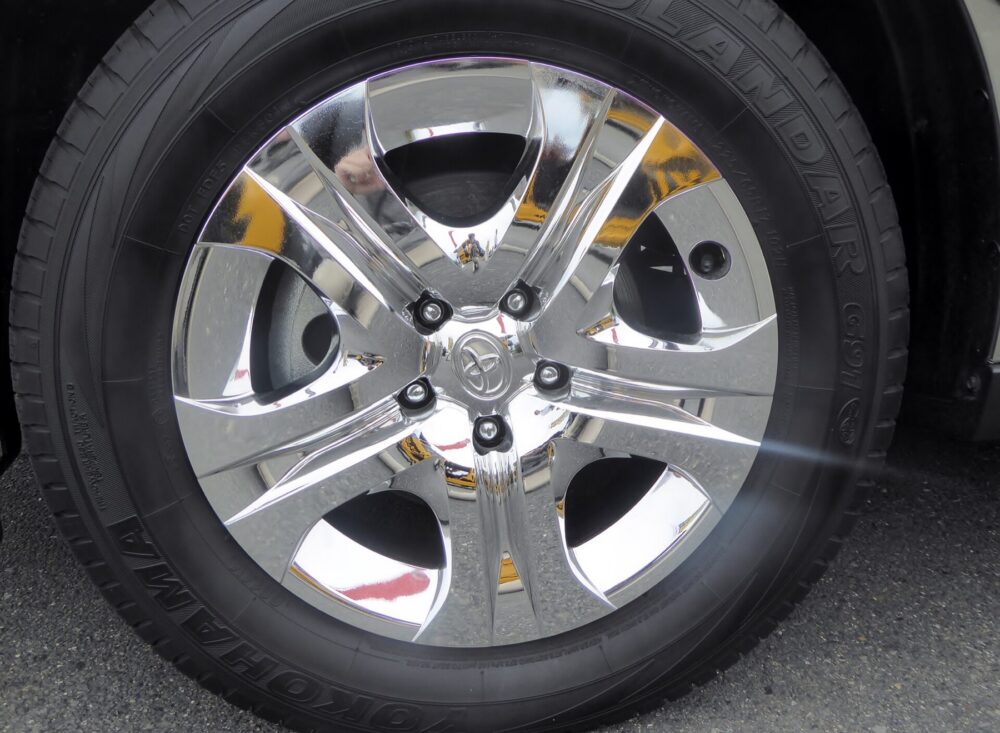
If you’re sourcing Toyota wheel center caps from Canada, you’ll usually end up mixing channels. For factory-look, trouble-free fit and clear provenance, local OEM or licensed distributors are your safest bet. For cheaper universal or replica caps and small test orders, cross-border marketplaces like DHgate, Alibaba, or Made-in-China can make sense, especially if you’re willing to handle fit checks, communication, and some extra risk in exchange for lower MOQs and broader options.
The rest of this guide maps each route to order size, customization, and workload so you can decide where DHgate actually fits for your Toyota-compatible caps, and where it doesn’t.
How Toyota Wheel Center Caps Move Through the Wholesale Supply Chain
Toyota-style center caps exist in three broad buckets:
- OEM caps – produced for Toyota by approved suppliers, sold through dealer and OEM parts networks. These have exact fit for specific wheel part numbers and the authentic logo. They’re usually more expensive, and wholesale access often requires working through an authorized distributor or dealer program.
- Aftermarket replica caps – visually mimic Toyota designs but are made by independent factories. These can be high quality or flimsy; tolerances and clip designs vary, so fit on a given rim is less guaranteed. They’re widely traded in global wholesale, especially out of East Asia.
- Universal/blank caps – sized by diameter and clip style (e.g., 60 mm, 56 mm, 75 mm), sometimes supplied blank so you can add your own branding or decals. These are common on marketplaces and are often what you’ll actually find when you search for Toyota-compatible caps.
Production is heavily concentrated in China and neighboring manufacturing hubs for the replica and universal segment. OEM caps may share similar geographic origins but run through more tightly controlled supply chains. That’s why:
- OEM and licensed distributors tend to be the natural fit if you want a factory look with less risk of returns.
- Cross-border marketplaces and direct factory sourcing dominate if you’re chasing margin on aftermarket or universal caps and are prepared to do your own fit and quality validation.
Choosing Suppliers and Channels for Toyota-Compatible Center Caps
For a Canadian buyer or small ecommerce operation, your supplier choices usually fall into five routes:
- Local Toyota dealer or OEM parts distributor
- Local aftermarket wholesaler
- Cross-border marketplace (DHgate, Alibaba, others)
- Direct factory (via platforms like Made-in-China or an agent)
- Trade shows or sourcing tours in China
Here’s how to evaluate them specifically for center caps.
Fit and spec: don’t buy on model name alone
Center caps are defined by:
- Outer diameter (e.g., 56 mm, 60 mm, 71 mm)
- Inner clip design and depth
- Wheel part number compatibility
On marketplaces, listings often say “for Toyota” or “for BMW/Audi/Toyota/VW” without citing wheel part numbers. You should insist on:
- A clear diameter spec and clip design photos (ideally with caliper measurements)
- Any stated OEM part numbers they claim compatibility with
- Confirmation that the cap is blank vs. branded, and whether logos are printed, stickers, or separate emblems
If a supplier can’t give you these details, you’re taking on a high return risk for center caps.
Supplier evidence: what’s specific to auto trim parts
For caps and similar trim pieces, your verification work should focus on:
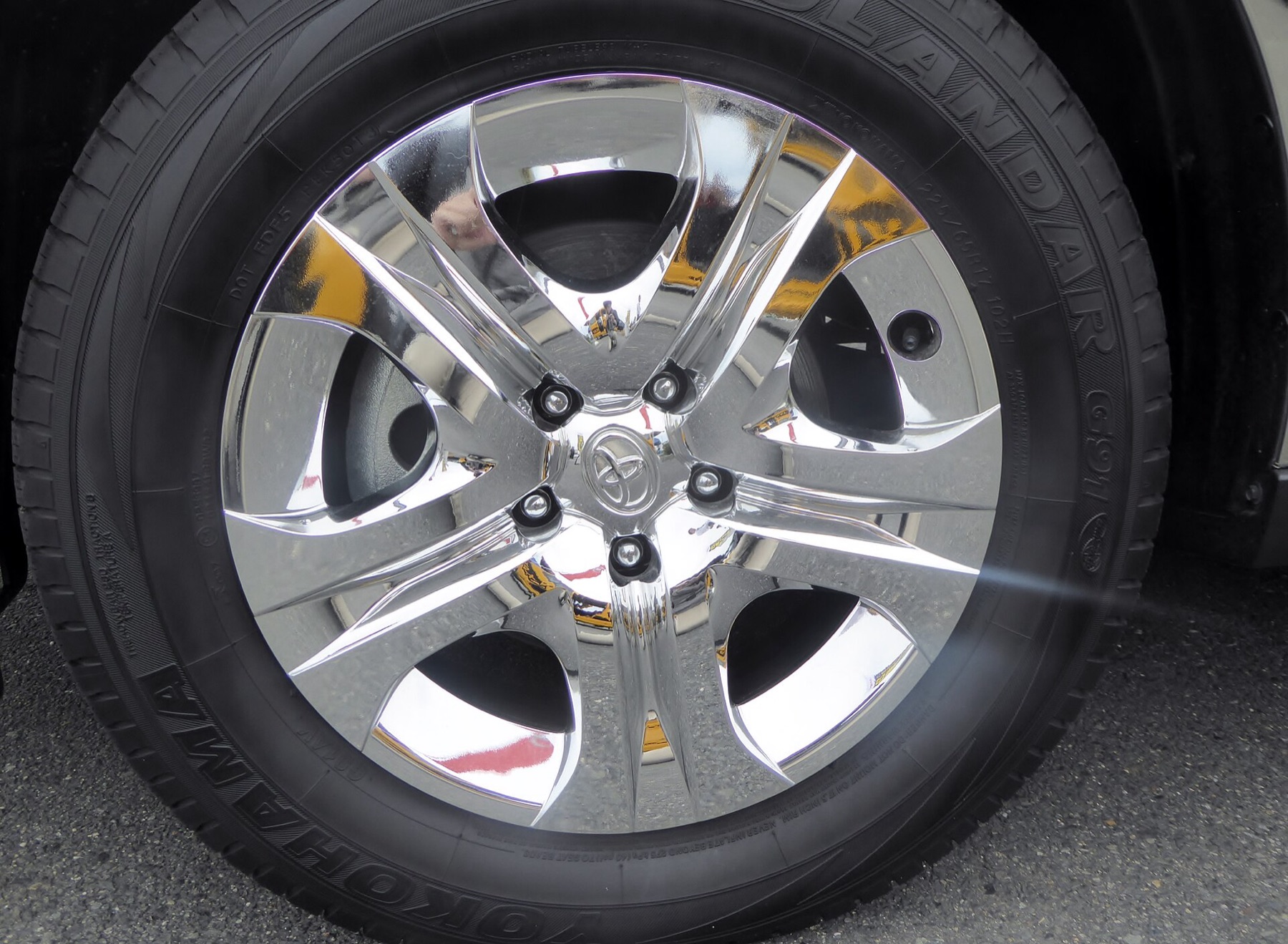
- Consistency of plastic and chrome finish – ask for close-up photos of multiple batches or a video of the production line.
- Clip design robustness – request photos of the clips from multiple angles; flimsy clips are the main cause of caps popping off.
- Batch-to-batch variation – ask how they control color and gloss so caps match across sets.
Local OEM or licensed distributors have already solved this for you; you’re paying partly for that assurance. With marketplaces or direct factories, you need samples.
For DHgate-specific supplier checks, you can use the signals described in our guides on finding wholesale suppliers on DHgate, finding DHgate suppliers, and choosing a DHgate wholesale supplier. On DHgate, supplier badges like “top merchant” reflect higher sales volume and stronger customer feedback, but they’re still just one data point alongside photos, specs, and any buyer reviews.
Workload by route
- Local OEM / dealer – easiest on verification and returns, but highest per-unit cost and limited on customization.
- Local aftermarket wholesaler – mid-range work: you may still need to confirm fit for specific Toyota rims, but shipping and communication are simple.
- Direct factory or trade show sourcing – highest upfront workload but better control long term if you plan sustained volume.
Order Size, MOQ and Platform Comparison: Where DHgate Fits
DHgate is a China-based international B2B marketplace that connects global buyers with Chinese manufacturers and suppliers across many categories. It hosts millions of products and hundreds of thousands of suppliers, including universal wheel center caps and related trim.
Compared with platforms like Alibaba and Global Sources, DHgate tends to allow lower minimum order quantities, sometimes down to single sets for certain products. It also uses tiered pricing, where unit prices usually decrease as your order quantity increases.
DHgate listing snapshot (2026-09-30)
Around 2026-09-30, DHgate listed several relevant center-cap style products. Details can change at any time, but this snapshot shows the kind of options and MOQs you might encounter:
What this snapshot suggests:
- Diameter variety – DHgate has multiple diameters (54 mm, 56 mm, 59 mm, 60 mm, 70 mm), which matters if you’re trying to match specific Toyota rims.
- Universal and cross-brand positioning – titles often say “universal” or list several brands including Toyota, which means you must confirm fit via measurements rather than trusting brand names.
- MOQ flexibility – several listings show price ranges but no explicit MOQ in the snippet, consistent with DHgate’s tendency to support low-order quantities. You still need to verify MOQ with each seller.
How DHgate compares to other sourcing channels
For Toyota-compatible center caps, the main routes look like this in practice:
| Route | Typical MOQ & flexibility | Customization potential | Buyer workload from Canada | Best fit scenarios |
|---|---|---|---|---|
| Local OEM / dealer | Often small (even single sets), but at OEM pricing | None; you’re buying official Toyota parts | Low – straightforward ordering, familiar returns | Service replacement for customer vehicles, factory-correct restorations |
| Local aftermarket wholesaler | Carton-level MOQs; some flexibility for mixed sizes | Limited; some may offer logoed caps or color variants | Low–medium – domestic communication and shipping | Stocking common Toyota-compatible caps with reasonable margin and speed |
| DHgate | Often very low MOQs, sometimes single 4-piece sets, but check each listing | Moderate; universal blanks can take your own branding, some sellers may tweak colors or finishes | Medium–high – cross-border communication, fit checks, sampling, import steps | Testing new designs, small online shop inventory, custom-branded caps with tight budgets |
| Alibaba / Made-in-China | Higher MOQs typical; often full production runs | High; better suited for custom molds and branded designs when volumes justify | High – factory vetting, contracts, logistics setup | Building a dedicated cap line with sustained volume and your own design |
For many Canadian small businesses, the pattern looks like:
- Low-volume, factory-look need (e.g., repair shop, wheel refinisher): Lean on OEM and reputable local aftermarket distributors. DHgate and other marketplaces are more likely to be backup options for hard-to-find sizes or budget customers.
- Online store testing styles or selling cosmetic upgrades: Use DHgate or similar marketplaces for universal caps and logos in small batches, then transition high-performing SKUs to a higher-control route like direct factory sourcing once you have data.
- Custom branding or fleet work: Start with universal blanks from DHgate to test fit and aesthetics on Toyota wheels; if it works and volumes grow, invest in molds or more structured contracts through factory-focused platforms.