
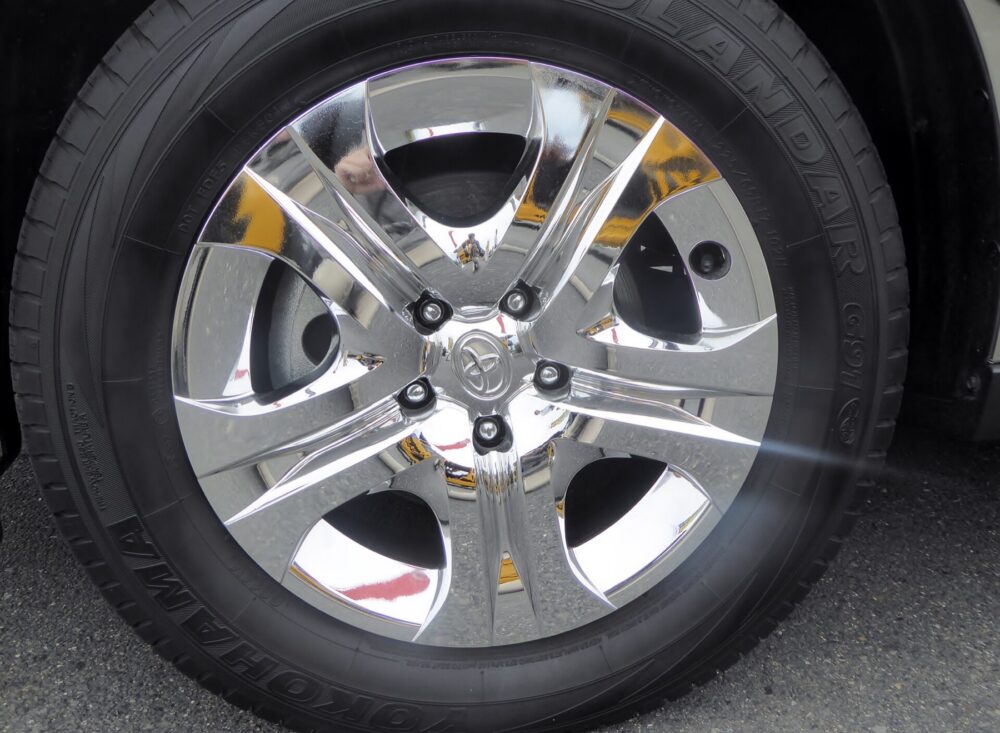
If you want durable Toyota wheel center caps or 16-inch wheel covers that look like they came from the factory, you have two real choices: buy OEM service parts that match Toyota part numbers exactly, or source aftermarket Toyota-fit caps and covers that copy the look. OEM-style parts usually come through Toyota dealers and specialty parts sellers; generic caps and covers are common from Canadian retail chains and cross-border marketplaces. For wholesale or ecommerce, the right route depends on whether your customers demand genuine Toyota parts, or just a clean, Toyota-compatible appearance at a lower price.
Toyota Wheel Center Caps and 16″ Wheel Covers in Wholesale: OEM vs Aftermarket
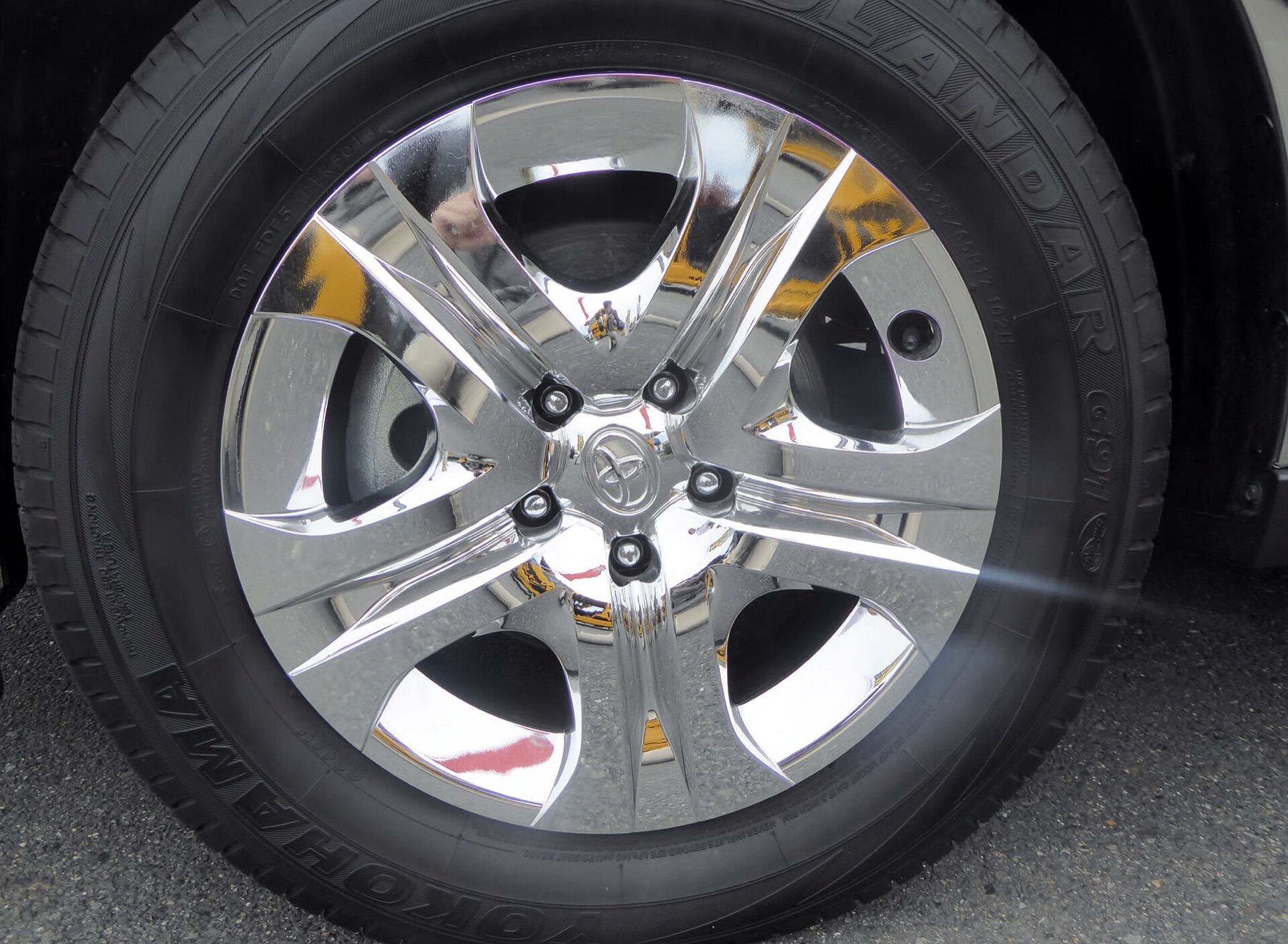
A wheel center cap is the small piece that covers the center bore of an alloy wheel, often carrying the Toyota logo. A 16″ wheel cover is much larger, clipping over a steel wheel to give it a finished look and protect the wheel surface. In casual use some people call both pieces “hubcaps,” but in this guide “center cap” means the small center piece and “wheel cover” means the full 16″ cover that hides most of the steel wheel.
Toyota sells many of these as OEM service parts. For example, the official parts site lists a 16″ silver 5‑spoke wheel cover for certain Corolla steel wheels, marketed as a service replacement to restore the factory-style look; you can see this kind of part on the Toyota OEM parts site. This is the model of sourcing if you need exact match replacements for lease returns, fleet cars, or collision repairs.
For aftermarket, Canadian retail and big-box chains carry generic and “OEM style” 16″ wheel covers that fit a range of vehicles. Walmart Canada, for instance, has a category of 16-inch wheel covers with generic and OEM-style options positioned as compatible with popular models, including late-model Corolla applications, as shown on Walmart Canada’s wheel covers page. These are usually made from ABS plastic and rely on snap-on retention rings.
Generic center caps are even more fragmented. Many are universal ABS or metal caps sized by diameter (56 mm, 60 mm, 75 mm, etc.), marketed to fit multiple brands. On DHgate and similar marketplaces, product descriptions repeatedly highlight ABS plastic construction and snap-on or clip-on designs, sometimes chrome-plated, sometimes painted. Attachment style and material have a direct impact on durability and fit: cheap clips can crack; thin chrome can peel; heavier metal caps may stay put but can corrode if finishes are poor.
In wholesale terms, OEM parts are controlled by Toyota’s distribution network and specialty OEM resellers. Aftermarket caps and covers are produced in high volume by independent manufacturers (often in Asia), then distributed via importers, Canadian retailers, and global marketplaces. Your sourcing strategy has to acknowledge this split.
Choosing and Vetting Suppliers for Toyota-Fit Center Caps
If you’re buying more than a couple of caps, fit mistakes and weak materials quickly turn into returns and bad reviews. A structured supplier check helps prevent that.
1. Lock down part numbers and dimensions
For OEM or OEM-equivalent sourcing, start with the Toyota part number from the wheel or vehicle application. Many dealer sites and catalogues let you filter by model and trim to find the exact center cap or cover.
For generic caps, the key spec is outer diameter (e.g., 60 mm or 75 mm) and the design of the retention clips. DHgate listing snapshots show multiple universal caps described as 56-76 mm ABS pieces sold in 4-packs and marketed as fitting several brands.
Before you commit, measure the original cap (or wheel bore) and compare it to the supplier’s drawings or photos. If a seller cannot provide clear sizing or clip geometry, treat that as a red flag.
2. Evaluate materials and retention
Generic caps and covers often use ABS plastic because it is light and affordable. DHgate’s editorial coverage of wheel covers describes plastic covers as inexpensive and easy to install, while metal or alloy options tend to be more durable but cost more over time. For resale or fleet use, ask suppliers directly what plastic grade they use and how thick the part is.
Snap-on covers must flex to install without cracking. Thin ABS can become brittle in cold Canadian winters, especially if clips are sharp. Metal caps or stainless trim rings last longer but can be heavier and more expensive. If you’re buying hundreds of pieces, request physical samples first: a set of four caps is usually enough to check how they snap on, how stiff the clips feel, and whether the finish scratches easily.
3. Confirm OEM branding vs “Toyota-fit” styling
From a resale and legal standpoint, you need clarity on whether parts are genuine Toyota, unbranded Toyota-fit, or third-party caps carrying a logo.
- Dealers and Toyota-authorized parts sites will clearly label items as Toyota Genuine.
- Canadian retail listings often say “OEM style” without claiming OEM origin.
For wholesale, ask suppliers to state plainly whether parts are genuine OEM, aftermarket reproductions, or generic universals. Request real photos of the back side of the cap or cover; genuine parts usually have clear molded part numbers and consistent markings.
4. Communication and sample policies
A supplier suited for Canadian buyers should be willing to:
- Ship small sample quantities (4-8 pieces) before a bulk order
- Answer fitment questions with measurements, not just “universal” claims
- Describe packaging (individual bagging vs bulk boxes), so your ecommerce operation can handle fulfillment without repacking every unit
You can reuse general supplier-vetting approaches from broader wholesale guides on DHgateWiki; the same vetting principles apply to any cross-border seller.
Order Quantities, Pricing, and Channel Choices for Cross-Border Sourcing
Center caps and wheel covers are inexpensive items individually, but once you factor in shipping, duties, and returns, channel choice makes a big difference, especially from Canada.
How order size steers you toward a channel
The table below sketches how common channel types fit typical buying needs for Toyota wheel center caps and 16″ covers.
| Channel type | Best for order size | Typical product type | Pros for Canadian buyers | Limitations |
|---|---|---|---|---|
| Toyota dealers / OEM parts sites | 1-20 pieces per style | Genuine Toyota center caps and 16″ wheel covers tied to VIN/part numbers | Correct factory look and fit, clear application data | Higher unit cost, limited wholesale discounts, fewer styling options |
| Canadian retail (e.g., Walmart Canada) | 1-40 pieces, occasional bulk buys | Generic and OEM-style 16″ covers, some Toyota-fit sets | Local returns, no cross-border customs, easy replenishment | Mostly generic ABS covers; limited control over long-term supply or exact cap fit |
| Global marketplaces (e.g., eBay) | 1-50 pieces, niche SKUs | New and used Toyota wheel covers and hubcaps, including factory 16″ sets as shown on eBay’s Toyota hubcaps category | Access to rare or discontinued designs; mix of single and set sales | Condition varies; authenticity and fit depend on individual sellers |
| Cross-border B2B marketplaces | 20-500+ pieces per SKU | Universal ABS center caps and generic hubcaps; some part-numbered caps | Low per-piece cost, multi-piece sets suitable for ecommerce reselling | Mostly generic; OEM authenticity not assured, and you must manage cross-border logistics yourself |
Pricing patterns and durability trade-offs
Across the sources above, a consistent pattern emerges: generic wheel caps and covers are usually cheaper than OEM parts, but durability can be weaker. DHgate’s wheel cap editorial presents generic brand caps as budget-friendly options that may not last as long as more expensive alternatives, and recommends checking materials and feedback before purchase.
If you’re buying for resale, factor in:
- Higher unit price of OEM service parts vs lower margin pressure (customers expect to pay more for genuine replacements).
- Lower unit price of generic caps vs higher risk of returns from cracked clips or faded finishes.
Your true cost is the landed cost to Canada: product price + international shipping + customs/duty + warehousing. Even without specific duty numbers, you can assume that small, dense shipments of caps are relatively cost-effective, while bulky wheel covers may be better sourced domestically unless you’re ordering pallet quantities.
Where a marketplace like DHgate can fit
DHgate can be one option when you need low-cost, multi-piece sets of generic caps or are exploring part-numbered caps for specific Toyota applications.
On 2026-09-30, one DHgate product snapshot listed “4pcs ABS 60MM Universal Car Wheel Center Caps Blank Rim Hubcaps Hub Cover Car Styling Auto Accessories For BMW AUDI Toyota VW” (product ID 1115104906) in its Wheel Covers category, with a price range between USD 1.00 and 1.03 for a set of four ABS caps. This kind of listing illustrates how cross-border marketplaces often bundle universal 60 mm caps in small sets at low unit prices.
On the same date (2026-09-30), another snapshot showed “NEW OEM42603-35630 Wheel center cap for Toyota 4Runner Tacoma Prado 2700 3400 VZJ95 1998-2002 hub cover” (product ID 997173609), with a price range between USD 36.64 and 49.90 for a multi-piece arrangement. Listings like this demonstrate that some suppliers reference specific Toyota part numbers alongside their caps.
These observations are time-sensitive: prices, listings, and availability on DHgate can change. If you decide to use this type of marketplace, treat these snapshots as examples only and always:
- Verify diameter and clip design against your wheels before bulk orders.
- Check whether the listing is positioned as universal or tied to a specific part number.
A quick pre-order checklist for Canadian wholesale buyers
Before sending any PO for Toyota-fit center caps or 16″ covers, run through this short list:
- Confirm whether you need OEM-authenticated parts or Toyota-fit generics.
- Match part numbers and/or diameters against the wheels you’ll serve.
- Ask suppliers for material details (ABS thickness, metal type) and retention style.
- Order samples and test installation on actual Toyota wheels in your market.
- Choose a channel that aligns with your order size, margin goals, and tolerance for cross-border logistics.
If you do that, you have a realistic chance of stocking caps and covers that look factory-fresh on 16″ Toyota rims, without surprise fit issues or a wave of returns from unhappy Canadian drivers.