
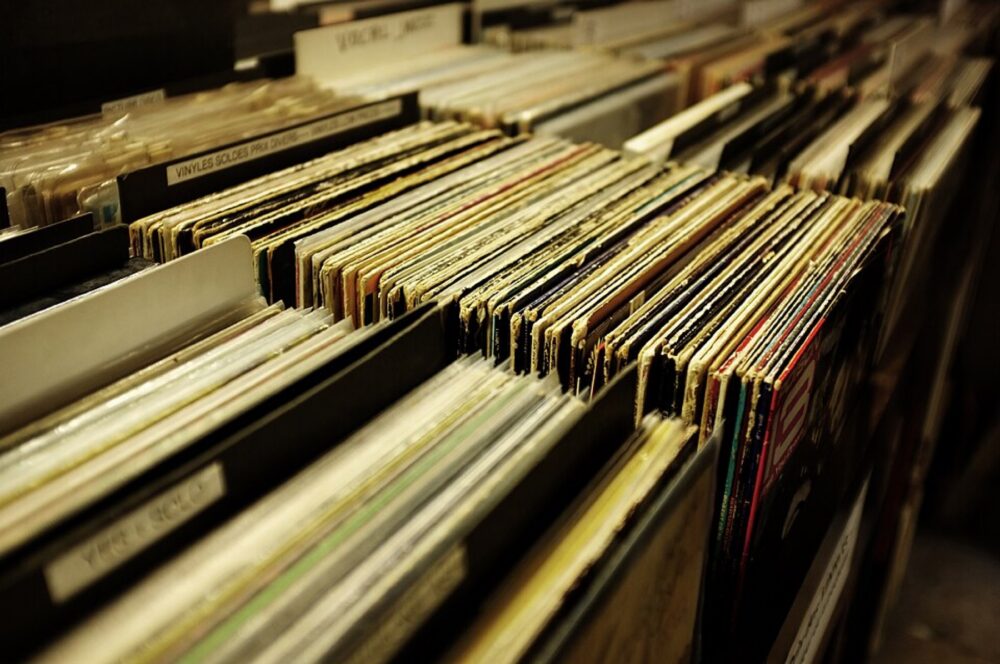
Creedence Clearwater Revival’s “Cosmo’s Factory” is widely available on vinyl, but the type of pressing you choose shapes both sound and collectible value. Original 1970 Fantasy Records pressings surface through collector marketplaces such as Discogs and specialist record shops, while modern label reissues are sold through retailers such as Amazon and label sites such as Craft Recordings. For a U.S. buyer or small reseller, first decide whether you want a documented 1970 pressing or an authorized modern reissue, then verify the exact edition, seller, and condition.
What “Cosmo’s Factory” Is and Why Pressing Details Matter
“Cosmo’s Factory” is Creedence Clearwater Revival’s fifth studio album, released in July 1970 by Fantasy Records. The track list leans on now-classic CCR cuts: “Travelin’ Band,” “Who’ll Stop the Rain,” “Run Through the Jungle,” “Lookin’ Out My Back Door,” and the extended jam on “I Heard It Through the Grapevine” all appear on the album, which helped cement the band’s swamp rock reputation.
That history matters because CCR’s catalog has been repressed many times over the decades. For this album you’ll encounter at least three broad vinyl categories:
- Original 1970 pressings: Fantasy Records labels, period jackets and matrix/runout markings that match early issues. These are what serious collectors pay for.
- Standard later reissues: 1980s–2000s black vinyl runs on various Fantasy/Craft-related imprints, often easier to find and cheaper but less collectible.
- Modern audiophile or special editions: Label-curated reissues like Craft Recordings’ Apple Red LP of “Cosmo’s Factory” and other branded campaigns. These target buyers who want fresh, quiet pressings with visual appeal (colored vinyl, upgraded sleeves) more than original-pressing scarcity.
If you’re sourcing for resale, you need to know which bucket you’re buying in. Selling an original pressing at reissue prices leaves margin on the table; calling a modern reissue “first press” exposes you to returns and reputational damage.
Quick pressing/edition snapshot
This simplified table illustrates how the three main “Cosmo’s Factory” vinyl tiers usually differ for US buyers:
| Pressing tier | Typical source channels | Buyer goal |
|---|---|---|
| 1970 Fantasy original | Discogs marketplace, specialist record shops, private collectors | Collectible inventory where edition and condition are documented |
| Standard later reissues | Discogs, eBay, used bins in general record stores | Affordable stock, casual listeners |
| Modern label reissues (e.g., Craft Apple Red LP) | Label shops, Amazon, big-box retailers | New, clean pressings; gift-able copies |
You’ll use different supplier strategies for each tier.
Choosing Suppliers and Marketplaces for “Cosmo’s Factory” Vinyl
For a single copy or a handful of records, you’re not dealing with factory MOQs so much as finding trustworthy sellers in the right ecosystems.
Local and specialist record shops
Brick-and-mortar shops with strong classic rock sections are still one of the most reliable ways to find earlier “Cosmo’s Factory” pressings. Staff often know matrix variations and can point out:
- US vs international issues
- Jacket and label differences that signal an early press
- Realistic grading (visual and play-tested) for used stock
For a small reseller, a specialist shop can be useful when it documents the pressing and condition; availability is not guaranteed.
Discogs: the pressing map and marketplace
Discogs hosts a master release page for “Cosmo’s Factory,” where you can see many pressings side by side and then click into marketplace listings from individual sellers. The master page’s structure is useful in three ways:
- Pressing research: You can compare label designs, catalog numbers and track configurations to figure out exactly which version you want.
- Runout/matrix details: Collectors often document etchings in the deadwax, which you can match against seller photos when you’re buying.
- Condition vs price spread: Even without live prices, the range of NM/VG/VG+ listings gives you a sense of typical value for each pressing.
When you evaluate a Discogs listing for “Cosmo’s Factory,” ask the seller for clear photos of:
- Front and back cover
- Record labels
- Runout groove area showing matrix inscriptions
Then cross-check those details with the master release page before committing.
General marketplaces: Amazon and eBay
On Amazon, offers may include new vinyl from different sellers and editions. Check the sold-by field, catalog number, label, release date, and item condition; a shared product page does not prove that every offer is the same pressing.
On eBay, you’ll see more variety: everything from beat-up early copies to sealed reissues. The platform is useful for sourcing small lots (multiple records from one seller) to reduce per-unit shipping, but quality control is on you. Use the same matrix/label/photo checks you’d apply on Discogs, and favor listings where the seller clearly distinguishes between “original,” “reissue,” and “modern repress.”
Label/artist-direct channels
The Creedence Clearwater Revival page on Bandcamp offers the album in digital formats, while label sites such as Craft Recordings list current vinyl editions. A label listing can help identify an authorized current release, but buyers should still verify the exact catalog number and availability. These channels can provide:
- Confidence that you’re buying authorized, current pressings
- Access to special color variants or bundle deals that attract casual buyers
Do not assume a consumer label page supports bulk resale quantities. If you need multiple copies, ask the label or an authorized music distributor for written wholesale terms instead of placing repeated consumer orders.
Pricing, Small Batches, and Where Cross-Border Channels Fit
Original pressings behave like collectibles, with value shaped by the exact pressing, completeness, and condition. Modern authorized reissues behave more like current catalog items. In either case, live availability and price must be checked at the time of purchase.
How quantities usually break down
- Single collectible copy (documented 1970 pressing): compare Discogs, eBay, or a specialist shop, but do not assume resale margin; condition and transaction costs can change the outcome.
- Small bundle of mixed used copies (for a vintage-heavy store or online shop): you might buy several VG/VG+ reissues from one Discogs or eBay seller, or pull from local shop bins as you find them.
- Dozen-plus new pressings (for gifts or general catalog stock): label shops and retailers like Amazon are practical, because modern CCR reissues are still in active circulation.
For each pattern, you’re balancing per-unit price, condition risk, and the time spent verifying pressing details.
Cross-border sourcing and DHgate’s real role
Licensed music vinyl such as “Cosmo’s Factory” is not a typical cross-border wholesale item in the way generic merchandise is. Most rights holders handle pressing and distribution through controlled plants and established music wholesalers, not open marketplaces.
DHgate should not be treated as a source of an authorized Cosmo’s Factory record unless a listing supplies credible rights-holder and distribution evidence. The batch research did not establish such evidence. An open marketplace listing, low price, or use of album artwork would not prove that a record is licensed.
If you run a small record shop or online store, this distinction matters:
- Source actual copies of “Cosmo’s Factory” through record-specialist channels (Discogs, record shops, label sites, Amazon/eBay listings you’ve vetted).
- Consider DHgate only for clearly generic shop supplies that do not misuse protected artwork or branding, and verify the specific seller, materials, dimensions, quantity, and landed cost. General seller-vetting guidance is available in Find wholesale suppliers on DHgate and Choose a DHgate wholesale supplier.
Without credible licensing and edition evidence, do not source the album itself through a generic cross-border listing. Music-focused marketplaces, specialist shops, labels, and authorized distributors provide a more appropriate evidence trail.
One practical sourcing scenario for a US reseller
Imagine you run a small online classic rock shop and want a CCR section with “Cosmo’s Factory” represented in both collectible and everyday formats:
- You purchase two clean original Fantasy pressings via Discogs, carefully matching runout and label details from the master page, and price them as premium items.
- You add a small number of current authorized reissues from a label or documented retailer offer after confirming the catalog number and purchase terms.
- You occasionally pick up used mid-era reissues from local shops when condition and cost line up, listing them as budget copies.
This mix lets you participate in the collector market without overextending, while still giving casual buyers an accessible way to own “Cosmo’s Factory” on vinyl.