
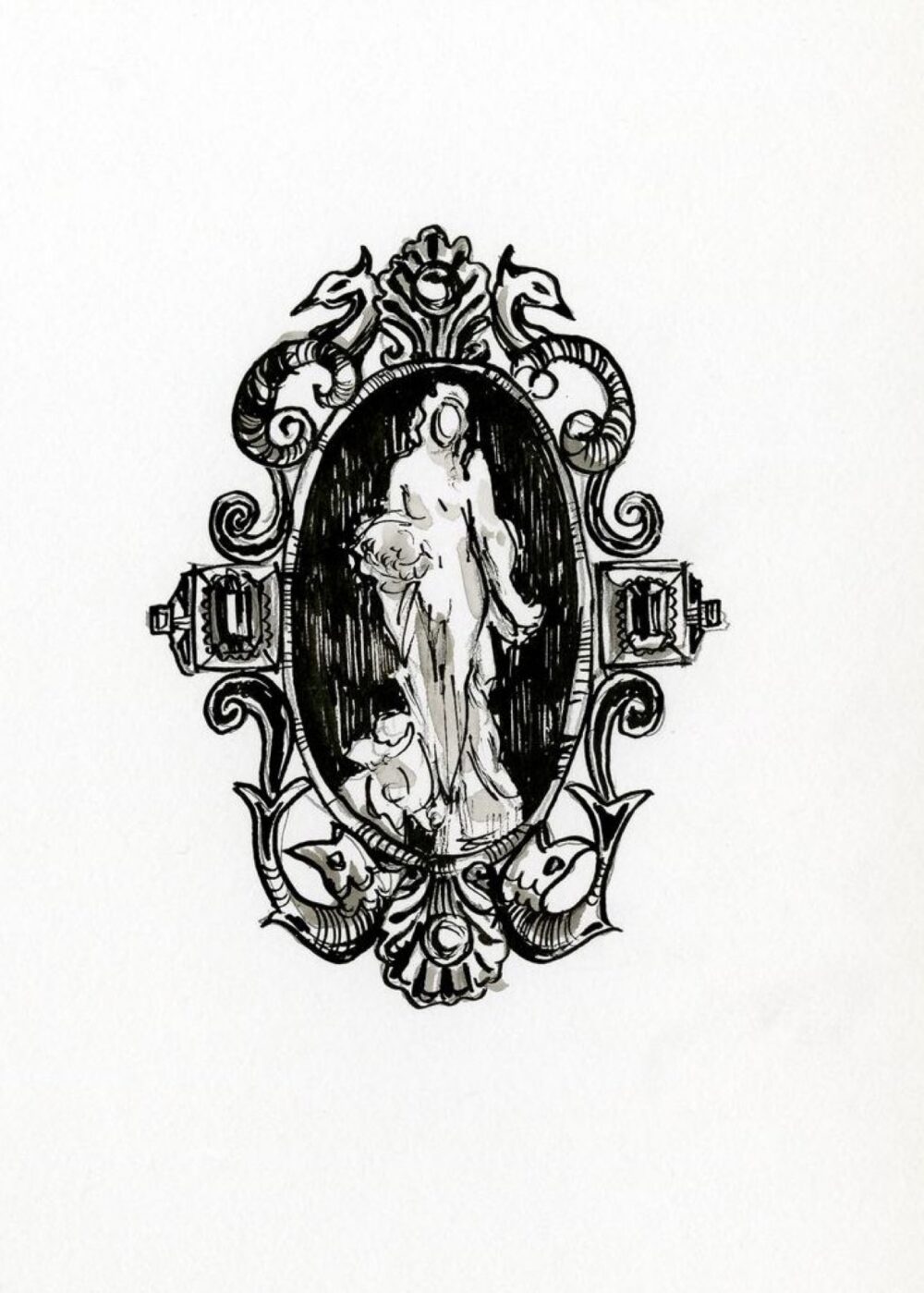
Luxury designer brooches and pins can be a great margin driver, but only if you break the total cost into pieces before you buy. Your real spend is product price plus shipping, duties/taxes on imports, platform and payment fees, and the cost of returns or defects. If your customer expects “Chanel-level” branding, you’re looking at a completely different sourcing reality and price tier than if they just want luxury-inspired crystal or pearl pins.
For most small US sellers, the best wholesale value comes from three moves: decide whether you’re selling true heritage-brand brooches or luxury-inspired styles, pick a sourcing channel that matches that decision (domestic distributor, pre-owned luxury marketplace, or cross-border wholesale), and then tune materials, MOQ and shipping choices to hit your target resale price.
What Really Makes Luxury Designer Brooches and Pins Expensive?
When you budget for luxury brooches, separate product tiers first. Editorial guides from DHgate’s blog point out that brooches run from under-$10 fast-fashion pieces in plastic/alloy to investment-level fine jewelry using diamonds, pearls, platinum, or high-karat gold. A diamond or solid-gold brooch is in a different universe from plated metal with rhinestones.
Key cost components you should plan for:
- Materials and build: A crystal or rhinestone brooch in base metal can sit in the $10–$30 retail range, while diamond, pearl and solid gold brooches are often hundreds or thousands of dollars. Even at wholesale, the gap between alloy + glass and precious metals + gemstones is huge.
- Brand and authenticity: True designer pieces from brands like Chanel, Gucci or Van Cleef & Arpels command high prices because you’re paying for design, brand equity and verified materials. Pre-owned luxury marketplaces such as Fashionphile and The RealReal focus on authenticated pins and brooches from these brands, and their wholesale or resale prices reflect that.
- Product price vs landed cost: A $20 brooch isn’t really $20 for your business. Add international shipping (if sourced cross-border), customs and import fees, platform commissions, and payment processing costs. Each layer trims your margin.
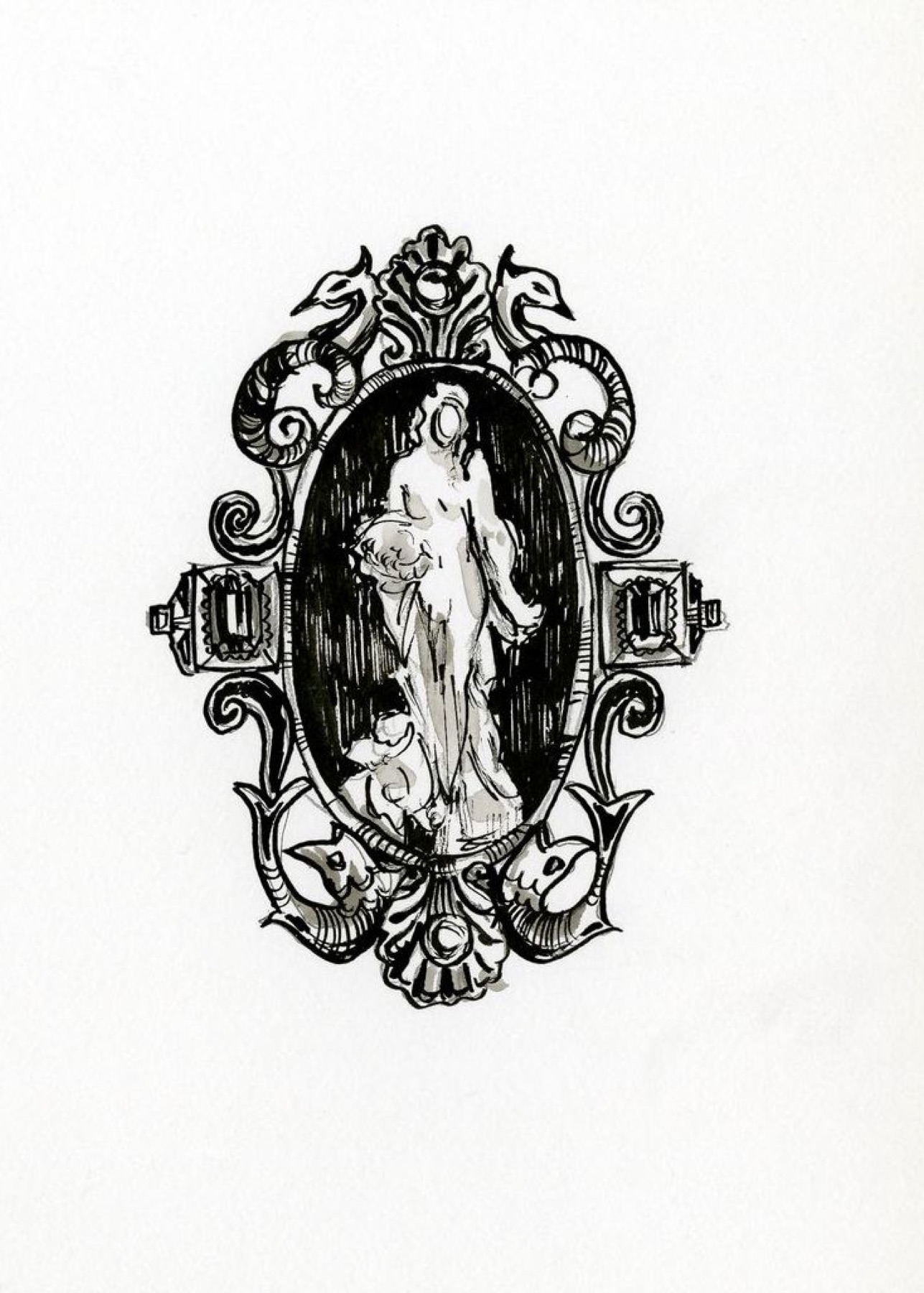
- Defect and return risk: Brooches have moving parts and stones that can loosen. Your effective unit cost increases if you regularly replace broken clasps or handle returns on chipped enamel.
A simple way to stay on budget is to decide your ceiling per piece including a rough allowance for logistics and fees (for example, “I need to be all-in under $15 per unit to retail at $35–$40”) and then work backward on materials and sourcing.
Why Prices Swing: Materials, MOQ, Seasonality and Custom Work
Two brooches can look equally “luxury” on a screen and still cost you very different amounts to stock.
Materials and craftsmanship
DHgate’s editorial coverage on brooches highlights how material choice drives price:
- Diamond and high-quality pearl brooches demand better clarity, color and cut for stones, plus secure settings. That pushes both wholesale cost and insurance up.
- Gold purity matters: 18k is more durable than pure 24k but still premium; 14k is more budget-friendly. Plated alloy with enamel or crystals sits at the low end.
- Enamel work and complex vintage-style settings add labor cost. High-quality enamel that doesn’t chip easily will be priced above simple paint or resin.
On cross-border marketplaces, you can see how design complexity and materials change unit prices. Around a 2026-09-23 research date, DHgate showed:
- A chain-style luxury designer jewelry brooch with pearls at about $3.82–$7.99 per piece (listing example).
- French retro “luxury-brand-style” suit brooches in the $9.54–$11.10 range per piece from one seller (listing example).
- Crystal baroque “court pins” listed around $26.41–$27.66 per piece (listing example).
Prices and availability change, and these listings don’t make any statement about brand authenticity, but they illustrate how a more elaborate crystal baroque design can cost three to six times as much as a simpler chain brooch.
MOQ and breakpoints
Minimum order quantity (MOQ) quietly reshapes your budget. Many suppliers offer lower per-unit prices once you cross certain volume thresholds. For a small US store, buying 20-50 brooches might actually raise your risk-adjusted cost if you can’t sell through them at full price. Plan MOQ around realistic sales, not just the cutest discount ladder.
Seasonality and occasion-driven demand
Brooches tied to weddings, holidays or specific events (Christmas motifs, bridal sets, formal floral corsages) can spike in cost during peak season and drop afterward. If your audience is seasonal, build that into your buy window: off-season purchasing plus storage may beat last-minute high prices.
Custom work and branding
Adding custom logos, initials, or exclusive colorways increases design and setup fees. For “designer” house-brand brooches that mimic luxury styling without copying logos, expect higher sample costs and longer lead times. Those upfront design charges need to be amortized over a realistic run size or they’ll crush your margin.
Sourcing Channels: What Fits Your Price Target?
Once you know your target resale price, you can pick a sourcing channel instead of chasing random deals.
Quick channel comparison on cost and value
| Sourcing channel | What you’re really buying | Typical cost profile (editorial judgment) | Best fit for… |
|---|---|---|---|
| Pre-owned luxury marketplaces (e.g., Fashionphile, The RealReal) | Authenticated designer brooches and pins from heritage brands | High product cost per piece; lower risk of counterfeit; shipping and fees baked into luxury pricing | Stores selling true luxury with customers who expect brand names and provenance |
| Domestic distributors / boutique wholesalers | New, non-pre-owned brooches; mix of branded and unbranded fashion jewelry | Mid to high per-unit cost; simpler logistics and returns; smaller MOQs possible | Boutiques wanting reliable quality and faster restock without dealing with customs |
| Cross-border wholesale platforms (e.g., Cross-border multi-seller) | Luxury-inspired designs, fashion brooches, and varied quality levels | Wide price range from under $10 to $60+ per piece; low unit prices but added import logistics and verification work | Online sellers and budget boutiques focused on “luxury look” at accessible price points |
Pre-owned marketplaces like Fashionphile and The RealReal are your go-to if your customer cares about actual brand names and authentication. You’ll pay more per piece, but you can price them as true Chanel or Gucci accessories.
Domestic distributors are a middle path: less customs friction and typically clearer quality control, but you’re still paying for local warehousing and smaller order sizes.
Cross-border platforms, including DHgate, tilt toward luxury-style rather than true heritage luxury. The DHgate snapshots above show you can find chain-style brooches under $10 and more elaborate crystal designs under $30 per piece on a given date. Those numbers can make sense if you’re aiming to retail at $25–$60 and your audience mainly cares about sparkle and design rather than brand pedigree.
If you use a marketplace like DHgate:
- Treat each listing as a standalone offer: check photos closely, materials described, and any buyer reviews.
Cutting Your Total Cost Without Killing Quality
You don’t have to chase the absolute lowest unit price to stay profitable. Focus on the landed cost per salable piece instead.
Here’s a compact optimization checklist:
- Lock your customer tier: Decide if you’re selling brand-name luxury, vintage-inspired fine jewelry, or fashion “luxury look.” That choice eliminates whole sourcing channels and keeps you from mixing incompatible price points.
- Choose materials strategically: For budget-friendly “designer” appeal, high-quality rhinestones, crystals, enamel and plated metal can hit the sweet spot. Reserve pearls, solid gold and complex enamel for a smaller, higher-ticket segment.
- Test small before committing: Place a small trial order across 2-3 suppliers to check actual quality, pin strength, and defect rates. A batch with fewer returns may beat a cheaper per-unit price.
- Time seasonal buys: Stock holiday and event-driven designs early, when you can negotiate calmly, or late-season at clearance if you can hold inventory for next year.
- Consolidate cross-border shipments: If you’re importing, cluster brooch orders rather than placing many tiny shipments. Even without exact numbers, you can usually reduce per-piece freight and handling.
- Use marketplace strengths intentionally: Domestic channels for quick restock and higher-end materials; pre-owned luxury marketplaces for branded pieces; cross-border platforms for fashion-forward luxury-inspired designs whose low unit prices justify the extra verification work.
For DHgate-specific sourcing tactics (supplier filtering, risk checks, and order structuring), you can go deeper with this guide to finding wholesale suppliers on DHgate. Use that type of process thinking across all your channels, and you’ll make clearer tradeoffs between cost, quality, and customer expectations for luxury designer brooches and pins.