
How to Safely Order a Red Robe on DHgate From Canada

In Canada, you can use DHgate to order a red robe, but it works differently from Nordstrom or Amazon. Learn when DHgate makes sense and what to check first.
In Canada, you can use DHgate to order a red robe, but it works differently from Nordstrom or Amazon. Learn when DHgate makes sense and what to check first.
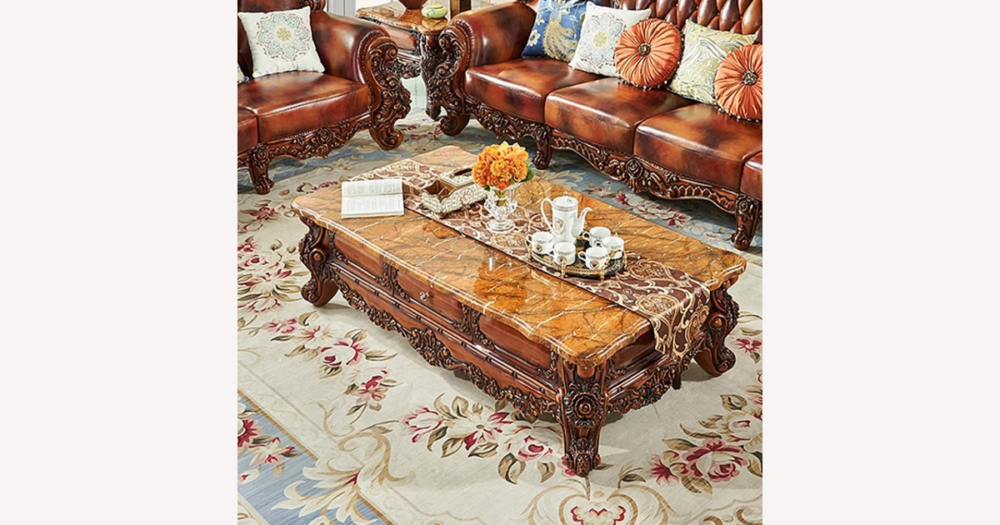
Learn how DHgate handles listings, payments, shipping, and disputes for vintage‑style marble coffee tables, and why you should treat “vintage” and “unique” claims as seller marketing rather than guaranteed authenticity.
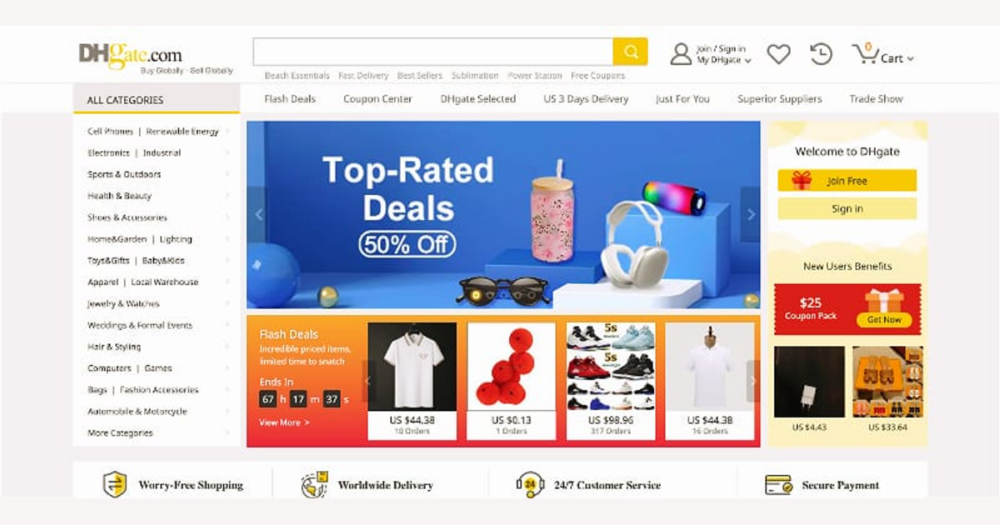
Explains what counts as a handmade marketplace for artisans, how popular platforms differ from general marketplaces like DHgate, and which DHgate checks matter when using it for handmade-style sourcing.
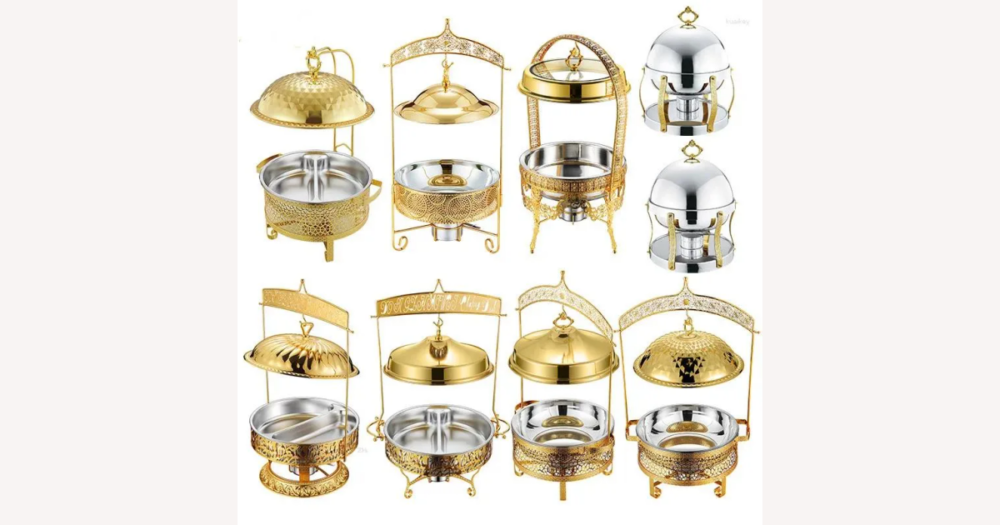
Learn how DHgate works as a global marketplace for used chafing dishes, including seller checks, payment handling, shipping, and dispute tools, so you can judge its trust level and manage risk before you buy.
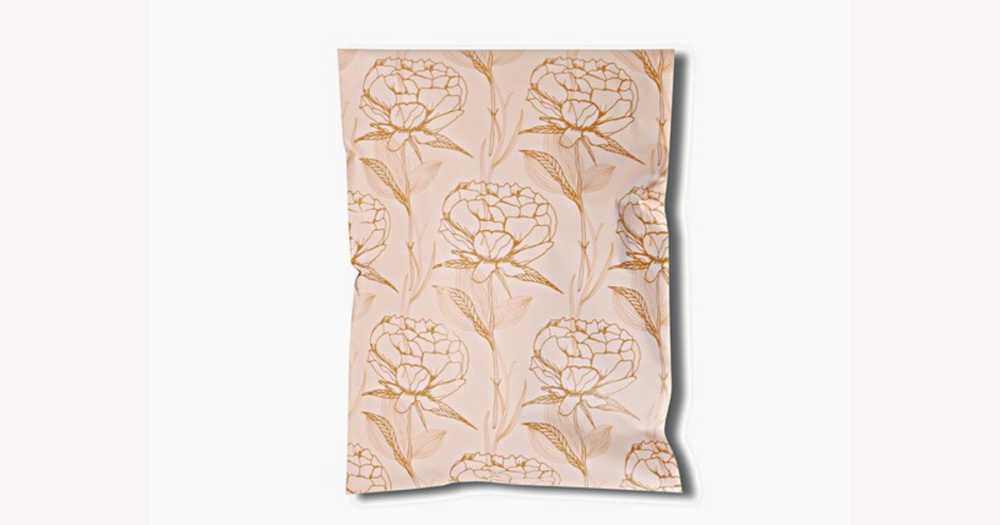
Learn what “eco-friendly” really means for pink mailing bags and how DHgate buyers can balance materials, disposal options, and aesthetics when choosing packaging.

Learn how “bead resources” on DHgate include beads, findings, stringing materials, and basic tools, and how to prioritise seller transparency and platform protections when sourcing jewelry-making supplies there.
Learn how Squarespace handles inventory tracking and why DHgate’s own listings, order pages, and dispute tools remain the reliable source for stock and order status when you’re buying on DHgate.
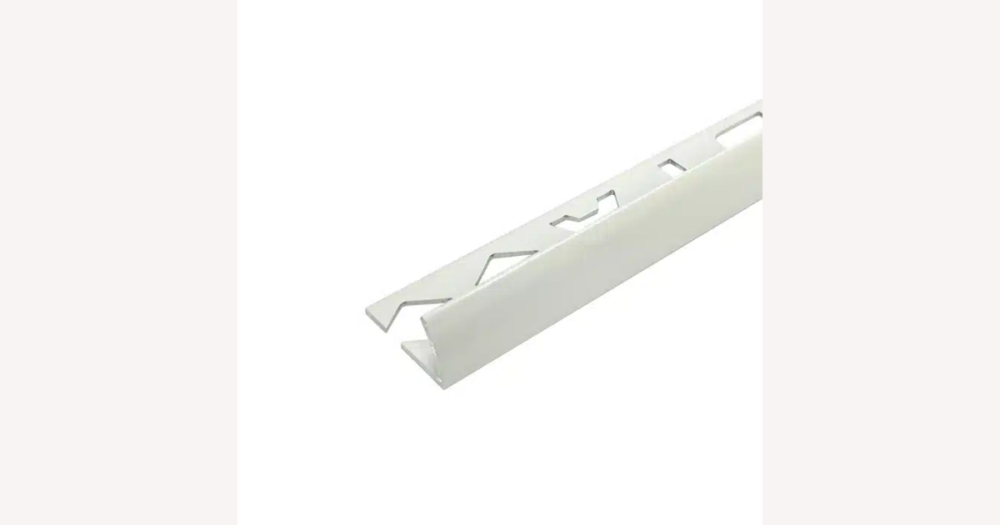
Learn how Australian buyers can use DHgate to source budget-friendly round edge tiles, including the trade-offs versus local retailers and what the cross-border marketplace model means for price and logistics.
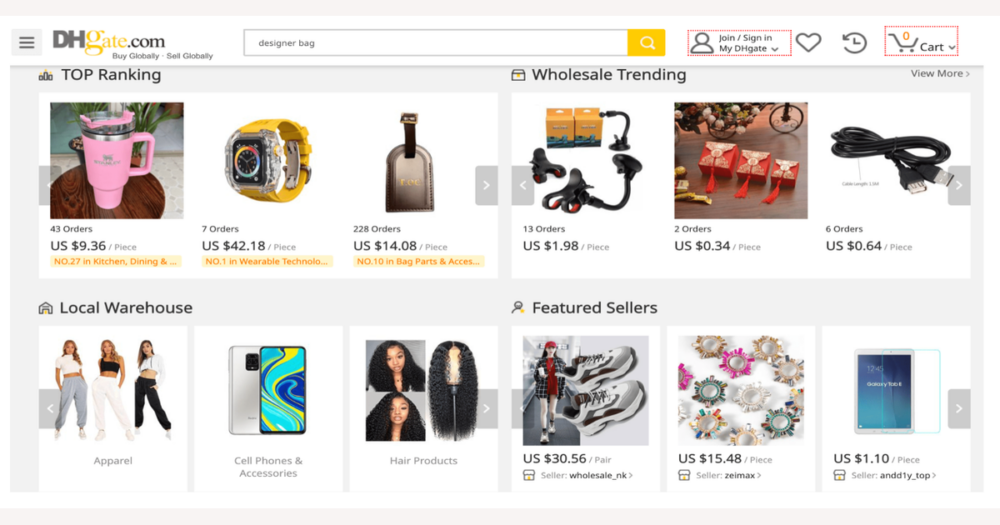
Learn how to use DHgate’s marketplace tools—seller ratings, listing details, shipping estimates, and buyer protection—to judge whether a Perfect 10–type hair dye offer is truly cost-effective and fast enough for you.

Learn how DHgate handles tiger and bamboo themed purchases, including availability across categories and the seller, payment, shipping and dispute checks to make before ordering.