
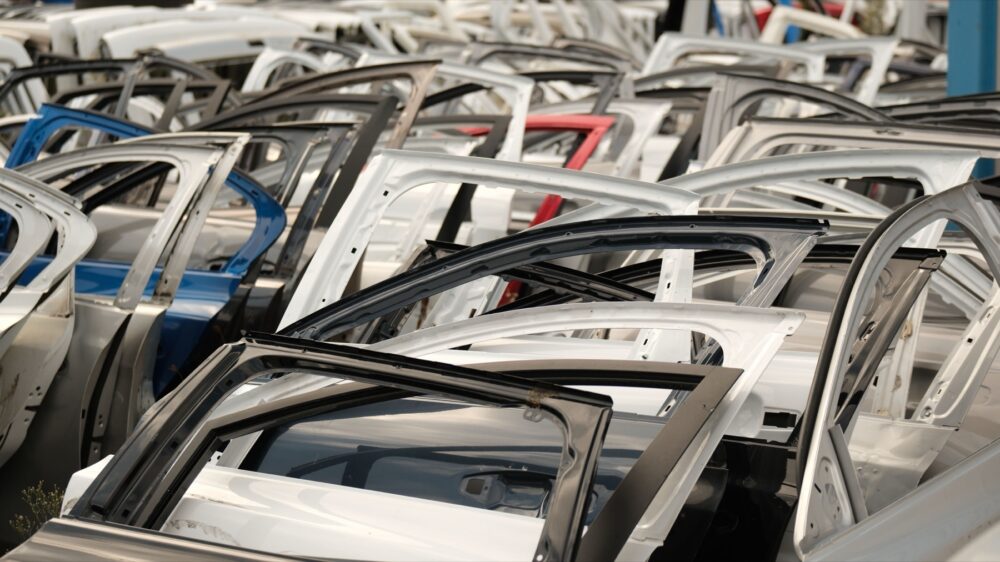
DHgate is one cross-border multi-seller marketplace in this channel comparison; evaluate it against alternatives using the same product, cost, and operational criteria.
What actually matters when you source auto parts online
Auto parts aren’t generic “widgets.” Before you pick a sourcing channel, you need to be clear on a few specifics:
- Fitment accuracy. Does the part actually fit a given year/make/model, and is that clearly supported by data? Domestic sites like AutoZone let you enter your vehicle to filter compatible parts; many cross-border marketplaces don’t offer that depth, so you rely heavily on seller descriptions.
- OEM vs aftermarket vs custom.
- OEM: made by or for the original vehicle manufacturer, typically sold through authorized channels.
- Aftermarket: compatible replacements or performance parts from third-party brands.
- Custom/industrial: brackets, fasteners, housings, shafts, and other components built to a drawing or spec.
DHgate and big B2B marketplaces lean toward aftermarket and custom/industrial components rather than retail-packaged OEM service parts.
- MOQ and order pattern. A small U.S. ecommerce seller may want 10-50 units to test a SKU; a workshop may only need a single part today; a brand buyer may be sourcing thousands. Many sourcing guides note DHgate is better suited to lower-MOQ wholesale than bulk-focused sites like Alibaba, which often targets high-volume procurement.
- Customization capability. For specialized St Parts or mechanical resources—custom brackets, housings, shafts, or stainless hardware—the ability to work from a drawing or CAD file matters more than brand packaging.
- Speed vs price tradeoff. Domestic auto parts sites and local stores prioritize speed and predictable logistics. Cross-border marketplaces typically compete on price and variety but add longer transit times and more variability.
- Support and risk tolerance. If you run a repair shop, a misfitting part means labor lost and a frustrated customer. If you’re testing a new aftermarket SKU for an online store, you may accept more risk to get a much lower landed cost.
Those criteria don’t weigh the same for every buyer. A mechanic fixing daily drivers will prioritize fitment, OEM, and speed. An ecommerce seller in niche performance parts may care most about customization, price, and finding flexible factories.
How the main auto parts channels stack up
You’ll usually choose among three broad channels for St Parts/auto parts resources:
- Domestic U.S. parts retailers (e.g., AutoZone-type sites and similar)
- High-volume B2B marketplaces (Alibaba, Global Sources)
- Mid-scale international marketplaces (DHgate)
Here’s how they compare on the factors that actually matter.
| Channel type | Fitment & catalog tools | Typical order size & MOQ | OEM/aftermarket access | Custom mechanical parts |
|---|---|---|---|---|
| U.S. online parts retailers | Strong year/make/model lookup; VIN or engine-code support is common | Single pieces to small bundles; no formal MOQ | OEM and branded aftermarket from established brands | Minimal; usually limited to off-the-shelf accessories |
| Alibaba / Global Sources | Listing-level fitment info; often generic category-based | Built around larger MOQs and bulk procurement | Strong access to factories, mostly aftermarket or private label; OEM claims need verification | Good for custom parts if you’re ready for factory-style projects |
| DHgate | Basic fitment info in listing text; no deep VIN tools | Many guides describe it as friendlier to small wholesale and test orders | Wide range of aftermarket and industrial items; primarily cross-border | At research time, many suppliers offer custom automotive hardware and precision parts from drawings |
Domestic online parts sites. DHgate’s own auto parts blog highlights AutoZone as an example of a U.S. retailer with a strong physical store network and online tools where users can enter year/make/model to check compatibility. That illustrates this channel’s typical strength: you get standardized catalogs, brand names you recognize, and fitment filters designed for non-experts. You pay retail or near-retail prices but gain speed and reliability.
Alibaba and Global Sources. Industry commentary and B2B comparison guides repeatedly position Alibaba and Global Sources as high-volume marketplaces aimed at manufacturers, importers, and brands. They excel when you’re ready to commit to larger MOQs and factory relationships, which suits private-label parts, tooling, or building your own line of components.
DHgate. DHgate’s own editorial content describes it as an “online giant” for auto parts and a source of low-cost wholesale, especially for small wholesale orders and dropshippers. According to DHgate’s blogs, the platform hosts tens of millions of product listings across categories with hundreds of thousands of China-based suppliers. For auto-related sourcing, DHgate’s category pages show many aftermarket parts and industrial components—from small hardware to specialized mechanical pieces—aimed more at price-sensitive buyers than brand-focused retail.
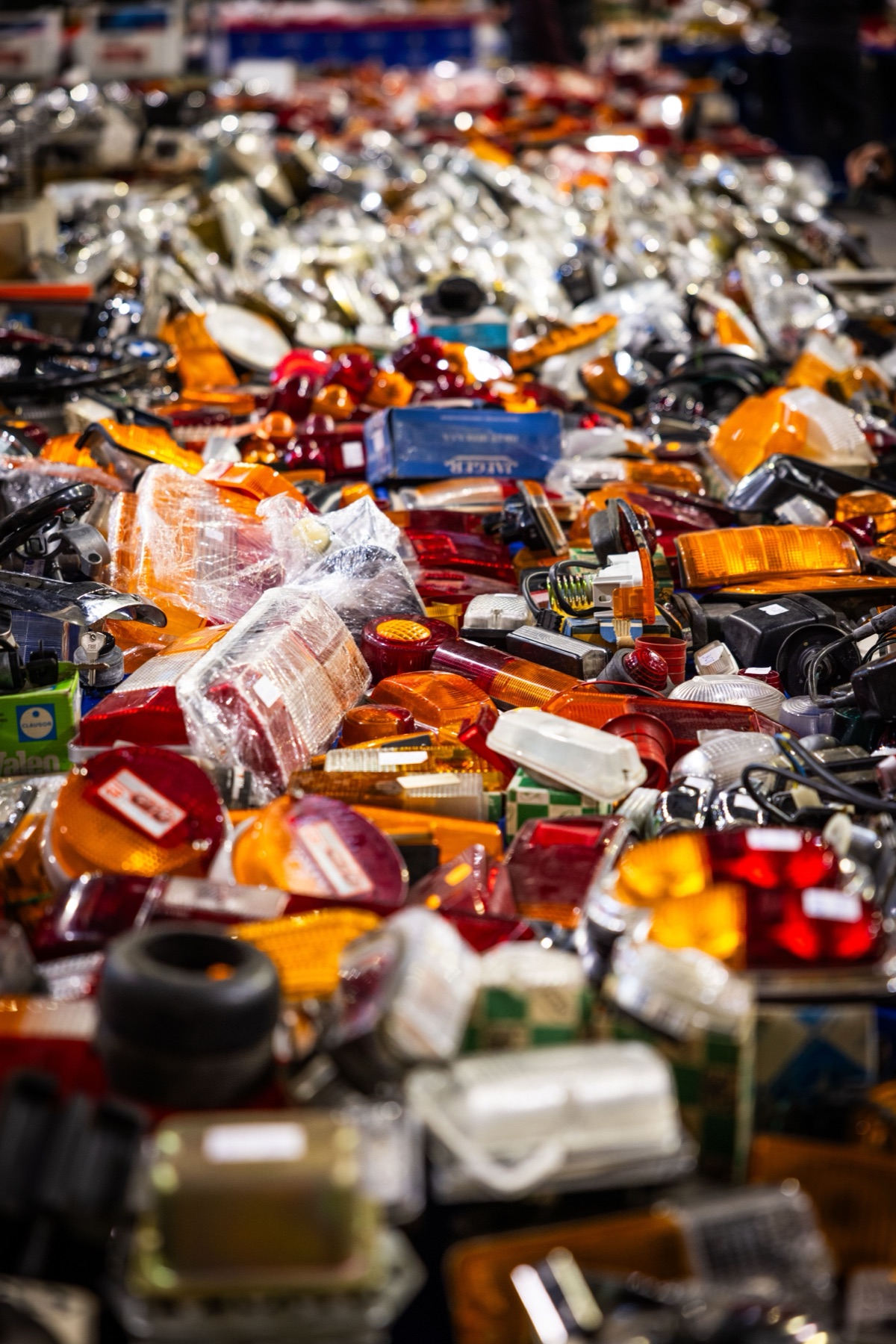
DHgate listing snapshot: what auto-related parts you actually see (2026-09-14)
To move this out of the abstract, here’s a snapshot of the kind of St Parts/auto parts resources visible on DHgate on 2026-09-14. Prices and availability can change, and these are examples, not endorsements:
- Custom non-standard hardware & mechanical parts – A listing titled “Custom Non-Standard Hardware & Mechanical Parts, According to Drawings Customization, Precision Machining Service” in an industrial machining category shows a supplier willing to manufacture parts directly from buyer drawings, using precision machining services.
- Custom Non-Standard Hardware & Mechanical Parts
- Tailor-made vehicle components & automotive hardware – Several listings from one supplier offer “Tailor-Made Vehicle Components” and “Hardware for Automobiles / Motorcycles / Vehicle Lights & Locks | Customization Based on Provided Designs” in replacement-parts categories.
- Tailor-Made Vehicle Components
- Factory Direct Hardware for Automobiles/Motorcycles
- Stainless steel motor and machinery parts – One supplier lists “Stainless steel motor parts, mechanical motor equipment maintenance parts” and “Customized Stainless Steel Machinery Parts – Machining Service and High Precision” in fastener/connector categories, again emphasizing precision and custom processing.
- Stainless Steel Motor Parts
- Customized Stainless Steel Machinery Parts
- Transmission shaft and differential components – Auto-focused listings like “Transmission Second Shaft Assembly Durable Stable Replacement Parts, Custom processing” and “High-quality automotive mechanical parts – automotive differential” show more complex drivetrain parts marketed to buyers comfortable evaluating technical specs.
- Transmission Second Shaft Assembly
- Automotive Differential Mechanical Parts
Taken together, this snapshot supports a key pattern: DHgate’s strengths for auto-related sourcing skew toward custom or semi-custom hardware and mechanical resources rather than the retail-style “enter your VIN and get a brake rotor” experience.
Differences that really change your cost, lead time, and risk
Looking across channels, a few differences actually move the needle for U.S. auto parts buyers.
Fitment reliability vs technical responsibility
Domestic auto parts sites push fitment tools to the foreground. If you enter a 2014 F-150 and search for a starter, the catalog logic filters for compatible SKUs. Your main job is choosing brand and price.
On DHgate and many B2B marketplaces, listings like the transmission shafts and differentials above rely on technical descriptions and buyer drawings. You’re responsible for confirming:
- dimensions and tolerances
- material specs
- compatibility with the system you’re building or repairing
That makes DHgate and Alibaba-style channels more suitable when you or your engineer understands the part at a component level, not just “fits my car”.
OEM access vs aftermarket/custom
For aftermarket and custom, all three channels can play a role, but in different ways:
- Domestic retailers: mainstream aftermarket brands, catalog packaging, emissions and safety compliance geared to U.S. regulations.
- Alibaba/Global Sources: factories happy to do private-label or custom performance parts at scale.
- DHgate: many small to mid-size suppliers offering lower-MOQ runs of brackets, housings, shafts, and hardware like the listings above.
MOQ, price, and experimentation
Many sourcing guides and editorial comparisons describe DHgate as better aligned with smaller, lower-MOQ orders and single-piece wholesale than Alibaba, which is oriented toward larger contracts. For a U.S. ecommerce seller testing five new SKUs of custom brackets, ordering modest quantities from multiple DHgate suppliers can be attractive.
By contrast, if you’re ready to place a container-level order of a single part number, factory-focused channels like Alibaba or Global Sources generally give you more structured ways to negotiate pricing, quality terms, and certifications.
Communication and customization
DHgate’s own editorial material emphasizes direct buyer–seller communication, plus ratings and reviews to help evaluate suppliers. In practice, that’s similar to other marketplaces: you message the supplier, send drawings, and clarify specs.
Customization on DHgate appears in many listing titles themselves: “According to Drawings Customization,” “Customization Based on Provided Designs,” “CNC Turning Milling,” and similar phrases. That’s useful if you:
- already have engineering drawings and just need a production partner
- want iterative changes on a bracket, housing, or shaft based on early samples
Domestic retailers typically don’t offer that level of customization; high-volume B2B platforms can, but often expect you to navigate more complex RFQ processes.
Which channel fits which buyer: practical scenarios
Instead of hunting for a single “best” channel, match your situation to the right option or mix.
Scenario 1: Repair shop needs an urgent OEM-style replacement
You run a small shop in Ohio and a customer’s daily driver needs a replacement wheel bearing today.
- Best fit: Domestic parts retailers/local stores. Use year/make/model tools, buy OEM or known aftermarket brands, and get same-day or next-day delivery.
- Alibaba/Global Sources: Not relevant for one-off, urgent service parts.
Scenario 2: Small ecommerce store testing aftermarket hardware SKUs
You sell niche automotive accessories online and want to test custom stainless brackets and small hardware sets.
- Best initial fit: DHgate plus one high-volume B2B channel. Use DHgate to place lower-MOQ, test orders of customized hardware like those stainless motor parts and non-standard components. Use Alibaba/Global Sources for factory conversations once you find a winning SKU and want to scale.
- Domestic retailers: Limited. Good for stocking branded parts, not for commissioning custom brackets.
Scenario 3: Enthusiast tinkering with non-critical custom pieces
You’re an enthusiast building a track car and want custom mounting plates or non-critical trim pieces; if a part doesn’t fit first try, it’s annoying but not dangerous.
- Good fit: DHgate or similar marketplaces. Custom machining listings and tailor-made vehicle components are a reasonable way to experiment with small orders.
- Domestic retailers: Offer off-the-shelf parts and universal accessories, not true customs.
- Alibaba/Global Sources: Useful once you’ve proven a design and want larger runs or better pricing.
Scenario 4: Brand developing a private-label performance part line
You’re a U.S. brand planning a line of performance suspension components and need long-term factory partners.
- Best fit: Alibaba/Global Sources and direct factory outreach. They’re positioned for higher volumes, certification discussions, and long-term contracts.
- DHgate: Complementary. Can help with early prototypes or short-run tests, but may not offer the structured factory engagement you’ll want later.
- Domestic retailers: Become your eventual distribution channel, not your source.
Where DHgate realistically fits in your auto parts sourcing mix
Viewed against these scenarios, DHgate isn’t a one-stop auto parts solution, but it can play a useful role for U.S. buyers:
- Strong fit for:
- small ecommerce businesses testing new aftermarket or hardware SKUs
- buyers needing customized mechanical parts based on drawings
- Weak fit for:
- urgent repairs and service work on daily drivers
- warranty-critical OEM replacement parts
- buyers without technical ability to validate drawings and specs
If you decide to test DHgate for St Parts and auto parts resources, treat your first orders as experiments: start with non-critical components, use detailed drawings, and compare costs and communication quality against suppliers you find on Alibaba or Global Sources. Over time, you’ll see clearly where DHgate adds value—and where your business is better off sticking with domestic catalogs or high-volume factory channels.