
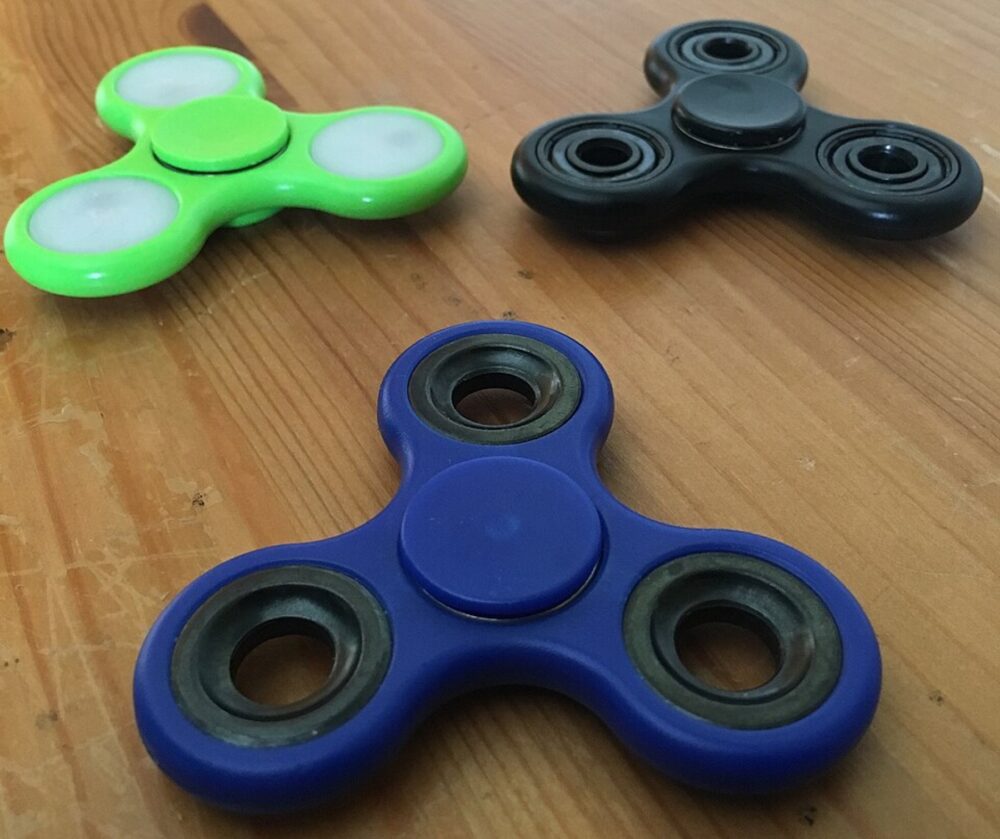
Bulk fidget spinner packs and accessories can be very cheap, but the per‑spinner cost swings from well under a dollar to a few dollars each depending on what you buy and where you source it. Simple plastic classroom or party‑favor spinners in bulk can work out to around or under $1 per piece, while metal, magnetic, light‑up, or mixed fidget packs usually land in the low‑to‑mid single dollars per item once you include shipping. For US buyers, the real budget decision is matching pack type, channel, and shipping to your use case so you don’t overpay for a one‑time event or underbuy quality for resale.
What Bulk Fidget Spinner Packs and Accessories Really Cost
For context, large party‑supply and classroom sites such as Oriental Trading’s fidgets and spinners category sell multi‑packs of fidget toys explicitly as budget options for groups and events, often bundling spinners into sets for party favors or classroom rewards. US‑focused wholesale sites like Buy4Store’s spinner section market them as affordable bulk items for small retailers.
Cross‑border multi‑packs show a similar low‑cost pattern. On 2026-09-22, for example, a mixed handheld gadget toy set with dragon hand spinners, an infinity cube, fidget pad, and other small toys was listed on a cross‑border marketplace at about $16–$33 per lot depending on options, illustrating how many mixed packs fall in the mid‑teens to mid‑thirties USD per set.
A few real ranges based on example listings and snapshots:
- Basic plastic spinners in bulk – Educational math‑fact spinners in wholesale listings were priced around $0.89–$0.92 per spinner in bulk (2026-09-22 snapshot), showing how simple designs can come in near or under $1 each.
- Simple 5‑packs and mini sets – A 5‑pack of sensory fidget spinners was listed around $9.22–$18.90 per pack on 2026-09-22, implying roughly $1.80–$3.80 per spinner before shipping.
- Larger party lots – A 40‑pack of mini fidget spinners for stocking stuffers and treasure boxes showed a lot price around $20.00–$41.04 in a 2026-09-22 snapshot, which is roughly $0.50–$1.00 per spinner.
- Mixed fidget toy packs – Multi‑item sets (spinners plus infinity cubes, pads, chains, etc.) commonly sit in the mid‑teens to mid‑thirties per set, and the effective price per toy varies with how many items you actually count as usable for your audience.
Accessories and companion items tend to be priced like small toys, not like replacement parts. LED spinner bracelets, retro game‑style fidget pads, and magnetic fidget rings in example cross‑border listings often price out similar to novelty spinners: in the roughly $20–$30 range per 8-12‑piece lot, or a couple of dollars per item.
Quick contrast: Cheap ABS/plastic spinners in larger lots can approach about $0.50 per unit, while more complex metal or magnetic spinners and accessories often land in the $2–$5+ per‑item zone, depending on design and order size.
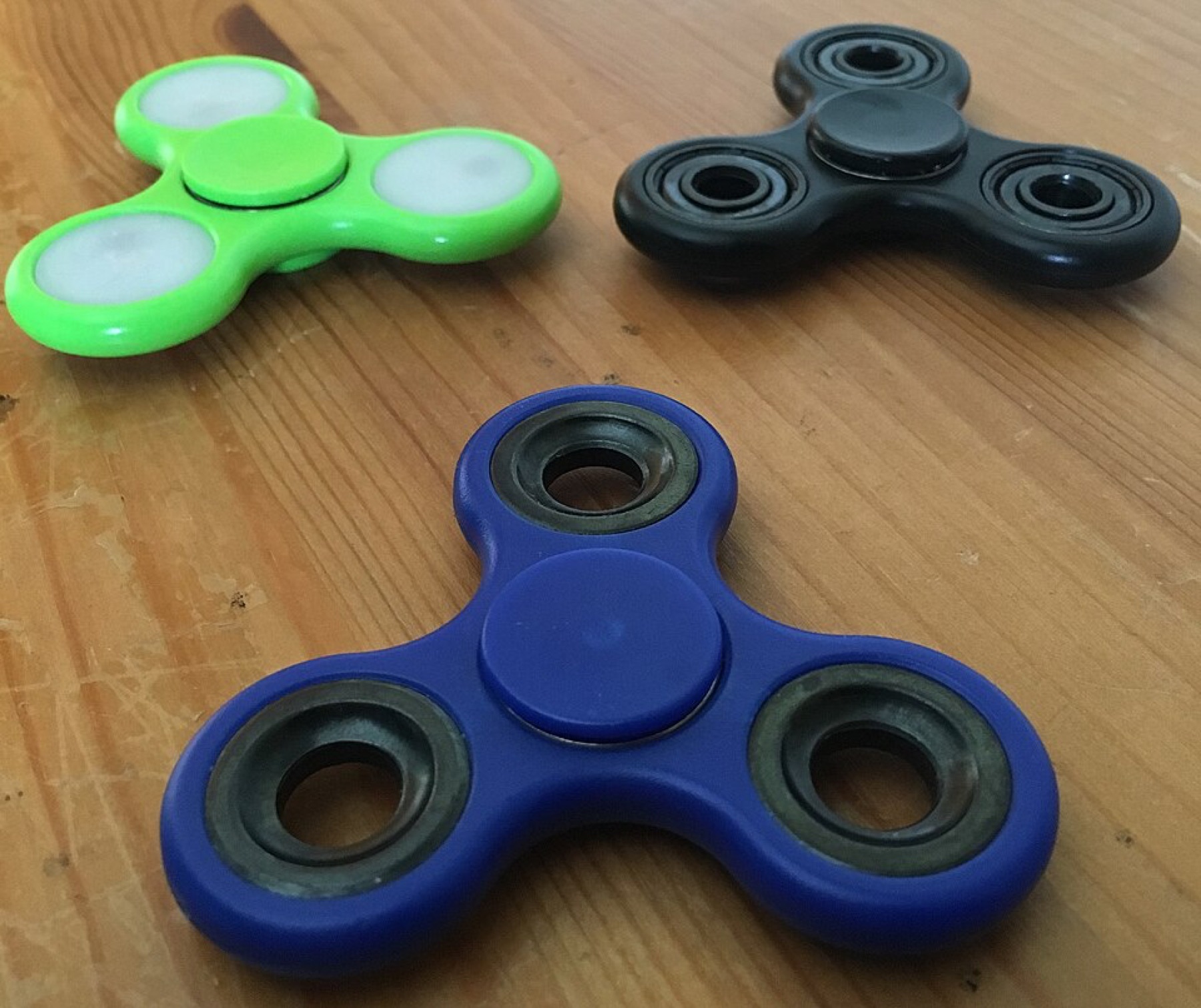
Snapshot examples from cross‑border listings (2026-09-22)
The table below converts several query‑time cross‑border marketplace listings into approximate per‑item ranges so you can benchmark offers from any channel.
| Example lot (2026-09-22 snapshot) | Lot price range (USD) | Pieces in lot (approx.) | Approx. price per piece (USD) |
|---|---|---|---|
| 5‑pack sensory fidget spinners | $9.22–$18.90 | 5 spinners | ~$1.85–$3.78 per spinner |
| 40‑pack mini fidget spinners | $20.00–$41.04 | 40 spinners | ~$0.50–$1.03 per spinner |
| 12‑pack LED fidget spinner bracelets | $21.19–$21.74 | 12 bracelets | ~$1.77–$1.81 per bracelet |
| Mixed gadget set (spinners, infinity cube, pad, chain) | $16.03–$34.44 | ~15-20 toys | Roughly $0.80–$2.30 per toy |
| Math‑fact educational spinners (wholesale) | $0.89–$0.92 | 1 spinner (per‑unit quote) | ~$0.89–$0.92 per spinner |
Prices are illustrative and can change; always check current listings before ordering.
Why the Same Spinner Pack Can Cost 3× More
1. Quantity and pack structure
Per‑unit price almost always drops as pack size grows, but how the pack is structured matters:
- Single‑SKU spinner bundles (e.g., 40 of the same mini spinner) usually deliver the lowest per‑spinner cost. That 40‑pack example works out to around $0.50–$1 each.
- Small variety packs (5-8 spinners) tend to run closer to $1.50–$4 per spinner, because you’re paying for packaging and lower quantity.
- Mixed fidget packs (spinners + other toys) may look pricey as a lot but cheapen when you divide by total pieces. A $25 mixed set with 20 toys is $1.25 per toy, but only if every item is actually usable for your group.
For a teacher or event planner, mixed packs can be great value because kids don’t mind which fidget they get. For a reseller, pure spinner lots make pricing and inventory simpler.
2. Material and build
Market positioning consistently treats metal and magnetic fidget spinners as more durable and premium than basic plastic versions, so they’re priced higher. Brand editorial on metal spinners highlights heavier weight, more substantial feel, and more complex machining as reasons buyers pay more.
In practice this gives you three tiers:
- Budget plastic – Lowest cost; good for giveaways, but bearings and surface finish can be inconsistent.
- Mid‑range plastic/novelty – Slightly higher price for LED effects, glow finishes, or transformable shapes.
- Metal or magnetic – Higher unit cost, but may spin better and feel more “giftable,” which matters if you sell them as impulse purchases or adult desk toys.
3. Design complexity and “extras”
Features that can drive up the price per piece include:
- Transformable designs (for example, listings where spinners deform into robots) that require more parts and tooling.
- Multi‑function items such as spinner bracelets, magnetic ring sets, or game controller‑style fidgets that behave more like small gadgets than simple toys.
- Large, flat caps or faces designed to take a logo or print, which often come at a slight premium before customization.
4. Customization and branding
US promotional‑product sites promote custom logo fidget spinners and fidget toys and often describe sub‑$1 per item pricing at very high quantities for simple plastic designs. Once you add color choices, multiple print positions, or more complex spinners, the effective per‑piece cost rises.
Customization usually makes sense only if:
- You’re ordering hundreds or thousands of units.
- The spinner is part of a branded campaign where recall matters more than shaving a few cents.
For a one‑off birthday party, pre‑printed generic designs will be far cheaper.
5. Shipping and lead time
Shipping can easily turn a cheap‑looking lot into an expensive order:
- Domestic bulk from US party or wholesale sites usually has faster, more predictable delivery and straightforward tax/shipping shown at checkout.
- Cross‑border shipments tend to have longer transit times and may involve higher or more complex freight costs relative to the low product value.
For small party orders, it can be better value to accept a slightly higher per‑spinner price from a US source than to risk a late arrival or pay for expensive express shipping from overseas.
Choosing the Right Sourcing Channel and Cutting Your Total Bill
Here’s how typical sourcing routes stack up on cost and practicality for US buyers. These are editorial ranges and tendencies, not quotes.
| Channel type | Typical use cases | Price character (per piece) | Budget‑relevant tradeoffs |
|---|---|---|---|
| US retail/party & classroom sites | Parties, classrooms, small events | Packs often end up around $1–$3 per spinner | Higher unit price, but simple checkout, clear shipping, and quick delivery help for fixed‑date events |
| US wholesalers & gift suppliers | Small stores, repeat resellers | Marketed as affordable bulk; some listings approach $1 or less per spinner at case quantities | Better value at higher MOQs; may require business details or accounts |
| Promo/logo companies | Corporate events, branded giveaways | Simple plastic customs can be positioned under $1 at very high volume | Setup and print costs, plus longer lead time; best when branding is critical |
| Cross‑border marketplaces (including Cross-border multi-seller) | Price‑sensitive buyers, online resellers, large mixed fidget orders | Lots often in mid‑teens to mid‑thirties per set; some simple wholesale listings show under‑$1 plastic spinners | Low product prices but longer lead times and more work comparing sellers, shipping options, and import costs |
How a cross‑border marketplace can fit
Cross‑border marketplaces such as DHgate host many fidget spinner packs and accessories that illustrate how low prices can go for bulk buyers.
On 2026-09-22, for example, DHgate snapshots showed:
- A wholesale math fidget spinner listing with unit prices around $0.89–$0.92 per spinner in bulk.
- A 5‑pack of sensory spinners at about $9.22–$18.90 per lot.
- A 40‑pack of mini spinners near $20.00–$41.04 per lot.
- A mixed gadget toy set with spinners, an infinity cube, and other toys around $16.03–$34.44 per set.
These are historical snapshots only; listings and prices change over time. If you consider DHgate or any cross‑border marketplace, keep your cost focus on:
- Effective per‑unit price after converting the lot cost and estimating freight and any import charges.
- Whether the lot composition (all spinners vs mixed fidgets) matches how you plan to use or resell the items.
- Seller history and reviews, especially for larger orders.
If you want broader context on how DHgate stacks up against other global platforms, you can read this marketplace comparison of DHgate vs AliExpress, Alibaba, and Temu. For background on duties and taxes for cross‑border orders, see customs, tariffs and import fees explained.
Practical Ways to Keep Your Fidget Spinner Budget in Check
Before you place an order, quickly walk through these cost levers:
- Lock your per‑unit math. Always divide the lot price by the count of items you’ll actually use. A $25 mixed pack with 10 toys you like and 10 you’ll toss is effectively $2.50 per usable piece, not $1.25.
- Match spec to use case. For party favors or treasure boxes, basic plastic spinners and mixed fidget packs at roughly $0.50–$1 per usable toy are usually fine. For ecommerce resale, consider stepping up to mid‑range or metal designs that justify a higher resale price.
- Choose pack type deliberately. Mixed fidget sets are often the best value for classrooms and events where variety is a plus. Single‑SKU spinner cases are easier for resellers who need consistent product photos, titles, and listings.
- Time orders against shipping. If you have a hard event date, favor domestic suppliers or cross‑border sellers with ample lead time. Paying rush freight on a cheap lot often wipes out the savings.
- Consolidate accessories. If you’re adding LED bracelets, magnetic rings, or fidget pads, try to source them from the same supplier in one shipment instead of separate orders with multiple shipping charges.
- Align channel with your plan. One‑off events can justify paying a bit more per spinner for simple domestic logistics. If you’re building an online catalogue and reordering regularly, investing more time in cross‑border sourcing and per‑unit calculation can pay off.
If you do end up using cross‑border marketplaces for sourcing, you can learn more about general supplier‑finding tactics in this guide to finding wholesale suppliers on DHgate and then apply the same due‑diligence habits wherever you buy.