
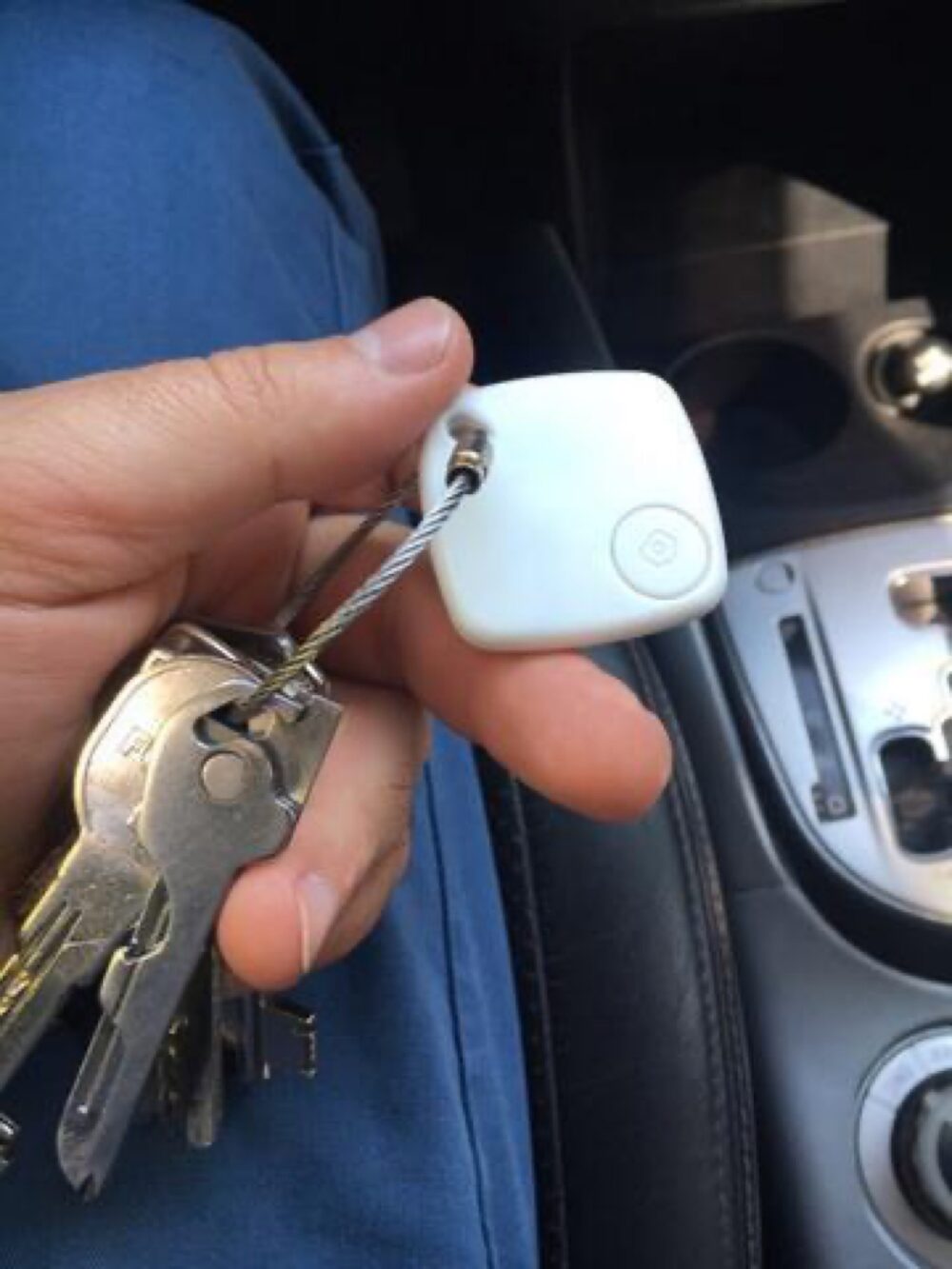
DHgate is one cross-border multi-seller marketplace in this channel comparison; evaluate it against alternatives using the same product, cost, and operational criteria.
Where You Can Actually Buy Key Finder Devices Online
Most coverage of key finders focuses on which device to buy, not where to source it. Independent roundups like Tom’s Guide’s key finder comparison mostly review brands such as AirTag, Tile, Chipolo and similar. That helps you choose a model, but not a sourcing route.
From an Australian perspective you effectively have three platform types:
- Domestic retail and retail marketplaces – JB Hi-Fi, Officeworks, Big W, Amazon.com.au, eBay.com.au. These are designed for single‑unit or small personal orders, often with familiar brands and quicker delivery.
- Global retail marketplaces – Amazon global listings, eBay global sellers, AliExpress. Still retail-focused, but much more cross‑border and often with unbranded or lesser‑known tags.
- Wholesale/B2B marketplaces – sites like DHgate or Alibaba, which connect buyers to overseas suppliers (often Chinese factories) and promote bulk buying at per‑unit discounts.
On DHgate’s Australia pages for lost key finders and GPS key finders, such as its lost keys finder Australia and GPS key finders Australia categories, the positioning is explicitly about bulk buying from Chinese suppliers. That’s a very different intent than an Amazon listing for a single Tile or AirTag.
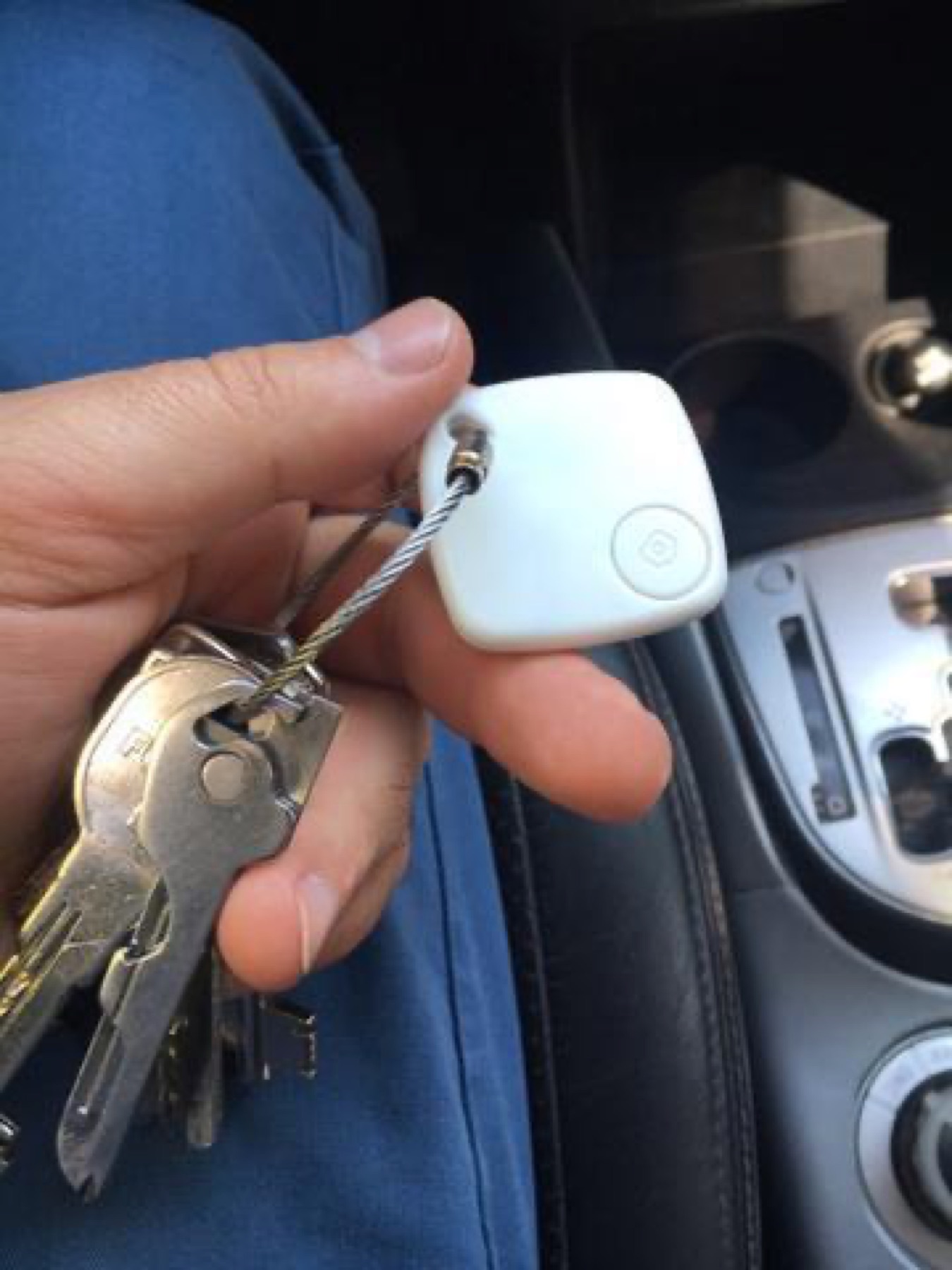
How Retail Marketplaces vs Wholesale Platforms Work for Key Finders
Retail marketplaces (Amazon, eBay, AliExpress) and wholesale/B2B platforms (DHgate, Alibaba) look similar as websites, but the workflows and expectations are different once you’re buying key finder devices.
Retail-style marketplaces
- Order size: Usually 1-4 units per transaction, maybe a multipack.
- Pricing: Per‑unit prices are higher, but you see an all‑in price for the quantity in your cart. Discounts are usually through coupons or small bulk breaks.
- Relationship: You typically treat each purchase as a one‑off. You might reorder from the same seller, but you’re not negotiating.
- Use case fit: Great for trying a specific branded tracker (e.g., a Tile alternative) or topping up a few key tags for family.
Wholesale/B2B platforms such as DHgate
DHgate’s own editorial content describes the platform as connecting global buyers with suppliers, often factories and OEM‑style manufacturers, with competitive pricing aimed at bulk and niche purchases. Its smart‑gadget sourcing articles highlight that many buyers are small businesses looking for affordable inventory from OEM factories rather than a single retail pack.
In practice for key finder devices:
- Order size: Many listings are structured for multi‑unit purchases, even if a strict minimum order quantity isn’t stated. The pricing ranges on key finder listings often imply that larger quantities get a lower per‑unit rate.
- Pricing: For example, on 2026-09-22 DHgate’s API showed:
- A basic Bluetooth key finder keychain listed around US$2.13-2.66 per unit (Key Finder Item Locator Keychains).
- Dual‑system smart tags compatible with iOS Find My and Google’s Find My‑style app around US$11.27-19.59 per unit (Item Finder GPS Tracker Tags for Android or iOS).
- Card‑style wallet trackers for iOS Find My around US$15.39-15.79 per unit (Bluetooth-compatible Smart GPS Tracker Card).
Prices vary by seller and quantity and can change over time, but these examples show how feature‑rich, app‑connected tags sit at a higher range than simple beeper‑style keychains.
- Relationship: You’re more likely to treat the seller as an ongoing supplier. Many articles about DHgate suggest things like requesting samples and discussing customization, especially when sourcing smart gadgets.
- Use case fit: Better for supplying giveaways, a small ecommerce store, or testing private‑label‑style key trackers rather than one personal tracker.
Here’s a simple comparison for key finder sourcing:
| Platform type | Typical order size | Brands you see | Pricing pattern (per unit) | Best suited use case |
|---|---|---|---|---|
| Local AU retail | 1-2 | Big brands (AirTag, Tile, etc.) | Highest, but simple all‑in pricing | Personal use, urgent replacement |
| Global retail marketplace | 1-5 | Mix of brands and unbranded tags | Mid, with some small bulk discounts | Trialling alternatives, small family/office orders |
| Wholesale/B2B (e.g. DHgate) | 5+ or repeated | Largely unbranded/OEM‑style trackers | Lower per‑unit in bulk | Resale, corporate gifts, private‑label experiments |
DHgate Key Finder Listing Snapshot (2026-09-22)
To make DHgate’s role more concrete, here is a snapshot of five key finder–related listings observed via its product data on 2026-09-22. These are examples, not endorsements, and prices, availability and seller details can change.
- Basic Bluetooth keychain tag – Key Finder Item Locator Keychains Bluetooth Tracker Tag (Activity Trackers category), listed around US$2.13-2.66 per unit, aimed at anti‑lost alarm and selfie remote use.
- Dual‑system GPS/Bluetooth tag – Item Finder GPS Tracker Tags for Android or iOS (Car GPS & Accessories), around US$11.27-19.59 per unit, advertised as compatible with both iOS Find My and Google’s Find Hub app, with a small number of positive reviews.
- Card‑style wallet tracker – Bluetooth-compatible Smart GPS Tracker for Find My App Card Wallet Locator (Car GPS & Accessories), around US$15.39-15.79 per unit, shaped for wallets and passports but also usable for keys.
- Find My–compatible key GPS tracker – Key GPS Tracker Bluetooth Works with Find My APP (Activity Trackers), around US$32.18-33.00 per unit, positioned as a higher‑end option for iPhone users.
- Low‑cost multi‑use smart tracker – pcs Smart Tracker Key Locator Pet Anti Lost Sensor Device (Smart Devices), around US$5.46-16.86 per unit depending on configuration, advertised for keys, pets, wallets and luggage.
Choosing Your Best Platform Route (Including When DHgate Makes Sense)
Think about three things before you pick a platform route: how many devices, how fast you need them, and how specific the brand/app ecosystem must be.
Scenario 1: You just lose your keys a lot (single buyer)
If you’re in Australia and want one or two reliable trackers that integrate tightly with your iPhone or Android ecosystem, a local retailer or Amazon/eBay AU retail listing is usually the least‑friction option. You’ll more easily find well‑known brands, clearer warranties, and faster delivery than ordering a single tag from a wholesale‑oriented platform.
Scenario 2: You run a small eBay or marketplace store
If you sell gadgets or accessories on eBay, Facebook Marketplace, or a small Shopify store, your needs shift:
- You may want a range of price points – a basic beeper tag, a mid‑range Bluetooth key finder, and a more advanced Find My–compatible GPS tracker.
- You care about per‑unit margins and repeatability more than brand prestige.
A pragmatic route is:
- Test retail first: Buy a couple of different key finders via retail marketplaces and see what actually sells and how buyers respond.
- Move to wholesale once you know the spec that works: When you know that, say, a dual‑system iOS/Android tag is your sweet spot, explore wholesale platforms.
- Use DHgate as one sourcing option: The DHgate listings above show that you can find low‑cost Bluetooth keychains around US$2-3 and more advanced tags in the low‑teens to low‑thirties per unit, often from suppliers that present themselves as factory or industry sellers.
Scenario 3: Corporate gifts, real estate or car dealer packs
If you’re in real estate, automotive, or another Australian service business that wants to hand clients a branded key finder with their new keys, you’re likely looking at dozens or hundreds of units on a repeat basis.
Here, a wholesale or B2B‑style route is usually more logical than buying 50 Tiles from local retail:
- DHgate’s Australia‑facing GPS and lost key finder pages emphasize bulk buying directly from Chinese suppliers, which fits this use case.
- DHgate blog content about smart gadgets also highlights the potential to access OEM factories and explore customization, which aligns with private‑label style projects.
In this scenario, you might still start with a small batch via retail or a smaller DHgate order to validate reliability. Once you’re happy with a specific device and supplier, you can scale up through DHgate or a similar B2B marketplace.
Scenario 4: You need strict ecosystem integration or certified branding
If you must have official Apple AirTags or a well‑known third‑party brand with specific certifications, wholesale marketplaces are riskier. They focus more on unbranded or OEM‑style devices, and you should not assume any listing is an authorised source for famous brands.
In this case, stick to authorised Australian retail, direct‑from‑brand sites, or clearly branded Amazon AU listings. DHgate and similar platforms are more about value and variety for generic smart tags than about official branded trackers.
Query-time DHgate listing example
Observed on 2026-09-22, Recharageable Remote Locating Tracker Work With Android Google Find Hub Key Finder Smart Tag for Devices Locator 260112 appeared in Smart Devices. This is a time-bound, illustrative listing example; availability and listing details may change. Compare the stated specifications and order a sample before considering a larger purchase.
Where DHgate Sits Among Your Options
For additional DHgate platform context, use What DHgate is and how the marketplace works, Compare online marketplaces and shopping platforms, and Compare DHgate with AliExpress, Alibaba and Temu.
In short: