
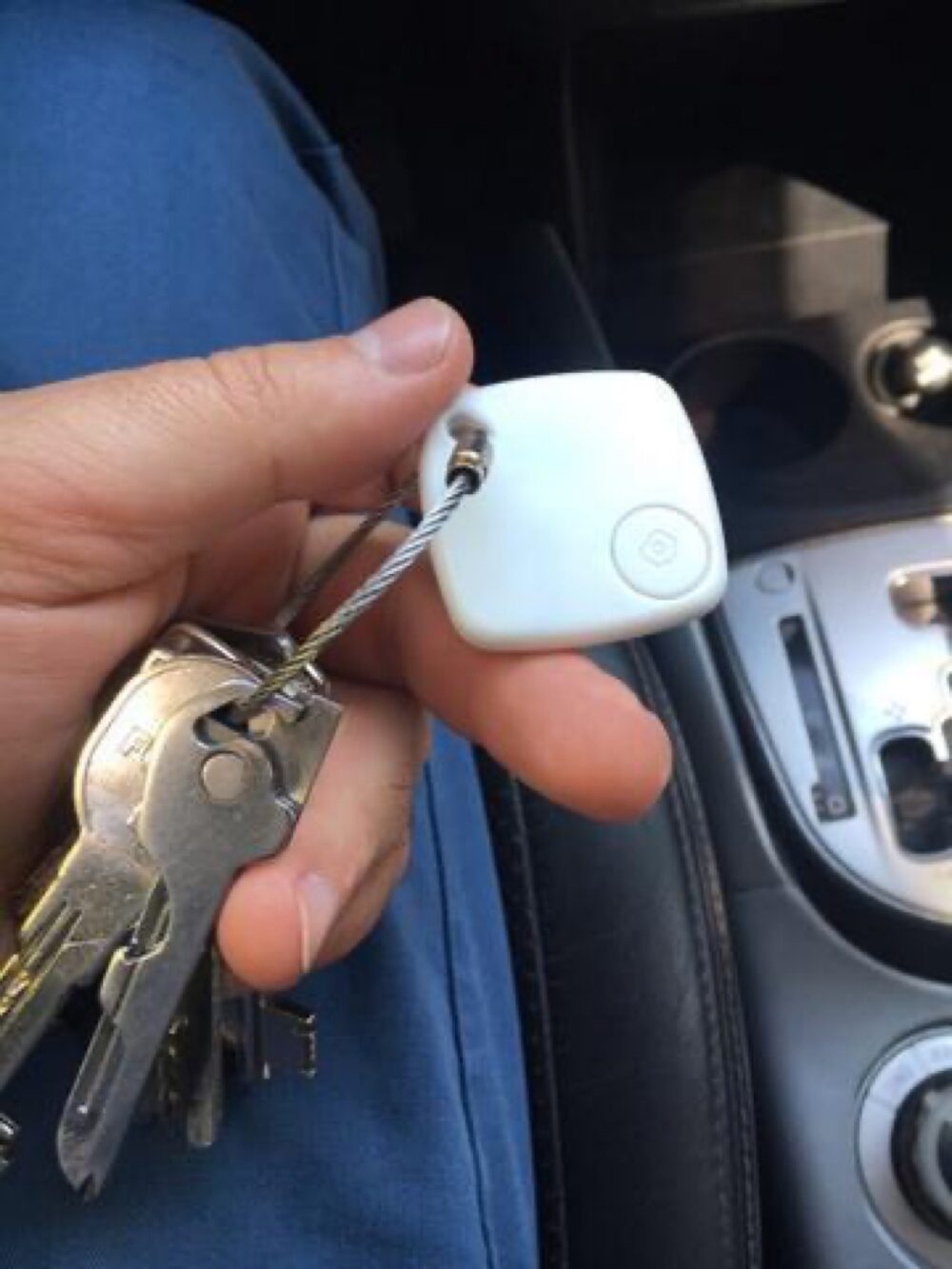
Key finder devices are easiest to buy through mainstream Australian retailers and big consumer marketplaces; cross‑border wholesale sites only make sense if you’re chasing margin and can live with more work and more risk. For a single AirTag or Tile, a local store is usually the simplest path. If you want a 4‑pack or to test a couple of brands, Amazon or eBay broaden your options. If you’re a small ecommerce seller importing generic tags by the dozen, then a wholesale marketplace can improve your unit costs but will demand more due diligence and slower delivery.
Key Finder Devices and Where You Can Actually Buy Them
Key finders are small tags you attach to items like keys, wallets or bags so you can locate them with an app or paired device. They typically use wireless tech to show the last known position, play a sound on the tag, or both. Common buying factors include wireless range, battery life, and whether the tag works with your phone’s ecosystem (iOS, Android, or a specific app).
Australian consumer group CHOICE describes Bluetooth trackers as pocket‑sized tags that connect to a smartphone app to help you find lost items such as keys and wallets, which aligns with how most key finders work in practice.CHOICE’s guide frames them as low‑cost gadgets aimed at everyday forgetfulness, not heavy‑duty security.
Two main types matter for buying decisions:
- Bluetooth trackers – Short‑range tags that talk to your phone over Bluetooth. They’re ideal for finding things around the house or office. Some ecosystems, like Apple’s Find My network or Tile’s crowd‑find feature, can help you see a general location on a map when the tag is out of direct Bluetooth range.
- GPS trackers – Small devices with GPS and a data connection for real‑time, long‑distance tracking, sometimes with geofencing alerts. They’re used more for vehicles or outdoor gear than house keys, and they tend to cost more and often require a subscription.
For most Australian buyers searching “key finder,” you’re really looking at Bluetooth trackers from brands such as Apple, Samsung and Tile. Editorial roundups like PCMag’s Bluetooth tracker list often highlight Apple AirTag, Samsung Galaxy SmartTag 2 and Tile Pro among leading options rather than obscure brands.
In Australia, you can buy these from:
- Local electronics chains – JB Hi‑Fi, for example, carries Bluetooth location trackers from Apple (AirTag), Tile and Samsung SmartTag in singles and multi‑packs.JB Hi‑Fi’s Bluetooth tracker category shows the type of range you can expect: mainstream brands, local stock, and compatibility information.
- Big marketplaces – Amazon and eBay listings include both the same big brands and many off‑brand tags, including multi‑packs at aggressive prices.
- Cross‑border wholesale marketplaces – These focus more on unbranded or white‑label tags and smart trackers that appeal to bulk buyers rather than a one‑off consumer purchase.
How Different Platform Types Handle Key Finder Devices
From a buyer’s point of view, key finders are a good illustration of how retail stores, consumer marketplaces and wholesale marketplaces actually work.
1. Local retailers (e.g., JB Hi‑Fi, Officeworks)
How they work: You’re buying directly from the store, which has chosen a small set of brands and models. In JB Hi‑Fi’s tracker section, you’ll see Apple AirTags, various Tile models and Samsung SmartTags rather than dozens of anonymous tags.JB Hi‑Fi’s category page also explains basics like how Bluetooth trackers differ from GPS trackers.
Why this matters for key finders:
- Ecosystem clarity – It’s easier to match an Apple AirTag to an iPhone, or a Galaxy SmartTag 2 to a Samsung phone, because the range is curated and labeled.
- Spec transparency – Range, battery life and app requirements are usually explained in straightforward product copy and in‑store staff can answer basic questions.
- Use case fit – These stores lean heavily toward Bluetooth key/asset trackers, not niche GPS devices, which fits most households.
This channel fits: a single AirTag for your keys, a 4‑pack to tag wallets and bags, or a SmartTag for a Samsung user who wants tight phone integration.
2. Consumer marketplaces (Amazon, eBay)
How they work: Multiple sellers compete on the same platform. You’ll see official Apple or Tile listings alongside third‑party sellers and entirely generic tags.
Why this matters for key finders:
- Choice vs noise – You can usually find nearly every mainstream tracker plus plenty of budget multi‑packs, but it takes effort to separate good‑value generics from low‑effort clones.
- Compatibility risk – Some generic Bluetooth tags rely on their own apps, which may not be as polished as major brands. For iPhone users, genuine Find My–compatible tags are usually limited and clearly marketed; anything else may be a stand‑alone app.
- Micro‑bulk options – 2‑, 4‑, or 8‑packs are common, which suit families, pet owners, or micro‑sellers testing stock without going fully into wholesale.
This channel fits: you want a specific famous model at a competitive price, or you’re happy experimenting with cheaper brands after scanning reviews.
3. Cross‑border wholesale marketplaces
How they work: These platforms connect you to overseas manufacturers or trading companies and tilt toward bulk orders rather than single‑unit retail. On cross‑border marketplaces such as DHgate, you can find low‑priced Bluetooth key finders, whistle‑activated key locators, and tags advertised as compatible with iOS “Find My” or Android find‑networks. One current example is a listing for a “Bluetooth Tracker, Keys Finder Item Locator Smart Tag… For iPhone Apple Find My (only IOS)” in a bulk‑friendly price range.Example listing observed 2026-09-22.
Why this matters for key finders:
- MOQ and unit economics – Many listings are priced assuming you’ll buy multiple units, sometimes with per‑piece prices lower than local retail. That appeals to dropshippers and small importers.
- Branding flexibility – Off‑brand tags can sometimes be white‑labeled in your own packaging, which is attractive for small ecommerce brands.
- Buyer responsibility – You need to scrutinise each listing for wireless standard, OS compatibility, and realistic range claims. There is no single, curated set of Apple/Samsung/Tile products.
If you’re considering cross‑border sourcing at all, it’s worth first understanding how these marketplaces operate in general through a neutral explainer such as What DHgate is and how the marketplace works.
Comparing Platforms for Key Finders as an Australian Buyer
Here’s how the main channel types stack up for key finder devices specifically.
| Channel type | Typical key finder options | Best for… | Main trade‑offs for AU buyers |
|---|---|---|---|
| Local electronics & office retailers | Curated Bluetooth trackers (AirTag, Tile, SmartTag) | iOS/Android users who want plug‑and‑play options | Higher per‑unit price, limited brand range |
| Big retail marketplaces (Amazon/eBay) | Full brand lineup plus many generics, multi‑packs | Bargain hunters, families, light resellers | Sorting good vs bad generics; compatibility due diligence |
| Cross‑border wholesale marketplaces | Generic Bluetooth and “Find My”‑style tags in bulk | Margin‑focused small ecommerce importers | Longer shipping, import/GST complexity, quality variance |
Editorial roundups like PCMag’s Bluetooth tracker guide and CHOICE’s local testing help validate which specific models are performing well. For most Australians buying a single key finder, their recommendations point you toward the same mainstream brands you’ll see on JB Hi‑Fi shelves or official marketplace listings.
DHgate and similar cross‑border marketplaces sit in a different place: they suit buyers who want to import low‑priced Bluetooth tags or “Find My”‑compatible smart tags in quantity, and who are prepared to vet individual sellers, product descriptions and sample orders themselves. They are rarely the best route for a one‑off AirTag for your house keys.
For a broader view of how online marketplaces differ beyond key finders, especially if you plan to stock a full gadget range, it’s worth reading Compare online marketplaces and shopping platforms and, if you’re weighing several Chinese platforms, Compare DHgate with AliExpress, Alibaba and Temu.
Which Channel Fits Your Situation?
To make a concrete choice, match your scenario to the platform type:
- You constantly lose your keys and just want it solved – Buy a single, ecosystem‑matched Bluetooth tracker from JB Hi‑Fi, Officeworks or a similar local retailer. You’ll pay more per unit but get a straightforward experience and clear compatibility with your iPhone or Android setup.
- You want several tags for family, bags and maybe the dog – Start with brand multi‑packs from local stores or official marketplace listings. If you’re price‑sensitive and comfortable reading reviews, Amazon or eBay multi‑packs can stretch your budget further.
- You’re a small Aussie ecommerce business testing key finder bundles – Use mainstream brands from local distributors or official marketplace channels for your first listings, so you can validate demand and avoid tech‑support headaches. Shift part of your volume to cross‑border wholesale only once you understand the specs you need (Bluetooth version, app language, packaging requirements) and have time for sampling and compliance checks.
If you keep your use case in mind—forgetful individual vs pet owner vs importer—it becomes much clearer: local and big retail marketplaces serve the first two, while wholesale marketplaces are a specialised tool for the third group, not a default shopping destination.