
DHgate is one cross-border multi-seller marketplace in this channel comparison; evaluate it against alternatives using the same product, cost, and operational criteria.
How wholesale earplug supply works for Australian workshops and resellers
If you run a workshop or warehouse in Australia, hearing protection sits inside the broader workplace safety framework. Regulators such as WorkSafe Victoria explain that employers must protect workers from hazardous noise, and hearing protectors are part of meeting those duties once noise exposure exceeds certain levels. SafeWork NSW stresses that hearing PPE is the least effective control and should only deal with residual risk after higher‑level noise controls, and that hearing PPE needs to comply with relevant Australian Standards such as AS/NZS 1270.
In practice that means you shouldn’t treat bulk earplugs as a generic commodity. The style (foam, silicone, banded, custom‑moulded), attenuation class, and fit all affect whether workers are actually protected. SafeWork NSW also points out that comfort, compatibility with other PPE, and training in correct use matter, which is why many workplaces lean towards established PPE brands and local distributors for their core supply. For consumer or niche uses such as sleep, swimming, or concerts, you have more flexibility because you’re not trying to demonstrate formal compliance for a regulated workplace.
For sourcing, the key split is:
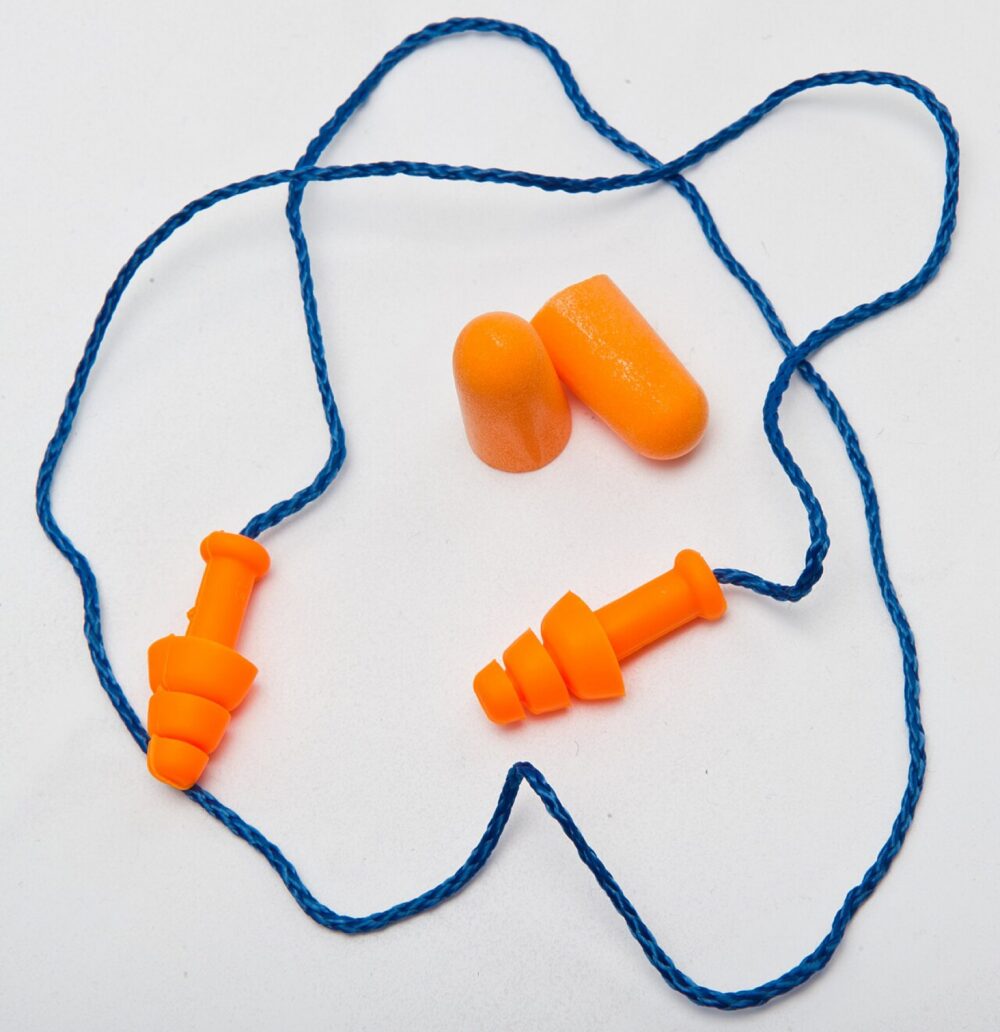
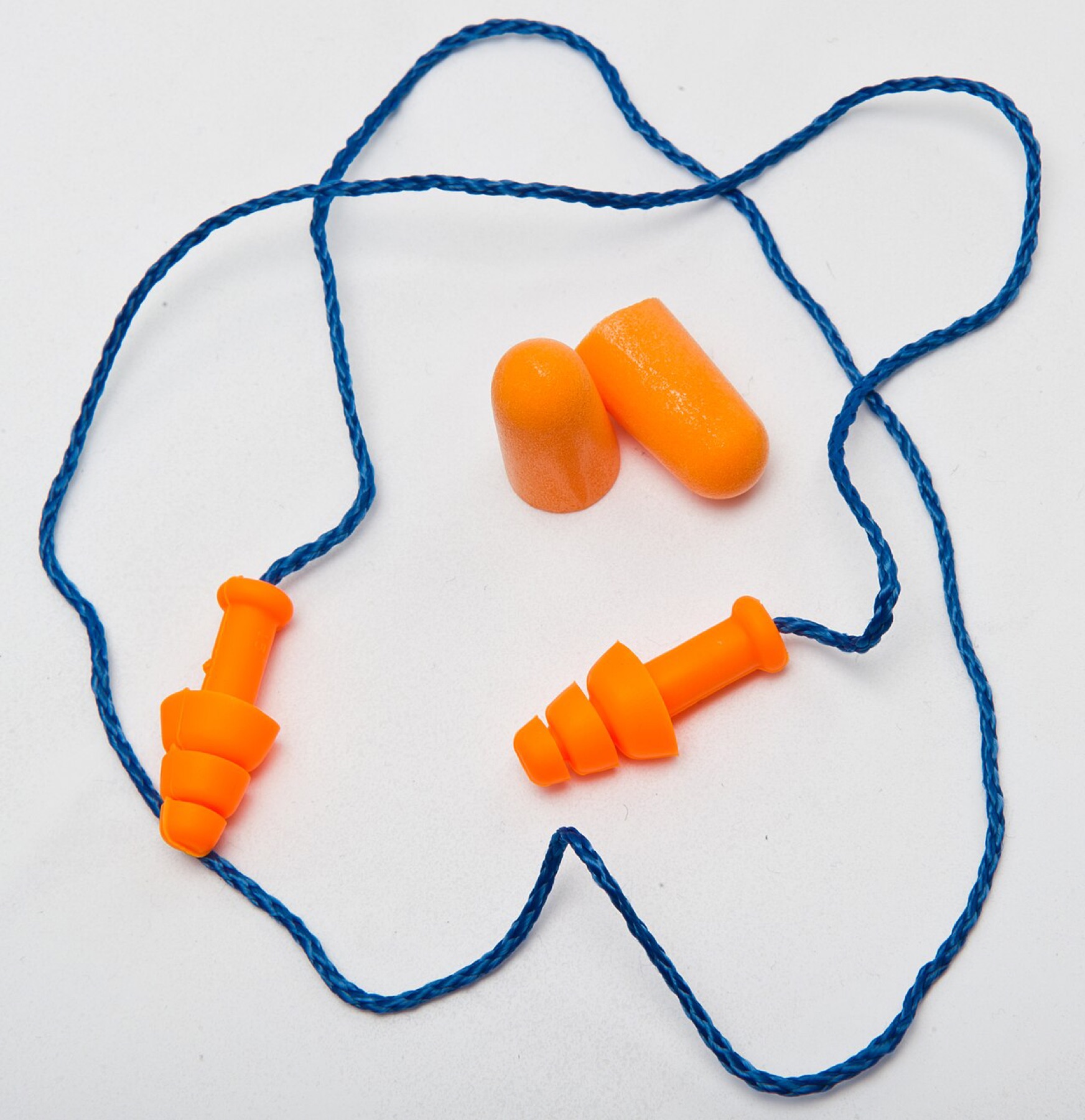
- Industrial/commercial PPE – mainly foam or banded earplugs and earmuffs rated and labelled for workplace noise, sold through industrial safety channels.
- Consumer and niche earplugs – silicone sleep plugs, swimming plugs, concert/musician earplugs, and tactical models, often bought via online marketplaces or consumer brands.
Knowing which bucket you’re buying for is the first step before choosing a route.
Comparing sourcing routes for Australian buyers (including DHgate)
Here’s how the main routes stack up for typical Australian buyers.
| Sourcing route | Best suited order size | Compliance confidence for workplace PPE | Typical product focus | Buyer workload & risk |
|---|---|---|---|---|
| Local industrial/PPE wholesalers & distributors | Small to very large (cartons to pallets) | Highest – products usually labelled to relevant Australian Standards; easier to clarify with reps | Disposable foam earplugs, banded plugs, earmuffs, custom solutions | Low: straightforward invoicing, local support; higher unit cost vs imports |
| Australian ecommerce (safety stores, marketplaces) | Very small to medium | Moderate to high – mix of branded PPE and consumer products; you must check listings | Mix of industrial earplugs and consumer sleep/swim/concert plugs | Low to moderate: easy ordering, but need to read listings carefully |
| Global B2B platforms (Cross-border multi-seller, Alibaba, Made‑in‑China) | Very small test lots to medium runs, sometimes larger | Variable – many listings focus on general “noise reduction” or sleep/swim uses, not clearly tested to Australian Standards | Consumer‑focused silicone or multi‑use earplugs, tactical and niche designs, some “labor” foam plugs | High: you handle supplier vetting, standards verification, sampling, and import paperwork |
For a small workshop that needs compliant PPE, local industrial suppliers or Australian safety e‑tailers are usually the path of least resistance. You can match the attenuation class to your noise assessment, and if an inspector asks, you have clear documentation from known brands.
For a small ecommerce business reselling earplugs (for sleep, travel, concerts, swimming), global platforms become more tempting. DHgate, for example, is a China‑based B2B marketplace that, according to its own editorial materials, focuses on connecting mainly Chinese suppliers with global small and medium buyers, often with relatively low minimum order quantities compared with some other B2B sites. That can help you test multiple SKUs without committing to large pallets.
The trade‑off: the more you rely on cross‑border platforms, the more work you take on to confirm product quality, claims, and any standards you care about.
Using DHgate as one sourcing option for earplugs and hearing protection
DHgate is not a specialist safety platform, but it does host a wide range of earplug listings. A snapshot of listings checked on 2026-09-22 shows the mix:
- Sleep and general noise reduction: Listings such as “Noise reduction earplugs Sound insulation Silicone sleep Hearing protection Earplugs Sleep special anti-noise 260112” and “Anti-noise Sleep Soundproof Earplugs Noise Reduction Supplies Deep Sleeping Swimming Earplugs Reusable Silicone Silent Earplugs 260428” are clearly marketed at sleep or quiet‑time use, not specifically as industrial PPE.
- Swimming and water protection: Products such as “Ear Plugs for Noise Reduction Ear Protection Reusable Silicone Ear Plugs Swimming Ear Plug Sleeping Earplugs Set Oordopjes 260428” and “Silicone Ear Protection Earplugs Waterproof Soft Diving Ear Plugs Washable with Earplug Caps Case for Hearing Safety 250904” emphasise water resistance for swimming or diving.
- Concert and event earplugs: There are multiple musician‑style listings such as “Hearing Protection for Concerts Festivals Live Events Musicians Sports DJs Nightlife Noise Reduction Earplugs 250917” aimed at live events rather than factories.
- Tactical and shooting models: A higher‑priced listing like “High Quality Shooting Electronic Earplugs, Military Tactical Earplugs Headphones Noise Canceling Active Hearing ProtectionNRR27” targets shooting and tactical use.
- A small number of ‘labor’ foam plugs: One example is “Labor soundproof bullet-shaped sponge earplugs wholesale with cord noise reduction hearing protection sleep aid”, categorised under Hearing Protection and described as suitable for labor and sleep, but you would still need to confirm any standards claims directly with the seller.
Across these listings, price ranges per product (for example, roughly USD 11-39 for many silicone sets, and a lower range for the foam “labor” plugs) show that suppliers often expect multi‑unit or wholesale cartons rather than single pairs, but specific MOQs are set per listing and can change. None of these titles alone proves compliance with Australian Standards; you’d need to treat any AS/NZS or NRR/SNR reference in the description as a claim to verify via documentation and, if you’re using them as formal workplace PPE, with your safety professional.
If you decide DHgate could be part of your sourcing mix, you’re signing up for more homework. DHgate’s own sourcing guides recommend using detailed search terms, reviewing supplier history and feedback, requesting samples, and building relationships before larger orders. For earplugs, that translates into a few concrete steps for Australian buyers:
- Match listing type to your use case. For a metal workshop, prioritize listings clearly marketed for industrial or “labor” use and ask the supplier to confirm which standard the product was tested against. For ecommerce sleep/swim/concert brands, you might favour silicone or musician‑style SKUs with appealing packaging.
- Request samples and test fit. Before committing to a carton, order sample packs from two or three suppliers. Involve actual users (workers, swimmers, gig‑goers) to check comfort and perceived noise reduction. This aligns with Australian guidance that correct selection and fit are critical for effective hearing protection.
- Ask for documentation, not just claims. For anything that might be worn in a workplace or sold as “hearing protection,” ask suppliers for test reports, certificates, or spec sheets that show how their claimed performance was measured. Treat the paperwork as one input to your own safety assessment, not a substitute for it.
- Plan for import admin. Cross‑border orders bring questions about GST, customs classification, and possible delays. For modest trial quantities, this may be manageable. For large recurring PPE orders, the admin and risk often outweigh the cost savings compared with a local industrial supplier.
If you’re new to DHgate or similar platforms, it can help to first learn how to screen suppliers and structure small test orders. Articles such as Find wholesale suppliers on DHgate, Find DHgate suppliers, and Choose a DHgate wholesale supplier walk through that side of the process. Once you’re comfortable with those steps, layering in category‑specific checks for earplugs and hearing protection becomes much easier.