
Need-to-product guidance
Find the Right Product Before You Choose a Seller
Product discovery starts with the job an item must do—not with a marketplace search box. Use this hub to turn a vague need into product attributes, compare realistic option types, check size and compatibility, and choose a buying route that fits your budget, deadline, return constraints, and authenticity requirements.
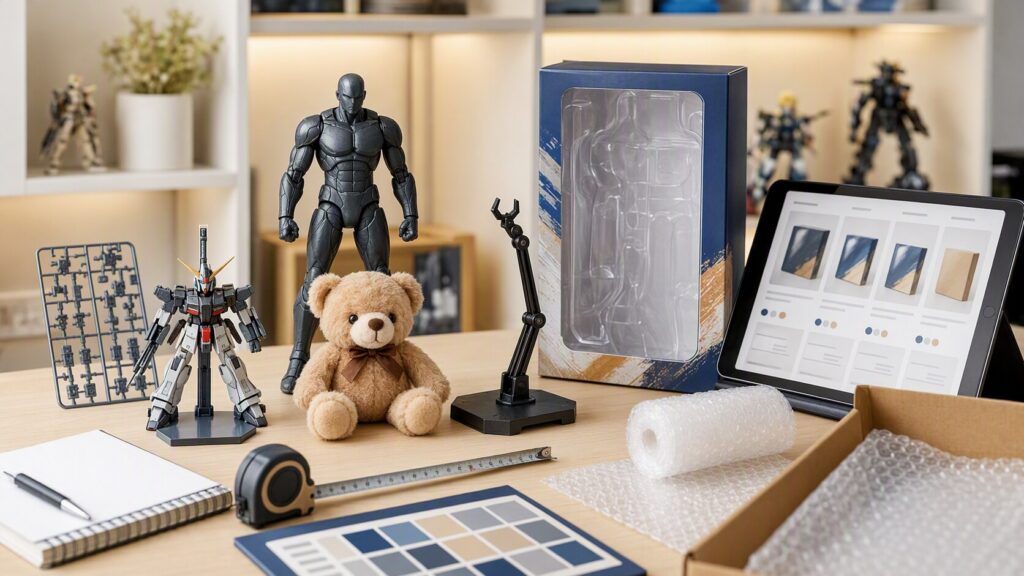
Browse by shopping goal
What kind of discovery problem are you solving?
Replace an unavailable product
Separate must-have functions from brand, appearance, or optional features.
Build an alternative briefFind a specific look
Translate visual references into color, shape, material, proportion, and finish.
Browse visual use scenariosLocate something hard to find
Compare specialist stores, resale routes, local sources, and cross-border marketplaces.
Compare buying routesCompare different solutions
Judge option types by use, tradeoffs, maintenance, fit, and total cost—not feature count alone.
Use the five-step journeyShop for a fixed date
Work backward from the deadline and include delivery uncertainty, setup, and replacement time.
Check deadline and returnsStay within a total budget
Set a delivered-cost ceiling and decide where lower price would create unacceptable compromise.
Plan the full costProduct discovery journey
Move from a need to a defensible buying route
Define the need
Describe the job, user, setting, deadline, and acceptable compromise.
Translate attributes
Specify size, material, compatibility, style, quantity, and condition.
Compare options
Group realistic product types and document the tradeoffs of each.
Check product fit
Verify measurements, use constraints, evidence, returns, and delivery timing.
Choose a buying route
Match the product to an authorized, local, resale, marketplace, or wholesale source.
Topic map
Explore products by use scenario
These are recommended downstream clusters. Their landing-page URLs must be verified before publication.
Fashion & accessories
Fit, fabric, finish, care, licensing, and use-specific durability.
Explore fashion and accessory guidesHome & décor
Room scale, dimensions, material, assembly, care, and delivery constraints.
Explore home and décor guidesElectronics & accessories
Model compatibility, power standards, safety, software support, and warranty route.
Explore electronics accessory guidesToys & collectibles
Age fit, condition, completeness, licensing, authenticity, and resale context.
Explore toy and collectible guidesSports & outdoor
User level, dimensions, load, safety, weather exposure, maintenance, and portability.
Explore sports and outdoor guidesEvents, costumes & seasonal needs
Delivery buffer, sizing, setup, one-time use, returns, licensing, and alternatives.
Explore event and seasonal guidesProduct fit checklist
Resolve seven fit questions before comparing sellers
This checklist runs locally in your browser. It does not save or upload your selections.
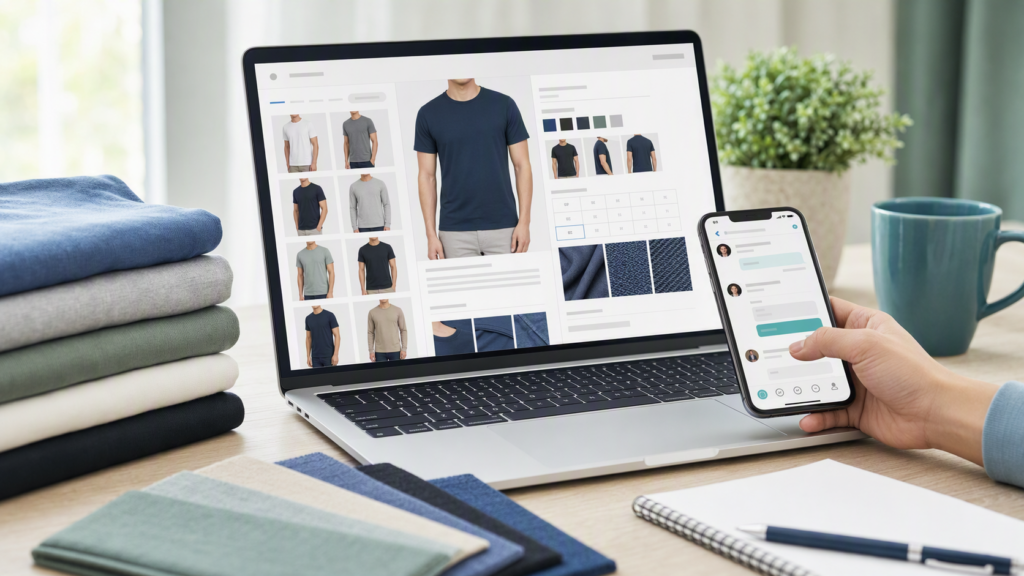
Review each factor before comparing listings or sellers.
Visual discovery grid
Compare products in the setting where they will be used
Use scenario images should explain scale, fit, or compatibility. They should not become an undifferentiated product thumbnail wall.
Wear and fit
Compare body or item measurements, material behavior, care, and the intended occasion.
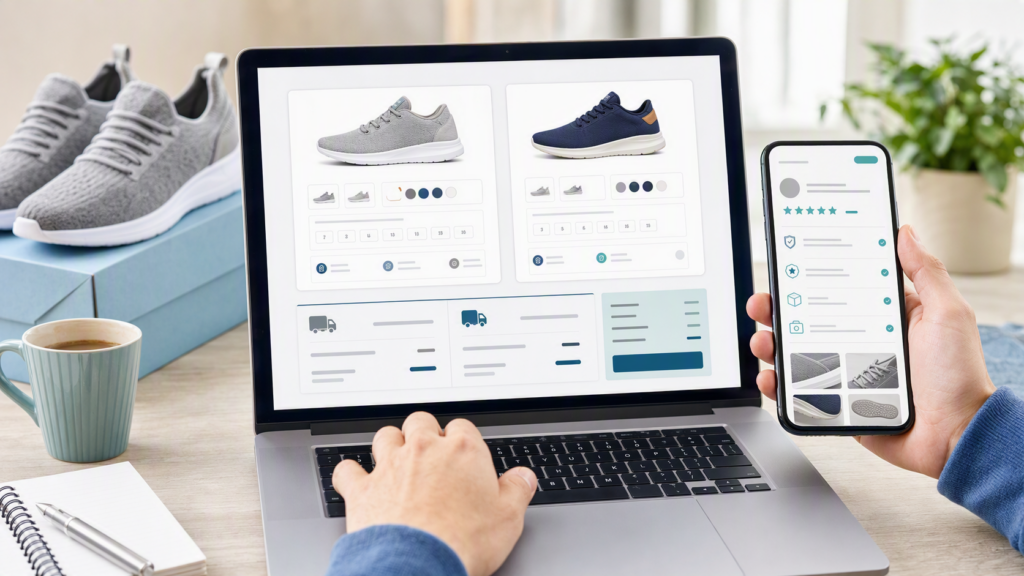
Room and scale
Place dimensions, access, assembly, and maintenance ahead of isolated product photography.
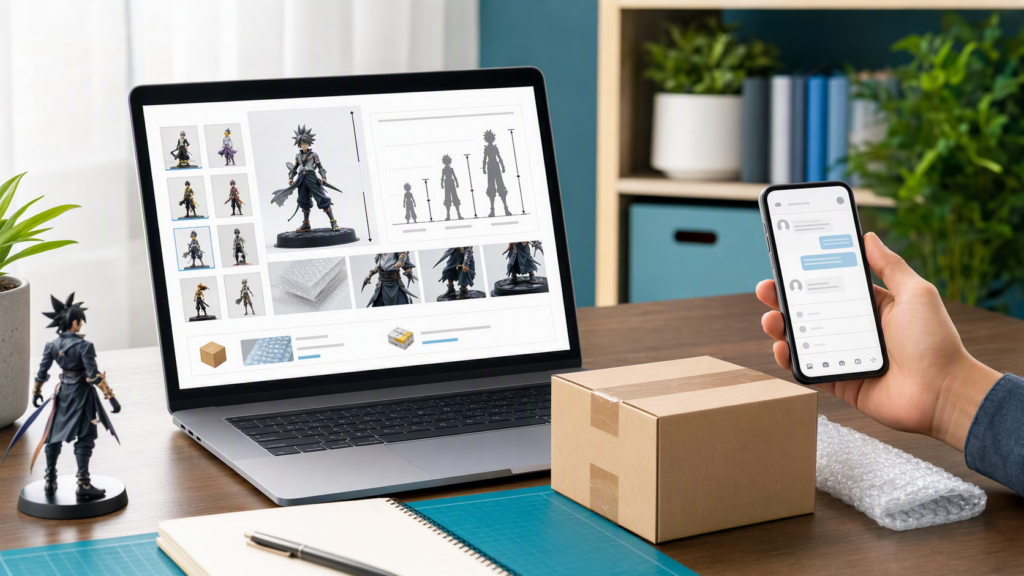
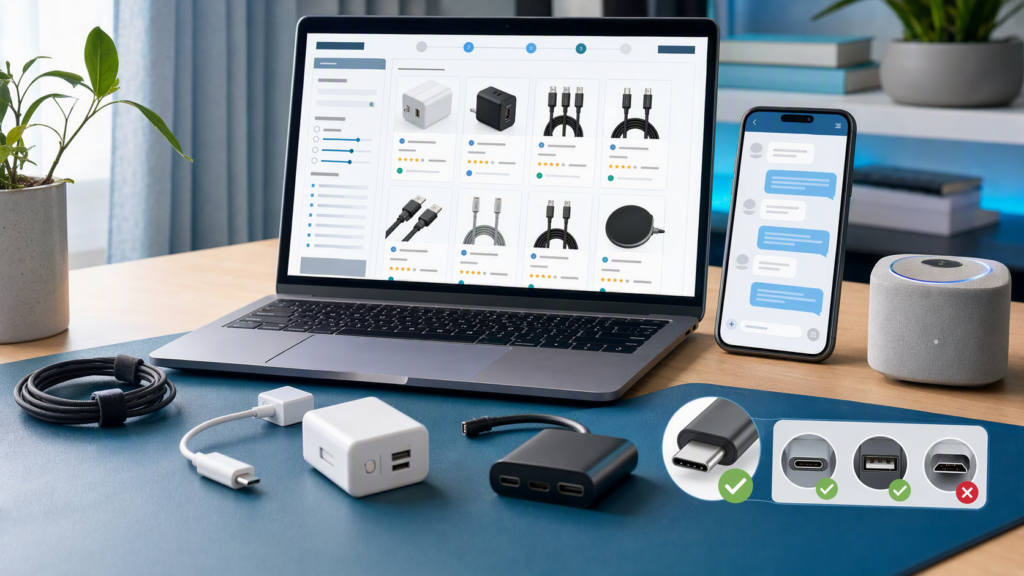
Device and compatibility
Confirm the exact model, connector, power standard, supported features, and return path.
Buying route guide
Match the product requirement to the source
Scroll horizontally to compare every column.
| Buying route | Strongest fit | Main advantage | Main limitation | Verify before buying |
|---|---|---|---|---|
| Authorized or brand store | Authenticity, official compatibility, warranty | Clear product identity and support route | Higher price or narrower selection | Regional availability, model, and current terms |
| Local retailer or distributor | Fixed deadline, easier returns, immediate fit checks | Speed and local recourse | Less variety or higher unit price | Stock status, return conditions, total cost |
| Broad consumer marketplace | Finished goods and price comparison | Selection and familiar checkout | Seller and listing quality vary | Actual seller, reviews, delivery, and protection |
| Cross-border marketplace | Broad discovery and price-sensitive small orders | Variety and flexible order sizes | Variable delivery, policy, and product evidence | Listing, seller, destination, shipping, licensing, and returns |
| Specialist or resale marketplace | Rare, used, discontinued, or collectible items | Niche availability | Condition and authenticity uncertainty | Provenance, condition evidence, completeness, and dispute route |
| Wholesale or direct supplier | Multi-unit, repeat, or custom orders | Unit economics and customization potential | MOQ, quality-control, and operational effort | Samples, specifications, landed cost, and supplier performance |
Featured guides
Verified product-discovery examples
These links demonstrate different discovery problems. Use the supplied PHP template for dynamic production cards.
Where to Buy a Healthy Lotus Leaf or Lotus Plant
Separate live plants, seeds, dried products, and decorative interpretations before choosing a source.
Compare lotus buying routesWhat Size Watch Winder Fits 4 to 6 Watches?
Turn collection size into capacity, cushion fit, rotation, noise, power, and future-space requirements.
Choose a watch-winder sizeBodega Hat and Related Accessories
Translate an ambiguous style term into shape, material, branding, use, and alternative routes.
Define the hat style and routeBarry the Bear Merchandise and Plush Options
Compare official, fan-made, generic, used, and custom routes while keeping licensing needs visible.
Review merchandise optionsHow to Watch the ISS Pass Overhead
Start with the observation task and conditions before deciding whether additional gear is useful.
Plan the observation and gearContinue the decision
A promising product still needs a safe route
- Define the productFix the use case, attributes, and fit requirements.
- Choose the source typeMatch the item to an authorized, local, resale, marketplace, or wholesale route.
- Compare optionsUse the same dimensions and scenario across alternatives.
- Check seller and order riskReview evidence, payment, delivery, and dispute conditions.
- Confirm total costInclude delivery, fees, returns, and replacement exposure.
Frequently asked questions
Product discovery questions
How do I start when I do not know the product name?
How can I tell whether two products are real alternatives?
When should I choose a local source instead of a cross-border marketplace?
What should I verify for size and compatibility?
How much should price influence product discovery?
How should I handle authenticity or licensing needs?
Editorial standard
How this hub should be maintained
Product-discovery guidance should begin with the reader’s task and constraints. It should distinguish product facts, seller claims, source availability, and editorial judgment. DHgate should appear only when a cross-border marketplace is a plausible route, alongside relevant local, authorized, specialist, resale, or direct-supplier alternatives.