
HyperSKU can work well if you want a China‑based, all‑in‑one dropshipping supplier with automation into platforms like Shopify and hands‑on support, but it isn’t automatically better than AliExpress‑style marketplaces, CJ‑type suppliers, or private agents. The main trade‑off is control and flexibility versus structure and convenience: you get a managed system and less supplier hunting, but also less openness than a broad marketplace and less customization than a good private agent.
How HyperSKU Fits into the Dropshipping Platform Landscape
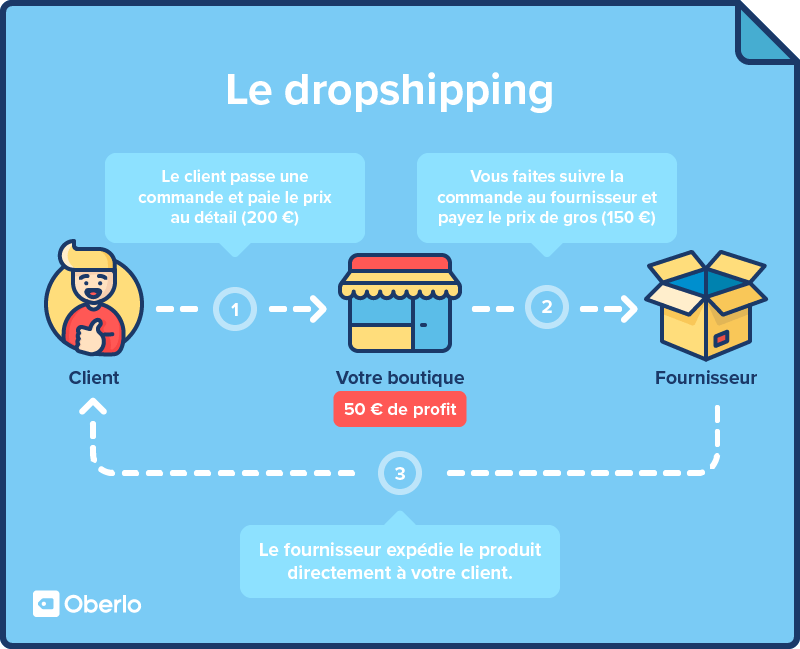
HyperSKU presents itself as a one‑stop dropshipping supplier: it bundles product sourcing from China, print‑on‑demand and branding options, inventory and logistics services, and an “automated & smart system” with expert support for ecommerce sellers. That positioning comes directly from HyperSKU’s own site, where it markets streamlined sourcing, custom branding, and global fulfillment as a single package rather than a loose network of suppliers.
That makes HyperSKU structurally different from:
- App‑style tools like AliDropship or Syncee, which often focus on catalog access and store integration but may rely on external suppliers behind the scenes.
- CJ‑type suppliers and logistics platforms, which sit closer to HyperSKU in that they combine sourcing and fulfillment under one roof.
- Private dropshipping agents, which are usually individuals or small teams in China that you work with one‑on‑one to source, inspect, and ship products.
HyperSKU’s own blog explicitly contrasts a “dropshipping supplier” model with a private agent model, arguing that a supplier like HyperSKU offers more scalable systems and less dependence on one person. That’s HyperSKU’s perspective, but it’s useful framing: in practice you’re choosing between a structured platform with rules and workflows versus a more bespoke relationship.
For decision‑making, you can think of four broad types of options:
| Option type | Examples | Who controls suppliers? |
|---|---|---|
| Managed supplier platform | HyperSKU, CJ‑style services | Platform curates & manages |
| App / software layer | AliDropship, Syncee | You, via underlying marketplaces |
| Open marketplaces | AliExpress, DHgate | You choose each seller |
| Private agents | Individual sourcing agents in CN | You and the agent jointly |
HyperSKU sits firmly in the first row: managed supplier with some automation and support layered on top.
What Reviews and Benchmarks Say About HyperSKU vs Other Platforms
HyperSKU has enough public feedback to see patterns. The Shopify App Store lists user reviews for the HyperSKU app, and there is a dedicated Trustpilot page with hundreds of customer service reviews. Exact ratings change over time, but the volume alone tells you HyperSKU is actively used by real stores.
Reading across those sources, common positive themes include:
- Hands‑on support: Many reviewers call out specific account managers or support staff, which suggests HyperSKU leans into the “expert support” promise from its homepage.
- Operational help for beginners: Several merchants describe using HyperSKU to simplify sourcing and fulfillment when they didn’t want to deal with multiple AliExpress sellers.
Recurring complaints and risks you should factor in:
- Dependency on one system: Because products, inventory, and fulfillment live inside HyperSKU’s environment, any disruption or policy change affects a big part of your operation. That’s a structural issue with any single‑supplier platform, not just HyperSKU.
- Expectation gaps around shipping or problem handling: A minority of reviews describe frustration when orders or timelines didn’t match expectations. You should treat all marketing claims about speed or issue resolution as goals, not guarantees, and confirm current terms in writing.
Third‑party comparisons give more context:
- An AliDropship vs HyperSKU comparison frames both as widely recommended in Reddit and YouTube dropshipping communities, but with different roles: AliDropship is more of a software toolkit (themes, automation, AliExpress integration), while HyperSKU is a supplier and logistics partner. AliDropship depends on AliExpress sellers; HyperSKU aims to be your main supplier itself.
- A separate explainer from ASG Dropshipping on HyperSKU vs private agents places HyperSKU between CJ Dropshipping and a professional private agent in “operational sophistication.” In their view, HyperSKU is more structured than a typical agent but a bit less complex or broad than CJ.
- HyperSKU’s own blog post on dropshipping supplier vs private agent argues that platforms like itself scale better and provide automation plus support without relying on a single person. That’s marketing copy, but it reflects the trade‑off: predictable systems vs a custom relationship.
Quick myth‑vs‑reality snapshot
Myth 1: “HyperSKU is obviously better than AliExpress or marketplaces.” Reality: HyperSKU removes a lot of manual supplier management but limits you to its ecosystem. On AliExpress or a marketplace, you have a much wider product and supplier pool but must handle quality filtering and relationships yourself.
Myth 2: “HyperSKU makes a store ‘hands‑off.’” Reality: Automation handles sync and routing, but you still need to approve products, monitor margins, and watch how orders are fulfilled in your main markets.
Myth 3: “Private agents are always riskier.” Reality: A good agent can negotiate prices, customize packaging, and react quickly. The risk is that you’re tied to one person’s capacity and honesty. HyperSKU’s structure reduces that single‑person risk but won’t automatically beat a strong agent relationship.
Which Sellers HyperSKU Actually Suits (and When Alternatives Make More Sense)
HyperSKU is rarely a “start here no matter what” choice. It fits certain store profiles better than others.
Best‑fit scenarios for HyperSKU
HyperSKU tends to make sense if:
- You run a Shopify or similar branded store and want a primary China‑based supplier that can handle sourcing, fulfillment, and some branding without you juggling 20 AliExpress sellers.
- You’re scaling a handful of winning products rather than constantly testing hundreds of SKUs. HyperSKU’s value is strongest when you commit volume and want consistency.
- You want more structure than a private agent but more service than a pure app. Compared with CJ‑style platforms, ASG’s characterization of HyperSKU as “between CJ and a private agent” captures the niche: reasonably systematized, but still pitched as relationship‑driven.
When a different channel is likely better
- Product discovery and very early testing: If you’re just validating niches or testing dozens of products with tiny budgets, broad marketplaces like AliExpress — and, structurally similar, marketplaces such as DHgate — give you more variety and price points. You pay with your own time: hunting suppliers, checking listings, and scrutinizing seller histories. Resources like our comparison of DHgate with AliExpress, Alibaba and Temu can help you understand that marketplace model before you lock into any one supplier.
- Heavy customization or tight brand control: If your priority is custom packaging, strict QC, or made‑to‑spec products, a strong private agent or small sourcing office may out‑perform a platform. You can negotiate specific workflows that are harder to get from a standardized system.
- SaaS‑first workflows: If what you mainly need is a plugin or theme stack to automate AliExpress importing and your own marketing, tools like AliDropship are designed as software layers. You accept the variability of marketplace suppliers in exchange for flexibility and control over who you buy from.
For a US‑based small ecommerce business, the practical question is how much of your risk you want tied to a single structured partner versus your own supplier network. HyperSKU is worth testing if you value a managed, China‑based supply channel and you’re already seeing traction with a small product range. If you’re still in “search and experiment” mode, open marketplaces or lightweight apps usually match that stage better, and you can revisit a HyperSKU‑type solution once you know what you’re actually trying to scale.