
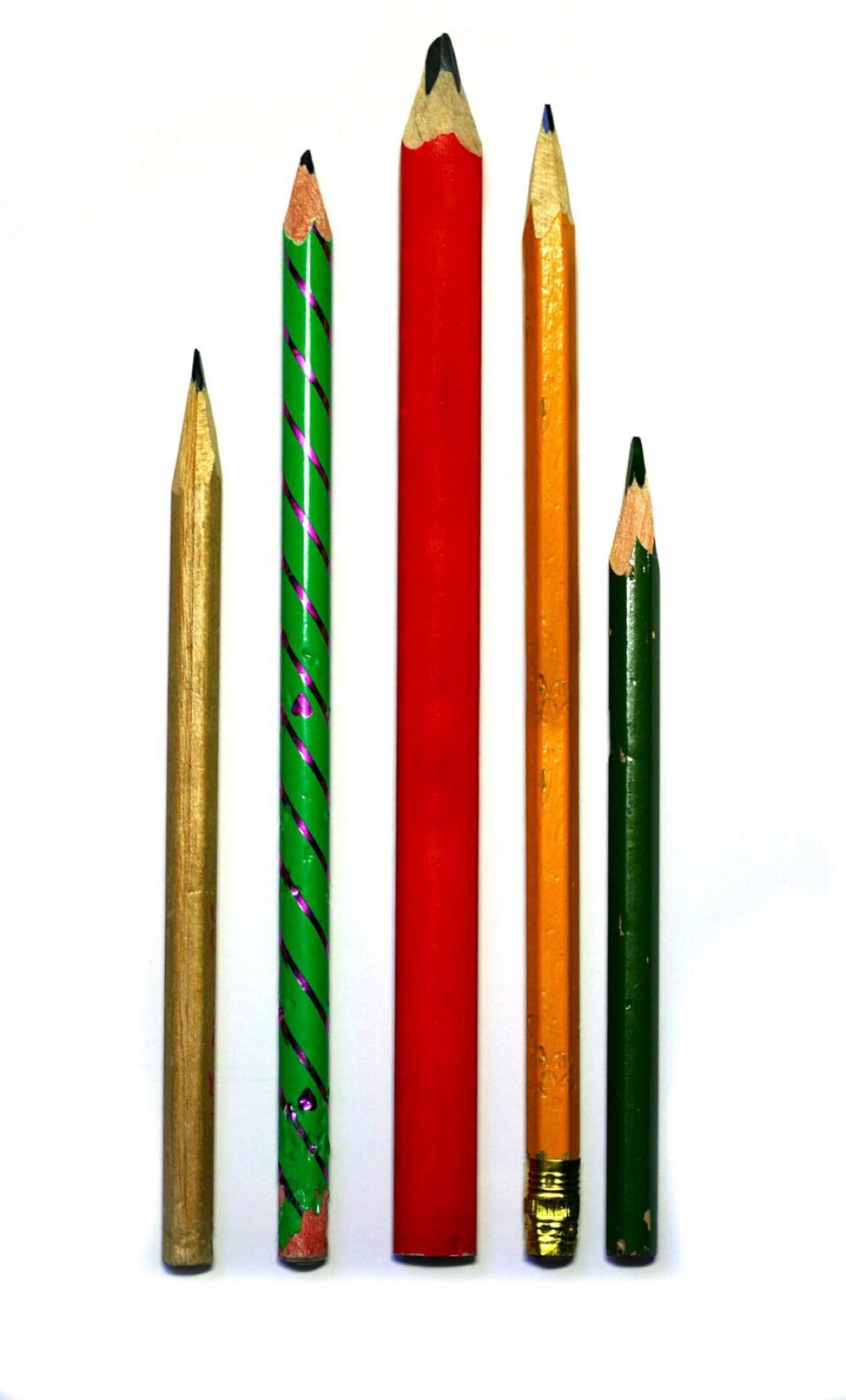
If you treat mini pencils and bulk packs like disposable confetti, you’ll often get crumbly lead, warped wood, and a lot of waste. For classrooms, wedding favours, or resale, you’ll usually get better results by borrowing artist‑grade criteria—centred, break‑resistant lead and clean sharpening—and applying them to cheap stock: favour known brands or at least stable sellers, order a small test batch first, and avoid the absolute rock‑bottom listings with no reviews or photos. Cross‑border marketplaces can be a good source, but only if you layer those checks on top of their review systems instead of trusting low prices alone.
Why Trust Is Tricky With Mini Pencils and Bulk Packs
Mini pencils and big mixed packs have two strikes against them from the start: they’re low‑margin and usually bought by people who don’t plan to look closely. That’s exactly where quality corners get cut.
Well‑made pencils from long‑running brands such as Staedtler typically use high‑grade wood and well‑centred graphite. That combination lets the lead sharpen to a fine point without crumbling and helps it resist breaking under normal pressure. Cheaper bulk pencils often miss at least one of those ingredients. In mini formats, the flaws are magnified because there’s less wood and graphite to work with.
Common problems Australian buyers report with bargain mini or bulk packs:
- Crumbly or scratchy leads. Leads that alternate between too hard and oddly soft, or that feel gritty across the page. Kids press harder to get a mark and snap the core even faster.
- Off‑centre cores. The graphite runs closer to one side of the barrel, so every sharpening gives you a wedge instead of a point. You waste a lot of pencil for very little usable tip.
- Soft, splinter‑prone wood. Poor wood stock can twist or splinter in sharpeners, making mini pencils effectively single‑use because they’re too short to grip once you’ve carved away half the body.
- Wild batch variation. In a 100‑pack, 20 might write acceptably, another 20 barely mark the page, and the rest snap or jam sharpeners.
That might sound like a minor annoyance, but it matters in a few concrete ways:
- Classroom and exam settings. If half the pencils keep snapping, you lose minutes to sharpening and dealing with frustrated students.
- Events and party bags. A wedding or corporate event branded pencil that won’t write makes your brand look cheap, not thrifty.
- Small ecommerce stores. Selling pencil favours or stationery bundles? High defect rates quickly eat into margin and trigger returns, even on low‑ticket items.
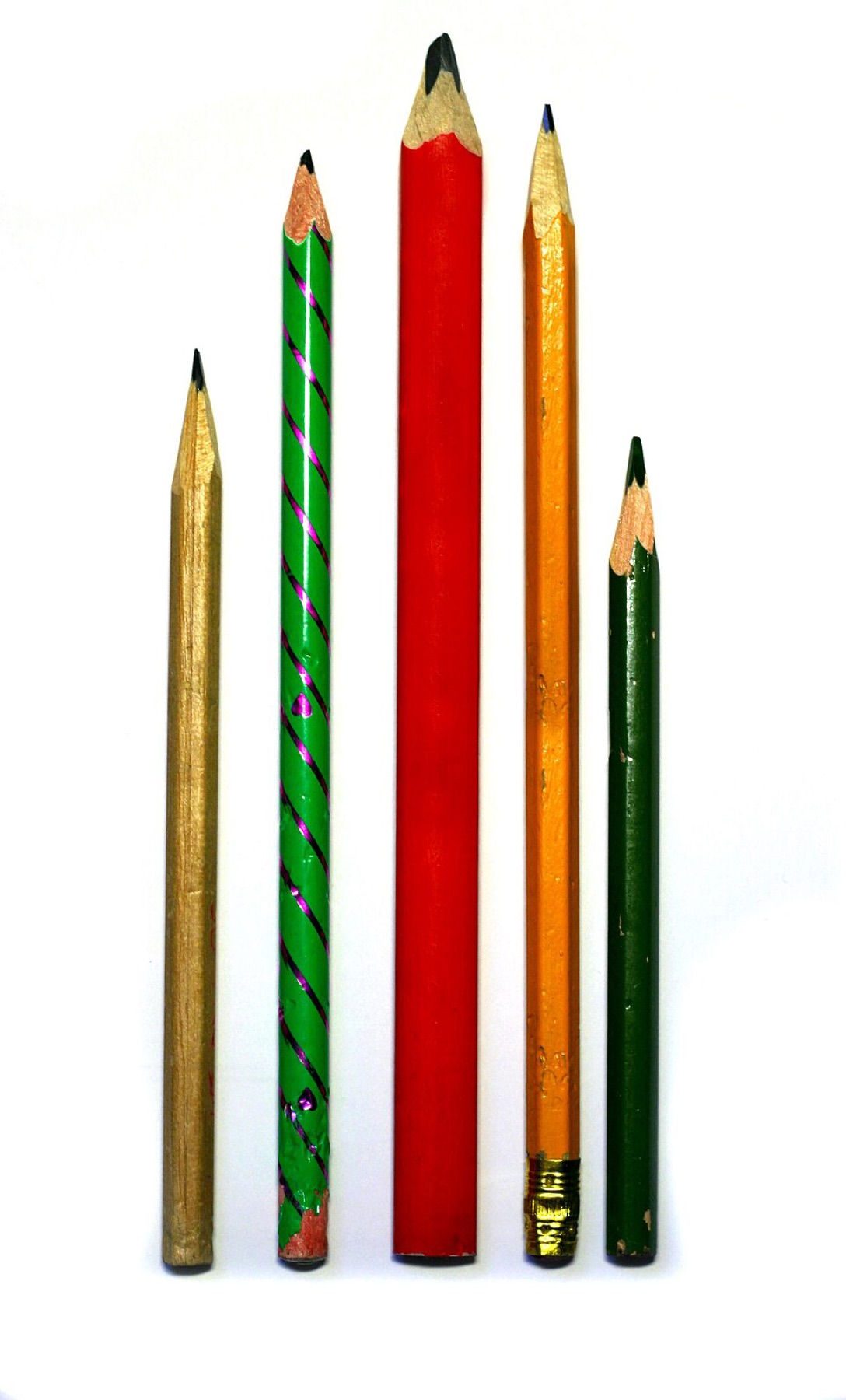
Mini case study: two similar orders, very different outcomes
An Australian party‑supply seller orders two types of stock:
- A half‑length coloured pencil pack from a domestic retailer using a recognised brand with published specs and barcodes,
- A bulk mini coloured pencil mix from an offshore seller, unnamed brand, no reviews, but extremely low unit cost.
The local half‑length pack arrives with consistent colours, standard diameters that work in common sharpeners, and predictable performance. The offshore mini batch arrives with slightly varying diameters, several colours too pale to use, and a high break rate under light pressure. On paper, both are “mini coloured pencils”; in use, one becomes a repeat product, the other an end‑of‑line clearance.
That gap is exactly what the rest of this guide is about closing.
Low‑Drama Ways to Judge Any Mini Pencil or Bulk Pack Supplier
You don’t need a lab to screen suppliers. A mix of brand signals, listing details, and small‑batch testing gets you most of the way there.
1. Use known brands as a quality benchmark
Well‑regarded pencil and mechanical pencil names—Staedtler for wood‑cased pencils, or Pentel, Uni Kuru Toga, and Rotring for mechanical models—are widely treated as consistent and durable. You don’t have to buy those exact brands, but keep them in mind as a benchmark: smooth marks without grit, no random hard spots, and clean sharpening.
Mid‑range pencils are often considered better long‑term value for frequent use because they last longer, feel better in hand, and hold a point more reliably than ultra‑cheap options. If your use case is daily classroom writing, it can be worth paying slightly more per pencil to avoid having half the class queuing at the sharpener.
2. Read listings like a buyer, not a browser
For any platform—local or cross‑border—zero in on very specific clues:
- Lead and wood description. Look for mention of graphite grade (HB, 2B, etc.) and wood type. Vague “environmental wood” with no other detail is a mild red flag at bulk scale.
- Diameter and length. Mini pencils need to be thick enough for small hands but still fit standard sharpeners. Listings that give exact sizes are usually from more serious manufacturers.
- Photos of sharpened tips. A product photo that shows clean, symmetric points suggests better lead centering and wood.
On big cross‑border marketplaces, you’ll often see mini party or classroom packs from unfamiliar suppliers. For example, around 2026-09-22 a listing for a “24 Pack Mini Colored Pencils 6 Colors Each 3.5 Inch Drawing Pencils for Kids Classroom Party Favors” appeared in the Pencils category on a global marketplace. The supplier hadn’t accumulated ratings or reviews. That doesn’t prove poor quality, but it does mean you should treat it as untested stock and only buy in a quantity you can afford to write off after testing.
3. Run a quick physical test on any new batch
Before you commit to large quantities for an Australian classroom or an ecommerce range, test a handful of pencils from each new supplier:
- Sharpening test. Use a decent helical or steel sharpener and time how many turns you need from blunt to sharp point. Watch for splintering, jamming, or off‑centre points.
- Snap test. With normal writing pressure on copier paper, see how often the lead breaks within a few lines. A good core, like the ones praised in long‑running brands, should handle ordinary pressure without repeated snapping.
- Consistency check. Test multiple pencils from the same pack. If they vary a lot in darkness or smoothness, that’s a sign of loose quality control.
If the failure rate feels high in your small sample, treat that supplier as event‑only or novelty‑only stock at best, not something you rely on for exams or long‑term resale.
4. Use marketplaces’ tools—then add your own
On major marketplaces (including DHgate, Amazon AU, and others), do three extra things:
- Filter for sellers with history. Prefer stationery sellers with at least a track record of listings and visible feedback, even if not on the exact mini pencil pack you’re considering.
- Scan photo reviews. Look for buyer photos that show sharpened tips or kids using the pencils; these often reveal issues you won’t see in studio shots.
- Start with a small order. Instead of jumping straight to hundreds of units, place the smallest practical order to test quality.
If you’re focusing on DHgate, combine those habits with platform‑specific checks such as verifying the seller and listing details using a process like the one described in Assess DHgate listing and seller risk. That way, DHgate becomes one source among many, not a single point of failure.
Micro‑checklist: quick trust triage for a new listing
Use this 30‑second pass to rank bulk offers before you spend time digging deeper:
- Named brand you recognise, or clearly generic?
- Lead grade and dimensions specified, or vague promises only?
- At least a few photo reviews, or none at all?
- Supplier selling multiple stationery items, or a random one‑off listing?
Shortlist the offers that score well on at least three of those four points.
How Marketplaces Handle Trust for Bulk Stationery Orders
Large platforms shape risk in two main ways: how they handle your money, and what they let other buyers say about products and sellers. For bulk stationery that’s inexpensive per unit but costly in time and reputation, you should use both angles.
1. Payment flow and why “direct‑from‑website” is riskier
When you buy mini pencil packs from a small overseas website you’ve never heard of, you’re usually wiring money or using a card directly with that business. If the pencils arrive under‑spec—crumbly, off‑centre leads, unusable lengths—your only recourse is that single seller and whatever local laws apply in their country.
On major marketplaces, your payment normally passes through the platform’s system. Without making promises about any specific site’s policies, that setup typically means:
- You have a central place to document issues with an order.
- Sellers depend on maintaining a visible record of good transactions.
That structure nudges behaviour in your favour, especially for repeat‑order products like stationery. But it is not a guarantee that every dispute will resolve the way you want, so you should still behave as if you may need to absorb a bad batch.
2. Reviews, niches, and how much to trust them
For bulk pencils, reviews are useful for spotting patterns but weak for judging fine quality. Many buyers only comment if the order never arrived or if the pencils were obviously defective.
Use reviews best for:
- Logistics patterns (e.g., “half the boxes were crushed”), which matter if you need pristine packaging for resale.
- Obvious defects like “leads won’t sharpen” or “colours barely show up,” which hint at systemic problems.
Then layer in specialist voices. Long‑running pencil reviewers, such as the writer behind The Gentleman Stationer, often highlight everyday pencils that balance durability and price better than trendy premium options. Treat those recommendations as inspiration for the level of reliability you want to approximate, even if you’re buying cheaper bulk alternatives for kids.
3. Why mid‑range often beats ultra‑cheap in real value
For Australian teachers and small ecommerce sellers, the question usually isn’t “What’s the cheapest per‑unit cost?” but “What gives me predictable performance for the budget I actually have?” Mid‑range pencils and credible mini packs often win that tradeoff because you waste fewer units and less time.
Here’s how those tiers tend to compare in practice:
| Pencil tier | Typical use case in AU | Pros for trust | Common risks or tradeoffs |
|---|---|---|---|
| Ultra‑cheap unbranded mini | One‑off party bags, novelties | Lowest upfront cost, easy to customise | High breakage, inconsistent batches |
| Mid‑range bulk classroom HB | Daily school or office writing | Better wood, more consistent cores, less waste | Slightly higher unit price |
| Recognised named brands | Exams, art classes, premium gifts | Strong track record for durability and sharpening | Higher cost, may be overkill for casual giveaways |
That table isn’t a rulebook, but it reflects how many heavy pencil users describe value: the cheapest packs often cost more in frustration than they save in dollars.
If you’re sourcing cross‑border for Australia, the safest path is usually:
- Decide where on that table your use case sits.
- Use marketplace tools and the micro‑checklist to select 2-3 candidate suppliers at that tier.
- Test small batches against the sharpening and snap checks above.
- Standardise on the supplier whose pencils behave most like the reliable mid‑range or branded benchmark in your tests.
Do that once, document which supplier and listing worked, and future mini pencil orders become routine instead of roulette.