
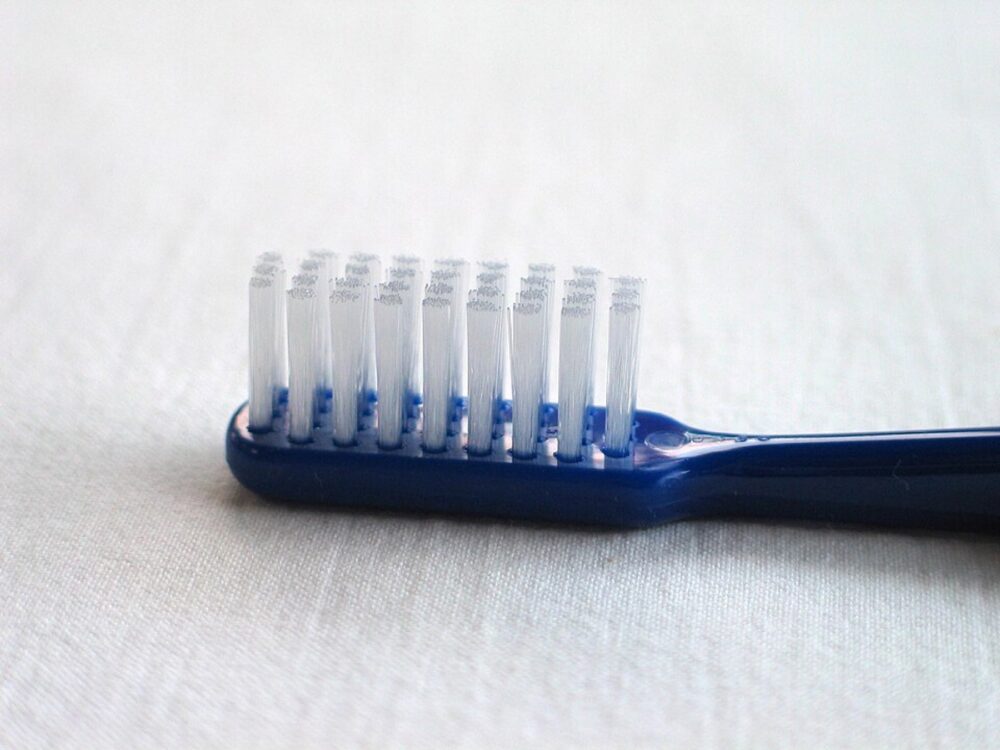
To source “toothbrush images and manufacturers” as a US seller, you actually need two different pipelines: licensed visuals from stock or clipart sites, and physical toothbrushes from brands, wholesalers, or OEM factories. You pick the right mix based on how custom your branding needs to be, how many units you’ll sell, and how risk‑sensitive you are about quality and licensing.
For visuals, most ecommerce businesses license product or lifestyle photos from stock libraries such as Shutterstock, or use free-but-licensed graphics from sites like Magnific and dental-themed clipart libraries (for example Pixabay, Freepik, or Flaticon). For product, you either resell existing brands (Oral‑B, quip, store brands from Amazon or CVS), buy bulk from dental wholesalers such as Quantum Labs, or work with cross‑border factories via marketplaces.
How toothbrush images and toothbrush products travel through the supply chain
Toothbrush imagery and toothbrush manufacturing rarely come from the same vendor.
Imagery supply chain
Most product shots, icons, and clipart you see in ecommerce listings come from:
- Paid stock sites like Shutterstock, which host large libraries of toothbrush photos, 3D renders, and vectors you can license for commercial use under their terms.
- Free-image platforms such as Magnific, which offer toothbrush photos, vectors, and PSD files. These often allow commercial projects, but each file has its own license and possible attribution requirements.
- Dental clipart libraries (Pixabay, Freepik, Flaticon and similar) highlighted in dentist-marketing resources. These are popular for clinic flyers, educational handouts, and kids’ brushing charts. Some allow business use with attribution; others require paid licenses.
That image supply chain is driven by licensing, not physical goods. Your main risk is using an image you don’t actually have rights to, or reusing a brand’s official product photo without permission.
Toothbrush manufacturing and wholesale
The physical toothbrush supply chain looks more traditional:
- Global brands (e.g., Oral‑B, quip) design and manufacture or contract‑manufacture their own brushes, then sell through their sites, Amazon, pharmacies like CVS, and distributors.
- Dental wholesalers like Quantum Labs curate bulk lines for professional buyers. Their catalog is segmented into series such as Pro, Premium, Kids & Juniors, ultra‑sensitive, and even sustainable lines, often in individually wrapped packs sized for dental practices.
- OEM/ODM factories (often in Asia) manufacture unbranded or semi‑branded toothbrushes that can be customized with your logo, colors, and packaging and then shipped to you or a 3PL.
- Retail and delivery platforms including Amazon, CVS, and Instacart mostly serve direct‑to‑consumer needs, but some small sellers use them for micro‑wholesale or test runs.
These supply chains intersect in your ecommerce listing: you might sell a Quantum Labs kids’ toothbrush line but show licensed kid‑friendly toothbrush art from a stock site in your lifestyle banners.
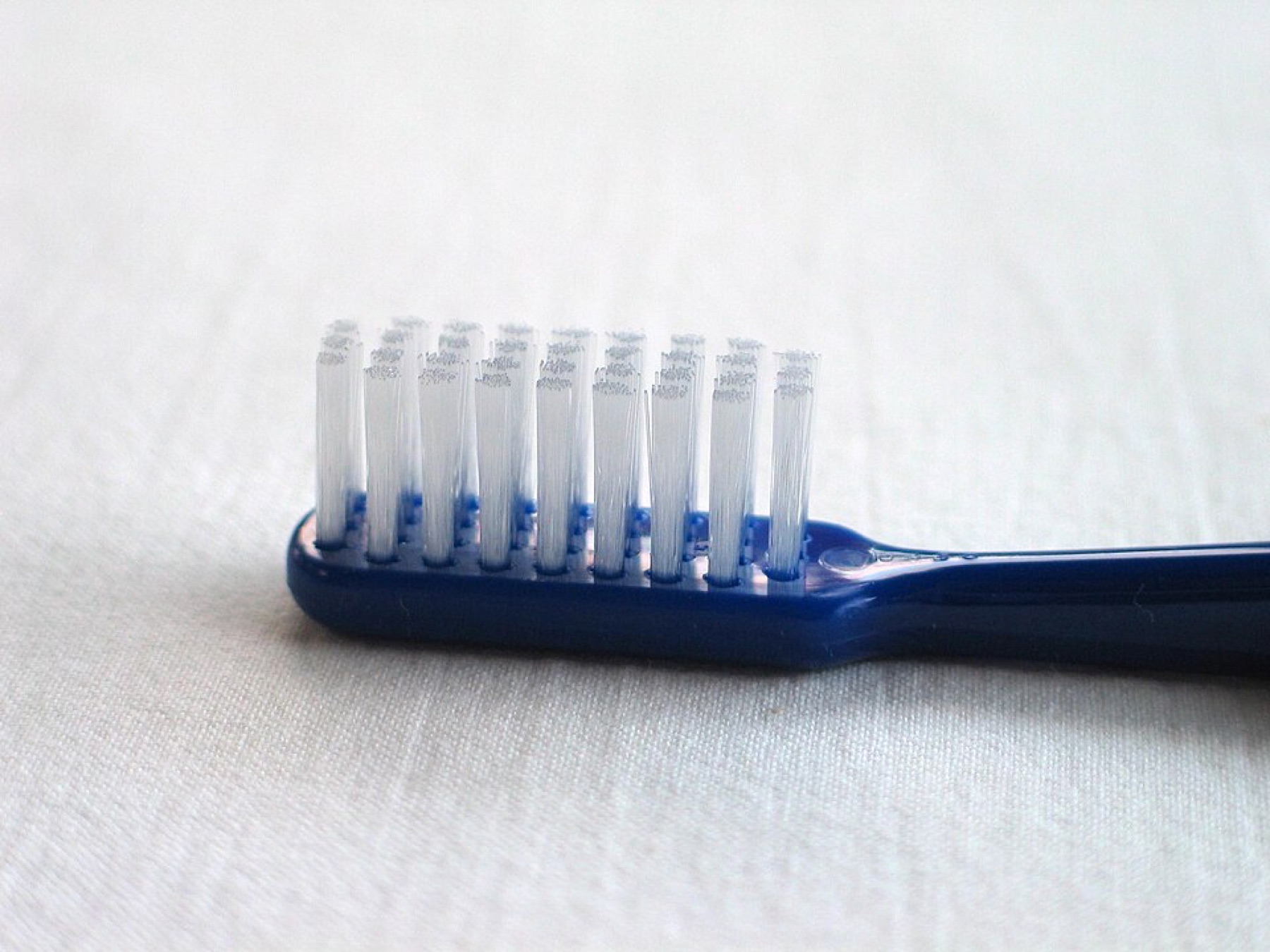
Evaluating toothbrush image libraries and product manufacturers
You want images you can legally use and products that won’t create quality complaints. That means running checks on both sides.
Vetting toothbrush image sources
For any stock, free, or clipart site:
- Confirm commercial rights per file. On Shutterstock, licenses are generally commercial by design, but you still choose between standard vs. enhanced terms based on your use. On free-image platforms like Magnific or clipart sites such as Pixabay, Freepik, and Flaticon, each item may have its own attribution or restriction notes.
- Avoid brand product shots unless you have permission. Using Oral‑B’s official pack shot to sell generic brushes is a trademark and false‑association risk. If you resell branded items, get images through the brand’s reseller portal when available, or shoot your own.
- Prefer high‑resolution source files. Look for 2000px+ on the long edge or vector formats so you can crop for thumbnails, A+ content, and social ads without visible quality loss.
- Check how popular the file is. If a free toothbrush vector appears across dozens of dental clinic sites, it won’t differentiate your brand. For anything brand‑defining (logos, hero banners), consider paid or custom artwork.
For edge cases (huge ad campaigns, packaging, or logo‑like uses), talk to an IP‑savvy attorney. Stock‑site FAQs won’t cover every scenario.
Vetting toothbrush manufacturers and wholesalers
Product suppliers need deeper scrutiny than image sources because you’re touching customers’ mouths and gums. You still shouldn’t make or rely on medical claims without proper support, but you can raise your bar on quality signals.
Use these checks as a starting point:
- Product range and segmentation. Dental wholesalers such as Quantum Labs segment their catalog into Pro, Premium, Kids, sensitive, and eco‑focused lines. A manufacturer that can clearly explain who each line is for and how it differs is usually more organized than a factory pushing a single generic brush.
- Wrapping and presentation options. For clinics, hotels, and events, individually wrapped brushes and small gift sets are common. Some professional wholesalers also offer imprintable options so you can add a practice or brand logo on the handle or packaging.
- Branding capabilities. If you plan private label, ask specifically about:
- Handle color customization and bristle color
- Logo application (pad print, laser etch, etc.)
- Custom packaging (boxes, travel cases, kits)
- Communication hygiene. Keep supplier outreach in writing, ask direct questions, and watch for evasive answers or changing details about materials or lead times.
For US‑facing sales, talk with counsel or a compliance consultant if you plan to market brushes with any medical or performance claims (e.g., “clinically proven to reduce plaque”). That’s beyond standard sourcing due diligence.
Sample outreach email you can adapt
You don’t need a long RFP. A tight email often gets clearer answers:
Subject: Private‑label manual toothbrush inquiry – 2,000-5,000 units
>
Hi [Name],
>
We’re a US‑based ecommerce brand looking for a manual toothbrush manufacturer. Can you please share:
>
• Your available models for soft‑bristle adult brushes, including photos/spec sheets
• Minimum order quantities for custom handle colors and logo printing
• Typical lead time for 2,000-5,000 units after sample approval
• Packaging options (individually wrapped, travel cases, gift box sets)
• Your main export markets today
>
We’d also like to order 10-20 samples of 2-3 recommended models, shipped to [City, State, ZIP].
>
Thank you,
[Your Name]
[Business URL]
MOQ, pricing, customization, and which channels fit
Most toothbrush sourcing decisions boil down to order size, branding needs, and how much control you want over product design.
Typical patterns for MOQs, cost, and customization
Exact numbers depend on the factory, but manual toothbrush sourcing tends to follow this pattern:
- Micro orders (10-200 units). You’re buying retail packs on Amazon or CVS, or small bulk packs from a dental wholesaler. Little to no customization, but fast delivery.
- Small wholesale (a few hundred to low thousands). Dental wholesalers such as Quantum Labs sell case packs of individually wrapped brushes, often in series (Pro, kids, etc.). Personalized handle imprints or logoed packaging may be available at modest MOQs.
- OEM/private label (thousands+). Cross‑border manufacturers often expect higher MOQs for custom colors, molds, or packaging because they have to set up production runs. They may be flexible on first orders if you’re testing a design but will still be above typical retail volumes.
Shipping is a real cost driver. Lightweight manual toothbrushes can be packed densely, but international shipping, duties, and any freight handling fees still matter—especially when you compare them with domestic wholesalers who may charge more per unit but less all‑in once shipping and lead time are considered.
Channels for toothbrush products and visuals compared
Here’s a compact way to think about where each channel fits, both for physical brushes and the imagery you’ll actually show on your listings.
| Channel type | Good for | Imaging approach |
|---|---|---|
| Brand retail (Oral‑B, quip sites) | Reselling recognized brands in small quantities | Use brand‑approved assets or shoot your own |
| US dental wholesalers (e.g., Quantum Labs) | Clinics, hotels, events, promo giveaways | Supplier product shots + your own photos |
| Consumer marketplaces (Amazon, CVS online) | Micro test orders, emergency top‑ups | Use your own listing photos |
| Stock/clipart sites (Shutterstock, Magnific, Freepik, etc.) | Banners, education, icons, not SKU‑level proof | Licensed stock or vectors with clear rights |
| Cross‑border marketplaces (e.g., DHgate) | Multi‑unit lots, exploring OEM/ODM options | Seller photos for evaluation + your own later |
On cross‑border marketplaces such as DHgate, multiple third‑party sellers list toothbrush‑related items—from disposable brushes to bathroom accessory sets. For example, on 2026-09-22 we observed listings like a “2pcs Toothbrush Three-sided Soft Bristle” set in a disposable toothbrush category, plus several toothbrush holder and bathroom accessory bundles, each sold in multi‑unit lots with price ranges per lot. Prices and availability change, so treat these as snapshots rather than fixed offers. If you go this route, combine platform search with seller‑level vetting and, ideally, small trial orders.
If you decide to work more heavily with DHgate suppliers, you can layer the general advice in this article with internal process guides such as finding wholesale suppliers on DHgate, finding DHgate suppliers, and choosing a DHgate wholesale supplier.
Quick scenario sketches
- Small US ecommerce brand testing a toothbrush line on Amazon: Start by reselling existing brands or buying imprintable bulk brushes from a US dental wholesaler. Use your own product photos plus licensed stock images for banners.
- Dental clinic or ortho practice: Buy segmented lines (kids, sensitive, Pro) from a dental wholesaler such as Quantum Labs, and use free dentist clipart from vetted sources (Pixabay, Freepik, Flaticon, etc.) for appointment cards and reminder flyers, checking each file’s license.
- Private‑label DTC brand: Use cross‑border OEM suppliers or marketplaces to identify factories, order detailed samples, and then invest in custom photography and brand‑consistent icons from stock or a designer, so both your images and products are genuinely your own.