
Decide what job you want your oils to do before you open any marketplace tab. For Australian buyers and small ecommerce brands, that usually means choosing between pure essential oils for diffusers or blends, cheaper fragrance oils for candles and soaps, and ready-made products like massage oils or essential-oil soaps. Once your use case is clear, prioritise labels that say “100% pure essential oil” with a Latin plant name for aromatherapy-style use, and compare price per mL across platforms. DHgate can sit alongside local retailers when you’re specifically chasing cross-border multi-packs, big 200-500 ml home-fragrance bottles, or bundles that mix oils with diffusers or packaging.
Start with how you’ll actually use essential oils
“Essential oils” online is a catch-all label. You’ll see at least four different product types under the same search term:
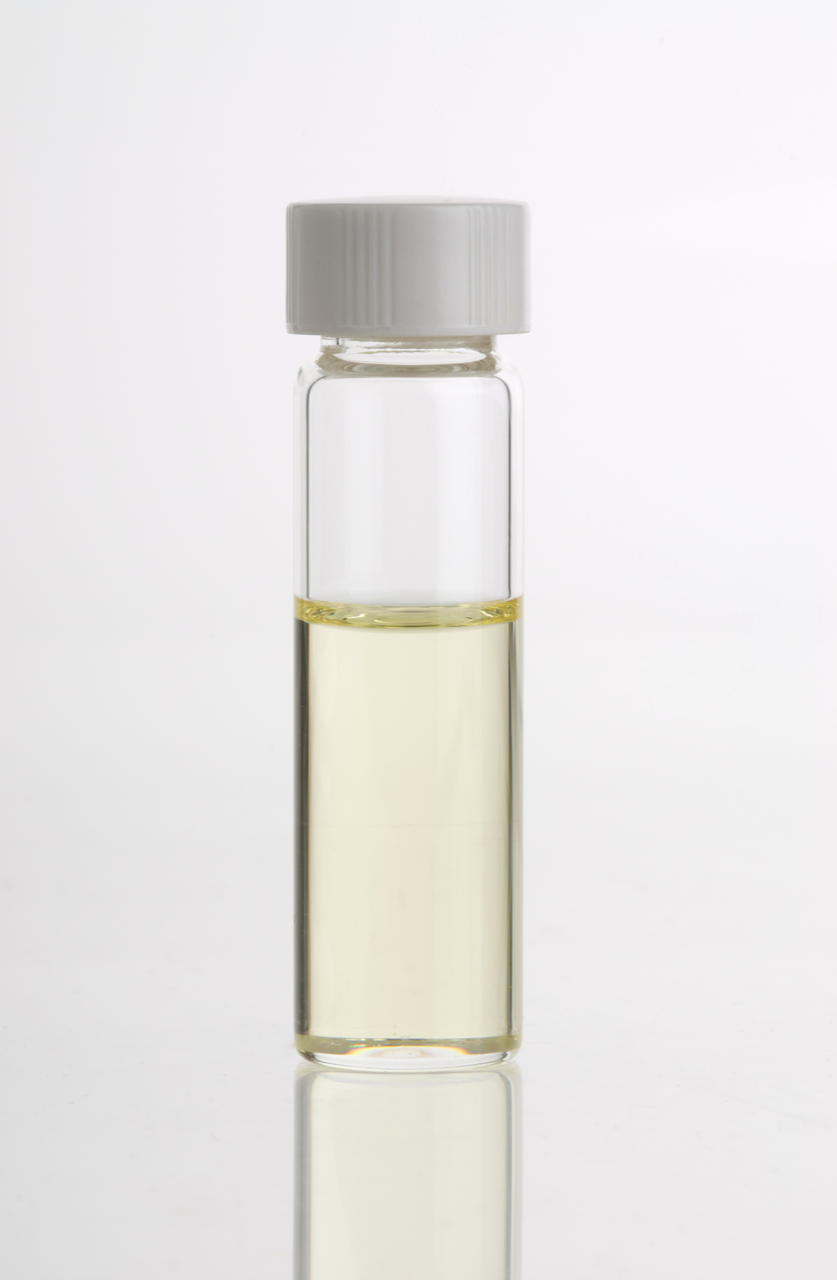
- Pure essential oils – concentrated plant extracts, usually in 5-15 ml bottles, for diffusers, blending, or carefully diluted topical use.
- Blends – multiple essential oils premixed for a scent theme like “relax” or “focus”.
- Fragrance oils – often synthetic or mixed with carrier oils; great for candles and soaps, but not the same thing as pure essential oils.
- Oil-based finished products – soaps, massage oils, scrubs, and skincare promoted as “with essential oils”.
Australian-focused buying guides note that online options vary a lot in purity, origin, and intended use, so you need to match the product to each application instead of grabbing whatever is cheapest. A 10 ml pure lavender oil might be perfect for a diffuser and DIY blends; a 500 ml fragrance oil marketed for “SPA Home Perfume” is better suited to room scenting or candle making; a bar of “essential oil soap” is a finished good to resell, not a formula you can repurpose.
A useful first filter:
- Home scent / diffuser – look at pure essential oils or clear aromatherapy blends.
- Soap, candles, melts – often easier and cheaper with fragrance oils designed for that job.
- Massage or skincare – you may want ready-made massage oils or soaps with clear cosmetic-style labelling.
- Resale or hampers – sets, gift boxes, and accessories matter as much as the oil inside.
Compare essential oil product types by purity, size, and fit
Online, the main product types differ in purity claims, bottle sizes, and best-fit applications. Buyer guides such as this overview of selecting high-quality oils highlight that label wording and ingredients are key.
Product-type snapshot
| Product type | Typical purity claim | Common sizes online | Best uses |
|---|---|---|---|
| Single pure essential oil | “100% pure essential oil” | 5-15 ml bottles | Diffusers, aromatherapy blends, cautious DIY skincare |
| Pre-blended essential oil mix | “100% pure essential oils” blend | 10-30 ml bottles or small sets | Diffusers, mood blends, gift sets |
| Fragrance oil / home fragrance oil | Often not 100% essential; may say “fragrance” or “aroma” | 10-500 ml bottles | Candles, melts, room sprays, reed diffusers |
| Large-format diffuser/candle oils | Similar to fragrance/home oils | 200-500 ml bottles | Hotels, salons, or ecommerce bulk use |
| Finished products (soap, massage oil) | Essential oils appear as ingredients | Bar or bottle sizes | Ready-to-use skincare or gift products |
Two specific quality signals are commonly recommended for pure oils:
- The label or description clearly says “100% pure essential oil”, not just “fragrance”.
- The Latin botanical name appears (for example, Lavandula angustifolia for lavender) rather than just a marketing name.
For Australian buyers making DIY soap or candles, large fragrance or diffuser oils can change the economics. On multi-seller sites you’ll see listings like a 500 ml essential-oil candle-making fragrance aimed at SPA, home perfume, and aroma oil use, or hotel-style 200 ml home fragrance oils. These are usually positioned for room scenting rather than therapeutic aromatherapy, but they can make sense for:
- Small businesses needing consistent scent across a product line.
- Airbnb or salon owners who want a signature room fragrance.
- Market stall sellers building low-cost gift sets.
By contrast, small 4-20 bottle sets of mixed aromatherapy oils suit home diffusers, gift packs, or sampler boxes. If a set is advertised as suitable for a humidifier, diffuser, massage, and skin or hair care in one go, read the description carefully – that kind of broad positioning can signal a general-purpose fragrance or blend, not a carefully formulated cosmetic.
Buying online: quality checks, platform choices, and when to look at DHgate
Once you know which product type you’re chasing, your main online decisions are label clarity, price per mL, and platform fit.
1. Label and description checks specific to oils
When a listing claims to be an essential oil, check that:
- It distinguishes essential oil vs fragrance oil instead of mixing the terms.
- The ingredients or description match the front name (for example, a “patchouli essential oil” that behaves like a single-plant oil, versus a massage blend with multiple components).
- Suggested uses line up with your plan: “for candle making” is different from “facial skin care” or “handmade soap”.
Australian guides stress how much online oils vary in purity and intended use, so treat any multi-use promise (diffuser + skin + soap + candle) as a prompt to slow down and read.
2. How platform types tend to differ
In practice you’ll probably compare:
| Platform type | Typical strengths | Watch-outs |
|---|---|---|
| Specialist Australian retailers | Clear labelling, focus on purity, education on dilution and safe use | Higher price per mL; fewer bulk-style fragrance options |
| Big general marketplaces | Very wide range from premium brands to cheap bulk | Mixed product types in one search; label quality varies a lot |
| Cross-border marketplaces (e.g., DHgate) | Multi-pack sets, larger bottles, accessories and packaging in adjacent categories | Essential oils, fragrance oils, diffusers and packaging often mixed together; you must read titles and descriptions closely |
DHgate is a large global marketplace linking many suppliers, with health and beauty listings that include fragrance and essential-oil-related products. It’s positioned more as a broad sourcing marketplace than a specialist essential oil house, so it’s better treated as one option in a mix, not your only source.
3. DHgate-style listing examples (2026-09-22) and when they fit
On 2026-09-22, a snapshot of DHgate product data showed a typical spread of essential-oil-related products. Titles and prices can change over time, but examples included:
- A 6-piece “100% pure essential oils” set for aromatherapy, humidifiers, massage, diffusers, and skin care in an Essential Oils Diffusers category, around USD 71-73 for the set (6-piece pure essential oils set).
- A 12-bottle 3 ml essential oil set marketed as water-soluble oils for diffusers and humidifiers, roughly USD 33-34 per set (12-bottle 3 ml essential oil set).
- A 500 ml candle-making and diffuser fragrance oil in an Essential Oil category, around USD 19-20 and clearly aimed at SPA, home perfume, and aroma oil uses (500 ml candle-making fragrance oil).
- A multi-box “pure plant fragrance oil” set for candle and soap making and diffusers in an Essential Oils Diffusers category at about USD 21-22 (multi-box fragrance oil set).
- Packaging-only listings, like custom paper drawer boxes labelled for essential oil gift packaging, with unit prices under USD 1 in Custom Packaging categories (essential oil packaging box).
There are also adjacent products such as handmade soaps using essential oils, massage oils, and diffusers (including car vent clips and digital-display units) that reference essential oils in the title.
This mix illustrates two key points for your buying decision:
- Product types are mixed across categories. Essential oil sets, fragrance oils, diffusers, and packaging can sit next to each other. Always read the full title and description before assuming a listing is a pure essential oil.
- DHgate is most relevant where you need sets, volume, or accessories, not single boutique bottles. It’s worth a look if you:
- Want 10-20 small bottles for sampler kits or hampers.
- Need 200-500 ml home-fragrance or candle oils for a small brand.
- Are sourcing packaging for essential oil bottles alongside the oils.
If DHgate is part of your shortlist, treat it like any other large marketplace: compare multiple listings, calculate price per mL (or per unit for packaging), and read reviews where available. For broader context on the platform itself, you can cross-check DHgateWiki’s overview of what DHgate is as a marketplace and, before committing a bigger cart, skim its order-readiness and trusted-seller guidance.
For additional DHgate platform context, use What DHgate is and how the marketplace works, Find trusted sellers on DHgate, and Review the DHgate order-readiness checklist.
For buyers who mainly want a few high-purity aromatherapy oils for home use, a specialist Australian retailer or well-reviewed brand on a large marketplace may feel more straightforward. For small ecommerce businesses experimenting with scent lines, gift sets, or packaging, adding DHgate to your search for multi-packs, large bottles, and accessories can open up extra options—as long as you keep your product type, use case, and price-per-mL maths clear.