
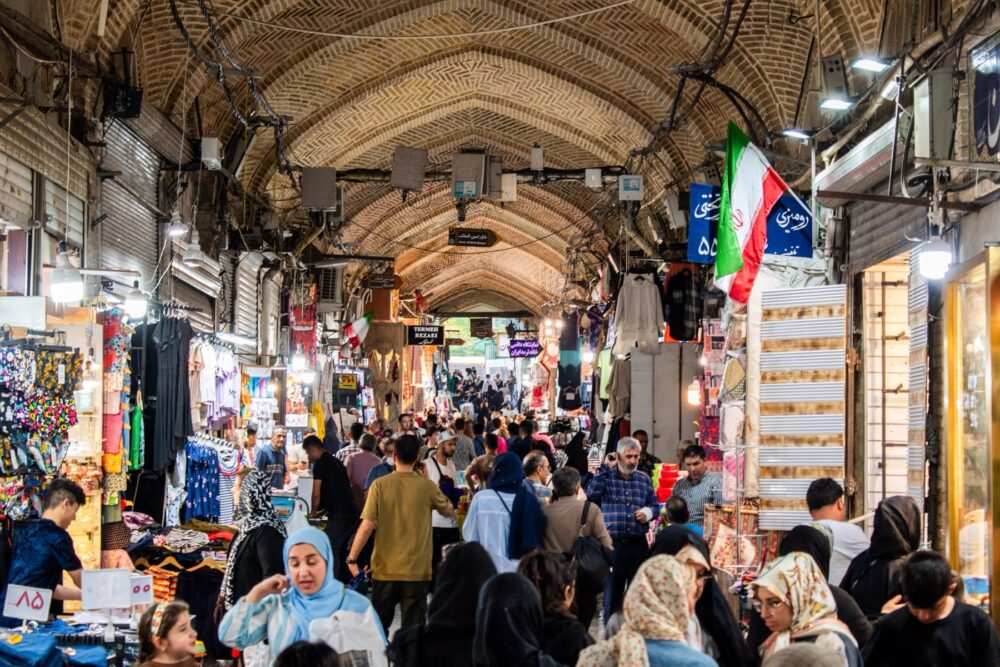
If you’re looking for alternatives to bazaarshop.cc, you don’t need another mystery site—you need the right type of marketplace for the purchase you’re making.
Core idea: pick from large general retailers (for speed and support), niche bazaar-style platforms (for unique items), or established cross-border marketplaces (for lower sourcing costs when you can tolerate complexity and risk). The best option depends on whether you’re chasing a one-off deal, a specific fashion aesthetic, or inventory for resale.
Most online “bazaar” shops fall into four buckets:
- General retail marketplaces – Amazon and similar sites aggregate millions of sellers but feel like mainstream stores. They prioritize broad selection and fast shipping on everyday goods. These are usually better than obscure bazaars for urgent, single-item purchases.
- Auction and resale platforms – eBay and Facebook Marketplace let individuals and small sellers list new or used items. They’re closer to a digital flea market: prices vary widely, and you’ll see both bargains and junk.
- Handmade / niche fashion marketplaces – Etsy, Depop, Poshmark, and ThredUp operate more like curated bazaars. Etsy emphasizes handmade and vintage; Depop leans streetwear; Poshmark and ThredUp focus on designer and thrift clothing. These are often the best substitutes when you wanted bazaarshop-style unique or secondhand fashion.
- Cross-border shopping and sourcing marketplaces – Sites like AliExpress give global buyers access to mostly China-based sellers, often at lower unit prices but with longer shipping times and more variance in quality. These are closer to the idea of a traditional overseas bazaar: tempting prices, wide variety, and non-trivial risk.
The choice you’re really making is between low friction (familiar platforms, clearer returns) and low prices and variety (bazaar-style or cross-border sellers) while staying inside your own risk tolerance.
Popular Marketplace Options: General, Niche, and Cross-Border Alternatives
Here’s a compact comparison of popular platforms you might use instead of bazaarshop.cc, based on typical US buyer scenarios.
| Marketplace type | Example platforms | What they’re good for | Trade-offs vs bazaar-style sites |
|---|---|---|---|
| General retail | Amazon | Everyday products, fast delivery, one-off needs | Less quirky selection; prices not always the lowest, but generally simpler processes |
| Auction / resale | eBay, Facebook Marketplace | Used goods, collectibles, local pick-up | Quality varies a lot; more negotiation and manual vetting |
| Handmade / niche fashion | Etsy, Depop, Poshmark, ThredUp | Handmade crafts, vintage, streetwear, designer resale | Smaller scale than giant retailers; more dependence on individual seller reliability |
| Cross-border shopping | AliExpress and similar platforms | Cheap accessories, fashion, gadgets, small batches for resale | Longer shipping, customs risk, and more effort verifying sellers and products |
General marketplaces (Amazon) If you originally landed on bazaarshop.cc for a basic consumer product—phone case, kitchen tool, office gadget—your safest switch is usually a mainstream marketplace. Shopify’s overview of selling sites highlights Amazon and eBay as core destinations for both buyers and sellers, which reflects their reach and maturity in the US retail ecosystem. Shopify’s marketplace guide is written for sellers, but the same platforms are reliable choices for buyers who care about speed and predictable processes.
Auction/resale hubs (eBay, Facebook Marketplace) For one-off vintage items, used electronics, or local furniture, auction and resale platforms feel like a digitized bazaar. eBay offers global reach and a long tail of niche categories; Facebook Marketplace and similar local sites are strong for bulky or low-value items where shipping would kill the deal. These are useful when you’re comfortable doing more manual checking—reading listings closely and messaging sellers—because condition and authenticity can vary.
Handmade and niche fashion bazaars (Etsy, Depop, Poshmark, ThredUp) DHgate’s editorial blog and other sources point to Etsy, Depop, Poshmark, and ThredUp as good hunting grounds for unique clothing and handmade pieces. One DHgate article notes that Etsy excels at handmade and vintage, Depop focuses on streetwear, Poshmark on designer fashion, and ThredUp on thrifted clothing.Discovering Hidden Gems: Where to Shop for One-of-a-Kind, Unique Clothing Pieces describes how these marketplaces help shoppers find niche styles.
These platforms suit you if:
- You’re buying low- to mid-priced unique items (art prints, jewelry, small-batch apparel).
- You care more about individuality than having a branded big-box experience.
- You’re willing to check each shop’s reviews and photos, since quality and fulfillment are seller-specific.
Cross-border bazaars (AliExpress and similar) For US buyers or small merchants looking for very low per-unit prices on fashion, accessories, or small electronics, cross-border marketplaces like AliExpress operate as huge online bazaars. A DHgate blog piece on Etsy alternatives frames AliExpress as a route for unique products from China-based sellers, especially at smaller order quantities.Top 15 Etsy Alternatives Website For You Choose highlights AliExpress as a platform where sellers can reach buyers worldwide.
These options become more attractive as your focus shifts from “I need this next week” to “I want rock-bottom prices and can wait, or I’m testing inventory for my store.” The flip side is more variability in product quality, longer transit, and more steps if something goes wrong.
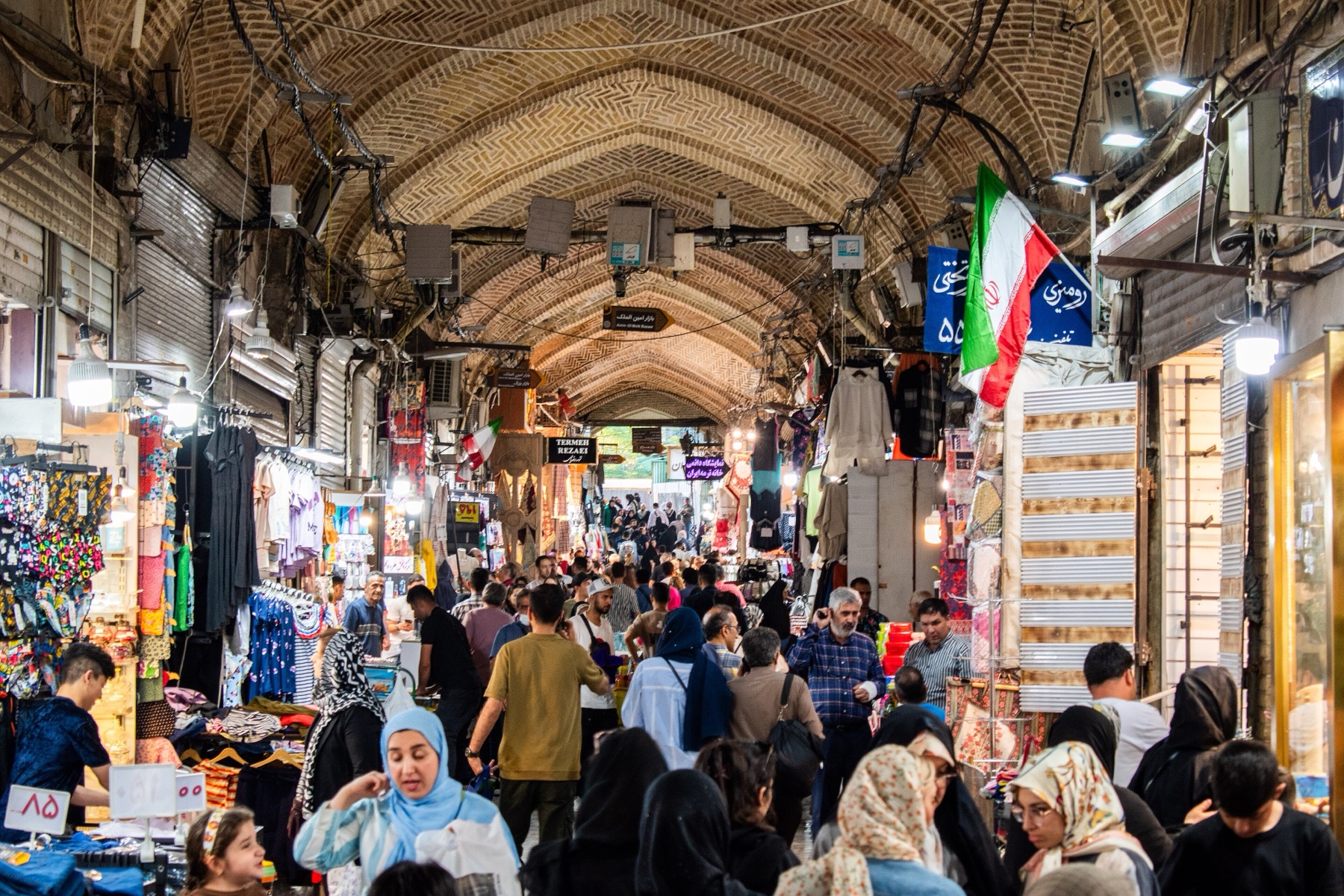
Matching Marketplaces to Buyer Profiles and Risk Tolerance
The right alternative isn’t the “best marketplace overall”; it’s the one that fits what you’re doing and how much hassle you’re willing to accept.
1. US personal buyer: I just want a good deal without drama
Best fit: General retail or well-known resale platforms. If you’re replacing a bazaarshop.cc purchase like a phone charger, clothing basics, or home goods, start with Amazon or eBay listings from clearly established sellers. The odds of straightforward delivery and support are better than on tiny, under-documented bazaar sites.
Use these practical filters:
- Limit yourself to sellers with substantial feedback and detailed product photos.
- Stick to items where a small price difference doesn’t justify major shipping or dispute headaches.
2. Style-focused buyer: hunting for unique or secondhand fashion
Best fit: Etsy, Depop, Poshmark, ThredUp. For the “bazaar” feeling of discovery, these platforms typically beat random sites like bazaarshop.cc because their entire model is built on individual sellers running micro-boutiques.
You can:
- Search by aesthetic keywords (“Y2K,” “vintage 90s,” “cottagecore”) and filter by size and price.
- Compare seller portfolios—how consistent their photos, descriptions, and customer feedback are—before you commit.
This gives you bazaar-like variety with somewhat clearer community norms and rating systems than a standalone shop.
3. Small ecommerce business: sourcing inventory or test batches
Best fit: Cross-border marketplaces and established wholesale channels. If you’re using bazaar-style sites to source inventory cheaply, it’s worth stepping back and deciding whether you want a true sourcing marketplace.
- For small test orders of fashion, accessories, or general merch, platforms like AliExpress can work as a bridge between retail and wholesale.
- For more deliberate importing from China, marketplaces that connect buyers to manufacturers—including DHgate—are options, as long as you treat each seller as its own business to review.
A neutral way to think about DHgate here: it’s one of several cross-border platforms where US buyers can contact overseas sellers for bulk or semi-bulk purchases. To use it rationally, you’d browse categories relevant to your store, then vet each seller’s catalog, ratings, and communication quality before placing any serious order. DHgateWiki’s overview at What DHgate is and how the marketplace works explains that structure in more detail, and the comparison at Compare DHgate with AliExpress, Alibaba and Temu can help you decide if this channel fits your sourcing style.
In all cross-border scenarios—whether AliExpress, DHgate, or similar—you’re trading convenience and speed for access to lower prices and a broader supplier base. That trade-off can make sense for a small ecommerce business with planned buying cycles, but it’s rarely worth it for a one-off consumer purchase you’d otherwise have made on a familiar US site.
The practical rule of thumb: use mainstream marketplaces for everyday needs, niche bazaar-style platforms for unique fashion or handmade goods, and cross-border sites only when you’re consciously stepping into sourcing or price-driven experimentation. Treat unknown shops like bazaarshop.cc as a signal to pause and ask which of those three routes actually matches your risk tolerance and goals.