
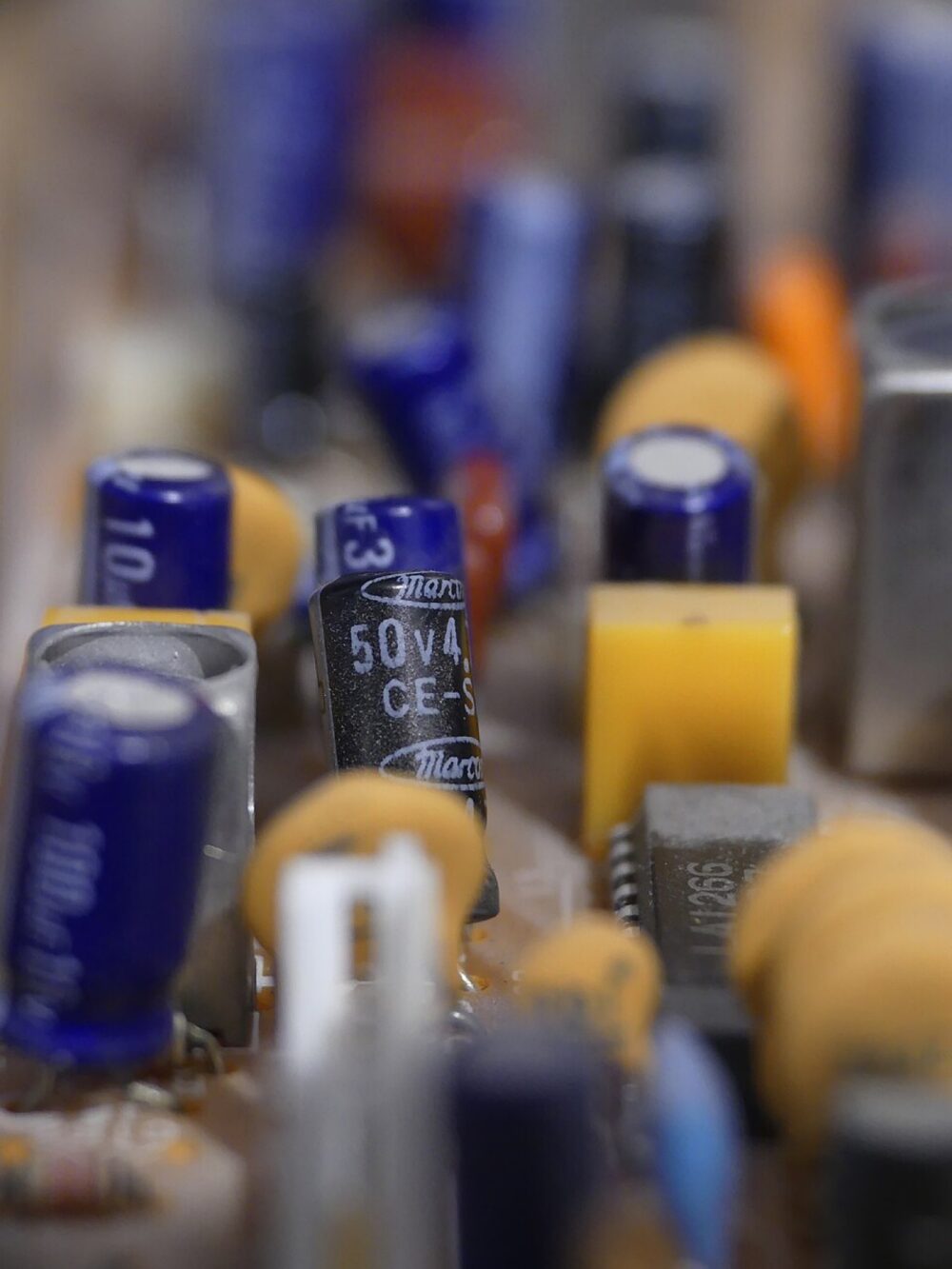
If you’re buying electronic components online for US projects or resale, your best protection isn’t a magic “safe site” — it’s choosing the right supply channel for your order size and then vetting each supplier for traceability and genuine parts. In practice that means: use authorized distributors or distributor search engines for any safety‑critical or production work; reserve open marketplaces and cross‑border OEMs for non‑critical, mechanical, or custom parts where the risk is easier to manage.
This guide focuses on three decisions: where in the supply chain you buy (distributor, marketplace, or manufacturer), how you vet suppliers for authenticity and reliability, and how you match channel to your minimum order quantity (MOQ), timeline, and budget.
How the Electronic Components Supply Chain Works and Where Online Platforms Fit
For sourcing, it helps to separate three broad types of parts:
- Core electronic components – resistors, capacitors, diodes, transistors, ICs, sensors and similar building blocks.
- Electronics‑adjacent hardware – enclosures, connectors, fasteners, heatsinks, packaging, and distribution boxes.
- Custom or non‑standard parts – CNC‑machined brackets, molded plastic shells, or bespoke semiconductor housings built to your drawing.
Most online supply routes sit in one of these roles:
- Authorized distributors like Mouser Electronics and Digi‑Key are large distributors with extensive catalogs covering millions of components across categories and package styles. They aggregate many manufacturers in one place, making them a go‑to route for design, repair, and small‑batch production.
- Specialized and hobbyist suppliers such as Arrow, Newark, Jameco, or SparkFun focus on industrial, engineering, or maker segments. They often bundle parts into kits or curate commonly used modules for faster prototyping.
- Search engines for components such as Octopart and TrustedParts aggregate data and inventory from multiple authorized distributors. You search by part number and see options across distributors, with pricing, availability, and datasheets.
- Marketplaces and OEM manufacturers – global marketplaces list many industrial and mechanical parts, and small to mid‑size manufacturers offer custom machining, molding, or electrical assemblies based on your specs. These are common routes for enclosures, non‑standard hardware, and custom fixtures.
Authorized distribution is designed around traceability and consistent quality. Marketplaces and direct OEMs can be cost‑effective, especially cross‑border, but they shift more responsibility onto you to verify that what you receive is truly fit for electronic use.
Evaluating Online E‑Component Suppliers: Reliability, Authenticity, and Communication
For electronic components, a bad supplier isn’t just an inconvenience — counterfeit or substandard parts can fail in the field or, in power and automotive applications, create safety risks. Your vetting needs to be more technical and documentation‑driven than for generic consumer goods.
What a credible component supplier usually offers
Look for signals that are specific to parts, not just generic “good reviews”:
- Breadth across key categories – a serious supplier typically carries a wide selection of resistors, capacitors, semiconductors, connectors, sensors, and more, plus multiple package styles (through‑hole, SMD, different case sizes). This suggests they’re plugged into mainstream distribution rather than opportunistic surplus.
- Datasheets and technical documentation – listings should link or at least name manufacturer part numbers, electrical ratings, tolerances, and temperature ranges. If you can’t match their description to a known datasheet, you can’t really design around it.
- Traceability cues – authorized distributors and established suppliers will clearly name the manufacturer and indicate if a part is new, surplus, or refurbished. For marketplaces or smaller shops, ask directly for photos of reel labels, lot codes, or COA (certificate of analysis) where relevant.
Supplier vetting checklist tailored to components
When you evaluate a new supplier, especially outside the big distributors, use questions like these:
- Can they identify the exact manufacturer and part number for each item, not just a generic “IC chip” description?
- Do they understand ESD handling and packaging (for semiconductors and sensors) and describe how parts are packed and shipped?
- Are they willing to ship small samples first, and do those samples arrive in line with the claimed specifications when you bench‑test them?
- Is support responsive and technically literate — can they answer basic clarification questions about voltage ratings or tolerance bands without vague language?
Conversely, treat these as red flags in electronic components:
- No part numbers or mismatched numbers versus photos.
- Vague claims like “high‑quality chip” with no manufacturer named.
- Refusal to provide extra photos of labels or reels.
- Price that is dramatically below authorized distribution for a still‑current, high‑demand IC, with no clear explanation (e.g., clearly marked as pulls or surplus).
For a small US ecommerce business re‑bagging hobbyist kits, you can combine approaches: source critical ICs, regulators, and power parts from authorized distributors, then use lower‑risk suppliers for simple passives, LED assortments, or mechanical brackets after sampling and testing.
Choosing the Right Sourcing Channel and Order Terms for Your Component Needs
You don’t have to commit to just one route. Most practical strategies mix channels depending on what you’re buying and how many units you need.
Here’s a compact comparison that reflects how channels typically fit small US buyers and cross‑border sourcing decisions:
| Channel type | What it’s best for | Typical MOQ flexibility | Risk profile for authenticity |
|---|---|---|---|
| Authorized distributors (e.g., Mouser, Digi‑Key, Newark) | Core electronic components, safety‑critical or production parts | Often low MOQs on many lines; good for prototypes and small runs | Lowest; strong traceability and documentation |
| Hobbyist/curated suppliers (e.g., SparkFun, Jameco) | Kits, modules, education and maker parts | Very flexible; sold by piece, kit, or small packs | Generally low for their curated catalog, but still verify specs |
| Distributor search engines (Octopart, TrustedParts) | Finding stock and pricing across many authorized distributors | Depends on the distributor you ultimately buy from | As low as the distributors they list; use this to avoid gray‑market parts |
| Marketplaces / custom OEM manufacturers | Enclosures, distribution boxes, mechanical parts, custom plastics or metalwork | Often negotiable; can be favorable for bulk or recurring orders | Highly variable; you must vet each seller and product individually |
Matching your scenario to a channel
- Hobbyist or small-run project – use authorized distributors for active components and power parts; you can still keep costs reasonable with low MOQs and budget lines. supplement with hobbyist suppliers for breakout boards and sensors.
- Small ecommerce business selling DIY kits – lock in reliable supply of microcontrollers, regulators, and connectors through distributors found via Octopart/TrustedParts, then explore curated hobbyist suppliers for educational modules. For custom brackets or packaging, consider vetted OEMs.
- OEM or startup building production units – keep core BOM components in authorized distribution or direct from the manufacturer. Use marketplaces only for mechanical or non‑electrical hardware after qualifying suppliers and running incoming inspection.
Where marketplaces like DHgate may fit — and where they don’t
DHgate is one example of a global marketplace where you’ll find a mix of industrial and mechanical parts alongside unrelated consumer goods. Around a research date of 2026-09-21, a snapshot of DHgate listings shows several electronic‑related or adjacent products, such as:
- Custom Made High Quality Semiconductor Components by Direct Sales Manufacturer – a machining‑category listing advertising custom semiconductor components at a listed range of about $1005.03 USD per order.
- High-quality packaging base for electronic components – anti-static material base (base + cover) – packaging for components, priced in a range of roughly $72.37–$97.83 USD.
- Price consultation, customized PVC accessories, injection molding processing, plastic products, ABS shell, electronic parts, plastic shaped parts – custom plastic shells and accessories suitable for housing electronics, around $13.42–$16.78 USD.
Prices and availability on these listings can change, and none of them are inherently vetted or endorsed. If you use a marketplace route like this, treat it as a way to source mechanical or custom housings, distribution boxes, or packaging — not a primary source for critical ICs or safety‑relevant active components.
For marketplace suppliers, tighten your process:
- Treat every seller as unique: review their history, ask for drawings, materials data, and photos of past work.
- Keep orders separated: don’t mix critical semiconductors with custom machining on the same supplier until they’ve proven themselves.
- Start with small, sample‑size orders and check tolerances, fit, and material quality before committing to bulk.
If you decide a marketplace is useful for your mechanical or packaging needs, you can also cross‑reference general marketplace‑sourcing advice at Find wholesale suppliers on DHgate or Find DHgate suppliers for more detail on seller evaluation and communication. But for electronic components themselves, authorized distributors and the search tools that aggregate them remain the safer default for US buyers.