
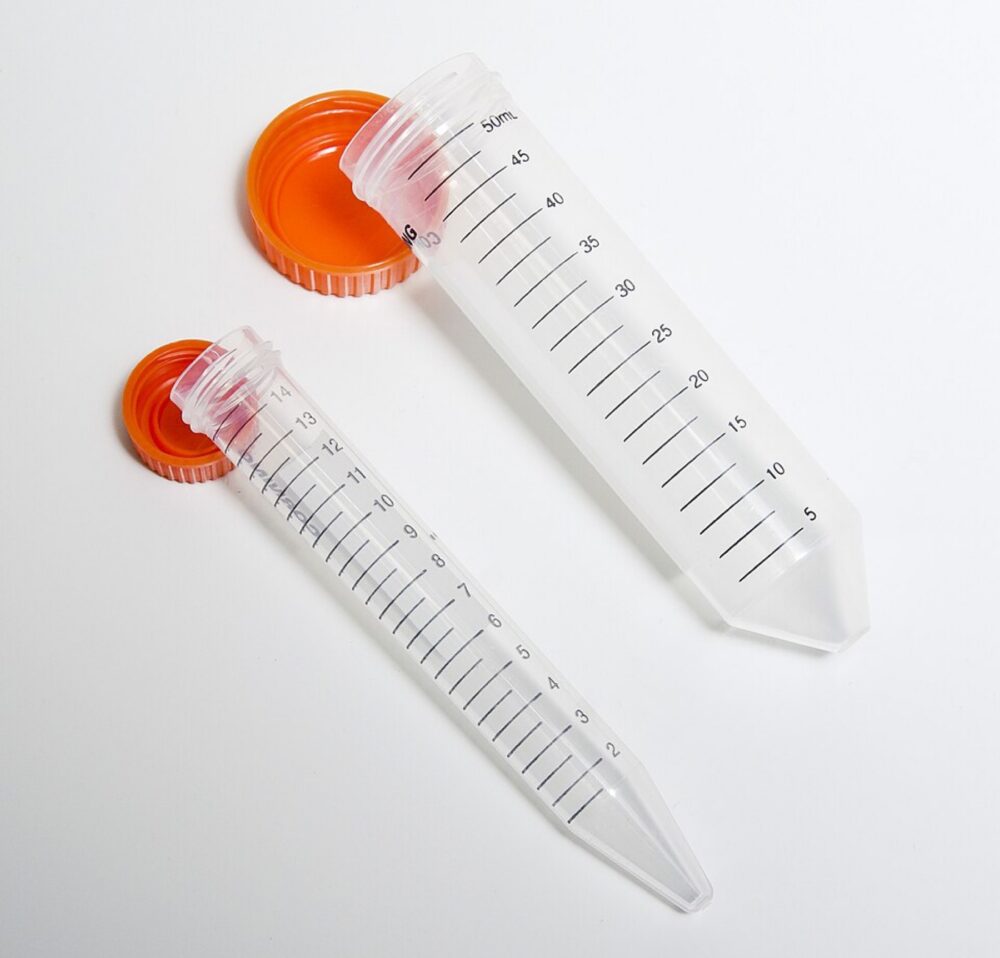
You can use DHgate as a sourcing channel for 50 mL Falcon‑type centrifuge tubes, but only if you treat every listing as unvetted: you must verify materials, specs, and seller behaviour yourself and then decide whether that risk profile fits your application. For anything safety‑critical, regulated, or where your experiments or customers rely on validated labware, specialist lab suppliers or well‑established marketplaces will usually be the lower‑risk choice.
Why trust checks matter more for 50 mL Falcon‑type centrifuge tubes
A “Falcon tube” in lab slang usually means a 15 mL or 50 mL conical plastic centrifuge tube with a screw cap. That simple label hides a lot of variables that affect safety and performance. Guidance from lab‑supply sources notes that material choice (e.g., polypropylene vs PET), wall thickness, and cap design strongly influence whether a tube survives high g‑forces, resists cracking, and stays leak‑proof under spin and storage.
On loosely vetted cross‑border marketplaces, those variables are often underspecified or mislabelled. A listing might show a lab photo but actually offer PET tubes intended for packaging, not centrifugation, or tubes with thin walls that deform under load. In practice, that can mean:
- Tubes failing at high RPM, damaging rotors or spilling biohazardous samples.
- Mis‑matched dimensions that don’t fit your rotor buckets or tube racks.
- Inconsistent plastic quality leading to extractables or contamination that ruin assays.
Specialist retailers selling Falcon‑compatible tubes recommend matching exact catalogue numbers and specifications, then validating the tubes in your own centrifuge, rotor, and racks before broad adoption. That discipline is hard to maintain if you treat low‑detail listings as equivalent labware.
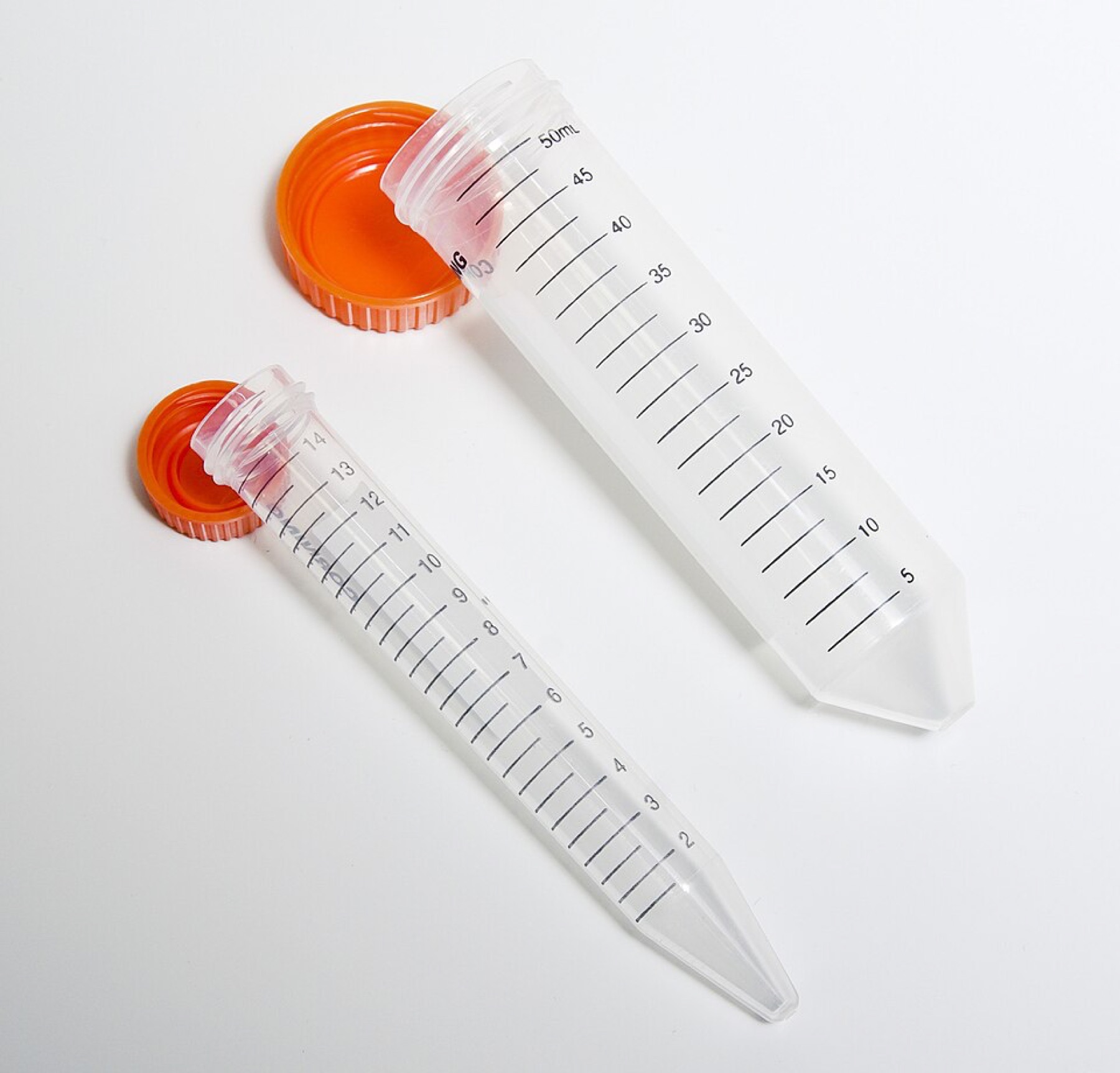
A small ecommerce seller faces reputational risk on top of lab risk. If your store markets “Falcon‑type 50 mL centrifuge tubes” and customers receive flimsy packaging tubes, you wear the returns, negative reviews, and possible safety liability. That’s why trust checks here are not about perfectionism; they are about avoiding structural risk baked into the supply channel.
Universal checks for cross‑border centrifuge tube sourcing
1. Match materials and specs, not just photos
Use product details to answer concrete questions:
- Material: Is it clearly stated as polypropylene (PP) or PET? PP is standard for many lab centrifuge tubes; PET is common in packaging. If the listing is silent, that’s a red flag.
- Capacity and dimensions: Does it explicitly say 50 mL, conical or flat bottom, and give length/diameter? Compare against a known Falcon spec or a lab supplier’s data sheet.
- Max RCF/RPM: Any claim about “high‑speed” use should specify a maximum g‑force or RPM. Lack of this information doesn’t prove the tube is weak, but it does mean you can’t safely assume performance.
- Cap and seal type: Screw cap, snap cap, gasketed? Lab‑oriented guides highlight that cap design and fit are key to leak‑proof performance.
Rule of thumb: if a cross‑border listing doesn’t at least state material, volume, and whether it’s meant for centrifugation, treat it as a packaging tube, not labware.
2. Demand lab‑relevant certifications or at least basic claims
Specialist Falcon alternatives often specify sterility (gamma‑irradiated vs non‑sterile), DNase/RNase‑free status, and whether tubes are pyrogen‑free. Many low‑cost listings won’t, but you can still ask the seller for:
- A basic statement of intended use (laboratory centrifugation vs storage or packaging).
- Any available test reports or certificates (even if they’re not globally recognized standards).
If you need tubes for regulated clinical or diagnostic use in Australia, cross‑border marketplaces are rarely the right place to start; local lab suppliers or trusted distributors will align better with documentation expectations.
3. Design a small validation run
Advice from Falcon‑alternative sellers stresses testing tubes in your own setup before wide deployment. That ethos is critical here:
- Order the smallest practical lot.
- Test in your actual centrifuge, rotor, and racks at the g‑forces you plan to use.
- Check for: cracking, cap loosening, leak‑through, readability of graduations, and fit in racks.
For a small ecommerce business reselling tubes, you can turn this into a simple QC protocol: hold initial stock for your own tests before listing, then use that experience to decide whether to reorder or switch supplier.
4. Payment and documentation discipline
Regardless of platform:
- Keep all communication and photos within the platform’s messaging system where possible.
- Save listing screenshots with specs at order time, so you can show if what arrived differs.
- Avoid off‑platform payment methods that weaken your ability to contest a problem.
These habits don’t fix a bad tube, but they improve your leverage when a shipment doesn’t match the described product.
Query-time DHgate listing example
Observed on 2026-09-21, Mini 1.5ml Centrifuge Tube with 10 Test Tubes Transparent Plastic with Gaskets Container Scientific Laboratory Testing Access appeared in Lab Supplies. This is a time-bound, illustrative listing example; availability and listing details may change. Compare the stated specifications and order a sample before considering a larger purchase.
How DHgate’s trust signals compare for 50 mL centrifuge tubes
DHgate deserves a specific look because it sits between consumer marketplaces and B2B platforms: you’ll find lab‑looking tubes, but trust signals are often thin. DHgate’s own editorial blog suggests buyers look beyond star ratings to recent reviews, photo reviews, and how sellers respond to negative feedback, and to treat detailed product pages with original photos and specs as more credible. That’s useful guidance, but for 50 mL tubes the raw material on DHgate can be sparse.
DHgate listing snapshot (2026-09-21)
Around 2026-09-21, we checked several DHgate labware listings that are either 50 mL tubes or closely related:
| Listing (DHgate) | Category (DHgate) | Price range (USD) | Reviews visible | Notable observation |
|---|---|---|---|---|
| 10PCS/50ML Plastic Transparent Laboratory Centrifuge Tube… | Lab Supplies | 41.85-42.93 | 0 | Lab‑style title and specs, but no buyer feedback or seller rating shown. |
| 50ML Clear Plastic Screw Cap Flat Bottom… | Lab Supplies | 42.36-43.45 | 0 | Freestanding 50 mL tube with screw cap; again, no reviews. |
| 15Pcs PET 50ml Transparent Plastic Test Tube Bottle… | Lab Supplies | 46.41-47.60 | 0 | PET tubes marketed more like containers (candy, bath salts), not centrifuge tubes. |
| Laboratory Lab Plastic 50 Sockets 1.5ml Centrifuge Tube Stand Holder Box | Lab Supplies | 32.51-33.35 | 0 | Accessory rack; implies seller focuses on generic lab plastics, but still no rating/reviews. |
| 100pcs 2ml Centrifuge Tube with Round Bottom Polypropylene… | Lab Supplies | 25.39-26.05 | 0 | States polypropylene and graduated, yet buyer feedback is absent. |
Listings and prices can change at any time. The consistent pattern in this snapshot is the absence of public reviews and ratings on lab‑style listings. That doesn’t prove products are bad, but it means you can’t lean on crowd feedback the way you might for consumer goods.
Using DHgate’s editorial tips in a lab context
DHgate’s blog on trusted sellers suggests focusing on:
- How long a seller has been active and their transaction history.
- The presence of high‑resolution, non‑stock photos and detailed materials lists.
- Realistic reviews and patterns of feedback (when they exist).
For 50 mL tubes, interpret those tips more strictly:
- Years active with no reviews on lab items: Treat this as neutral at best. It tells you the seller exists, not that their labware is validated.
- Photos vs text: A listing that only shows generic stock photos of tubes without mentioning PP, max g‑force, or lab use should be treated as a packaging product.
- Bundles and categories: Several DHgate labware sellers in the snapshot (like ddmydec and ddmyearth) list centrifuge tubes, racks, and general plastic lab items. That can be a mild positive sign—they are at least working in a consistent category—but you still lack performance history.
If you decide to try DHgate for 50 mL tubes, combine those platform hints with the universal checks above: insist on written confirmation of material and intended use, and keep your first order small and test‑oriented.
Weighing DHgate against other sourcing paths
By contrast:
- Specialist lab retailers and Falcon‑alternative brands often publish material guides, RCF limits, and validation advice, like the piece on Falcon tube alternatives, which encourages matching specs and testing in your own setup.
- B2B marketplaces that focus on lab supplies sometimes require more detailed technical descriptions and highlight buyer feedback on packaging, leak‑proof performance, and defects, as seen in material guides on sites like Alibaba’s centrifuge tube overview.
For Australian buyers and small ecommerce operations, a pragmatic stance is:
- Use DHgate for:
- Non‑critical applications, educational kits, or props.
- Early‑stage testing of a potential private‑label tube, where you’ll rigorously validate performance before selling.
- Prefer specialist suppliers or lab‑focused marketplaces for:
- Clinical, diagnostic, or regulated use.
- Any product you plan to market explicitly as equivalent to Falcon tubes.
For the DHgate branch of your supplier check, use Assess DHgate listing and seller risk, Find trusted sellers on DHgate, and Find wholesale suppliers on DHgate.
If you do explore DHgate, combine the lab‑specific checks in this article with broader marketplace tactics for assessing sellers and listings. Resources such as Assess DHgate listing and seller risk and Find trusted sellers on DHgate on dhgatewiki.com can help you layer general marketplace due diligence on top of the lab‑focused safeguards described here.