
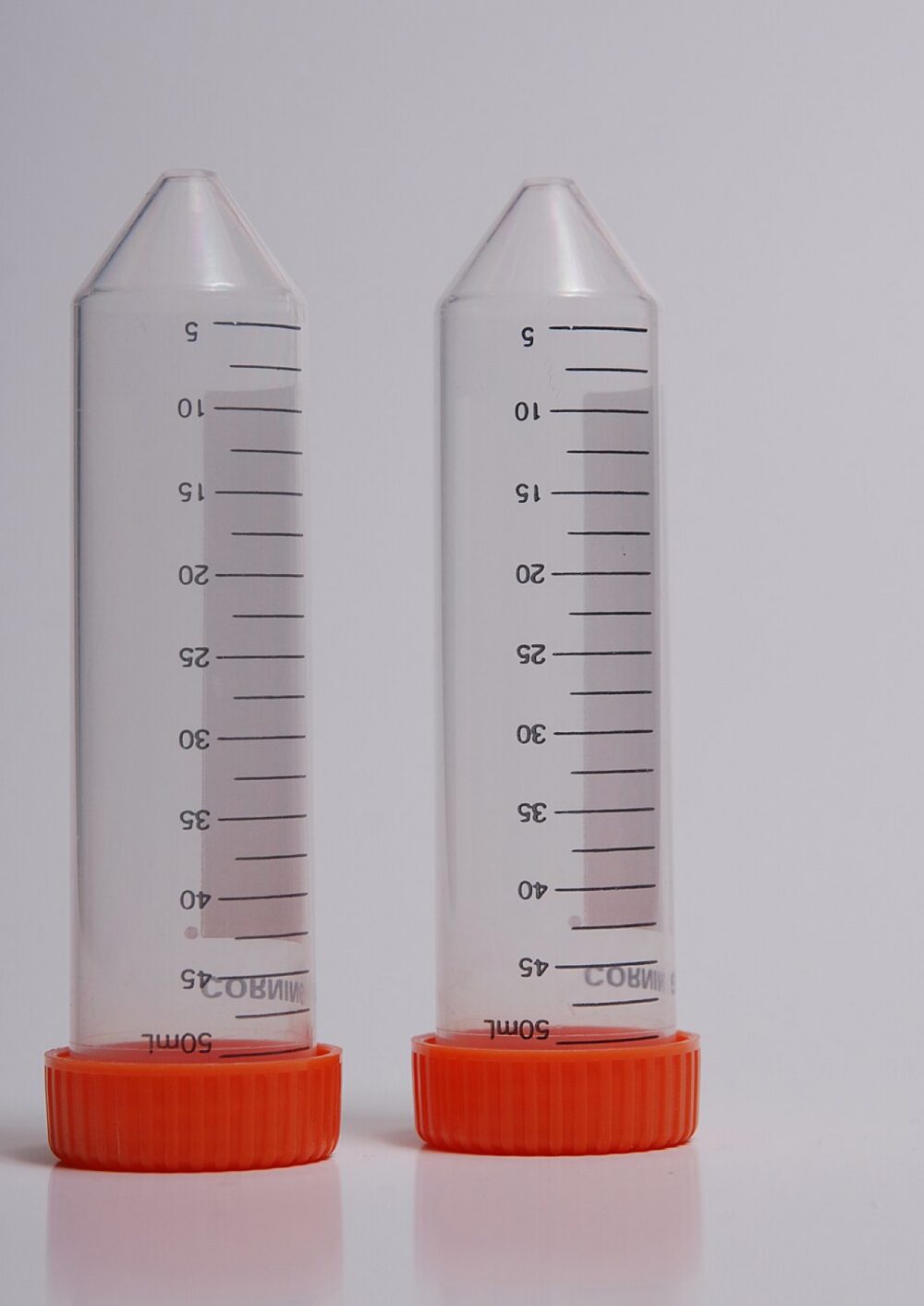
If you need 50 mL Falcon centrifuge tubes in Australia, the safest path is branded tubes from established lab suppliers and manufacturer-linked distributors. Generic 50 mL tubes can work for less critical uses or resale, but they demand tighter checks on material, dimensions, labeling, and documentation, especially when you import from marketplaces.
The key decision is whether you truly need Falcon-branded tubes (Corning’s line of labware) for your protocol or if a compatible generic will do. Once you’ve answered that, you can choose a channel: local lab distributors, international retailers like Thomas Scientific, regional suppliers such as Able Scientific and Raptor Supplies, or marketplaces that list unbranded tubes.
What 50 mL Falcon tubes are and why sourcing the wrong product is a trust problem
“Falcon tube” is often used generically, but in lab supply it refers to Corning’s Falcon-branded centrifuge tubes, a long-running product line marketed as reliable lab consumables. A genuine 50 mL Falcon tube is a conical, graduated plastic tube (typically polypropylene) with a specific geometry, cap design, and manufacturing standard associated with Corning.
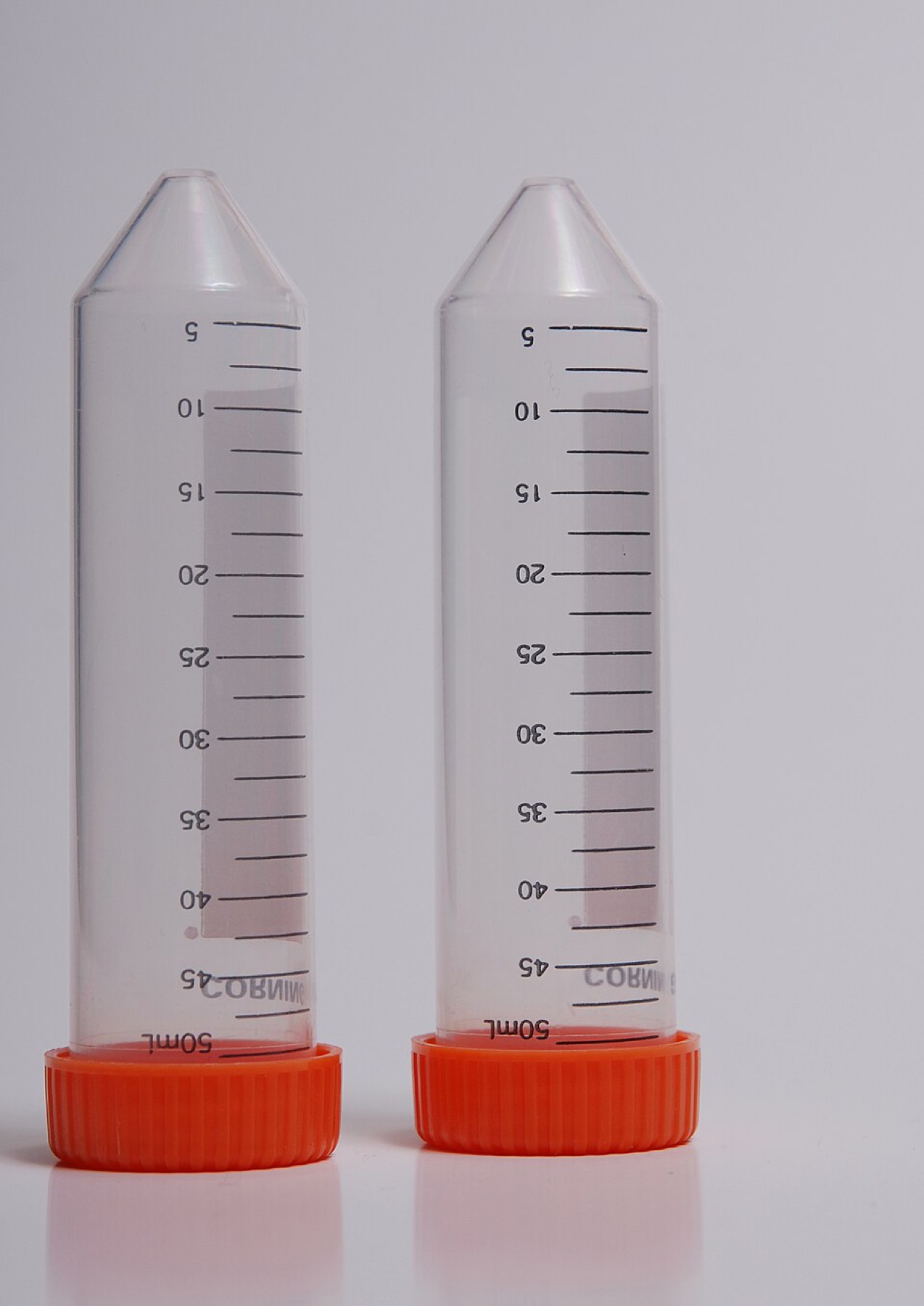
Generic 50 mL centrifuge tubes may look similar—transparent plastic, graduations, screw cap—but can differ in:
- Material and additives: polypropylene vs mixed plastics, different mold-release agents.
- Dimensional tolerances: affecting balance in the rotor and fit in racks or automation.
- Labeling and graduations: clarity, accuracy of volume markings.
Those differences matter because:
- Sample integrity: Unknown plastics or rough finishes can shed particles or leach chemicals into sensitive samples.
- Centrifuge safety: Poorly molded tubes can crack or fail at high relative centrifugal force (RCF), risking rotor damage and contamination.
- Workflow compatibility: Automation, racks, and caps designed for Falcon dimensions may misfit generics.
The trust risk is not that generics are always bad; it’s that you often have less reliable information about how they’re manufactured and tested. With branded Falcon tubes, you are buying into Corning’s specification and reputation. With generics, you have to recreate that trust yourself through documentation and testing.
Quick documentation checklist before large orders
Before committing to a case or pallet—especially for generics or cross-border imports—ask suppliers for:
- Material declaration (e.g., polypropylene) and any known additives
- Dimensional spec sheet (overall length, diameter range, cap type)
- Stated maximum RCF and temperature tolerance
- Sterility status and method, if relevant (gamma, EO, non-sterile)
- Packaging details (bulk vs individually wrapped, lot identification)
If a seller can’t provide at least material and basic dimensions for a tube that will go into your centrifuge, treat that as a trust red flag.
Safer ways to source Falcon and compatible 50 mL tubes for Australian buyers
For an Australian lab or small ecommerce business, you effectively have four channel types:
| Channel type | Typical use case in AU | Pros (trust-focused) | Cons / limitations |
|---|---|---|---|
| Local/regional lab suppliers | Routine lab work, clinical, education, resale | Clear product specs, support, easier returns, local presence | May be pricier; limited off-brand or very low-cost options |
| Manufacturer-related channels | Genuine Falcon and other brand-specific products | Direct brand association and documentation | Narrow brand choice; international shipping for some brands |
| International lab retailers | Specialized products, large brand catalogs | Established lab focus, searchable categories and filters | Cross-border logistics, currency and GST handling |
| Online marketplaces | Generic tubes, racks, hobby/education supplies | Wide range of price points and brands | Sparse documentation and reviews; higher verification burden |
1. Local and regional lab suppliers (best fit for critical work)
Australian and Asia-Pacific-focused suppliers such as Able Scientific and Westlab stock centrifuge ware, including tubes and racks, for research, clinical and educational labs. Multi-brand distributors like Raptor Supplies Australia give you access to different manufacturers in one place.
This channel is generally the safest option when:
- You require known RCF limits or sterility for regulated or clinical workflows.
- You want predictable repeat supply on specific SKUs.
- You need local support if tubes fail or don’t match your equipment.
Ask them explicitly for Falcon-branded 50 mL tubes if that’s what your SOPs or validations assume.
2. Manufacturer and brand-linked sellers (for genuine Falcon tubes)
Falcon is a Corning brand, and Corning’s regional sites point to Falcon centrifuge tubes as part of its life sciences catalog. You may not always be able to order directly from Corning in Australia, but brand-linked distributors and global lab retailers stock genuine Falcon products.
Thomas Scientific, for example, lists graduated conical disposable Falcon tubes in its catalog. Ordering Falcon tubes through a recognized lab retailer like this is typically a sound option when you need brand continuity and specification consistency, even if you’re importing.
3. Third-party lab retailers (generic but lab-focused)
The DHgate editorial blog’s centrifuge-tube guide highlights three broad channels people use: lab supply stores, manufacturer websites, and third-party retailers such as Amazon, Thomas Scientific, and VWR. This triad maps neatly onto Australian practice: you’ll often mix local lab suppliers with global lab-focused retailers when a specific format or brand is hard to find domestically.
For generics or alternative brands, look for retailers whose core business is lab consumables: search their centrifuge-tube category, read product descriptions, and prioritize listings that show material, RCF, and sterility in the spec table, not just a stock photo.
4. Marketplaces and cross-border generics (DHgate, others)
General marketplaces can be useful for low-stakes generics and accessories. DHgate, for example, currently lists multiple generic tube products, including 50 mL formats and compatible racks. One listing observed on 2026-09-21 was titled “10PCS/50ML Plastic Transparent Laboratory Centrifuge Tube Sample Tube EP Tube with Cap Round Bottom Screw Scale Container”, priced around USD 41.85-42.93 for 10 pieces, with zero public reviews at that time (DHgate product).
That sparse feedback is typical of lab consumables on general marketplaces: you may see price and a photo, but limited independent review or technical documentation. If you choose this route:
- Treat 50 mL marketplace tubes as unvalidated generics until you test them.
- Request spec details via the platform’s messaging before ordering larger quantities.
- Start with a small order and run basic checks (fit in your rotor, leakage, cap integrity) before deploying to real samples.
If you’re evaluating a DHgate seller specifically, internal resources such as how to find trusted sellers on DHgate and assess DHgate listing and seller risk can help you structure those checks. But for clinical or regulated work, branded or lab-retailer channels remain safer by default.
How platforms handle reviews, disputes, and what evidence you should keep
Most online channels—whether local lab suppliers or global marketplaces—share a few mechanisms:
- Product pages aggregate specs, images, and sometimes datasheets.
- Reviews or testimonials offer user feedback, though labs often under-review consumables.
- Order history and invoices form the basis for any return or complaint.
Because centrifuge tubes are consumables, you have to do more of the trust work yourself. A practical routine:
- Capture the listing at purchase: Save or export a PDF of the product page showing name, capacity (50 mL), material, sterility, and any claimed RCF. This matters if the product you receive differs from what was advertised.
- Keep packaging and lot details: Photograph the carton, lot number, and label. This helps trace issues back to a batch and supports warranty or quality discussions.
- Document failures with context: If a tube cracks or leaks in your centrifuge, record the rotor type, speed, temperature, and photo of the failure. Labs rarely do this for low-cost consumables, but it’s the difference between a vague complaint and a clear, credible case.
- Store correspondence: Keep messages or emails where a supplier confirms specs. If spec promises are made in writing, you have stronger grounds to request replacement or refund when reality doesn’t match.
For marketplaces, your documentation will mostly live inside your account; for traditional lab distributors, it’ll be emails and invoices. Either way, treating centrifuge tube procurement as part of your quality system—not just stationery ordering—will protect your samples and your budget.
Local vs imported generics: a simple scenario for Australian labs
Imagine a small Australian teaching lab choosing tubes for a new centrifuge:
- For assessed practical classes and any work that might cross into clinical or diagnostic territory, they buy branded 50 mL Falcon tubes from a local distributor. Higher unit cost, but predictable performance and easier escalation if a batch is bad.
- For demonstrations and low-stakes experiments (e.g., food dye gradients, soil separations), they trial a carton of generic 50 mL tubes sourced from a regional supplier or a vetted marketplace seller. They run a test spin, check for leaks and deformation, and keep those generics clearly segregated from the Falcon stock.
That split strategy is often the sweet spot: use trustworthy branded channels where failure is unacceptable, and only deploy imported generics where you can afford to treat them as experimental consumables.
The point isn’t that one channel is universally safe and another is unsafe; it’s that Falcon-branded 50 mL tubes come with a built-in trust signal you don’t have to reconstruct. Every step you move away from that signal—toward alternative brands and marketplaces—should be matched with extra verification and documentation on your side.