
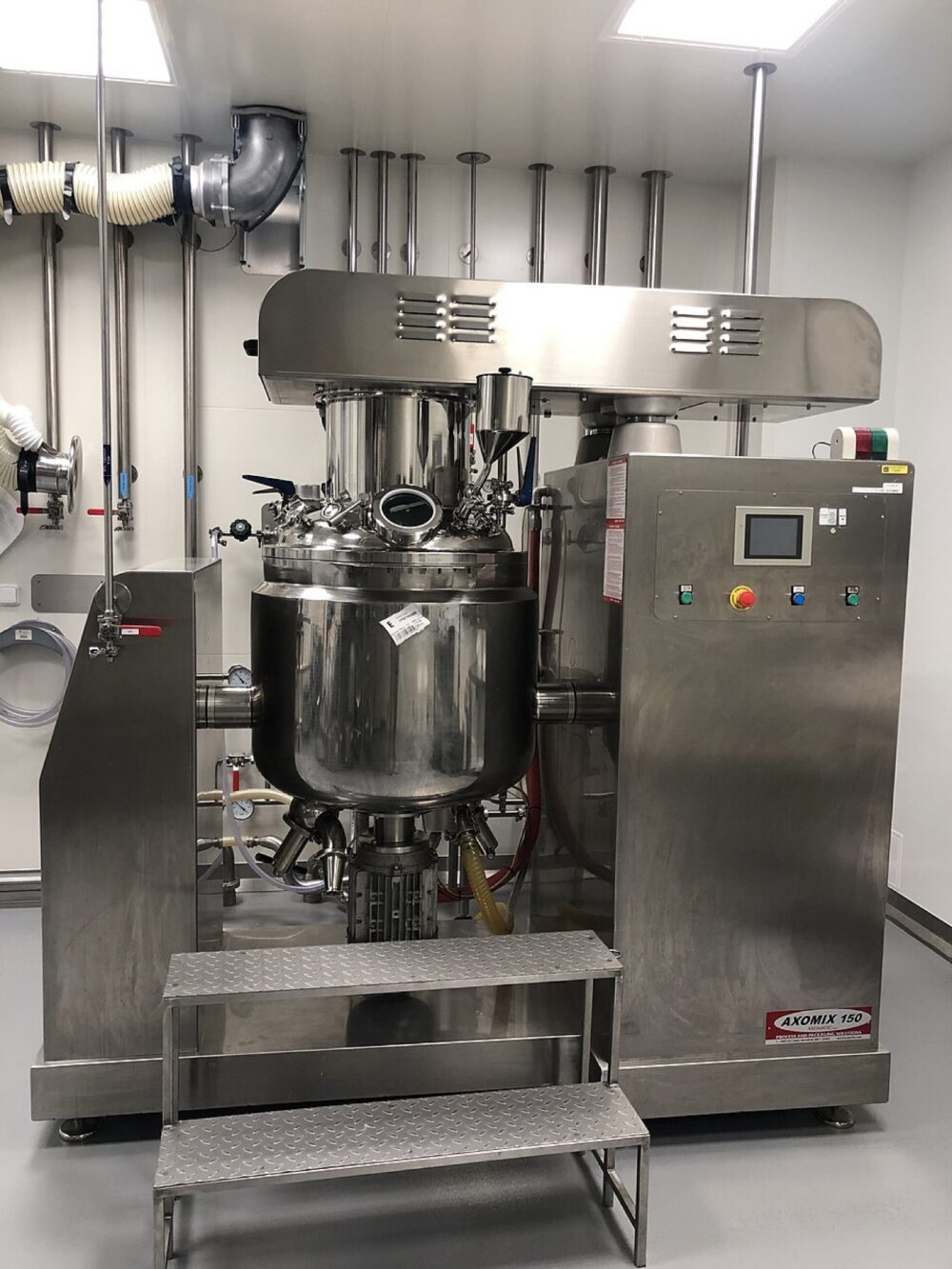
This guide walks through where private label cosmetic suppliers live online, how DHgate’s model fits into that map, what its strengths and limits look like against Alibaba and others, and how to actually search and vet DHgate listings for OEM makeup and branding.
Where Private Label Cosmetics Suppliers Actually Live Online
If you’re trying to launch or extend a beauty brand, “private label” can mean very different supplier types:
- Dedicated private label cosmetic labs – These are companies whose core business is making formulas you can sell under your brand. They often offer R&D, stability testing, regulatory support, and help with claims. They may be in the US, EU, or Asia and tend to have higher MOQs and more formal onboarding.
- Contract manufacturers – They produce to your specs (or theirs) under a manufacturing agreement. You might bring packaging and branding; they bring the filling line and QC.
- Turnkey/CDMO-style providers – They bundle formulation, manufacturing, packaging, design, and sometimes regulatory consulting. For a full skincare or makeup line, this is the “one throat to choke” model.
- Open wholesale marketplaces – Platforms like DHgate, Alibaba, and AliExpress list millions of products from independent suppliers. Some of those suppliers also happen to be OEM factories or trading companies willing to do private label or logo printing.
DHgate sits firmly in that last bucket. DHgate describes itself as an international B2B marketplace connecting Chinese manufacturers, wholesalers, and drop shippers with global buyers across categories including health and beauty, with an emphasis on low minimums and affordable wholesale pricing for small businesses.
That’s very different from working directly with a cosmetic lab. On DHgate you’re not choosing “a manufacturer” so much as shortlisting individual store-fronts that may or may not have actual factory capabilities, cosmetic specialization, or regulatory sophistication.
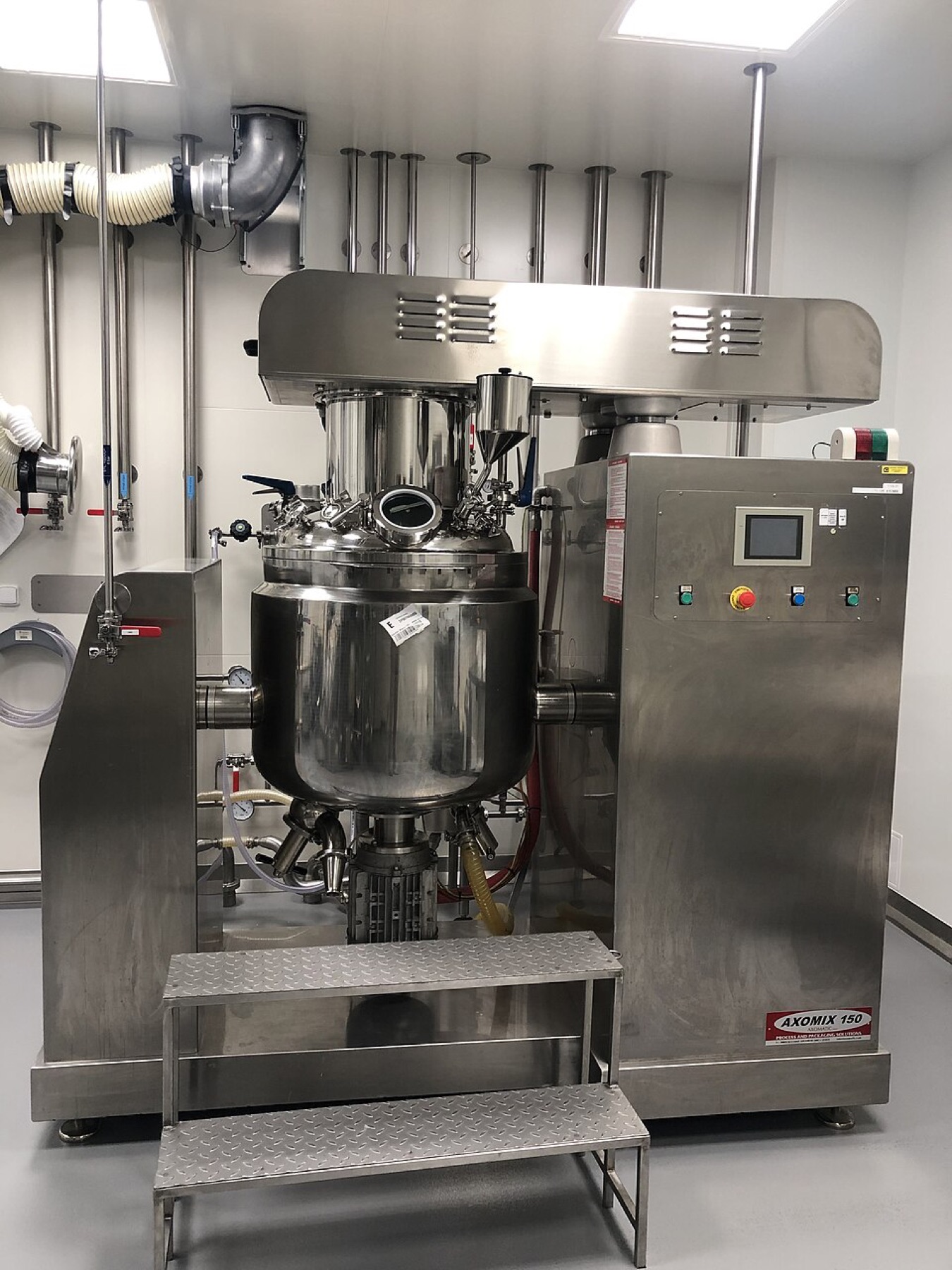
How Different Platform Models Handle Private Label Beauty
Because platform structure drives how much control you have, it helps to contrast models.
1. Wholesale marketplaces (DHgate, Alibaba)
These focus on B2B-style wholesale, listing products from many suppliers. According to DHgate’s own editorial positioning, buyers can source products directly from Chinese manufacturers, importers, and wholesale distributors via an online marketplace, with low MOQs and a wide product range.
In practice for private label beauty:
- You search for terms like “private label makeup,” “OEM lipstick,” or “custom cosmetic bag.”
- You message suppliers individually to ask about custom logos, packaging, and bulk pricing.
- OEM/private label is optional and negotiated, not a default service.
Customization is usually limited to logo printing on existing formulas and packaging, with varying willingness to tweak shades or ingredients.
2. Retail marketplaces (AliExpress, Amazon, etc.)
Retail-focused platforms list finished consumer products with per-piece pricing. Some sellers moonlight as OEM suppliers, but the user experience and infrastructure are built for end consumers, not brand owners.
If you find “wholesale” or “OEM” language there, it’s usually bolted onto a retail storefront instead of a full private label manufacturing service.
3. Supplier-focused platforms and direct labs
Outside marketplace models, you have:
- Lab directories and manufacturer matching tools that help you find verified cosmetic labs.
- Direct lab websites where the entire pitch is private label or contract manufacturing.
These platforms and companies:
- Lead with regulatory and quality language (GMP, ISO, FDA/Health Canada familiarity, etc.).
- Offer formal onboarding, NDAs, and clear MOQs.
- Often expect longer-term relationships and higher volumes.
You’ll typically get more transparent documentation on ingredients, testing, and compliance, which matters more as your brand’s risk profile grows.
Comparing DHgate with Other Channels for Private Label Cosmetics
Independent analysis from GTsetu, looking at DHgate alternatives for B2B manufacturers, notes that for bulk manufacturing and private-label sourcing, Alibaba generally has a stronger verified manufacturer base, while DHgate is more geared to low-MOQ marketplace orders.descriptive source name
That editorial view matches what you see in cosmetics:
- Manufacturer depth – Alibaba often surfaces factories with long catalogs, certifications, and more detailed company profiles. DHgate has OEM factories too, but the listing emphasis is on product variety and price, not lab credentials.
- Order profile – DHgate’s own small-business positioning stresses low minimums and affordable wholesale pricing, which is handy if you only want 5-50 pieces of a product to test.
For private label cosmetics specifically, DHgate’s strengths are:
- Low-MOQ access to OEM-style products – You can find listings that explicitly offer OEM/private label makeup without committing to thousands of units.
- Factory-direct or trading-company pricing – Helpful if you’re pressure-testing unit economics for a new SKU.
- Easy experimentation with branding assets – Beyond makeup itself, DHgate is rich in cosmetic bags, boxes, labels, and accessories that can carry your brand.
Limits to keep in mind:
- Cosmetic regulation (ingredient restrictions, labeling rules, safety documentation) for Canada and the US is not standardized or enforced at the platform level in any visible, reliable way.
- For large-scale launches or high-liability categories (skincare treatments, products with strong claims), a marketplace relationship can be structurally fragile compared with a formal contract manufacturer.
Choosing the Right Platform for Your Beauty Brand Stage
Think about DHgate against where your brand actually is. Here are three practical scenarios.
Scenario 1: Idea-testing and low-risk makeup experiments
You’re a creator or small ecommerce shop in Canada or the US, exploring:
- A small run of lip glosses
- A trial kit of blush or foundation shades
- Branded cosmetic bags or accessories for bundles
DHgate fit: Reasonable. The low-MOQ marketplace model lets you order 5-50 units, compare formulas across several suppliers, and test price points. You accept that these are experiments, not long-term hero SKUs, and you stay conservative on claims (e.g., avoid medical or active skincare claims).
Scenario 2: Young but growing DTC makeup brand
You’ve validated demand for certain products and want:
- Consistent batches over time
- More control over ingredients and shade ranges
- Better documentation for regulators and retailers
DHgate fit: Mixed. You might still use DHgate for accessories and branding assets (bags, labels, boxes), and possibly for some color cosmetics where you’ve thoroughly tested and documented the formula. For your core line, you’re likely better served by dedicated private label manufacturers or contract labs with clear compliance frameworks.
Scenario 3: Building a long-term, regulated cosmetic line
You’re planning:
- Multi-country distribution
- Retail partnerships or strict marketplace rules
- Higher-liability products (actives, treatments, sensitive skin)
DHgate fit: Narrow. DHgate can still be handy for outer packaging, gift sets, brushes, and storage. For anything that touches skin repeatedly with non-trivial claims, you’ll usually want formal manufacturer contracts and lab partners who can support regulatory filings, safety assessments, and stable long-term supply.
If you’re not sure which direction to lean, it can help to read a broader overview of DHgate’s marketplace mechanics first: What DHgate is and how the marketplace works. That context makes the trade-offs clearer.
DHgate Listing Snapshot: Private Label Cosmetics & Branding (Observed 2026-09-18)
To make this concrete, here’s what private label and OEM cosmetic offers actually look like on DHgate around 2026-09-18. Prices are in USD and can change; inclusion here is not an endorsement.
| Product (linked) | Category | Listing wording relevant to private label | Price range (USD) | Supplier name |
|---|---|---|---|---|
| Liquid Foundation Long Lasting Private Label Matte Waterproof Makeup Foundations Vegan Dark Skin Cosmetics Wholesale Bulk | Foundation | “Private Label” and “Wholesale Bulk” with vegan, matte, waterproof descriptors | 116.09-584.04 | dhmallqueen |
| OEM wholesale makeup lip gloss private label luxury waterproof matte glossy lipgloss liquid lipstick | Lipstick | “OEM” and “private label” explicitly offered, with waterproof matte/glossy options | 13.33-19.53 | image_cosmetics |
| Customizable OEM Cosmetics Liquid Blush for Matte Finish – Private Label Available | Blush | “Customizable OEM” and “Private Label Available” | 6.93-10.15 | image_cosmetics |
| Face Liquid Blusher Private Label Makeup Long-lasting Matte Make Up Natural Cheek Contour Blush Cosmetics Wholesale 5pcs/lot | Blush | “Private Label” and “Wholesale” 5pcs/lot | 41.07-42.13 | hewigs02 |
| Premium Custom Size & Style Branded Packing Solutions: Ideal for Beauty Products, Accessories & Home Fragrances | Packaging Boxes | “Custom Size & Style Branded Packing” for beauty products | 0.59-0.60 | yiwuyicoed |
What this snapshot tells you:
- OEM and private label language is common in certain subcategories (lip products, blush, foundation) and in packaging.
- These listings emphasize marketing adjectives (long-lasting, vegan, waterproof) but do not automatically provide regulatory documentation in the visible product description.
- Branding assets (boxes, labels, bags) are positioned as “branded” or “custom” more explicitly than the underlying formulas.
Using this kind of snapshot, you can quickly see that DHgate is strongest as a place to assemble a look-and-feel (packaging + color cosmetics) at small scale, while you still need to do your own due diligence on safety and compliance.
For a wider sense of how DHgate compares with Alibaba and AliExpress overall, not just in beauty, see: Compare DHgate with AliExpress, Alibaba and Temu.
Working with DHgate for Private Label Cosmetics and Branding
If you decide DHgate fits your current stage, here’s a practical way to search, vet, and trial suppliers.
1. Use targeted search terms
Generic “makeup” searches on DHgate are messy. Start with specific phrases that match the listings above:
- “private label liquid foundation”
- “OEM cosmetics liquid blush”
- “OEM lip gloss private label”
- “custom branded cosmetic box” or “branded packing beauty”
DHgate’s own sourcing guidance recommends using specific keywords and categories to filter a large product catalog; that applies strongly to cosmetics, where you want to avoid generic, non-OEM listings.
2. Read the listing language like a contract preview
Scan each candidate listing for clues about service level:
- Look for explicit OEM/private label wording (“OEM”, “private label”, “custom logo”), as in the foundation, lip gloss, and blush examples.
- Note whether customization is limited to logo/packaging or whether the supplier talks about formula tweaks or shade development.
- Check the category carefully—some listings sit in “Foundation” or “Blush” while others are in “Packaging Boxes” or “Cosmetic Bags & Cases,” which are better for branding add-ons.
Treat marketing terms (“vegan”, “waterproof”, “long-lasting”) as claims to interrogate, not proven properties.
3. Shortlist suppliers, not just products
On DHgate each product belongs to a supplier storefront. Before you message anyone:
- Open the supplier page to see how focused they are on cosmetics versus being a general trader.
- Check how many similar products they list—e.g., a storefront like “image_cosmetics” with multiple OEM lip and blush listings looks more specialized than a general store selling a bit of everything.
- Use whatever ratings and reviews are visible as one input, but don’t rely on them alone, especially for low-review cosmetics.
This aligns with DHgate’s own editorial advice to evaluate supplier ratings and feedback from previous buyers before placing larger orders.
4. Message suppliers with specific, cosmetics-focused questions
For each shortlisted supplier, send a concise inquiry covering:
- Logo and packaging options – Can they print your logo? On what surfaces (bottle, box, label)? What file format do they need?
- Minimums for private label – Are MOQs for customization different from the MOQ shown on the listing? Get ranges, not exact promises.
- Ingredient and documentation basics – Ask for an ingredient list, MSDS or safety data sheets if available, and any GMP or certification statements. You’re not assuming compliance; you’re checking how they respond.
- Batch consistency and lead times – Ask how they ensure shade and texture consistency across batches and how far in advance you need to place orders.
You’ll likely get varied answers. The content of those replies is a strong signal of how “real” a manufacturer you’re dealing with versus a trading company with limited technical depth.
5. Order structured samples before any significant launch
DHgate’s sourcing guidance emphasizes requesting samples and doing market research before placing large orders. For cosmetics, treat sampling as non-negotiable:
- Order multiple shades and multiple units for each candidate product where possible, not just a single piece.
- Include both formula samples (foundation, lip, blush) and branding elements (boxes, labels, bags) if the same supplier offers them.
- Test for basic usability (texture, scent, wear) and packaging durability under your own conditions.
Keep expectations realistic: you’re checking whether a supplier can hit your baseline bar for quality, not verifying regulatory compliance. If you plan to sell in Canada or the US, you may need additional professional input on labeling and safety.
6. Decide what belongs on DHgate versus other channels
After a few rounds of samples and messaging, you’ll have a sense of who can deliver small-batch private label cosmetics and branding assets at a level you’re comfortable with.
A common pattern for small brands:
- Use DHgate for: branded cosmetic bags, custom boxes and inserts, simple color cosmetics with conservative claims, early-stage testing of new SKUs.
- Shift to dedicated manufacturers for: core products you plan to scale, anything with complex active ingredients, or lines where you need structured regulatory support and documentation.
You can refine that split over time. If you find a DHgate supplier who behaves more like a true OEM lab and you build trust, they may become a longer-term partner. If not, you still have a low-cost testing ground for ideas without locking into big contracts.
For broader cross-platform decisions beyond beauty, including general pros and cons of marketplaces versus other shopping channels, you may find extra context in Compare online marketplaces and shopping platforms.