

Wholesale platforms usually work best if you have some capital, want higher margins, and can manage inventory and fulfillment yourself. Dropshipping platforms fit lean operations that want to test products with minimal upfront spend, but they trade margin and control for convenience. For a small US ecommerce business, your best channel depends on how much cash you can tie up in stock, how fast your customers expect delivery, how much you care about branding, and how complex you’re willing to make your operations.
What you’re really choosing: models and platform types
You’re not just choosing a website; you’re choosing a business model and then a platform that supports it.
Wholesale model (inventory-owning)
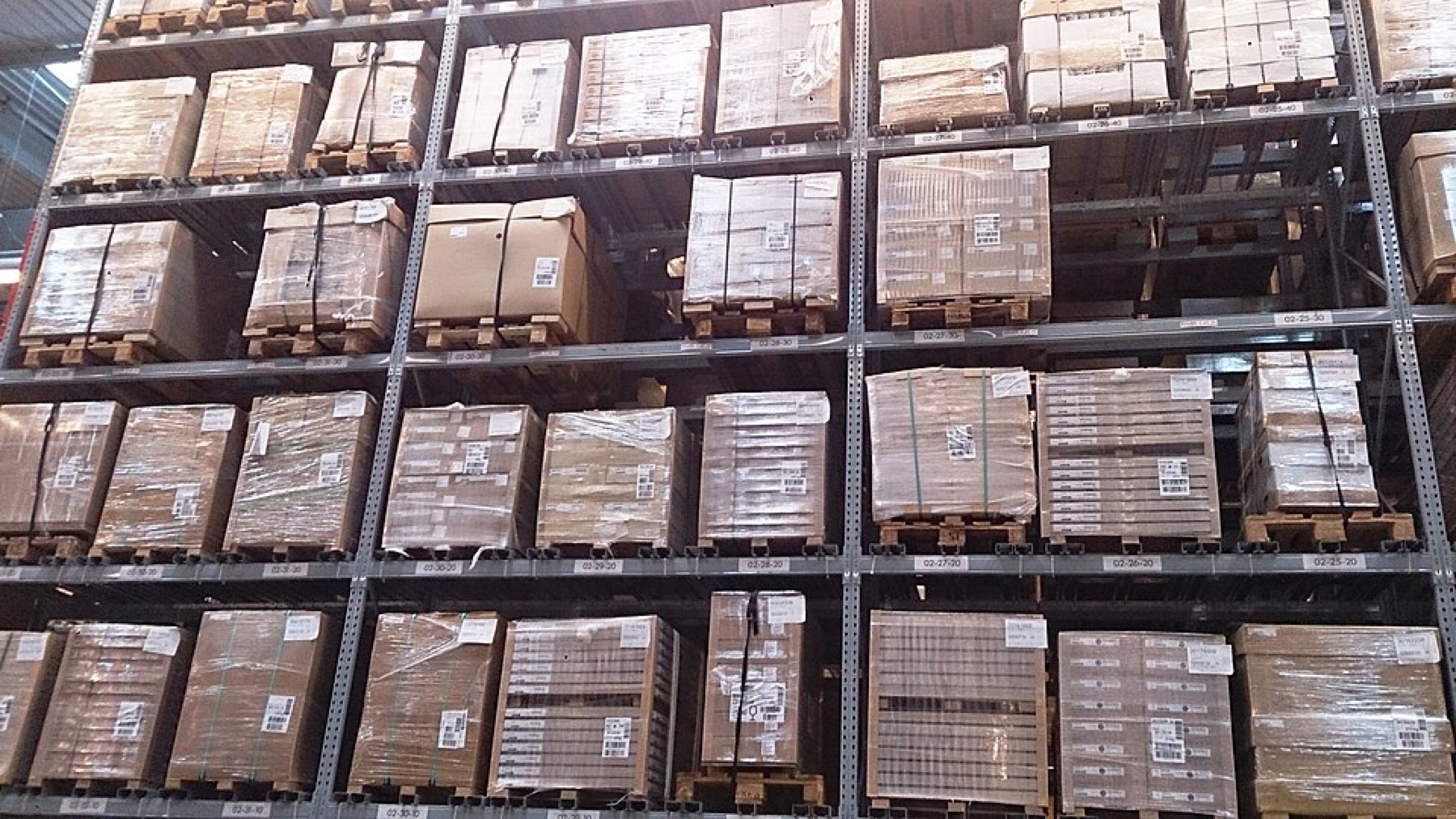
Under wholesale, you buy products in bulk from a manufacturer or distributor, store them yourself, and ship orders from your own stock. Editorial guides like the SHOPLINE overview and DHgate’s blog both describe wholesale this way: you own the inventory and handle fulfillment.
This model usually runs through:
- Wholesale marketplaces – global B2B marketplaces where you can order small or large batches from many suppliers.
- Direct wholesale suppliers – individual brands or importers you contract with.
- Wholesale directories – index-style sites (similar to Wholesale Central, discussed in Iubenda’s directory roundup) that list wholesalers and sometimes dropshippers, but don’t process the orders themselves.
Dropshipping model (no inventory)
Dropshipping is a fulfillment method where your store doesn’t keep products in stock. You list items, a customer orders, and you forward that order to a third-party supplier who ships directly to the customer. Both SHOPLINE and DHgate’s editorial content explain dropshipping this way: the supplier holds and ships inventory, not you.
Common platform types here:
- US-based dropshipping platforms/SaaS – tools like those covered in TopDawg’s comparison of US dropshipping suppliers. They focus on domestic warehouses, automation, and integrations.
- Wholesale dropshipping suppliers – wholesalers who also offer per-order fulfillment, often catalogued in guides like Doba’s supplier comparison.
- Global marketplaces used for dropshipping – platforms such as AliExpress or DHgate, where you buy products per order and have them shipped directly to customers, even though the platform wasn’t built as dropshipping SaaS.
The key is to understand which bucket a platform sits in before you judge it. A US dropship SaaS and a cross-border wholesale marketplace can both support a “no-inventory” store, but with very different trade-offs.
Key comparison dimensions that matter for small ecommerce businesses
To compare wholesale and dropshipping platforms in a way that actually matches your store’s needs, focus on these dimensions:
1. Startup capital
Editorial comparisons consistently describe dropshipping as a low-capital model: you pay for stock only after a customer orders. Wholesale usually means buying inventory upfront and paying for storage. Guides from SHOPLINE and fashion-specific platforms like Trendsi both frame dropshipping as lower upfront investment, with wholesale requiring more capital.
When you evaluate a platform, ask: How much stock do I have to commit to? Are there minimum orders or subscription fees?
2. Profit margins
Dropshipping generally offers tighter margins because you’re paying per unit, often at near-retail prices. Wholesale buyers get better per-unit pricing in exchange for buying larger quantities. Trendsi’s clothing-business analysis notes this as a pattern: bulk buying supports stronger unit economics than per-item pricing.
For each platform or supplier, look at:
- Per-unit cost at your realistic order volume
- Any platform fees
- Shipping charges you’ll pass through or absorb
3. Inventory and product control
Under wholesale, you physically hold the product. You can inspect quality, choose which items to pack, and decide when to discontinue a SKU. Dropshipping hands that control to your supplier; you rely on them for stock levels and quality.
So the comparison question becomes: Do I trust the supplier’s product and inventory data enough to run my brand on top of it?
4. Fulfillment workload
Wholesale platforms give you access to suppliers, but you’re responsible for:
- Receiving stock
- Warehousing
- Picking, packing, and shipping
Dropshipping platforms shift that work to the supplier and add software to route orders and sync tracking. US dropshipping tools like the ones in TopDawg’s list typically emphasize automation (order routing, real-time inventory) and integrations with Shopify, Amazon, WooCommerce, and others.
Your decision: Do I want a physically busy business or a software-heavy one?
5. Shipping speed and consistency
US-based dropshipping platforms often highlight fast domestic shipping and more predictable delivery windows because inventory sits in US warehouses. Wholesale can match that if you stock locally; cross-border wholesale or dropshipping usually means longer transit and more variability.
This is where you weigh:
- Domestic vs international warehouse locations
- Carrier options
- Whether marketplace seller locations align with your customer expectations
6. Branding and packaging control
Wholesale makes it easier to add branded packaging, inserts, or even private-label products because you’re shipping from your own facility. Dropshipping limits that unless you pay for custom solutions with specific suppliers.
Ask each channel: Can I control how the product shows up at the customer’s door?
7. Risk profile
Different risks show up by model:
- Dropshipping: supplier reliability, stockouts you can’t see, quality variance, tight margins.
- Wholesale: unsold inventory, storage costs, tying up cash in what might be the wrong product.
Community discussions (for example, on r/dropship) show some sellers are wary of relying purely on slow-ship cross-border sources like AliExpress because of customer experience issues. That doesn’t make them unusable, but it’s a reminder to map risk to customer expectations.
With this checklist, you can look at any platform—US dropship SaaS, a wholesale marketplace, or a directory—and judge it against the same business concerns.
How major platform types stack up on these dimensions
Here’s a focused comparison of three broad platform types many small US sellers consider: wholesale marketplaces, US-based dropshipping platforms, and supplier directories.
| Platform type | Typical startup capital | Margin pattern (editorial trend) | Operational workload | Shipping behavior (qualitative) |
|---|---|---|---|---|
| Wholesale marketplace (global) | Higher: you usually buy inventory upfront; some listings allow small batches but you still own stock. | Better per-unit pricing when you buy more; margins can be strong if you manage inventory well. | High: you handle warehousing and fulfillment, plus cross-border importing. | Often international shipping from seller to you; customer shipping depends on your own fulfillment setup. Longer for cross-border. |
| US-based dropshipping platform/SaaS | Lower: pay platform/subscription fees and per-order product costs; no bulk inventory. | Tighter margins due to per-item pricing and platform fees, but predictable costs. | Moderate: software setup, integration, customer service; supplier fulfills orders. | Typically faster, more consistent US delivery from domestic warehouses, as highlighted in TopDawg’s supplier comparisons. |
| Supplier directory (wholesale + dropship listings) | Varies: directory itself may be low-cost, but suppliers set their own MOQs and terms. | Mixed: some true wholesale, some dropship; your margin depends on which suppliers you choose. | Moderate to high: you must vet suppliers, negotiate, and set up fulfillment or dropship flows manually. | Entirely supplier-dependent—some domestic, some international. Directories like Wholesale Central, as described by Iubenda, connect you but don’t manage shipping. |
This table is deliberately generic but grounded in what comparison guides emphasize: capital, margins, functionality, and shipping patterns. When you research a specific platform, plug real numbers into these rows for a sharper decision.
Matching platform types to different buyer profiles
Most small sellers don’t fit a perfect textbook model. Here are practical scenarios and which platform types tend to fit best.
1. Low-budget tester launching a first store
If you’re in the US, have very limited cash, and want to see if a niche has traction without renting storage or buying pallets of inventory, a US-based dropshipping platform is often the most realistic starting point.
Why:
- Minimal capital: no bulk stock; just subscription and marketing spend.
- Integrations: many US dropship platforms plug into Shopify, WooCommerce, or marketplace accounts.
- Domestic shipping: helps you avoid the early bad reviews that can come from long cross-border delivery windows.
You trade margin and control for speed and lower risk. If your store works, you can later switch winning products to wholesale.
2. Brand-builder focused on margins and packaging
If your goal is to build a recognizable brand with consistent packaging and strong margin on every order, you’ll likely need wholesale sourcing at some point.
Best fits:
- Start with a wholesale marketplace or vetted wholesalers for your core products.
- Use a supplier directory to find niche manufacturers or private-label opportunities.
You’ll invest more upfront, but you gain:
- Control over product quality and presentation
- Ability to customize packaging and inserts
- Better unit economics once you pass small volume thresholds
3. Marketplace-only seller (Amazon, Walmart, etc.)
If you sell only on big marketplaces, your constraints include compliance, shipping speed, and inventory accuracy.
Common pattern:
- Use US-based dropshipping platforms that emphasize marketplace integrations and real-time inventory (as described in TopDawg and Doba comparisons).
- Gradually layer wholesale buying for your top SKUs to improve margins.
The platform choice here is less about model purity and more about which tools help you stay within marketplace rules without losing money.
4. Niche apparel store testing styles quickly
Fashion-specific editorial pieces, like Trendsi’s posts, highlight how dropshipping lets clothing sellers test styles with almost no capital, then switch winners to wholesale.
Practical path:
- Use a dropshipping platform with strong apparel catalogues to test sizes and cuts, especially plus-size or trend-driven items.
- Once you see what sells, negotiate wholesale terms with the same or similar suppliers to stock bestsellers.
You avoid being stuck with racks of unsold designs while still using wholesale when it actually improves your economics.
Hybrid model: a realistic progression
Several sources—including DHgate’s own editorial blog—suggest a hybrid path that many sellers follow:
- Start with dropshipping to learn which products and niches actually convert.
- Move your proven SKUs into wholesale purchasing to lift margins and control packaging.
- Keep dropshipping for long-tail or experimental products.
You don’t have to choose wholesale or dropshipping forever. Think of them as tools you can combine over time.
Channel selection and safeguards when using cross-border marketplaces
Global marketplaces like AliExpress and DHgate sit in between pure wholesale platforms and dedicated dropshipping SaaS. Blog content from DHgate and other editorial sources notes that these marketplaces often provide low-priced, small-batch buying options for international customers, and some sellers use individual listings for per-order fulfillment in a dropshipping-style workflow.
Used carefully, cross-border marketplaces can be valuable for US sellers who want:
- Access to wide product ranges and manufacturers
- Relatively low per-unit costs on small trial batches
- Flexibility to buy either in bulk or per order from the same marketplace
But you’re stepping outside the domestically focused, SaaS-style world of US dropshipping platforms. To keep risk in check:
- Treat every seller as its own business. On marketplaces, you’re dealing with thousands of individual suppliers rather than one unified platform-controlled catalog. Compare ratings, years active, and reviews across multiple sellers for any product you consider, and prefer those with consistent feedback.
- Test with small batches first. Whether you’re buying wholesale or placing per-order test shipments, start with small quantities. This lets you validate product quality, packaging, and real-world shipping behavior before committing larger capital or building your marketing around a specific supplier.
- Use cross-border marketplaces strategically in a hybrid plan. One common pattern is to use marketplaces like DHgate or AliExpress to source initial test inventory or niche products wholesale, then, once you identify reliable items and suppliers, shift recurring orders into domestic warehousing or US-based suppliers for faster fulfillment. This aligns with the hybrid model: learn via flexible cross-border sourcing, then lock in margins and customer experience through more controlled channels.
For supporting DHgate context in this channel comparison, use Compare DHgate with AliExpress, Alibaba and Temu, What DHgate is and how the marketplace works, and Find wholesale suppliers on DHgate.
If you frame cross-border marketplaces as one tool among several—rather than your only channel—you can balance their flexibility and pricing with the operational stability of domestic wholesale or dropshipping platforms.