
Chinese-made pet accessories are widely used in the US, and many are perfectly fine — but safety and quality swing more than most buyers realize. Treat China as a huge, mixed-quality source: low-stakes items like leashes and sweaters can be sensible imports if you vet suppliers and run small tests, while high-stakes categories such as food, treats, and electronics should be approached only with strong proof of safety and compliance. Your job isn’t to avoid China entirely; it’s to match your risk tolerance and budget to the right products, suppliers, and sourcing channel.
For US pet owners and small ecommerce brands, that means three things: separating safer vs riskier product types, checking the supplier and product documentation instead of just price, and using channels and payment methods that give you some recourse if things go wrong. This article walks through those decisions without assuming that a Chinese origin is automatically good or bad.
What buying pet products from China really means for US buyers
China is a major manufacturing base for pet products — everything from basic collars and bowls to cat trees, beds, clothing, electronic fountains, and grooming tools. Large factories like the OEM/ODM manufacturer Petstar describe product lines spanning pet beds, cat furniture, apparel, electronics, cages, toys, and cleaning supplies, and they sell to global brands and importers via factory-direct deals and B2B platforms.
On top of that factory layer, there’s an enormous marketplace layer. B2B directories and marketplaces such as Alibaba’s China pet products listings and the Made-in-China pet products directory show thousands of Chinese-made items, from dog houses and carriers to clothing and toys. Independent sourcing firms also highlight China as a popular destination for kennels, toys, leashes, collars, and grooming tools.
So yes, Chinese pet products are very much “legit” in the sense that global brands and retailers source there. The trust challenge isn’t the country; it’s the mix of:
- Variable quality: The same type of product can range from well-made to flimsy depending on factory and materials.
- Pet safety stakes: A poorly dyed bandana is annoying; a contaminated treat or faulty heated bed can seriously injure an animal.
- Seller reliability: On open marketplaces, you’ll see everything from established factories to short-lived trading accounts.
- Import rules: US regulations treat food, medical, and some electronic products differently from simple accessories.
If you’re a US buyer, assume you can find viable Chinese suppliers, but only after you decide which categories you’re comfortable importing and how much verification you’re willing to do.
Safety and quality: which Chinese pet products are higher risk?
Not every pet product carries the same safety stakes. You’ll make better decisions if you group items by how bad it would be for your pet — or your customer’s pet — if the product fails.
Lower-stakes accessories (safer starting point)
These are items that don’t plug in, aren’t ingested, and aren’t tightly fitted around the neck or chest with strong forces involved.
- Basic collars, leashes, and harnesses (non-retractable, non-electric)
- Apparel and costumes: coats, sweaters, rainwear, holiday outfits
- Soft beds, blankets, simple cat trees without enclosed electrics
- Non-interactive toys: rope pulls, basic plush toys
From Chinese factories and marketplaces, you’ll see large ranges of these products with fashion-forward designs (plaid shirts, Chinese-style New Year costumes, matching human-pet sweatshirts, etc.). These are the categories many small brands start with because defects tend to mean fraying or mis-sizing, not poisoning.
For these items, focus on:
- Fabric and hardware quality (stitching density, metal vs brittle plastic)
- Colorfastness and potential skin irritation
- Choking hazards (small detachable pieces on toys)
A small sample order and a few weeks of use by your own pet or testers will usually surface issues.
Medium-stakes products
Here, failures can cause injury or serious discomfort, though the risk is still lower than ingestibles or complex electronics.
- Harnesses and muzzles with strong pulling forces
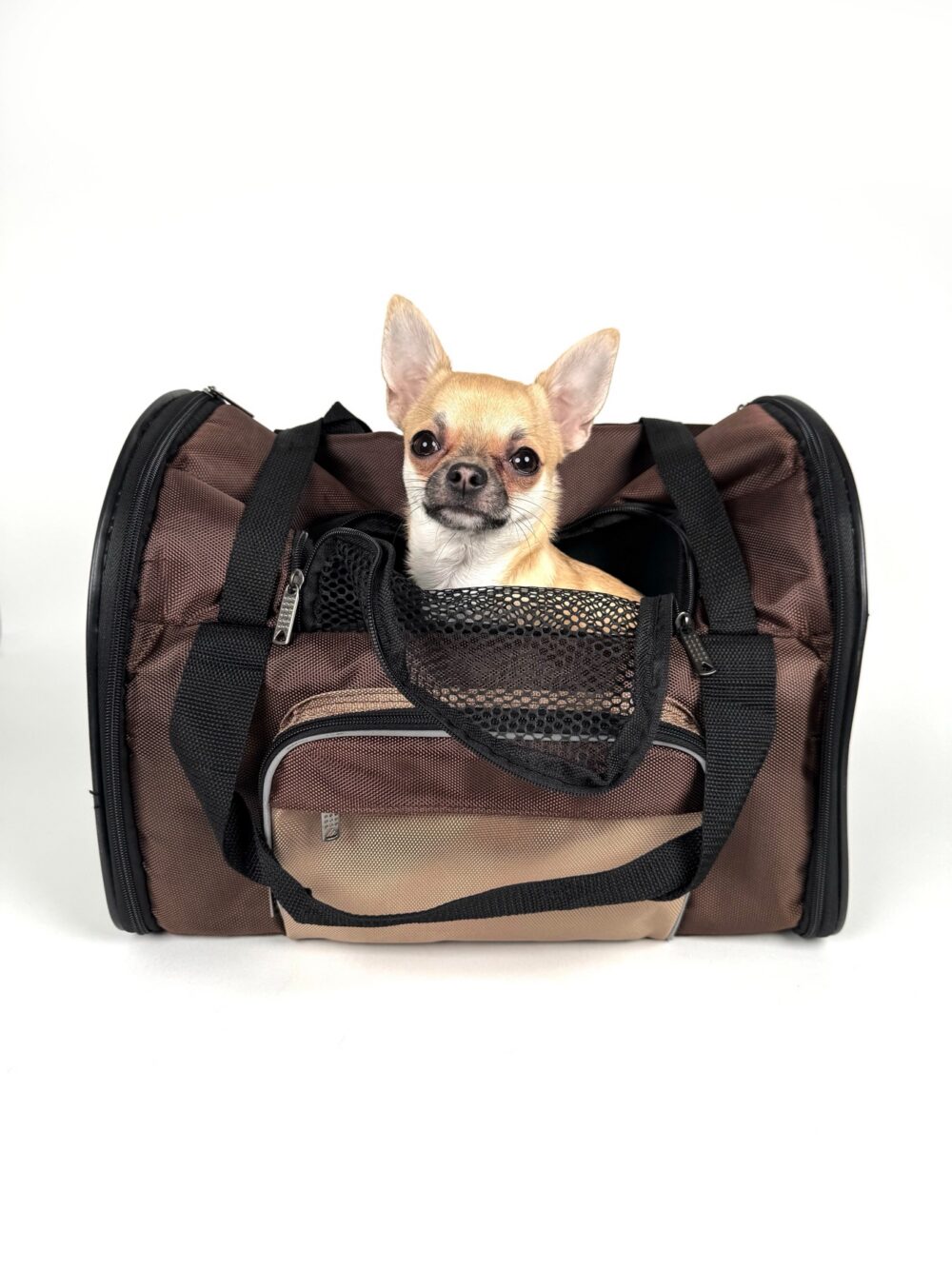
- Carriers and crates (structural strength, ventilation)
- Brushes and grooming tools (sharp edges, pin quality)
- Protective gear like dog boots, helmets, and heavy-duty collars
Marketplace snapshots from Chinese sellers show many of these categories — waterproof dog shoes, pet safety helmets, grooming gloves, multi-piece brush sets. For medium-stakes products, you need to look harder at:
- Weight and size limits stated vs realistic
- Fastener strength (buckles, clips, velcro) and stitching patterns
- Sharp points or rough edges where skin could be cut
For a harness or carrier, you might have 2-3 sample units tested by different dog sizes and ask customers for early feedback before scaling up.
High-stakes products (strict scrutiny or avoid)
High-stakes categories are where one bad batch can cause serious harm. These require documentation and, ideally, third-party testing before you sell them in the US.
- Food and treats (including dental chews)
- Supplements or “health” products like joint support, calming formulas
- Grooming chemicals (shampoos, flea/tick products, ear cleaners)
- Electronics that interact closely with pets: automatic feeders, fountains, heated beds, GPS collars, training collars
- Oral care products: dog toothpaste and gels
China’s domestic market itself is increasingly focused on safety and quality for pet care products, and there’s growing use of smart devices such as automatic feeders and fountains. That doesn’t guarantee any specific export listing is safe. For US importers, these categories can cross into regulated spaces: the FDA explains that imported animal food must meet US ingredient, facility-registration, prior-notice, labeling, and other applicable requirements in its animal-food import guidance, while flea and tick products may be regulated as FDA animal drugs or EPA pesticides depending on the product, as described in the FDA’s approval and registration guide.
For high-stakes items, responsible sourcing usually means:
- Requesting ingredient lists, material safety data sheets, and manufacturing process descriptions
- Asking for copies of any lab tests or certifications; then verifying validity yourself
- Considering independent lab testing in the US before launch
- Consulting the linked FDA resources and any applicable EPA or state guidance for the exact product (this article is not legal or veterinary advice)
If you don’t have the budget or expertise to handle that level of scrutiny, you’re often better off avoiding ingestibles and complex electronics and sticking to safer accessories.
Universal steps to vet Chinese pet product suppliers
Regardless of whether you find a supplier through a big directory, a marketplace, or an agent, you can use the same basic vetting flow.
1. Check the business and production scope
- Look for a consistent company identity: same name, address, and contact details on their website, platform profile, and any documentation they send.
- Review their product focus. A factory like Petstar openly describes itself as a global pet supplies manufacturer with specific lines (beds, apparel, electronics, grooming supplies). A supplier selling unrelated categories (pet toys, auto parts, and phone cases) may be a general trader rather than a specialist.
- Ask directly: Are you a factory, a trading company, or an agent? Each has different strengths. Factories can customize; trading companies may move more flexibly between factories.
2. Evaluate quality assurance signals
You’re looking for practical, verifiable signals, not just marketing claims.
- Sample policy: Can they provide product samples at a reasonable cost and timeline?
- Production details: Request photos or short videos from the workshop, and basic process explanations (e.g., how collars are stitched and tested).
- References: For larger orders, ask if they’ve supplied other markets similar to yours (e.g., US or EU) and whether they can share anonymized customer types (distributor, brand, retailer).
3. Inspect samples like a skeptical customer
When your samples arrive:
- Stress-test collars, harnesses, carriers, and toys under realistic forces.
- Inspect seams, zippers, snaps, and velcro for early failure.
- Wash apparel and soft goods a few times to see how they hold up.
- Check any metal parts for rusting or sharp edges.
Document everything with photos and notes. For high-stakes categories (electronics, ingestibles), incorporate lab scans or use professionals where needed.
4. Put agreements in writing and keep records
Even if you’re using a marketplace messaging system:
- Confirm product specs, packaging, and quality expectations in writing.
- Clarify order quantities, pricing, and timelines without inventing precise figures yourself.
- State what happens if goods arrive defective (e.g., agreed replacement or credit), then save the conversation.
Store all invoices, messages, photos, and test results. If something goes wrong, these records are your leverage with the supplier or platform.
5. Pay through secure, traceable methods
Use payment channels that provide receipts and some ability to dispute charges if there’s clear non-delivery or serious misrepresentation. Avoid sending money to personal accounts or via methods with no dispute options.
For first orders with a new supplier, many small brands cap the total payment to an amount they could afford to lose if things go very badly, then scale up only after successful deliveries.
How different sourcing channels handle trust for Chinese pet products
You’ll encounter several types of channels when sourcing pet accessories from China. Each structures trust differently.
B2B directories and wholesale platforms
Large directories such as Alibaba’s pet products page and the Made-in-China pet products directory primarily act as searchable catalogs.
Typical trust elements:
- Supplier profiles with basic company info and product categories
- Filters that let you narrow by supplier country, certification tags, or export markets
- Messaging tools to discuss orders and request samples
These platforms connect you, but the real quality and reliability still come down to the individual supplier and whatever contract or purchase terms you negotiate.
Consumer marketplaces (including DHgate)
Consumer-facing marketplaces host an array of Chinese pet accessories — collars, apparel, toys, grooming brushes, carriers, etc. DHgate is one such marketplace mentioned in editorial content as a source for importing trending items like pet supplies from China.
On marketplaces, trust is heavily listing-specific:
- Some products have many reviews and photos; others show zero reviews.
- Sellers range from specialized pet shops to general merchandise accounts.
A snapshot of DHgate pet listings observed on 2026-09-16 shows a mix of apparel, grooming tools, footwear, and toys with varying review counts:
| Product (example only, not an endorsement) | Category | Price range (USD) | Reviews / rating* |
|---|---|---|---|
| Dog apparel sweatshirt for small breeds | Dog Apparel | 11.69-13.99 | 6 reviews, rating 5.0 |
| Chinese-style New Year pet costume | Dog Costumes | 14.68-30.11 | 0 reviews |
| Silicone grooming glove | Dog Bath & Shower Supplies | 25.08-25.73 | 5 reviews, rating not shown |
| Waterproof dog boots | Dog Boots & Shoes | 28.13-28.85 | 0 reviews |
| Interactive dog ball toy | Dog Interactive Toys | 18.7-19.18 | 0 reviews |
\*Review counts and prices are snapshots only; listings and policies change over time.
On any marketplace — whether DHgate or a competitor — safer behavior means:
- Favoring sellers with consistent pet-focused catalogs and multiple well-rated listings.
- Treating very cheap, no-review listings with caution, especially in higher-risk categories.
- Reading buyer photos and comments specifically mentioning durability and safety.
You still need your own sampling and testing; marketplaces are not a replacement for due diligence.
If you specifically need help judging DHgate sellers and listings, look for a more focused guide on evaluating pet accessories there.
Sourcing agents and Yiwu-style markets
Independent guides on finding China pet product suppliers often mention hiring sourcing agents or visiting large physical markets (including Yiwu) where many pet products are displayed.
Trust mechanisms here:
- An agent can pre-screen suppliers, translate, and help with QC, but you must vet the agent themselves.
- Physical markets let you touch products directly and compare multiple factories in person.
This route can be attractive if you plan larger volumes and want someone on the ground, but it involves higher upfront cost and relationship management.
Factory-direct deals
For brands planning substantial orders or unique designs, approaching factories directly — like Petstar-style OEM/ODM manufacturers — can make sense.
Trust levers here include:
- Company registration documentation and export history
- Factory visits (virtual or in-person)
- Custom quality agreements written into contracts
This route can deliver consistent quality once the relationship is established, but it demands more time, negotiation, and often higher minimum orders.
Building a safer import workflow for your pet brand
If you run a small US ecommerce business, your goal is to benefit from China’s manufacturing strengths without putting pets or your brand at risk. A simple workflow helps.

Step 1: Start with safer categories
Launch with lower-stakes accessories: collars, leashes, apparel, soft beds, and simple toys. Avoid food, treats, supplements, complex electronics, and medicated grooming products until you have experience and budget for compliance checks.
Define a small set of SKUs you’d like to test. Use directories or marketplaces to identify 2-3 candidate suppliers for each type, emphasizing:
- Pet-focused catalogs
- Reasonable sample terms
- Clear communication in writing
Step 2: Run structured sample tests
For each shortlisted supplier:
- Order small sample batches instead of jumping straight into bulk.
- Create a checklist for each product type: strength tests, wash tests, fit and finish, and potential hazards.
- Have a few trusted customers or friends use items and provide written feedback.
Store photos, checklists, and feedback in a shared folder. Use this evidence to decide which supplier to scale with.
Step 3: Layer in compliance for higher-risk goods
When you eventually move into medium- or high-stakes categories:
- Request detailed specifications and any existing certifications or lab reports.
- Use US-based testing labs or consultants when chemicals, electronics, or ingestibles are involved.
- Check official US sources (federal agencies, customs resources) for import classification and rules. This is general guidance, not legal advice.
If lab results or documentation look incomplete or inconsistent, treat it as a warning and reconsider the product or supplier.
Step 4: Protect your brand with clear customer policies
Your sourcing process should connect directly to how you handle customers:
- Set a returns and refunds policy that covers defects and safety concerns.
- Keep batch-level records (which supplier, which shipment) so you can trace any issue.
- Be ready to pause sales, notify buyers, and work with suppliers on corrective actions if a defect emerges.
The more organized your import workflow, the faster you can respond to problems — and the easier it is to show that you took reasonable steps to protect animals.
By treating Chinese pet accessories as a broad, mixed-quality pool, separating safer and riskier categories, and using structured vetting and sampling, you can make more confident decisions. Sometimes the right call is to buy; sometimes it’s to walk away from a supplier or category that doesn’t pass a safety gut-check. Your pets, customers, and reputation are better served by that kind of deliberate caution than by chasing the very lowest price on every item.