
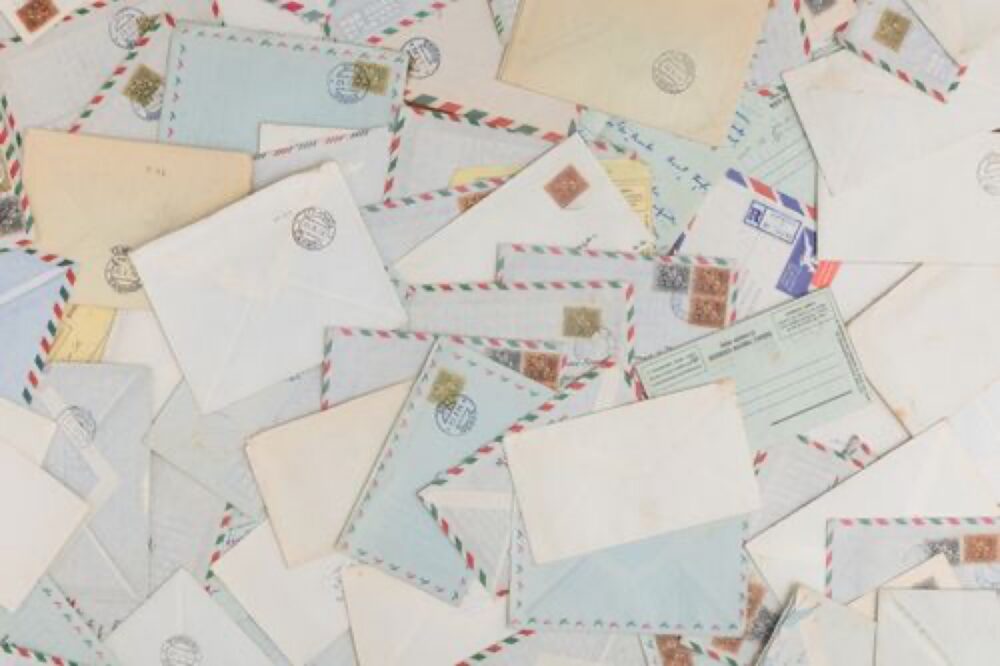
Buying envelopes and paper supplies in bulk can be a practical option for Australian buyers, as long as you treat it like any other business-critical purchase. The money at stake per order may be modest, but the operational impact is high: wrong C6 sizing, flimsy stock, or late deliveries can derail a wedding run or slow down ecommerce fulfilment. Verify specs in writing, order samples, use the documented checkout method for the specific seller or site, and keep records of what was promised.
For predictable, standard white A6/C6 envelopes, large Australian office-supply chains and specialist paper houses are usually the lowest-risk starting point. Cross-border marketplaces expand your options and sometimes your price range, but they add variables around quality consistency and communication, so they demand stricter checks and a careful first-order strategy.
Why Trust Matters Even for Simple Envelopes and Paper
Envelopes feel trivial until they fail at scale. For a wedding stationer or event planner, a mis-sized C6 envelope can mean an entire batch of A6 invites poking out, getting scuffed in transit, or being rejected by a client who expected a specific look. For a small ecommerce brand, thin or poorly sealed mailers can burst in transit, trigger customer complaints, and test your relationship with Australia Post.
Specialist suppliers like Envelopes Australia market a wide range of paper envelopes and underline that physical mail is still widely used for contracts, government documents, and invitations.Paper envelopes remain a tangible part of how businesses communicate, so quality and sizing aren’t cosmetic—they affect whether items arrive intact and look professional.
For DIY invitation workflows, a retailer such as The Paper Place in Australia offers card, paper, and many envelope sizes, including non-standard options. If you source similar products from multiple suppliers without tight control over specs, you can end up with cards that don’t match envelope windows, colours that clash, or mixed GSM that behaves badly in printers.
Operational risk shows up in a few predictable ways:
- Size mismatches. C6 envelopes should be around 114 x 162 mm to suit A6 cards. A listing that only says “small envelope” without ISO sizing can lead to inserts not fitting or rattling around.
- Flimsy or inconsistent stock. If the paper weight (GSM) isn’t stated, you may receive envelopes that feel cheap, show through print, or jam in your printer or stuffing machine.
- Closure problems. Poor adhesive, misaligned peel-and-seal strips, or gummed flaps that don’t bond can slow fulfilment and cause mail to open in transit.
- Colour and finish drift. Pearlescent or textured stocks look different under different light; if your supplier switches batch without warning, your brand or event suite may suddenly feel off.
- Timing issues. A delay on envelopes can cascade into delayed invitations, launch mailers, or invoice runs, especially if your whole pack-out workflow is built around that stock.
These aren’t catastrophic in dollar terms per order, but they’re very real headaches. Taking envelopes and paper seriously from a trust perspective means fewer rush reprints, refunds, and awkward calls to clients.

Universal Trust Habits for Buying Envelopes & Paper Supplies
Regardless of where you buy—from Officeworks, a boutique stationer, or an overseas marketplace—the same trust habits apply. The goal is to make sure the item that arrives is exactly what your workflow expects.
Lock down the specs, not just the colour
For envelopes and paper, the technical details matter more than the product name.
For white A6/C6 envelopes, confirm:
- Size: Ask for ISO sizing in millimetres (e.g., C6: 114 x 162 mm). Avoid vague labels like “small card envelope.”
- Paper weight (GSM): Typical invitation envelopes might sit around 100-120 gsm; heavier stocks feel premium but can add postage and bulk. Request the exact GSM figure and make sure it matches your insert and printing method.
- Finish and colour: “Ivory wove” or “pearlescent” on Envelopes Australia’s paper envelope listings are descriptive, but always ask for batch consistency if you re-order.
- Closure type: Gummed, peel-and-seal, self-seal; for high-volume ecommerce, peel-and-seal often saves time.
- Recyclability and material: If sustainability claims matter for your brand, ask explicitly whether the envelopes are recyclable or made from recycled stock.
Put these specs in an email or order note and keep a copy. That’s your reference if something arrives out of spec.
Insist on samples before large runs
For any new supplier, request samples or buy a small pack first—even if it’s more expensive per unit.
Use those samples to:
- Test your printer or press (laser vs inkjet vs digital print). Watch for smudging, cracking on folds, and colour shift.
- Check fit with your inserts, labels, and any enclosure cards.
- Do a few real send-outs through Australia Post to see how the envelope survives handling.
This step is crucial for wedding stationery and boutique uses, where suppliers like Sea and Paper in Melbourne focus on textures and finishes that can behave differently on press.
Cross-check business details and presence
For domestic suppliers, look for:
- An ABN and physical address on the site.
- Clear contact channels (phone or email that responds reasonably quickly).
- Some trading history or sector positioning—for example, Livingstone supplies envelopes alongside paper products to healthcare and education sectors, suggesting a broader institutional customer base.
For marketplaces or smaller online shops, search the business name plus “reviews” or check general review platforms. You’re not looking for perfection, but for a pattern that feels consistent with your risk tolerance.
Use documented checkout and keep records
Use the standard documented checkout method shown by the specific seller or site, and check its current official terms before ordering. Do not infer a platform-wide protection or dispute mechanism from this article. Save:
- Order confirmations.
- Spec sheets or emails describing the envelopes/paper.
- Photos of any issues if something arrives wrong.
Those records give you a clear account of the specification and condition if you need to raise a problem with the seller or your chosen payment provider.
Choosing Between Australian Retailers, Specialists, and Marketplaces
Australian buyers have three broad channels for envelopes and paper supplies: office-supply chains, specialist envelope/paper houses, and global marketplaces. Each has a different trust profile.
How the main channels differ for envelopes & paper
Here’s a practical comparison based on how these channels present themselves and how Australian buyers typically use them:
| Channel type | Typical role for envelopes & paper | Trust strengths | Main risks |
|---|---|---|---|
| Large office-supply chains (e.g., Officeworks, Office Choice) | Everyday DL, C5, C6 envelopes, basic paper supplies for offices and ecommerce | Predictable standard sizes, familiar brands, easy re-ordering | Limited specialty finishes, smaller colour range; may not suit premium invitations |
| Specialist envelope/paper suppliers (e.g., Envelopes Australia, The Paper Place, Envelope Solutions) | Wide range of envelope sizes, colours, and stocks; custom runs for events and branding | Detailed specs, niche sizes (including C6 invitation envelopes), ability to match cards and envelopes | Higher per-unit cost in some cases; more variables to specify correctly; lead times may vary |
| Boutiques and creative studios (e.g., Sea and Paper) | Event stationery, wax-sealed invitations, gifting suites | Aesthetic focus, cohesive collections, advice on visual pairing | Smaller volume capacity; risk of stock changes if you repeat a campaign |
| Global marketplaces (Amazon, Cross-border multi-seller, etc.) | Bulk generic envelopes, clear packing-list envelopes, decorative mini envelopes | Huge variety, access to cross-border manufacturers, potential bulk pricing | Greater variation in spec detail, quality control and communication; shipping and customs variability |
For white A6/C6 envelopes in bulk, many small Australian ecommerce businesses start with chains like Officeworks or a wholesale envelope specialist such as Envelope Solutions, which describes itself as a wholesale specialty envelope supplier including A4 paper and card. These channels generally offer standardised sizing and let you scale orders with fewer surprises once you’ve tested a product.
Global marketplaces become interesting when you either need very specific formats (e.g., transparent packing-list envelopes stuck to cartons) or you’re experimenting with decorative mini envelopes for branding.
Where a marketplace like DHgate realistically fits
DHgate is one example of a cross-border marketplace where sellers list envelope and paper-related products—from bulk transparent packing-list envelopes to mini decorative envelopes. Around 2026-09-15, DHgate’s product listings included items such as:
- Transparent “packing list enclosed” pouch envelopes for invoices and packing slips.Transparent packing-list envelope example
- Vintage-style mini paper envelopes aimed at weddings and office invitation cards.Mini decorative envelope example
Prices and availability can change, and these snapshots are not endorsements. If you explore DHgate or similar marketplaces for envelopes & paper supplies:
- Read the full listing carefully for size in millimetres, GSM, and material.
- Check any seller history and reviews available on the product page.
- Start with a small order or sample rather than committing to thousands of units.
Marketplace sourcing can work well for specialised or decorative envelope use-cases, but for core white C6 mailers you use daily, local standardised stock is often the less risky base.
Platform Listings Are Evidence Inputs, Not Guarantees
Some listings expose product descriptions, seller details, ratings, or reviews. Availability and meaning vary by site, and this article does not establish any platform-wide dispute, refund, return, or delivery mechanism.
That said, there are clear limits:
- Specs can be technically correct but practically wrong for you. An envelope listed as 110 x 160 mm might be close enough to C6 for the platform’s purposes, but not close enough for your exact invite design.
- Reviews may focus on shipping, not print behaviour. A five-star rating may reflect fast delivery, not how the envelope handles digital printing or branding stamps.
- Subtle quality differences can be difficult to demonstrate after delivery. Define acceptable colour, texture and print behaviour in writing and approve a sample before scaling.
Because of these limits, platforms cannot replace your own testing and specification discipline. Assume that you—not the platform—are responsible for:
- Confirming that “C6” in a listing actually matches your design requirements.
- Ensuring the GSM and finish are compatible with your printer or press.
- Establishing realistic lead times that account for production and transit.
Platforms are helpful backstops, but they’re not quality-control labs for envelopes and paper.
Practical First Order Strategy for New Envelope Suppliers
If you’re trialling a new supplier for envelopes & paper—whether that’s an Australian wholesaler or a marketplace seller—it pays to treat the first order as a structured test.
For wedding and event stationery
- Define your exact suite. List the invite size, RSVP card size, any enclosure cards, and the desired envelope sizes (often C6 for A6 cards, C5 for folded A4, plus any square formats).
- Request a small mixed pack. Ask the supplier for a small quantity of each envelope type and paper stock you plan to use, preferably in the same batch you’d receive for a real order.
- Print, assemble, and send a test batch. Run test prints, assemble full invitation suites, and mail a handful to yourself and a trusted contact. Check for:
- Fit and feel when opening.
- Any ink cracking on folds or uneven coverage on textured stocks.
- How the envelopes look after going through the postal system.
- Gather feedback and refine specs. If clients or colleagues find the flaps hard to seal or the envelopes too transparent, adjust GSM, closure type, or finish before placing a large order.
For ecommerce mailers shipping from Australia
- Map your typical shipments. Identify the most common weight bands and product types you send in envelopes (documents, small components, postcards).
- Pick 1-2 core envelope SKUs. For example, a standard C6 for small items and a C5 or B4 for documents. Source samples from a supplier like Officeworks or a wholesaler such as Envelope Solutions so you can test real stock.
- Run a short A/B test. Pack and send a week’s worth of orders using the new envelopes, tracking:
- Pack-out time (including sealing and labelling).
- Customer feedback or delivery issues.
- Any noticeable damage or open envelopes on arrival.
- Decide whether to scale or switch. If the new envelopes perform well, lock them in as your standard SKU and negotiate bulk pricing or standing orders. If not, tweak GSM, closure type, or size with the supplier and repeat a smaller test.
Treating that first order as a test protects you even if you’re buying cross-border or experimenting with niche stationery. Once you’ve proven a product in your own process, reordering from a trusted supplier—whether Australian or overseas—becomes a low-stress part of running your business.