
Canadian buyers of auto and hardware supplies rarely find a single “best” place to shop. You usually end up with a mix: local hardware or auto parts stores for urgent or safety‑critical items, Canadian ecommerce sites for branded parts with predictable returns, and cross‑border marketplaces only when bulk savings or niche parts justify longer shipping, duties, and extra vetting. The trick is to compare channels using the same lens—what you’re buying, how fast you need it, and how much risk you’re willing to carry.
This guide focuses on that comparison for Canada: how to think about auto parts vs automotive hardware vs general tools, what different channels actually offer, how price and shipping trade off, and which mix works for a home DIYer, garage, or small ecommerce seller.
How Canadian buyers should compare auto and hardware supply channels
Before you compare Home Hardware, a Canadian ecommerce site, a local jobber, or a cross‑border wholesale platform, you need a simple way to line them up. For Canadian buyers, six factors matter most.
1. What you’re actually buying
People lump “auto & hardware supplies” together, but it’s at least three different categories:
- Auto parts – brake rotors, suspension components, alternators, filters, etc.
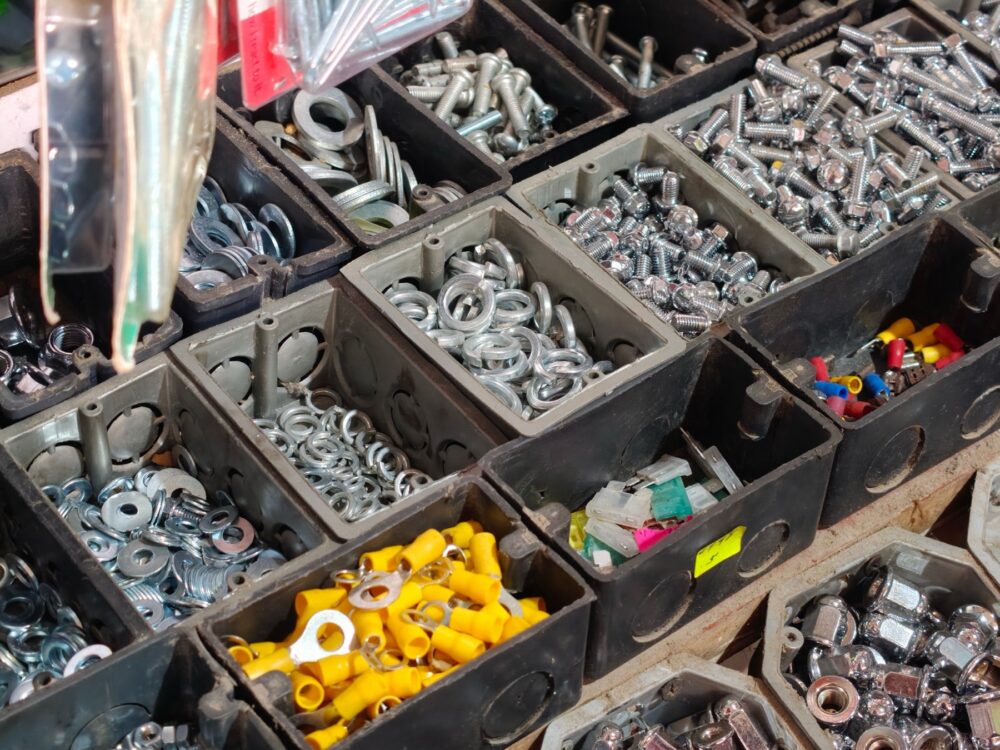
- Automotive hardware – body clips, trim fasteners, U‑nuts, specialty bolts and nuts, electrical connectors.
- Tools and general hardware – socket sets, wrenches, pliers, shop supplies, safety gear.
Chains like the Home Hardware automotive section show this split in practice: fluids and batteries sit alongside shop tools and basic accessories. By contrast, automotive hardware specialists such as Lawson Products’ automotive hardware collections dive deep into clips and fasteners but aren’t your source for a torque wrench or car wash soap.
If you mix these categories in your comparison, you’ll misjudge a platform. A general hardware chain is fine for oil and shop towels; that doesn’t mean it’s the right place to source a specific trim clip for resale.
2. Urgency and downtime cost
How quickly you need the item often matters more than a 10-15% price difference.
- Same‑day need (e.g., customer’s car on the hoist): local Canadian hardware or auto parts stores win because you can pick up now.
- 1-3 days (planned jobs): domestic online retailers that ship within Canada are usually efficient enough.
- 1-3 weeks (bulk inventory, niche hardware, accessories): cross‑border marketplaces can be considered if the savings are real.
For a shop, the cost of a bay sitting idle can easily exceed whatever you save by waiting for a cheaper shipment.
3. Safety‑critical vs non‑critical parts
You should treat brakes, steering, structural hardware, suspension components, and anything directly tied to safety very differently from cosmetic accessories, trim pieces, or detailing supplies.
In practice that means:
- Preference for OEM or trusted aftermarket brands from established Canadian distributors or well‑known online retailers for safety‑critical parts.
- More flexibility on sources for non‑critical items like interior accessories, fastener assortments for non‑structural areas, car care products, or convenience gadgets.
If there’s any doubt, consult the vehicle manufacturer information or a licensed technician before experimenting with cheaper or unfamiliar sources.
4. Total landed cost in Canada
Price tags on search results don’t tell you what you actually pay. For Canadian orders, compare landed cost:
- Item price × quantity
- Shipping within or into Canada
- Currency conversion if billed in another currency
- Duties and taxes at the border on cross‑border orders
For example, a hardware assortment from an overseas marketplace might look half the price per kit, but once you factor in shipping, currency, and import fees, the gap shrinks. Local chains like Home Hardware or auto parts retailers may seem pricier per unit but charge no extra duties and have more predictable tax handling.
5. Returns and mistakes
Mistakes happen: wrong thread, wrong connector, or a part that doesn’t match a specific trim level.
- Local Canadian stores often allow in‑person returns, which is fast and low‑friction if you mis‑spec a part.
- Canadian ecommerce usually offers mail‑back returns, but you’ll still weigh shipping cost and time.
- Cross‑border purchases can be uneconomical to return due to international shipping and customs paperwork. For low‑value items, you might end up eating the loss.
If you’re experimenting with new SKUs or suppliers, the channel with easier returns might be worth a slightly higher unit price.
6. Risk tolerance and verification effort
Risk isn’t just counterfeit product; it’s also inconsistent fitment, vague specs, and unreliable delivery schedules.
Higher‑risk channels (such as lesser‑known cross‑border sellers) can be workable, but only if you’re willing to:
- Dig into detailed specs and drawings.
- Cross‑reference fitment with OEM data.
- Start with smaller test orders instead of betting the shop.
Lower‑risk channels (local retailers, reputable Canadian online stores, established hardware brands like Dorman’s automotive hardware range) reduce that workload but tend to cost more per unit.
What different channels offer for auto parts and hardware in Canada
Once you have that comparison lens, the landscape in Canada breaks into a few clear channel types.
Canadian hardware chains with automotive aisles
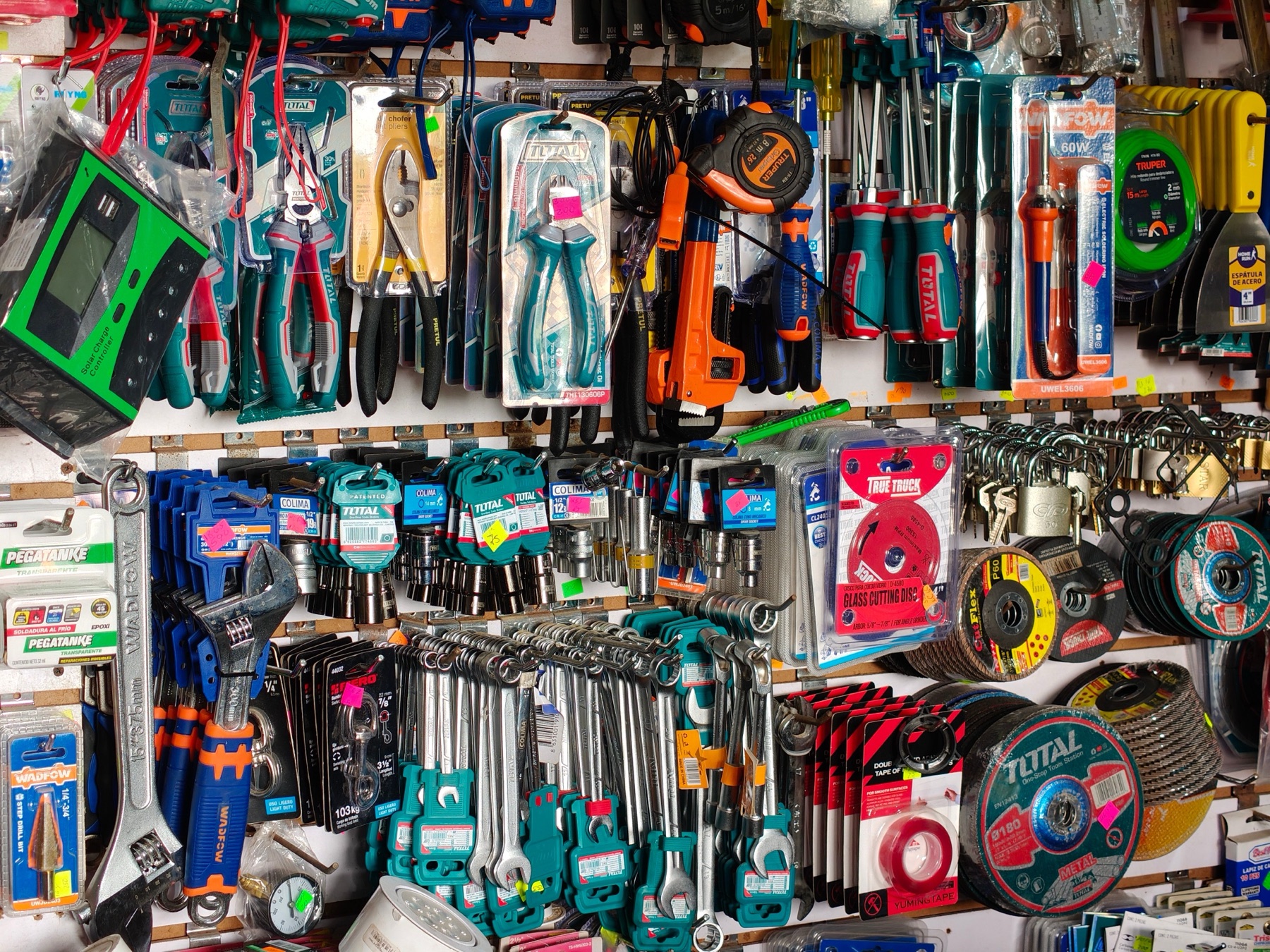
Large Canadian hardware chains combine general hardware, tools, and automotive supplies.
- The Home Hardware automotive category shows typical coverage: oil, fluids, batteries, car care, basic tools, and accessories shipped to Canadian addresses.
- Some locations go further and run full auto parts counters through networks such as Auto Value at a Powassan Home Hardware location. That specific store combines hardware with an Auto Value counter, giving local buyers both building supplies and auto parts in one trip.
These chains are strong for:
- Fluids, filters, car care products.
- Basic tools and safety gear.
- Common hardware like bolts, anchors, and some automotive fasteners.
They’re less likely to stock niche car‑specific hardware assortments or deep catalogues of model‑specific parts.
Automotive hardware specialists and aftermarket brands
Automotive hardware sits in a niche between body parts and generic fasteners. Specialists in this area include:
- Automotive hardware distributors such as Lawson Products in Canada, with categories like push‑in retainers, body clips, trim fasteners, U‑nuts, speed nuts, and hood or door hardware.
- Aftermarket brands such as Dorman’s hardware line, which focuses on replacement hardware and repair accessories rather than general tools.
For a shop or ecommerce seller focused on bodywork, trim repairs, or recurring fastener needs, these channels can become your “go‑to” because they offer assortments designed specifically for automotive applications.
Local auto parts retailers and regional competition
Canadian consumers have no shortage of local auto parts options. Regional roundups and directory listings like Yelp’s auto parts & supplies results for Mississauga, ON show multiple independent and chain retailers competing in the same city.
This competition generally means:
- Wide selection of maintenance and repair parts.
- Options for both OEM and aftermarket brands.
- Counter staff who can cross‑reference parts by VIN or license plate.
For safety‑critical parts and urgent jobs, these retailers often sit at the center of a Canadian shop’s sourcing strategy.
Discount generalists with basic auto and hardware
Discount chains like the Family Dollar auto, hardware, and outdoors department illustrate another channel: generalists that bundle low‑cost auto accessories with hardware and outdoor items.
They’re oriented toward:
- Simple accessories (air fresheners, basic seat covers, small tools).
- Low‑ticket hardware and consumables where price is the main draw.
These stores are rarely a primary source for garages or ecommerce sellers but can be useful for topping up cleaning supplies, gloves, or consumer‑level accessories.
Global online marketplaces and cross‑border wholesale
Global platforms form another layer for Canadian buyers:
- Large retail marketplaces carrying both branded and unbranded automotive and hardware items, often with Canada‑friendly shipping.
- Cross‑border wholesale marketplaces like DHgate and Alibaba, where buyers can source bulk auto parts, automotive hardware, and accessories from overseas suppliers at low per‑unit prices.
Wholesale demand for auto parts and accessories has been shifting online globally, with more buyers searching and sourcing via digital channels rather than only local suppliers. But marketplace listings for automotive hardware and components vary widely—some offer customizable or OEM‑style items, others are generic—and seller experience is not consistent.
For Canadian buyers, these platforms are most relevant when you:
- Need bulk quantities of non‑critical items (e.g., detailing brushes, trim clips, car wash towels, simple tools).
- Are sourcing customized hardware or components and can review drawings and samples before committing.
You must be willing to invest extra time verifying specs, supplier history, and landed cost, and to accept more complexity around returns.
How prices, shipping, and risks really compare across channels
No channel wins on every dimension. The table below summarizes common trade‑offs for typical Canadian use.
| Channel type | Typical unit price (editorial) | Shipping speed to you (editorial) | Landed cost predictability (editorial) | Risk level for fitment/quality (editorial) |
|---|---|---|---|---|
| Local hardware & auto parts stores | Highest | Same‑day pickup | Very predictable | Low–medium |
| Canadian ecommerce (auto/hardware) | Medium | Around 1-3 business days | High (no border crossing) | Low–medium |
| Discount generalist chains | Low on basic items | In‑store; limited shipping | High | Medium for durability |
| Cross‑border wholesale marketplaces | Lowest on bulk non‑critical SKUs | Often 1-3 weeks or more | Medium–low (duties, FX, fees) | Medium–high |
These cells reflect editorial judgment, not measured data, but they match how many Canadian buyers experience the trade‑offs.
Price vs speed
- Local retail: You pay the most per unit but get instant availability and minimal admin overhead.
- Canadian online: Often cheaper than walk‑in retail for branded parts, with reasonable transit times and clear tax handling.
- Cross‑border wholesale: Per‑unit costs can be significantly lower on bulk orders, especially for generic hardware or accessories, but lead times, customs clearance, and variable shipping fees mean you must plan inventory.
Shipping and Canadian realities
Even for online purchases, Canada’s geography and weather matter.
- Urban centers near major couriers tend to see more reliable 1-3‑day shipping from domestic retailers.
- Remote shops or northern communities may see longer transit times and fewer carrier options, making local inventory or bulk planning even more important.
- Cross‑border shipments can be delayed by customs inspection, especially for large or irregular consignments of metal hardware and auto parts.
Risk and what you can reasonably control
Risk management looks different in each channel:
- With local stores and known brands, your main risk is picking the wrong part number; staff and catalogues help minimize that.
- With online Canadian retailers, fitment tools and customer reviews help, and returning wrong parts is usually manageable.
- With cross‑border wholesale, seller quality and spec accuracy vary more. Marketplaces may host many customizable automotive hardware listings, but individual sellers differ in experience and verification. Your controls are careful spec review, test orders, and limiting cross‑border sourcing to non‑critical parts where a misstep is inconvenient, not dangerous.
Matching channels to Canadian buyer scenarios
Most Canadian buyers end up with a portfolio of channels rather than a single favorite. Here’s how that typically plays out in real scenarios.
Scenario 1: Urgent repair on a daily driver
You’re a shop or DIYer with a vehicle off the road today.
- What you need: Safety‑critical parts (brake hardware, steering components), plus maybe a specialty fastener or clip.
- Best channels:
- Local auto parts retailers (the kind of options you see in regional directories for Mississauga, ON) for core parts.
- Hardware chains with auto counters, such as a Home Hardware paired with Auto Value, for supporting hardware and fluids.
Cross‑border or long‑haul online orders are poor fits here; downtime costs more than any savings.
Scenario 2: Planned maintenance and light upgrades
You’re scheduling brake service, fluid changes, or adding mild accessories in the next couple of weeks.
- What you need: Pads and rotors, filters, fluids, minor accessories, general hardware.
- Channel mix:
- Price‑compare Canadian ecommerce options for branded parts and get them shipped ahead of time.
- Use hardware chains like the Home Hardware automotive section for fluids, shop supplies, and basic tools.
You might experiment with a small cross‑border order for non‑critical accessories (e.g., interior trim pieces or car care kits), but only if lead time isn’t sensitive.
Scenario 3: Stocking resale inventory as a small ecommerce seller
You’re building an online catalog of auto accessories or hardware and need sustainable margins.
- What you need: Repeatable SKUs, predictable quality, decent packaging, competitive landed cost.
- Practical playbook:
- Validate demand using locally sourced or Canadian‑distributed items, even at higher cost, to see what actually sells and how returns look.
- Move stable, non‑critical SKUs to bulk: once you know a SKU moves and isn’t safety‑critical, compare bulk pricing from domestic wholesalers and cross‑border marketplaces such as DHgate and Alibaba.
- Run a cross‑border checklist for each candidate SKU:
- Confirm specifications and dimensions match your current product.
- Check sample orders for fit, finish, and consistency.
- Compute landed cost per unit, including estimated duties and shipping.
- Decide whether potential savings justify longer lead times and more complex returns.
Use cross‑border wholesale mainly for items like detailing brushes, clip assortments, shop rags, and interior accessories instead of critical components.
Scenario 4: Sourcing niche or custom automotive hardware
You’re a fabrication shop, restorer, or niche parts seller needing unusual fasteners or custom‑made hardware.
- What you need: Low‑volume custom parts or specialized fasteners that general retailers don’t stock.
- Channel mix:
- Start with automotive hardware specialists such as Lawson Products’ automotive selections or aftermarket brands like Dorman’s hardware for as close a match as possible.
- If nothing fits, consider custom fabrication or overseas suppliers that offer customization based on your designs. Some marketplace listings explicitly offer customized automotive and motorcycle hardware; these can be options when you can share technical drawings and vet prototypes.
For any hardware tied to structural integrity, steering, or braking, involve an engineer or experienced technician and ensure compliance with local standards; cheaper or custom doesn’t automatically equal acceptable.
Scenario 5: Equipping a Canadian garage or workshop
You’re setting up or upgrading a garage and need foundational tools and safety gear.
Automotive work typically requires basic hand tools and safety equipment such as wrenches, socket sets, pliers, screwdrivers, gloves, and eye protection. These are widely available through general hardware channels—Canadian hardware chains, tool specialists, or even discount generalists for lighter‑duty gear.
A practical split:
- Core tools and safety gear – buy from reputable hardware chains or tool brands for durability and support.
- Consumables and extras – source rags, brushes, and some specialized gadgets from lower‑cost channels, including discount chains or, for bulk, carefully chosen cross‑border suppliers.
The result is a garage stocked with reliable essentials, supplemented by cheaper consumables where failure is annoying, not dangerous.
How Canadian buyers can combine channels intelligently
Most Canadian garages, DIYers, and ecommerce sellers who succeed with auto and hardware supplies have a pattern:
- Local and Canadian online for anything urgent, safety‑critical, or brand‑sensitive.
- Automotive hardware specialists for fasteners, clips, and niche hardware where fit and material matter.
- Discount and cross‑border channels for price‑sensitive, non‑critical commodities and bulk consumables, but only after careful spec checks and small test runs.
If you keep those boundaries clear, you can use each channel for what it does best—speed, predictability, or low per‑unit cost—without gambling your customers, your margins, or your own safety on the wrong kind of savings.