
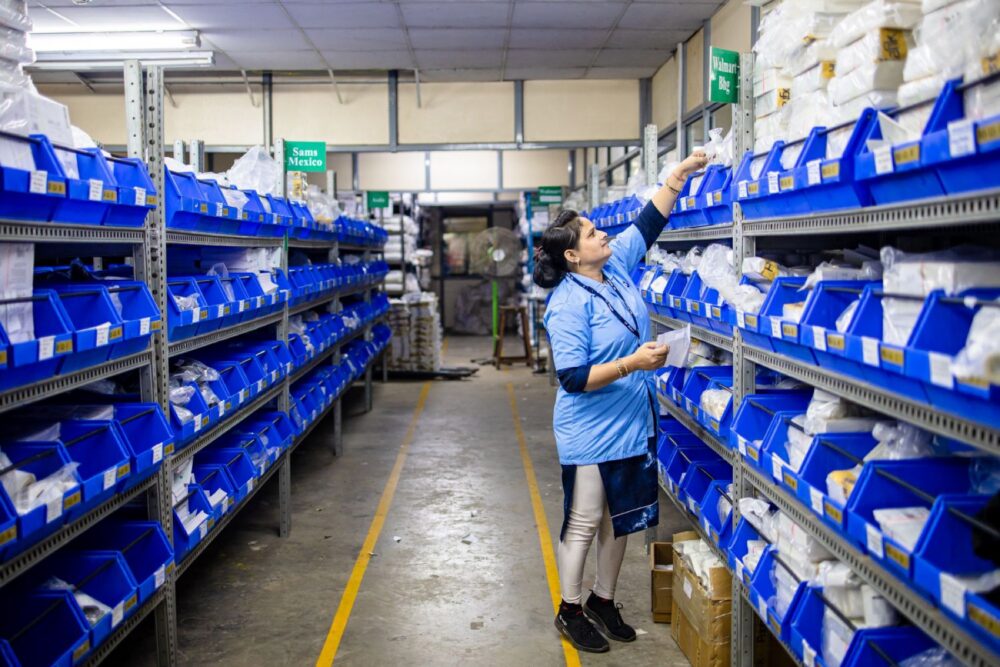
You can’t literally find the Faire Wholesale Marketplace inside DHgate or pull Faire brands through DHgate search. They are separate ecosystems with separate sellers, apps, and workflows. What you can do is use DHgate as an alternative sourcing channel for similar categories—like custom apparel, home and gift items, storage, and small accessories—then vet those suppliers, place small test orders, and decide if the landed cost and risk profile beat or complement what you’re doing on Faire.
For a US boutique or ecommerce shop used to Faire, that means reframing the question from “How do I find Faire on DHgate?” to “How do I rebuild the same kind of assortment by going closer to factories on DHgate?” The steps below walk through that process.
Faire vs. DHgate: What You Can—and Can’t—Do
Faire runs its own curated wholesale marketplace and mobile app for retailers. You apply for access, then buy from independent brands that have already done product development, branding, and often US-compliant packaging. Those brands manage their own presence on Faire’s platform.
DHgate, by contrast, is a large B2B marketplace connecting mainly China-based manufacturers and suppliers with global buyers. Editorial material on DHgate describes tens of millions of listed products across categories like clothing, electronics, home, beauty, toys, and gifts, and notes that buyers can often order very small quantities with better pricing at higher volumes.
That difference matters for your search intent:
- You should not expect to type a Faire brand name into DHgate and see its official catalog.
- You can search DHgate for lookalike categories—say, unbranded candles, storage boxes, graphic tees, or keychain accessories—that fill the same role in your assortment as a Faire line.
- In many cases you’ll be dealing directly with factories or trading companies, not polished brands with story pages and press-ready photography.
If you need the exact brand, packaging, and story you get on Faire, you stay on Faire or go direct to that brand. If you’re comfortable building your own brand or selling unbranded product where design and margin matter more than label, DHgate becomes relevant.
How Faire-Style Wholesale Sourcing Usually Works
Understanding the supply chain helps you see how DHgate fits.
For categories like apparel, home décor, gifts, beauty accessories, and small gadgets, the chain often looks like this:
- Factory / manufacturer – produces the physical item (e.g., a generic cotton t-shirt, a plastic storage bin, a silicone kitchen tool).
- Trading company or wholesaler – may bundle or repackage items from multiple factories.
- Brand – develops a collection, invests in design, packaging, labeling, compliance, and storytelling, then sells wholesale to retailers.
- Curated wholesale marketplace (like Faire) – aggregates many brands, negotiates terms with them, and offers discovery, search, and often net terms to retailers.
- Retailer – your boutique, online shop, or local store.
DHgate usually sits closer to the factory / wholesaler end than the curated brand end. Sellers may be:
- Factories offering OEM/ODM (they can customize or produce to spec).
- Distributors listing stock items in bulk.
That means you’re taking on some of the work a brand or curated platform normally does: choosing designs, specifying materials, checking packaging, and building your own merchandising story.
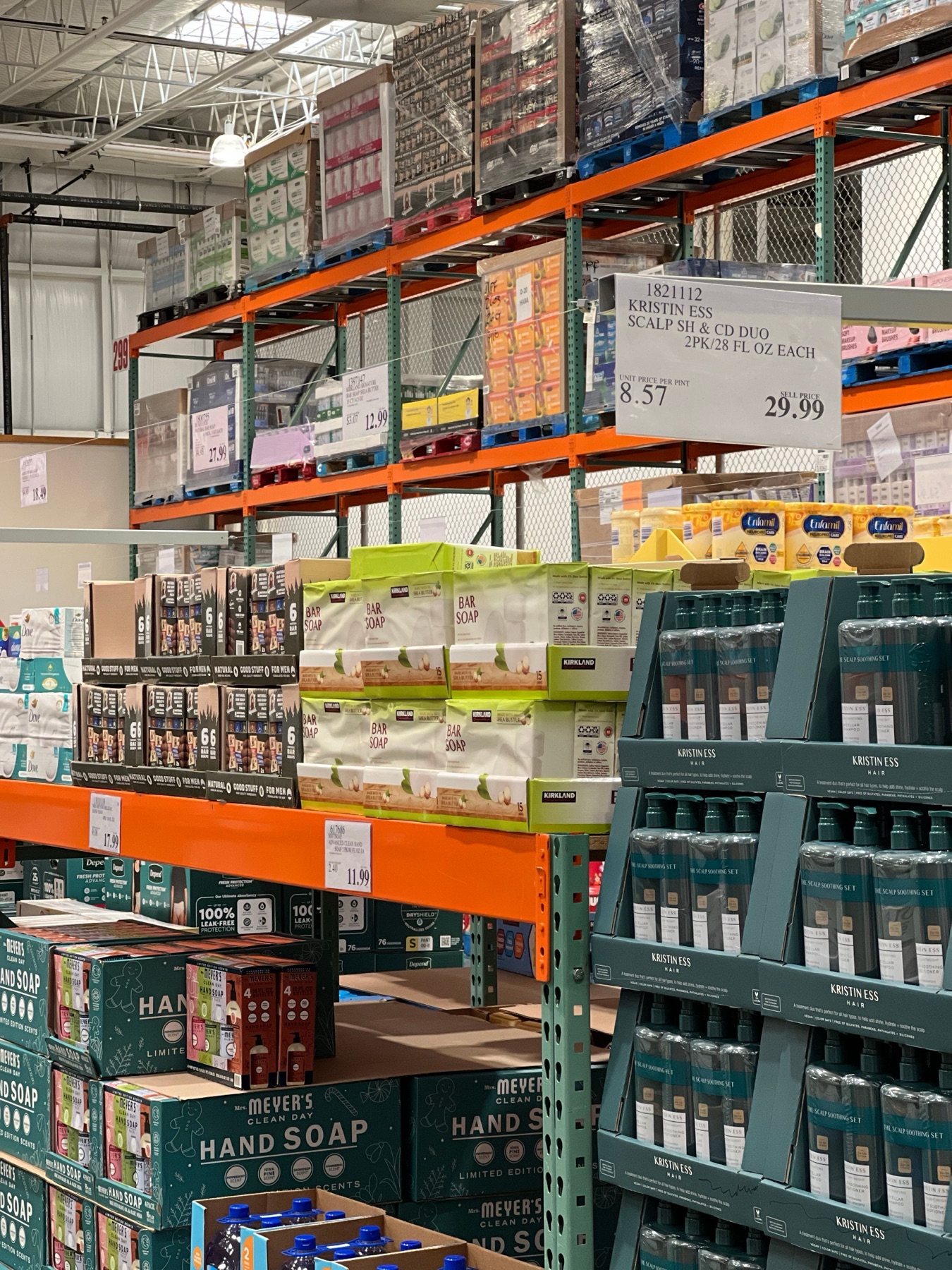
Finding Faire-Like Product Categories on DHgate
Here’s how to translate typical Faire-style categories into concrete DHgate searches and filters, using actual listings as examples. Product availability and prices change, so treat these as patterns rather than recommendations.
1. Apparel basics and custom tees
If you use Faire to source boutique tees or basics, DHgate can act as a factory-level alternative.
On 2026-09-14, DHgate listed a product titled “High-quality custom t-shirt wholesale” in the Men’s T-Shirts category, with mid single-digit USD pricing per piece at that time:
To find similar items:
- On DHgate, hover over Apparel and drill down to Men’s T-Shirts or Women’s T-Shirts.
- Use search phrases like `custom t-shirt`, `blank oversized tee`, or `streetwear t shirt`.
- Check the quantity selector and description to see whether the seller allows small quantities (sometimes down to a handful of pieces).
- Prioritize listings that show multiple fabric options and clear size charts, since you don’t have a brand’s QA team doing that for you.
2. Home and storage items as giftable goods
Plenty of Faire assortments are built around practical-but-giftable home pieces. On DHgate’s side, the equivalent is unbranded home and kitchen storage.
On 2026-09-14, DHgate showed a listing titled “Wholesale Refrigerator Storage Kitchen Transparent Large Capacity Fresh-Keeping Fruit and Vegetable Food Classification Organizer Sealed Box” in Storage Boxes & Bins, with low single-digit USD pricing per unit at that time:
To locate this type of product:
- Navigate to Home & Garden → Storage & Organization → Storage Boxes & Bins.
- Search phrases like `fridge organizer`, `pantry storage bin`, or `transparent storage box`.
- Look for listings with multiple size options and lifestyle photos; those help you imagine how you’ll photograph and merchandise the item for your own brand.
3. Tool organizers and DIY-focused assortments
If your store leans into maker, DIY, or hardware-adjacent assortments, DHgate’s tool organizers can act as a private-label equivalent to branded bins you might discover on a curated marketplace.
On 2026-09-14, an example listing in Tool Organizers was labeled “Transparent Hardware Multifuntional Toolbox Plastic Parts Organizer Household Tool Storage Box”, with mid-teens USD pricing per unit at that time:
To build a short list:
- Go to Home & Garden or Tools, then filter to Tool Organizers.
- Search for `parts organizer`, `tool storage box`, or `hardware organizer`.
- Compare listings on how clearly they show compartments, dimensions, and materials—because you’ll need to translate those specs into your product pages.
4. Small accessories and add-on items
Curated marketplaces are often where boutiques pick up inexpensive upsell items—keychains, small fishing accessories for outdoor shops, and similar impulse buys. DHgate has a deep bench of these micro-accessories.
Two examples observed on 2026-09-14:
- Flat Key Accessories Keychain Ring wholesale in Other Retail Supplies, with well-under-USD1 pricing per ring at that time.
- Wholesale gear, steel wire string hooks, scales, sea accessories, supplies, rock fishing accessories in Fishing Accessories, also in the sub-USD1-per-piece range at that time.
To find these:
- Use search terms keyed to your niche: `keychain ring`, `lanyard keyring`, `fishing accessories`, `terminal tackle`.
- Filter by category (e.g., Other Retail Supplies, Fishing Accessories).
- Focus on listings that clearly show pack sizes (e.g., 50 pcs, 100 pcs) so you can calculate retail pricing and margin.
DHgate listing snapshot (2026-09-14)
All prices and availability below are illustrative only, based on observations on 2026-09-14. They are not current quotes, and you must confirm live pricing, pack sizes, and terms on each DHgate listing before ordering.
Also note that these links are examples, not endorsements. Treat them as starting points for your own research, and verify quality and suitability with samples.
| DHgate listing (linked) | Category | Price band at 2026-09-14 | Typical use in a Faire-like assortment |
|---|---|---|---|
| High-quality custom t-shirt wholesale | Men’s T-Shirts | Mid single-digit USD per piece | Custom or blank tees for boutique basics |
| Refrigerator storage transparent organizer | Storage Boxes & Bins | Low single-digit USD per unit | Giftable kitchen / home organization items |
| Transparent hardware toolbox / organizer | Tool Organizers | Mid-teens USD per unit | DIY / maker storage, workshop decor |
| Flat Key Accessories Keychain Ring wholesale | Other Retail Supplies | Sub-USD1 per ring | Add-on keychain items at checkout |
These listings illustrate how you might rebuild core assortment roles—tees, home organization, DIY storage, and small add-ons—by going closer to manufacturers on DHgate instead of relying solely on branded suppliers.
Evaluating DHgate Suppliers When You’re Used to Curation
On Faire, some of the vetting is handled upstream: brands are accepted (or not) by the platform. On DHgate, you must assume no platform-level curation and do your own checks at the listing and seller level.
Use this mini-checklist as you build a short list of suppliers:
- Seller profile basics
Click the supplier name on any product page. Note how many products they carry in a given niche (e.g., are they clearly focused on apparel, tools, or home goods?) and whether their catalog looks coherent. A supplier with only one random listing in your category is riskier than one with a full line of related items.
- Ratings and feedback, when available
DHgate includes buyer feedback and rating features on many listings. Treat those scores as one signal, not proof. For apparel, for example, look for comments about fit, fabric weight, and whether sizing runs small; for storage boxes, look for notes on sturdiness, plastic thickness, and how well lids close.
- Listing-level detail
On DHgate, product pages vary widely in how much information they provide. Favor listings with:
- Clear material descriptions (e.g., cotton weight for tees, plastic type for storage boxes).
- Accurate, labeled size charts or dimension diagrams.
- Real photos that look like factory shots, not just borrowed lifestyle imagery.
- Clarify customization claims
Many DHgate listings mention “customization,” “OEM,” or “logo printing.” Use the platform’s messaging to ask specific questions:
- Minimum quantity for adding your logo.
- File formats they accept for artwork.
- How they handle color matching and sample approvals.
- Sample order as a hard gate
Take advantage of DHgate’s flexibility on order size where the seller allows it. Before you move a product into the slot currently filled by a Faire line, place a small test order—even if per-unit pricing is higher than your eventual bulk plan. Check:
- Fabric feel, stitching, and fit on apparel.
- Plastic thickness and clarity on storage boxes.
- Odor, finish, and label quality for anything going into kitchens or bathrooms.
- Red flag patterns
Step away if you see:
- Copy/paste branding that obviously belongs to a known Western brand.
- Inconsistent photos (different styles or models across images for a supposedly single SKU).
- Sellers unwilling to answer basic questions about materials or packaging.
Because DHgate hosts many independent sellers, this kind of diligence matters more than it does on a curated marketplace where someone has already filtered out the weakest offers.
Pricing, MOQs, and Test Orders vs. Faire-Style Buying
Retailers used to Faire often think in casepacks and brand-set minimums, with net terms layered on top. DHgate’s economics feel different:
- Very small orders are often possible
Editorial content from DHgate notes that buyers can sometimes purchase as little as a single item, with better per-unit pricing unlocked at higher volumes. The exact minimum order quantity (MOQ) is set by each seller, so you must read the quantity and pricing tiers on the listing.
- Bulk discounts are explicit per listing
Instead of a brand’s wholesale sheet, you’ll typically see price breaks on the product page itself—one range for small quantities and lower prices at higher ranges. Use those ranges to model margin at different order sizes.
- Landed cost math is on you
For each potential DHgate substitute for a Faire line, calculate:
- Unit price at your intended quantity tier.
- Total shipping cost to your US address.
- Per-unit landed cost once shipping is included.
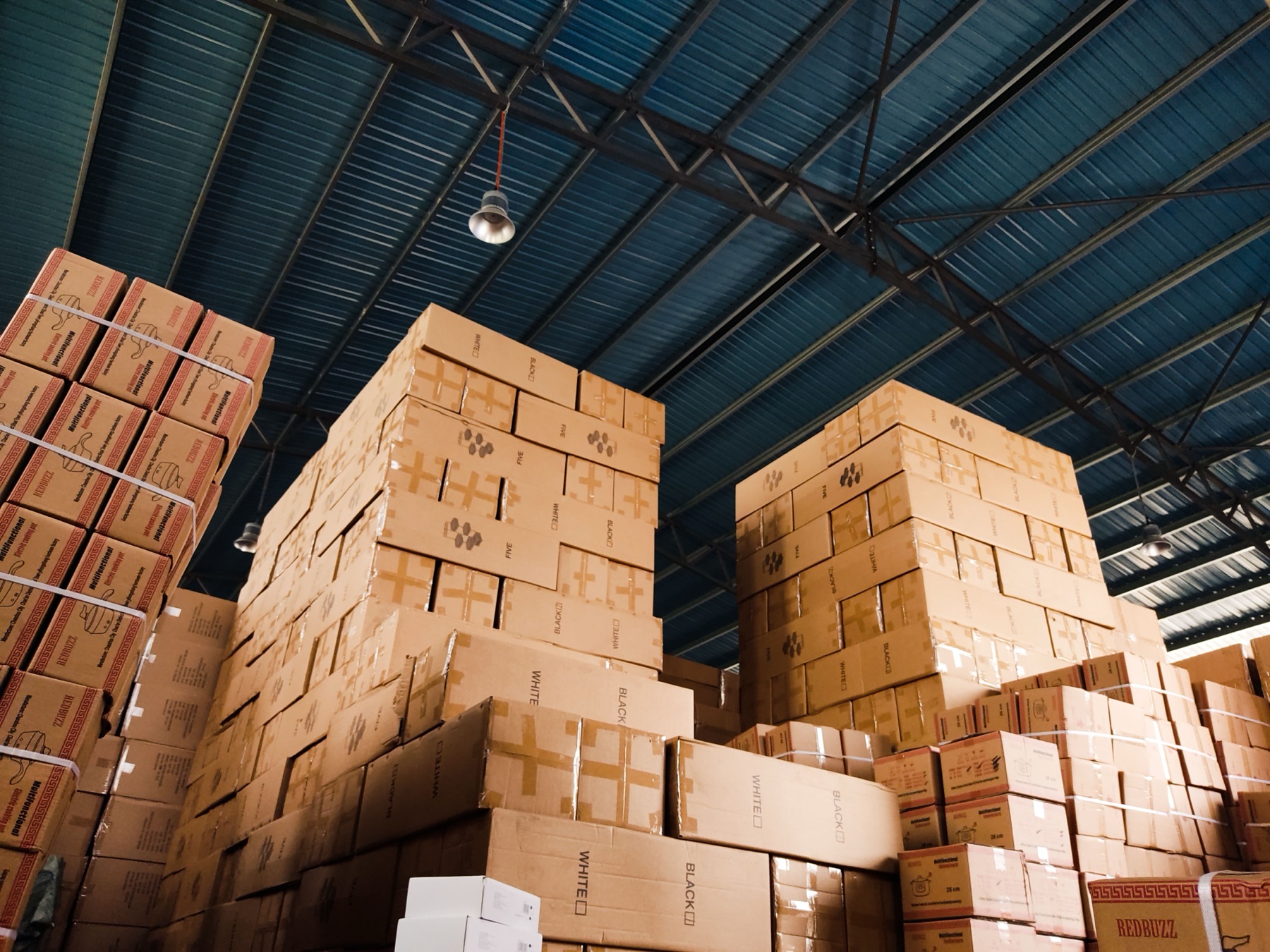
A simple way to pilot DHgate as a partial stand-in for Faire:
- Pick one category you know well—say, fridge organizers or keychains.
- Shortlist 2-3 DHgate listings using the vetting steps above.
- Order the smallest feasible quantity from each to compare quality and supplier responsiveness.
- Measure your actual landed cost from the invoices, then compare to your typical Faire cost for a similar role in your assortment.
- Decide on a target margin and ask: does DHgate’s landed cost leave enough room after your retail price and overhead?
If it does, you can scale orders and gradually shift part of that category off curated platforms. If not, you treat the experiment as market research and stay with Faire or brand-direct.
If you want more context on DHgate’s role as a wholesale marketplace, DHgate’s own blog describes it as a major B2B platform with millions of products and direct access to manufacturers and suppliers, for example in this overview of online wholesale suppliers: 9 Wholesale Suppliers Of Small Businesses.
When DHgate Is a Good Stand-In for Faire—and When It Isn’t
DHgate can be powerful, but it’s not a one-for-one replacement for a curated wholesale marketplace. The fit depends on what you’re trying to accomplish.
Situations where DHgate often works well
- Price-sensitive basics
Items like blank tees, plain storage bins, toolbox organizers, or simple accessories (key rings, generic fishing gear) are strong candidates. You’re not selling them for their brand story; you’re selling them for function, design, and price.
- Unbranded or private-label assortments
If your store’s brand is the hero and the product label is secondary, going closer to manufacturers on DHgate lets you customize or at least control packaging and presentation more directly than reselling a Faire brand.
- Testing new categories with low commitment
Because many DHgate sellers accept small orders, you can probe new categories—such as DIY tool organizers or new kinds of kitchen storage—without committing to the larger MOQs often required by brands on curated platforms.
Scenarios where DHgate may not be the right channel
- You need specific branded goods
If your concept relies on carrying named Faire brands or other recognizable labels, DHgate is not a legitimate route to those goods. There’s no evidence that Faire brands list their inventories on DHgate, and you should be cautious of any listing that appears to copy a known brand’s design or logo.
- Story-first, giftable product lines
Faire is designed around brand discovery, storytelling, and merchandising support. DHgate is not. If your customers care deeply about artisan narratives, local manufacturing, or specific maker identities, DHgate’s factory-centric catalog will not deliver that.
- Time-critical, highly predictable replenishment
For products with strict launch windows or tight replenishment cycles, the variability of cross-border sourcing can be a challenge. In those cases, working with domestic brands via curated marketplaces or direct wholesale relationships may be safer.
Quick scenario: a gift boutique testing DHgate next to Faire
Imagine a US gift boutique that currently buys fridge organizers, small toolbox-style organizers, and keychain accessories via a mix of Faire brands.
- They identify one narrow segment—kitchen and pantry organizers—where branding is less critical.
- They shortlist DHgate listings like the refrigerator storage organizer and a tool storage box, order small test batches, and compare them in-store to existing products.
- They calculate landed cost on, say, 50 units. If the DHgate-sourced organizer comes in at a significantly lower per-unit cost while meeting quality expectations, they can shift their “house brand” organizers to that supplier, reserving Faire for more brand-driven items.
Used this way, DHgate becomes one instrument in a wider sourcing mix, not the single answer. You use it where being closer to the manufacturer gives you a measurable cost or customization advantage, and you keep curated marketplaces and brand-direct relationships for the parts of your assortment where storytelling, recognizable labels, or tight operational control matter most.